(7% discount is applied at checkout)
Cart is empty
Your go-to destination for cutting-edge server products
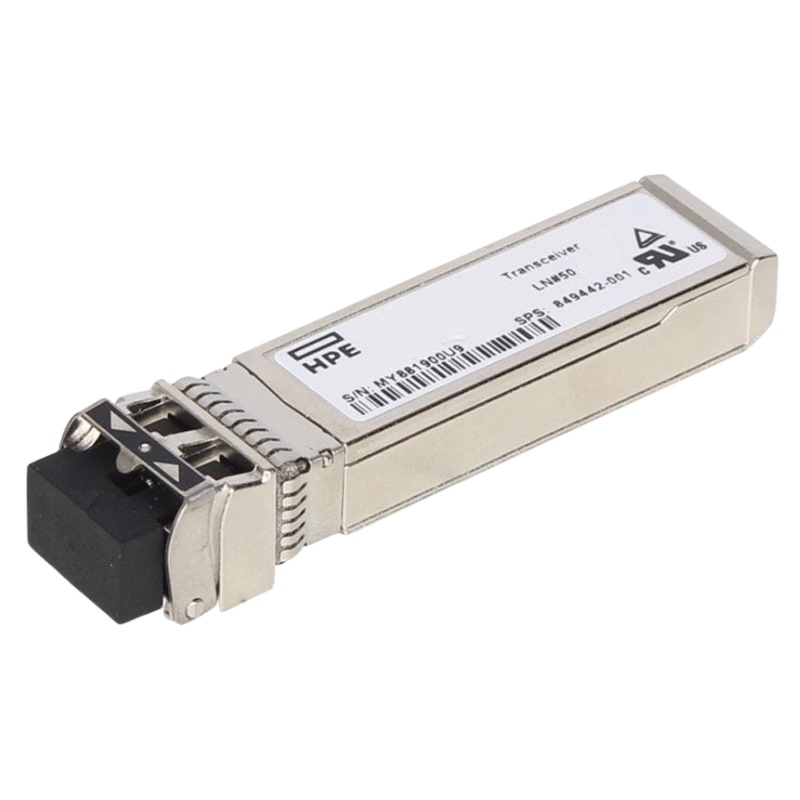


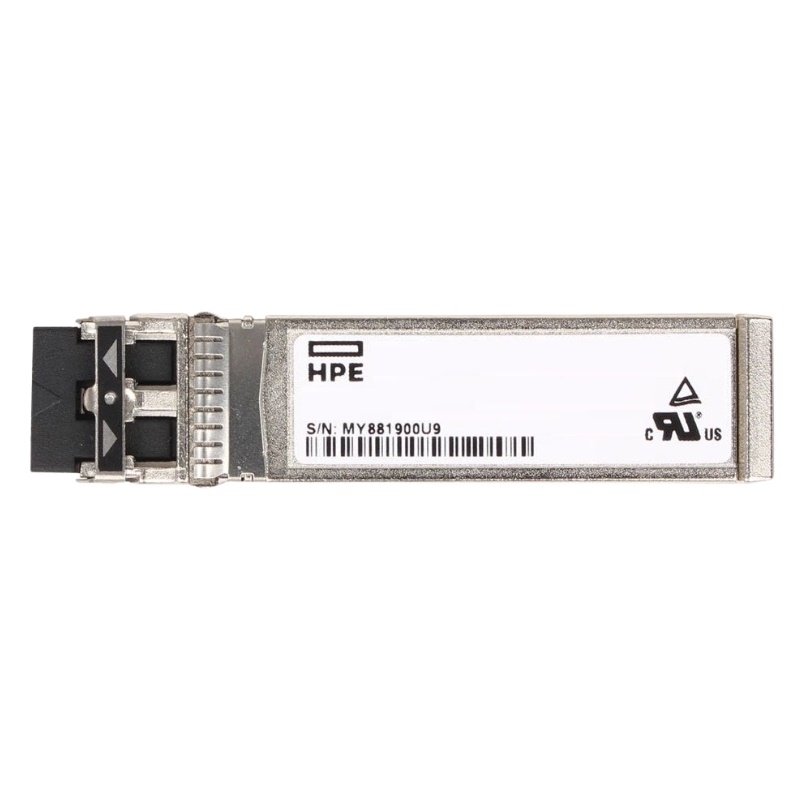
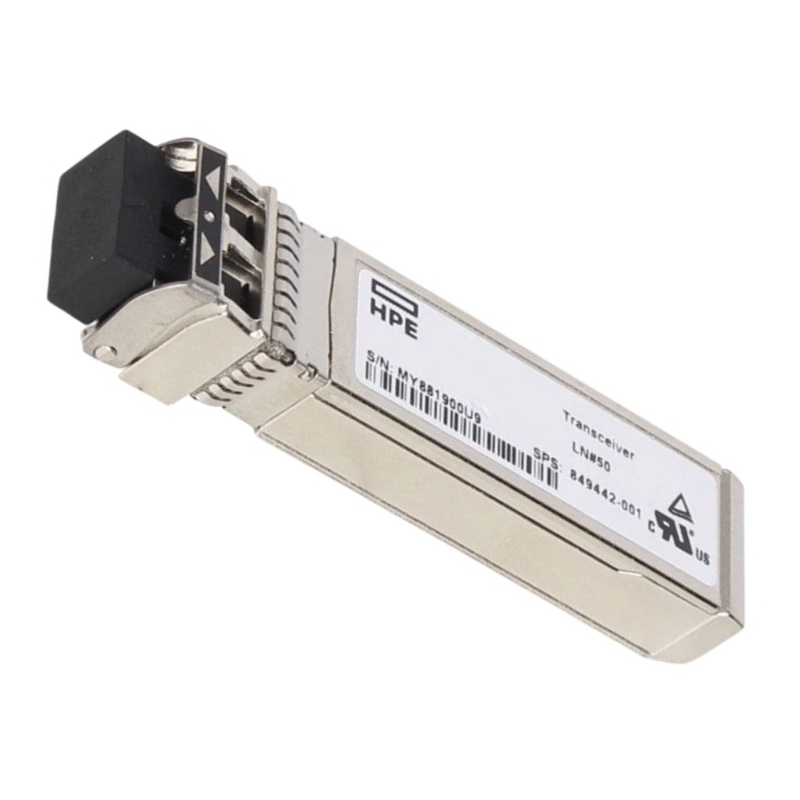
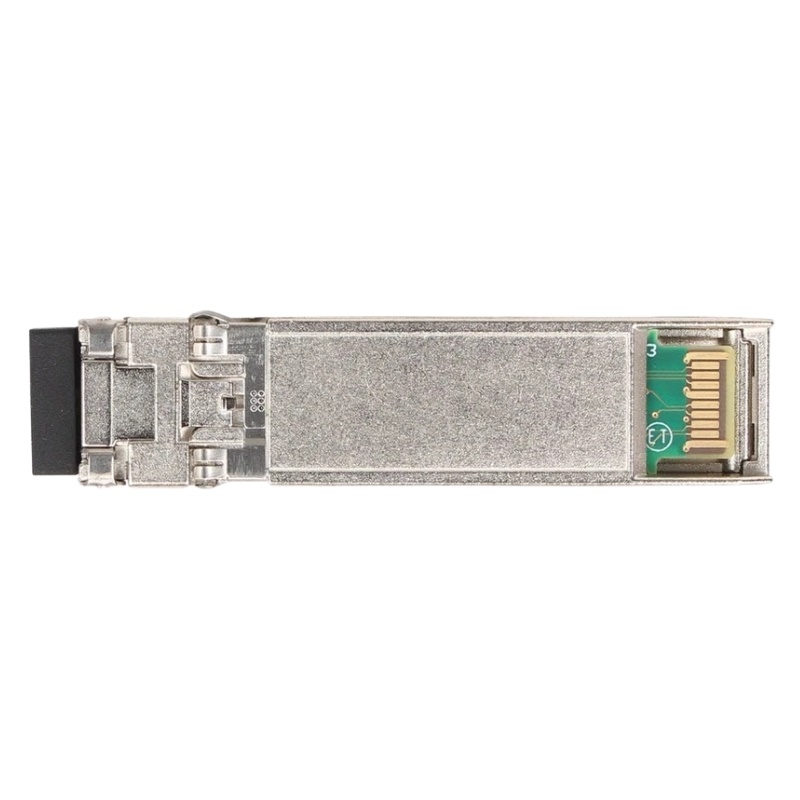
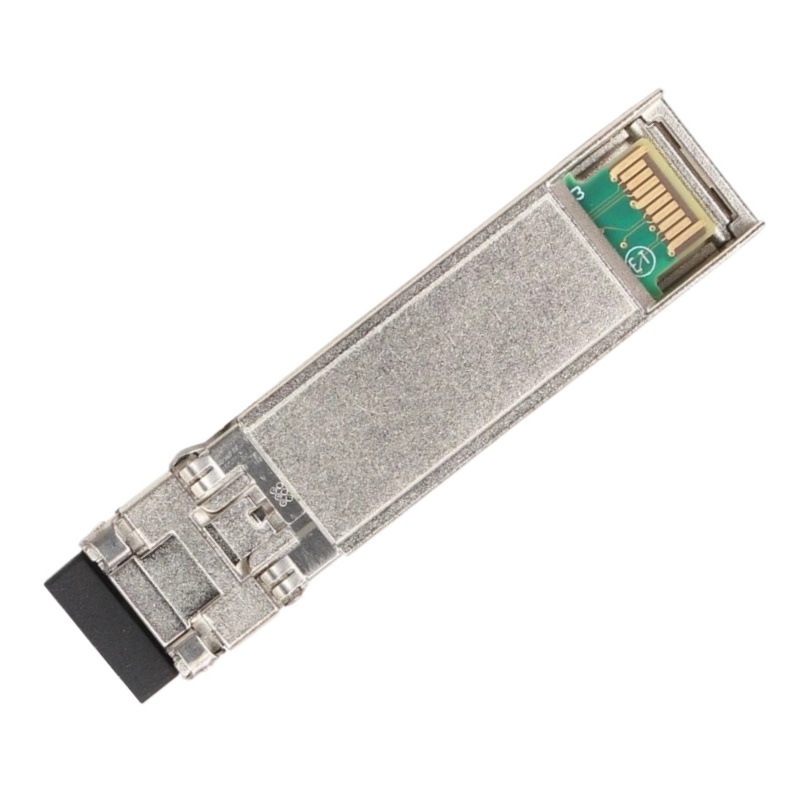
HPE P64548-001 SPS-B-SER 10/25 Gigabit Ethernet SFP28 LW Transceiver. New Sealed with 1 Year Replacement Warranty
The HPE P64548-001 SPS‑B‑SER belongs to the elite class of dual‑rate SFP28 optical transceivers engineered for high‑performance enterprise and data centre networks. As part of the HPE SPS‑B‑SER (Spare Part Serial – Business‑Standard Enterprise Range) portfolio, this module specifically addresses the 10GBASE‑LR and 25GBASE‑LR‑Lite (LW) physical layer standards. The “LW” designation denotes Long Wavelength (typically 1310nm optics) optimised for extended reach over standard single‑mode fibre (OS2).
The HPE P64548-001 SPS-B-SER 10/25 Gigabit Ethernet SFP28 LW Transceiver belongs to a specialized category of enterprise-grade optical networking modules engineered for high-speed data transmission across long-distance single-mode fiber infrastructures. Designed to support both 10GbE and 25GbE network environments, this transceiver delivers flexible bandwidth scalability for data centers, campus networks, and service provider infrastructures. The module integrates advanced optical signaling technology, enabling stable performance across extended link spans while maintaining low power consumption and minimal latency. Built for compatibility with modern switching platforms and network interface cards, it supports evolving enterprise architectures that demand consistent throughput, reliability, and protocol compliance.
This category of SFP28 long-wavelength transceivers is characterized by its compact hot-pluggable form factor that enables rapid deployment and replacement without system shutdown. The mechanical housing is engineered with precision shielding to reduce electromagnetic interference and maintain signal integrity in dense rack environments. The SFP28 interface standard allows seamless insertion into compatible cages on switches, routers, and network adapters. Its design adheres to Multi-Source Agreement specifications, ensuring interoperability across a wide range of enterprise networking platforms. The structural integrity of the module supports continuous operation under demanding environmental conditions typical of high-density data center installations.
The P64548-001 optical interface utilizes duplex LC connectors optimized for single-mode fiber connections. This configuration supports long-wavelength optical transmission typically centered around 1310 nm, enabling extended reach beyond standard short-range transceivers. Precision alignment of the optical components ensures accurate signal coupling, minimizing insertion loss and maximizing transmission stability. The connector assembly is reinforced for repeated insertion cycles, supporting maintenance workflows and hardware upgrades without degradation of physical contact reliability.
Hot-swappable architecture is a defining characteristic of this transceiver category. The ability to insert or remove the module while the host system remains powered significantly reduces network downtime. This feature supports mission-critical environments where uninterrupted connectivity is essential, such as financial systems, cloud infrastructure nodes, and high-performance computing clusters. Integrated EEPROM memory enables automatic device recognition and configuration when installed, allowing network hardware to instantly detect and configure the module parameters.
The long-wavelength optical design ensures reliable data transmission over single-mode fiber links across metropolitan or campus-scale distances. Advanced laser technology maintains signal stability across varying temperature ranges while delivering consistent optical output power. The receiver component integrates high-sensitivity photodiodes capable of detecting low-level optical signals without compromising error performance. This combination of transmitter and receiver precision enables the module to sustain low bit error rates even under demanding network conditions.
A defining technical advantage of this category is its support for both 10 Gigabit and 25 Gigabit Ethernet data rates. This dual-speed capability allows network administrators to deploy the same transceiver model across mixed-speed infrastructures, simplifying inventory management and reducing hardware procurement complexity. The module automatically negotiates speed compatibility with host equipment, ensuring seamless integration into legacy 10GbE networks while remaining ready for 25GbE upgrades.
Signal integrity is maintained through advanced digital diagnostics monitoring features that track parameters such as optical output power, input power, temperature, and voltage. These monitoring capabilities enable proactive maintenance and predictive failure analysis. By providing real-time feedback to network management systems, the transceiver supports stable operation and helps prevent unexpected link disruptions.
This category of optical transceivers is engineered for broad compatibility with enterprise networking hardware platforms that support SFP28 interfaces. Compliance with standardized electrical and optical signaling specifications ensures reliable communication between modules and host devices from multiple vendors. The firmware identification protocols embedded within the module allow host systems to verify device authenticity and configure operational parameters automatically. This level of interoperability simplifies deployment across heterogeneous network infrastructures.
Embedded firmware identification ensures accurate recognition of the transceiver by supported platforms. This mechanism confirms that the module meets system compatibility requirements and enables advanced features such as digital diagnostics reporting and adaptive link tuning. Firmware verification also supports security policies by preventing unauthorized or unsupported optical modules from operating within sensitive network environments.
Long-wavelength SFP28 transceivers are optimized for single-mode fiber deployments where extended transmission reach is required. The optical wavelength used by this module enables efficient signal propagation across kilometers of fiber with minimal attenuation. This capability makes it suitable for inter-building links, aggregation networks, and long-distance backbone connections. The transceiver’s optical design ensures consistent performance even when deployed across complex cabling routes with multiple patch panels or splice points.
Single-mode fiber compatibility allows the module to achieve long-range connectivity while maintaining high bandwidth. The narrow core diameter of single-mode fiber reduces modal dispersion, enabling higher data rates over longer distances. The transceiver’s laser source is calibrated to match these fiber characteristics, ensuring optimal signal coupling and minimal distortion during transmission.
Thermal efficiency is a critical factor in high-density networking environments, and this category of transceivers incorporates advanced heat dissipation design to maintain stable operating temperatures. The metallic housing functions as a passive heat sink, dissipating thermal energy away from internal components. Low power consumption contributes to reduced heat generation, allowing dense installations without excessive cooling requirements. Efficient power usage also supports energy-conscious data center designs where operational cost reduction is a priority.
This category of 10/25 Gigabit Ethernet long-wavelength transceivers is widely used in enterprise data centers, telecommunications infrastructure, and high-performance computing networks. In data centers, the module supports top-of-rack to aggregation switch connectivity, enabling high-bandwidth data exchange between servers and core network layers. Telecommunications providers deploy such transceivers in access and aggregation layers to deliver reliable high-speed connectivity across metropolitan fiber networks. High-performance computing environments benefit from the module’s low latency and high throughput, which facilitate rapid data transfer between compute nodes.
The ability to operate at multiple speeds allows network architects to scale infrastructure incrementally. Organizations can deploy the module in 10GbE mode initially and transition to 25GbE operation as bandwidth requirements increase. This scalability ensures long-term investment protection while maintaining compatibility with existing hardware. The module’s standards compliance ensures that upgrades can occur without requiring major infrastructure changes.
The electrical interface conforms to industry-standard high-speed serial signaling protocols, enabling efficient communication between the transceiver and host device. Signal conditioning circuitry within the module ensures accurate data transmission by compensating for potential signal degradation. Compliance with Ethernet standards guarantees interoperability with network equipment designed according to IEEE specifications. This adherence to standardized protocols ensures reliable link establishment and stable packet transmission across supported network environments.
Advanced error detection mechanisms help maintain data integrity during transmission. The module supports host-side forward error correction features that enhance reliability across long fiber spans. By minimizing transmission errors, these capabilities contribute to consistent throughput and reduced retransmission overhead, which is essential for latency-sensitive applications.
Deployment of this transceiver category is streamlined through plug-and-play functionality. Network engineers can install the module quickly without specialized tools or calibration procedures. Automatic configuration capabilities allow the host system to recognize the module instantly and apply appropriate settings. This simplicity reduces installation time and minimizes the risk of configuration errors, making it suitable for large-scale rollouts across enterprise networks.
The HPE P64548-001 dual-speed functionality and standardized form factor allow organizations to standardize on a single transceiver model for multiple deployment scenarios. This consolidation simplifies inventory management and reduces logistical complexity. Maintaining a unified transceiver stock ensures that replacement units are readily available when needed, improving maintenance efficiency and reducing operational downtime.
Modern network infrastructures demand high throughput, low latency, and consistent reliability. This category of long-wavelength SFP28 transceivers is engineered to meet those requirements by combining advanced optical technology with efficient electrical design. The module supports high-speed data flows required by virtualization platforms, distributed storage systems, and real-time analytics environments. Its architecture ensures that bandwidth-intensive workloads can be transmitted without bottlenecks or performance degradation.
Optimized internal circuitry minimizes signal processing delay, ensuring rapid data transmission across optical links. Reduced latency is particularly beneficial for applications such as financial trading systems, cloud computing services, and real-time data processing platforms where even microseconds of delay can affect performance outcomes.
The HPE P64548-001 compact form factor and low power profile enable high-density deployment within switch chassis and server network adapters. Multiple modules can operate simultaneously within a single device without exceeding thermal or power limits. This density allows network designers to maximize port utilization while maintaining stable performance, supporting scalable architectures that can expand alongside organizational data demands.


 Contact Us
 Information
 Catalog
 Solid State Drives (SSD)
 Network Switches
 Hard Disk Drives
 HBA & Controllers
 PC & Servers
 PC & Server Memory
 CPU & Processors
 Network Routers
 Power Supplies
 Tape Drives & Libraries
 Network Devices
 Computer & Network Cables