(7% discount is applied at checkout)
Cart is empty
Your go-to destination for cutting-edge server products
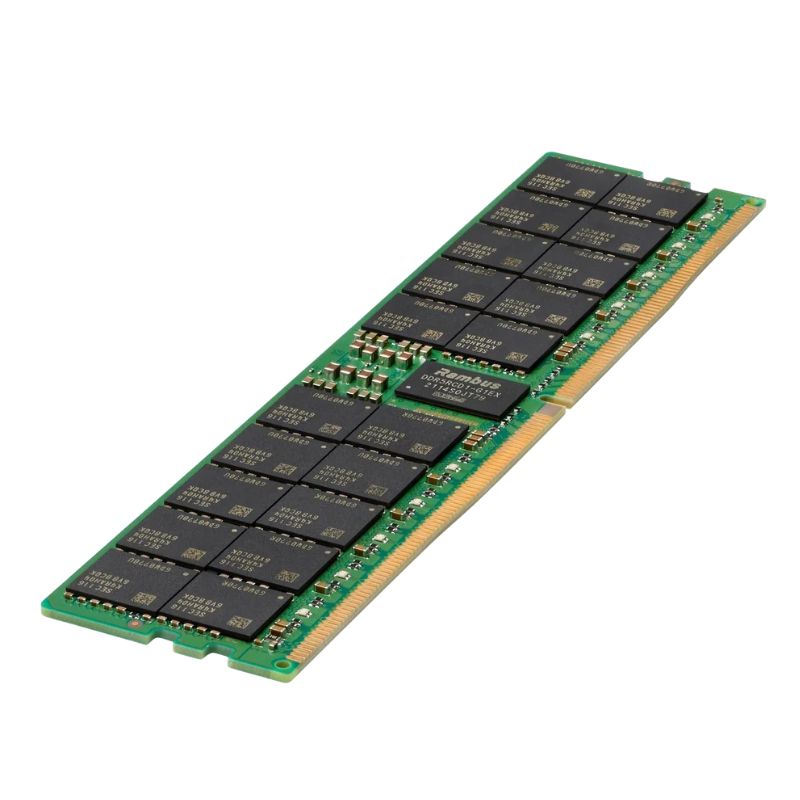


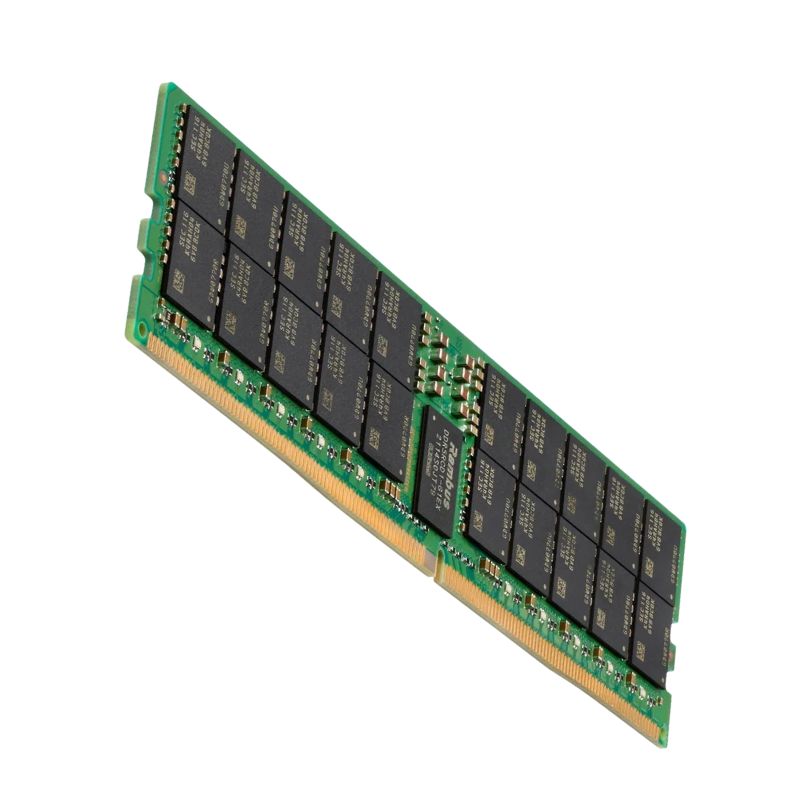
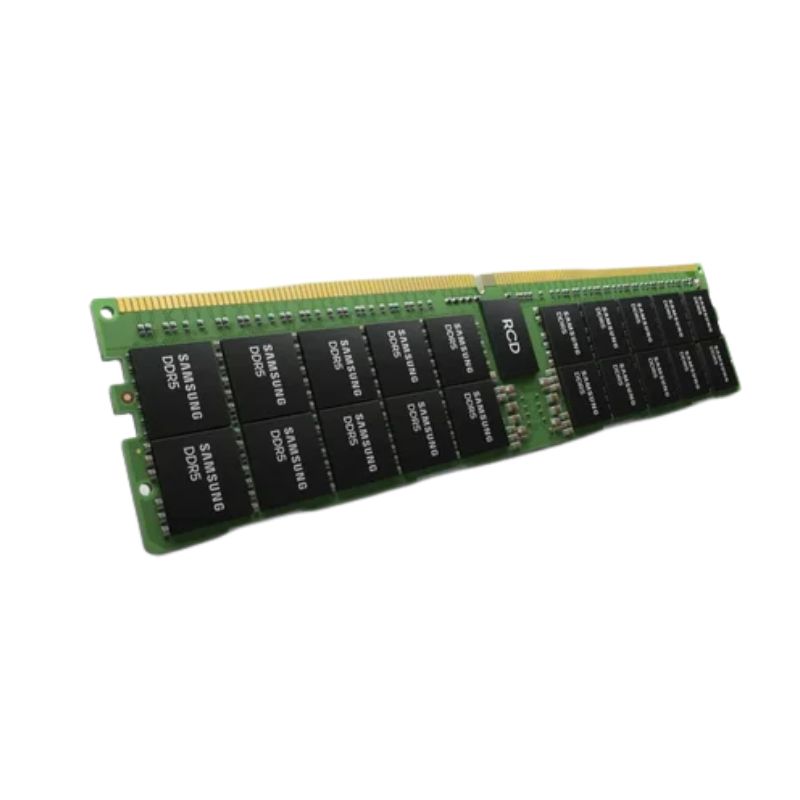
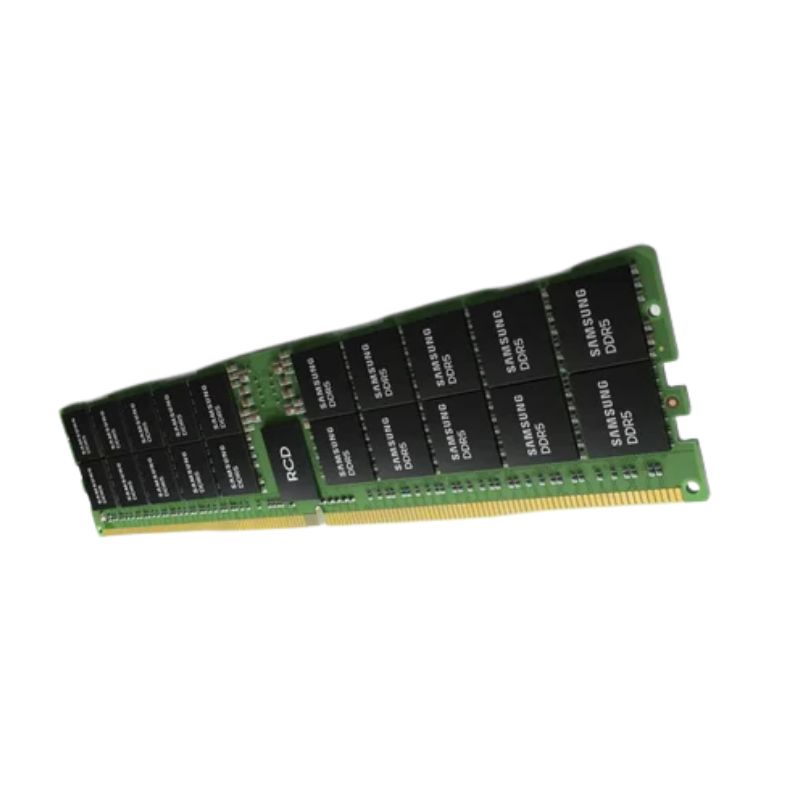
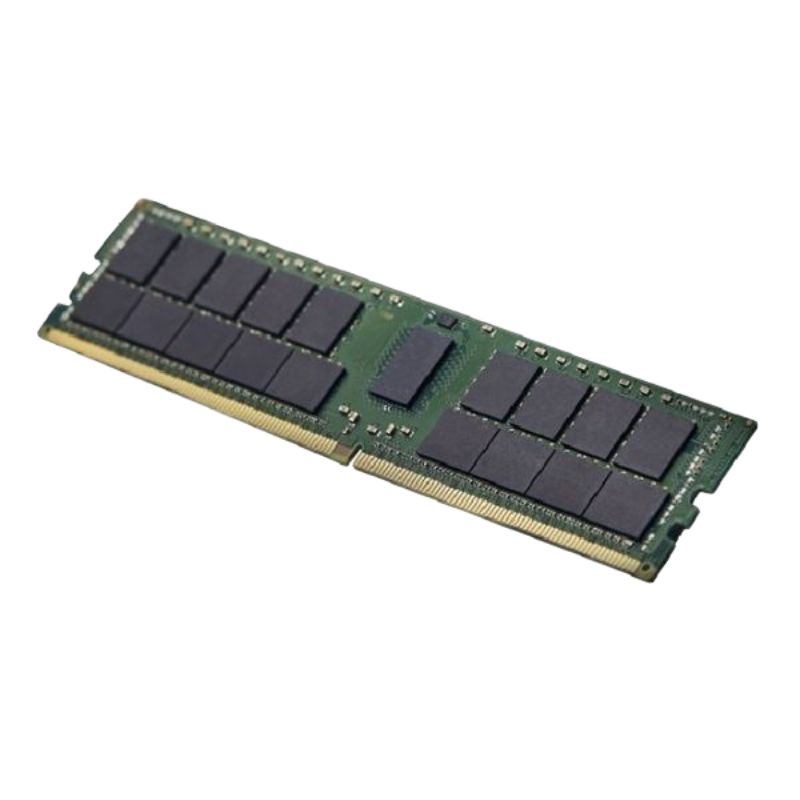
HPE P64984-K21 DDR5-6400MHz PC5-51200 16GB ECC Registered RDIMM Single Rank Memory Module. New Sealed in Box (NIB) with 3 Years Warranty
The HPE P64984-K21 16GB DDR5 SDRAM Registered DIMM is engineered to deliver exceptional performance and reliability for enterprise-level applications. Built with advanced DDR5 technology, this memory module supports a blazing-fast speed of 6400 MT/s, ensuring rapid data transfer and smooth multitasking in demanding server environments. With its ECC error-correcting functionality and registered signal processing, it enhances system stability, reduces downtime, and supports mission-critical workloads.
HPE P64984-K21 DDR5-6400MHz PC5-51200 16GB ECC Registered RDIMM Single Rank is a server-grade memory module engineered for enterprise environments that demand reliability, data integrity and sustained throughput. This category centers on high-performance DDR5 registered memory produced to HPE specifications, optimized for HPE ProLiant and compatible server platforms. The module delivers a blend of increased transfer rates (DDR5-6400), error-correcting capability (ECC), and the stability of registered buffering (RDIMM), making it suitable for virtualization, database workloads, cloud infrastructure and mission-critical computing tasks.
DDR5-6400 indicates the memory’s data rate—6,400 mega-transfers per second (MT/s). PC5-51200 communicates theoretical peak bandwidth: 51,200 megabytes per second under ideal conditions. These two labels are functionally equivalent ways to describe the module’s throughput. Higher MT/s translates to increased memory bandwidth which can improve performance for memory-bound workloads such as in-memory databases, large-scale analytics, and high-density virtualization.
ECC memory actively detects and corrects single-bit memory errors and can detect multi-bit errors that would otherwise go unnoticed on non-ECC modules. In enterprise contexts where data corruption can translate into downtime, revenue loss, or failed computations, ECC provides a critical safety net. HPE's server memory modules like P64984-K21 are designed to integrate with server BIOS/firmware and platform controllers to enable ECC functionality end-to-end.
Registered DIMMs (RDIMM) include a small register between the memory controller and the DRAM chips. This register buffers control signals, reducing electrical load on the memory controller and enabling higher memory population and stability in multi-module configurations. RDIMMs are preferred in server environments because they allow denser memory configurations while maintaining signal integrity and reliability.
RDIMM is typically chosen for balanced performance and cost when moderate to high capacities are required. LRDIMM (Load-Reduced DIMM) can offer even higher capacities but at increased cost and slightly different performance trade-offs. The P64984-K21 RDIMM is a common choice where compatibility and HPE certification matters most.
"Single Rank" describes how the memory chips are organized on the module. Single-rank modules present one set of memory chips that the memory controller can access at a time. Single-rank RDIMMs often present slightly lower electrical load per channel and can offer better compatibility or per-module latency characteristics in some server platforms. For memory population strategies, single-rank modules can sometimes allow higher total DIMM counts per channel before hitting signal integrity limits.
HPE memory modules are engineered and tested against HPE server platforms—ProLiant rack, tower and blade systems—and are typically validated by HPE for firmware compatibility, voltage margins and thermal behavior. When choosing modules like P64984-K21, verify supported memory type, maximum supported per-slot capacity, and any BIOS-level settings for ECC and memory speed on your target server model.
Real-world performance gains from DDR5-6400 memory modules vary with workload. Memory bandwidth-sensitive applications—such as large in-memory databases, real-time analytics, scientific computing, and memory-heavy virtualization—see greater improvements. Latency improvements are not linear with raw throughput; DDR5 introduces architectural features (like on-die ECC and improved bank groups) that influence performance profiles.
While DDR5-6400 increases raw bandwidth, individual request latency can still be influenced by memory timings, rank configuration, and the memory controller's behavior. System designers select rank and speed combinations to balance latency, throughput, and density for target applications.
Proper installation and memory population are essential to achieving rated performance and maintaining stability. Follow server vendor guidelines for DIMM slot population order, matched capacities per channel and per-socket symmetry for multi-socket systems. Incorrect population can force the system to downclock memory or switch to sub-optimal timings.
HPE server memory modules like P64984-K21 are designed for 24/7 operation and include enterprise-level reliability features. Monitoring ECC event counts, using platform management tools and establishing preventive maintenance policies are essential practices for long-term reliability.
Replace modules that show increasing corrected error rates, uncorrectable errors, or manufacturer-recommended service-life thresholds. Keep spare modules of the same type and rank to minimize downtime during replacements and ensure spare inventory is compatible with the platform.
When evaluating HPE P64984-K21 modules against other options, compare on dimensions of speed (MT/s), capacity, rank, ECC capability, and whether the memory is HPE-validated. Alternatives include higher-capacity module SKUs, lower-speed variants for budget constrained builds, or LRDIMM options for very high-density memory configurations. Selecting the right module requires aligning application needs with platform limits and budget.
Start with your application profile: if your workloads are bandwidth-heavy and you need validated HPE support, DDR5-6400 RDIMM modules like P64984-K21 are an excellent baseline. If your goal is maximum per-socket memory and the platform supports LRDIMM, consider load-reduced modules for greater capacity, acknowledging cost and potential latency trade-offs.
Memory modules are integral to the data integrity pipeline. ECC provides runtime correction for transient errors. In addition, enterprise systems should consider secure boot, memory encryption (if supported by CPU/TPM), and proper disposal policies for end-of-life DIMMs to protect sensitive data.
Industries subject to regulatory compliance (finance, healthcare, government) should maintain memory asset lifecycle documentation and evidence of secure handling to comply with data protection and auditing requirements.
Consult platform documentation for manufacturer-specific error codes. Typical responses include reseating DIMMs, swapping suspect modules into known-good slots, updating firmware, and escalating to hardware replacement if uncorrectable errors persist.


 Contact Us
 Information
 Catalog
 Solid State Drives (SSD)
 Network Switches
 Hard Disk Drives
 HBA & Controllers
 PC & Servers
 PC & Server Memory
 CPU & Processors
 Network Routers
 Power Supplies
 Tape Drives & Libraries
 Network Devices
 Computer & Network Cables