(7% discount is applied at checkout)
Cart is empty
Your go-to destination for cutting-edge server products
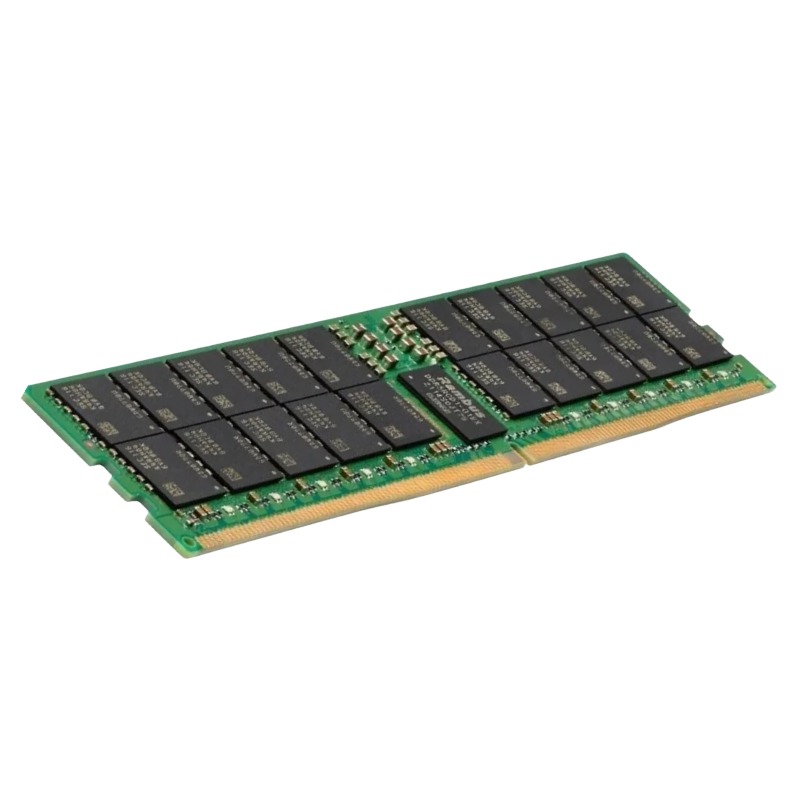


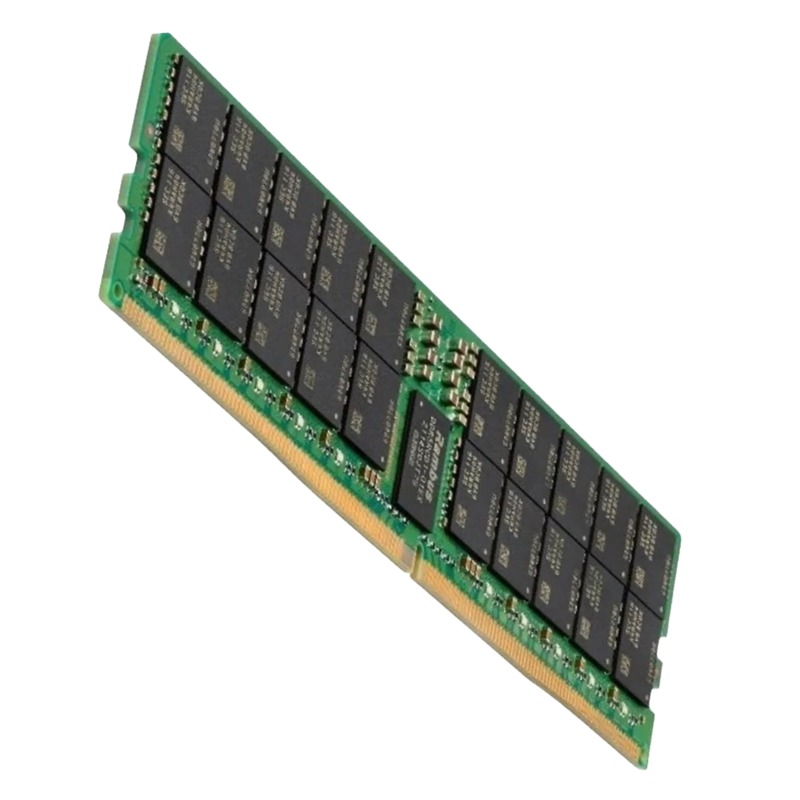
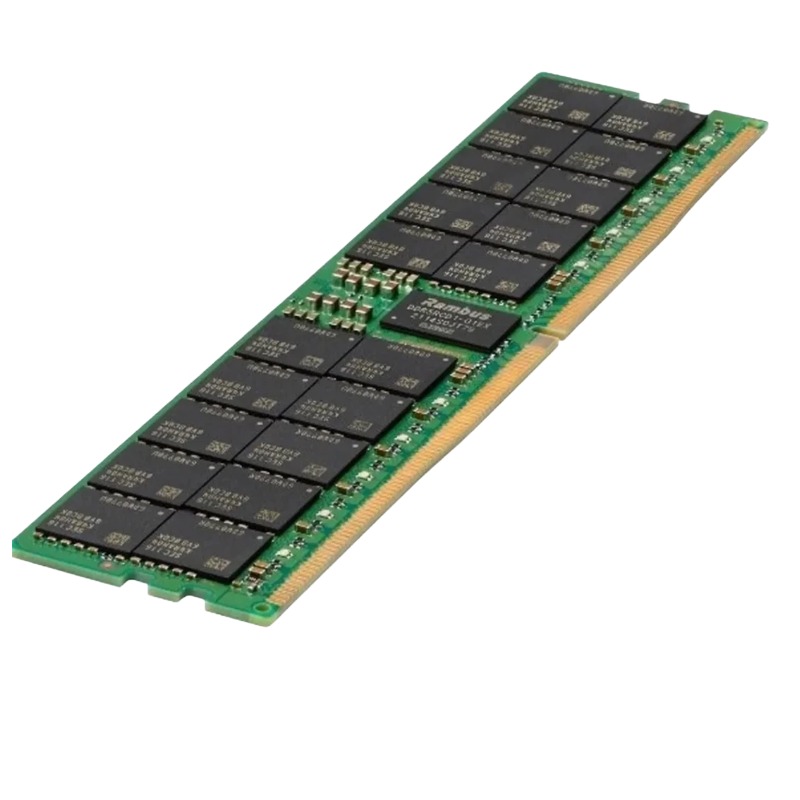
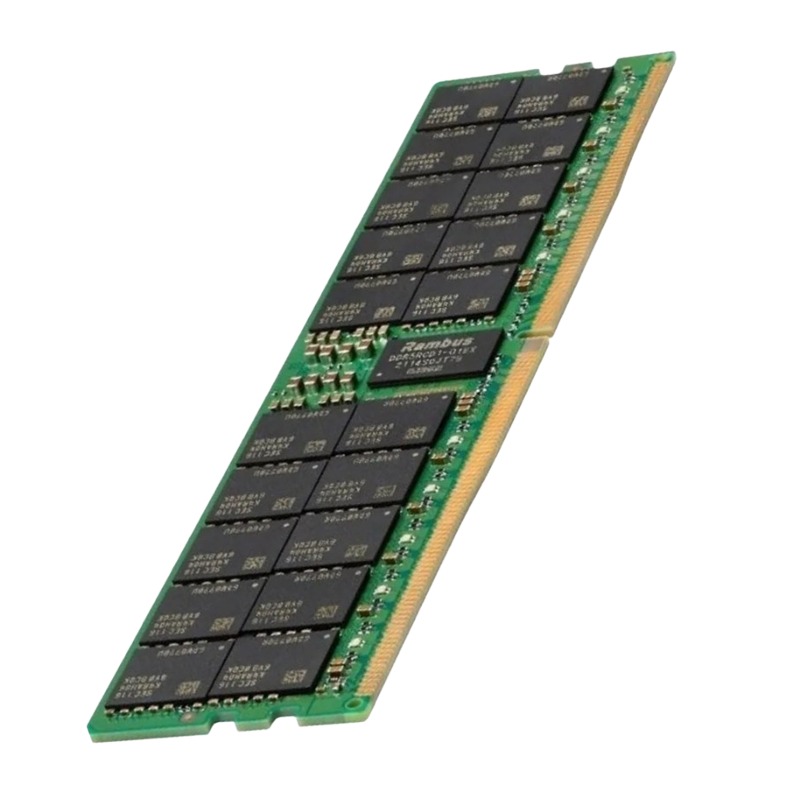
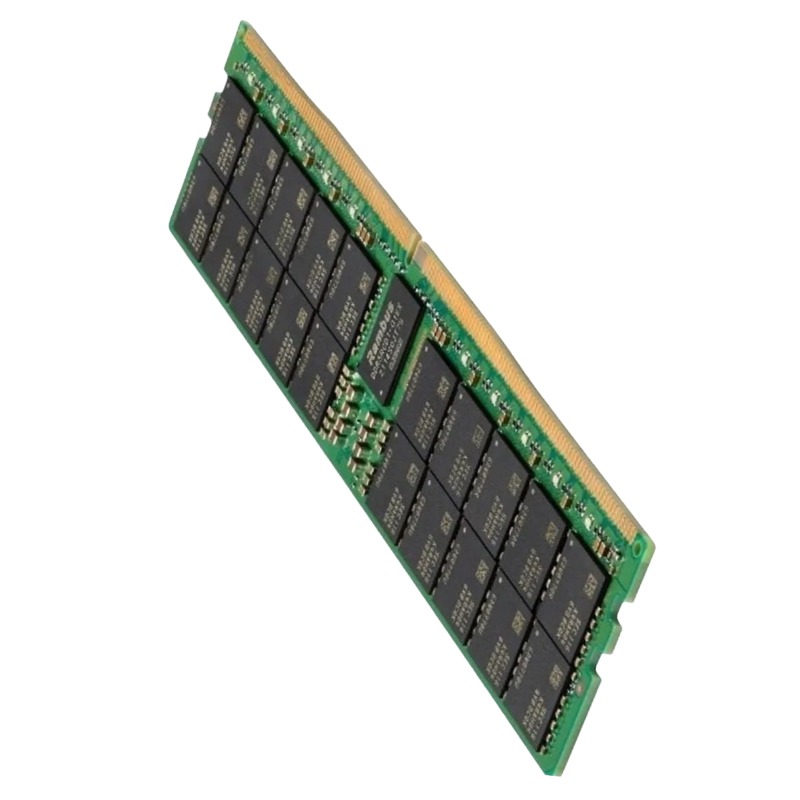
HPE P68072-001 32GB 4800MTS PC5-38400 Cl42 Ecc Registered Dual Rank 288-pin RDIMM Memory Module. Factory-Sealed New in Original Box (FSB) with 3 Years Warranty
The HPE P68072-001 is a high-performance 32GB DDR5 Registered ECC memory module designed for enterprise-grade server environments. Built for reliability, speed, and scalability, this DDR5 SDRAM RDIMM is optimized for modern HPE ProLiant and Apollo server platforms, delivering improved bandwidth and efficiency for demanding workloads such as virtualization, cloud computing, and database processing.
The HPE P68072-001 32GB 4800MTS PC5-38400 CL42 ECC Registered Dual Rank 288-pin RDIMM Memory Module is a high-performance server memory solution engineered for modern enterprise computing environments that demand stability, scalability, and sustained throughput under heavy workloads. This memory module belongs to the latest generation of DDR5 server memory technology, designed specifically for Hewlett Packard Enterprise (HPE) server infrastructures where reliability and performance consistency are critical. As a registered dual rank ECC RDIMM, it is optimized to reduce electrical load on the memory controller while ensuring high data integrity across mission-critical applications.
This memory module, often identified in enterprise procurement catalogs as HPE P68072-001 32GB 4800MTS PC5-38400 CL42 ECC RDIMM, is built to serve environments such as virtualization clusters, database servers, cloud computing nodes, high-performance computing systems, and data analytics platforms. Its architecture reflects the evolution of memory systems toward higher bandwidth efficiency, lower power consumption, and improved signal reliability, all of which are essential in dense server deployments.
DDR5 memory represents a significant generational leap over DDR4, introducing improvements in bandwidth, channel architecture, power management, and error correction capabilities. The HPE P68072-001 module leverages these advancements to deliver higher throughput per module while maintaining operational stability in enterprise-grade server environments.
At its core, DDR5 memory doubles the burst length and improves bank group architecture compared to previous generations. This allows more data to be transferred per clock cycle, improving overall efficiency in data-heavy applications. The 4800MTS transfer rate of this module ensures that servers can handle increased parallel processing demands without creating memory bottlenecks.
The 4800MTS (Mega Transfers per Second) specification defines how many millions of data transfers the module can perform each second. This high transfer rate ensures that large-scale workloads such as virtualization, in-memory databases, and real-time analytics operate smoothly. In enterprise deployments, this translates to faster query response times, improved application responsiveness, and more efficient CPU utilization.
The PC5-38400 designation refers to the theoretical maximum bandwidth of approximately 38.4 GB/s per module. This bandwidth is critical for data-intensive server operations, where multiple CPU cores simultaneously access memory resources. High bandwidth reduces latency spikes and ensures consistent performance under load, particularly in multi-threaded environments.
CAS latency (CL42) indicates the delay between a memory request and the start of data delivery. While DDR5 introduces higher latency numbers compared to DDR4, this is offset by significantly increased bandwidth and architectural optimizations. In real-world server workloads, the higher frequency and improved parallelism compensate for latency, resulting in superior overall performance.
Error-Correcting Code (ECC) memory is essential in environments where data integrity cannot be compromised. The ECC functionality in this RDIMM module allows it to detect and correct single-bit memory errors automatically, preventing data corruption and system crashes.
In enterprise computing, even minor memory errors can lead to significant disruptions. ECC memory ensures continuous system stability by identifying and correcting errors in real time. This is particularly important in financial systems, cloud infrastructure, and database servers where accuracy is paramount.
Registered DIMMs (RDIMMs) include a register between the memory modules and the memory controller. This register reduces electrical load and signal strain, enabling systems to support larger memory capacities without compromising stability. In high-density server configurations, RDIMM architecture is essential for scalability.
The register acts as a buffer, ensuring that command and address signals are properly synchronized. This improves signal integrity and allows servers to operate with multiple memory modules installed simultaneously without degradation in performance or reliability.
Dual rank memory modules contain two sets of memory chips that are accessed alternately, improving parallel processing efficiency. This architecture enhances memory interleaving, allowing the system to access one rank while the other is refreshing.
Memory interleaving enables the CPU to access multiple memory banks more efficiently. In dual rank configurations, this results in improved throughput and reduced latency during intensive workloads. Applications such as virtualization and database management benefit significantly from this architecture.
Dual rank modules provide a balance between latency and bandwidth, making them suitable for workloads that require both fast response times and high data throughput. This balance is essential in mixed-use enterprise environments where multiple applications run simultaneously on the same infrastructure.
The HPE P68072-001 memory module is designed to integrate seamlessly into HPE server ecosystems, ensuring compatibility with supported server platforms. HPE rigorously validates its memory modules to ensure reliability and optimal performance across enterprise hardware configurations.
This RDIMM module is typically deployed in HPE ProLiant server systems, where it supports workloads ranging from virtualization clusters to enterprise application hosting. Compatibility ensures that firmware-level optimizations can be fully leveraged for maximum performance efficiency.
HPE servers often include firmware-level optimizations that enhance memory performance, including advanced memory training algorithms and error handling mechanisms. These optimizations help ensure that modules like the P68072-001 operate at peak efficiency under variable workloads.
In multi-socket server configurations, memory scalability becomes critical. The RDIMM architecture allows multiple modules to be installed across CPU sockets without overwhelming the memory controller, ensuring balanced performance across the system.
The versatility of the HPE P68072-001 module makes it suitable for a wide range of enterprise applications. Its high bandwidth and ECC reliability make it particularly valuable in environments where uptime and performance consistency are essential.
Virtualization platforms require large amounts of memory to support multiple virtual machines running concurrently. This RDIMM module ensures that memory resources are efficiently distributed, minimizing bottlenecks and improving VM density per host system.
Relational and non-relational databases benefit significantly from high-speed memory modules. Faster memory access reduces query execution times and improves transaction throughput, which is essential for enterprise-level database operations.
AI workloads and data analytics applications rely heavily on memory bandwidth for processing large datasets. The DDR5 architecture of this module supports faster data ingestion and processing, enabling more efficient machine learning model training and inference.
Business-critical applications such as ERP systems, CRM platforms, and financial software require stable memory performance. ECC protection and registered architecture ensure uninterrupted operation and reduced risk of system failure.
DDR5 memory introduces improved power management features that reduce overall system energy consumption. The HPE P68072-001 module benefits from onboard power management integrated circuits (PMICs), which regulate voltage more efficiently than previous generations.
Operating at reduced voltage compared to DDR4, DDR5 modules consume less power while maintaining higher performance levels. This contributes to reduced data center energy costs and improved thermal efficiency in dense server environments.
Efficient heat distribution mechanisms in DDR5 memory reduce thermal hotspots, allowing servers to maintain stable performance under sustained workloads. This is particularly important in environments with limited cooling capacity.
Proper installation of server memory modules is critical to ensuring optimal performance and system stability. The HPE P68072-001 module follows standard 288-pin RDIMM design specifications, making it compatible with supported server slots.
When deploying memory in enterprise servers, balanced population across memory channels is essential. This ensures optimal bandwidth utilization and prevents performance bottlenecks caused by uneven memory distribution.
Before deployment, system administrators typically verify compatibility using HPE’s official memory configuration guidelines. This ensures that the installed memory modules operate within validated hardware and firmware specifications.
Maintaining consistent module specifications across server memory banks is recommended to avoid performance inconsistencies. Mixing different capacities or speeds can result in reduced efficiency or fallback to lower operational speeds.
Maximizing the performance of DDR5 RDIMM memory involves understanding system-level interactions between CPU, memory controller, and storage subsystems. The HPE P68072-001 module is engineered to work in harmony with modern server architectures.
Modern CPUs include integrated memory controllers that manage data flow between processor cores and memory modules. High-bandwidth DDR5 modules reduce contention and improve overall system responsiveness.
Efficient workload distribution across memory channels ensures that no single module becomes a bottleneck. This is particularly important in multi-threaded environments and distributed computing systems.
As data centers continue to scale, memory requirements increase proportionally. DDR5 modules like the HPE P68072-001 provide a foundation for scalable infrastructure, supporting higher capacities per server and improved efficiency in clustered environments.
High-density configurations allow servers to support larger datasets in-memory, reducing dependency on slower storage systems. This enhances application performance and reduces latency in data retrieval operations.
Investing in DDR5 memory ensures future-proofing for evolving workloads. As software applications become more resource-intensive, having high-bandwidth memory infrastructure becomes essential for maintaining competitive performance.
Compared to DDR4-based RDIMM modules, the HPE P68072-001 provides significantly improved bandwidth, efficiency, and scalability. These enhancements make it a preferred choice for modern enterprise environments transitioning to DDR5 infrastructure.
The increase in transfer rates and bandwidth allows DDR5 modules to handle more simultaneous processes, reducing system bottlenecks and improving throughput in multi-user environments.
Reduced voltage requirements and improved power management contribute to lower operational costs in data centers, especially when scaled across hundreds or thousands of servers.
Selecting the right memory module involves evaluating workload requirements, system compatibility, and long-term scalability needs. The HPE P68072-001 module is designed for organizations seeking reliable, high-performance memory solutions for mission-critical systems.
Organizations typically evaluate total cost of ownership, performance per watt, and compatibility assurance when selecting server memory. HPE-certified modules provide confidence in reliability and supportability.
Memory lifecycle management involves planning upgrades, replacements, and expansions to ensure continuous system performance. DDR5 modules extend lifecycle value by supporting future workloads and higher capacity requirements.


 Contact Us
 Information
 Catalog
 Solid State Drives (SSD)
 Network Switches
 Hard Disk Drives
 HBA & Controllers
 PC & Servers
 PC & Server Memory
 CPU & Processors
 Network Routers
 Power Supplies
 Tape Drives & Libraries
 Network Devices
 Computer & Network Cables