(7% discount is applied at checkout)
Cart is empty
Your go-to destination for cutting-edge server products
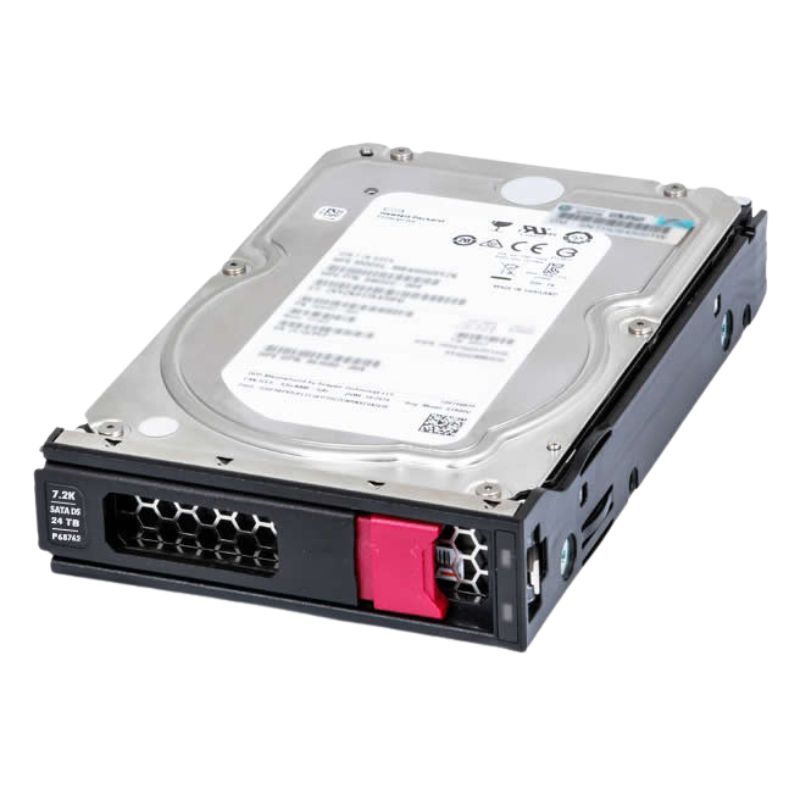


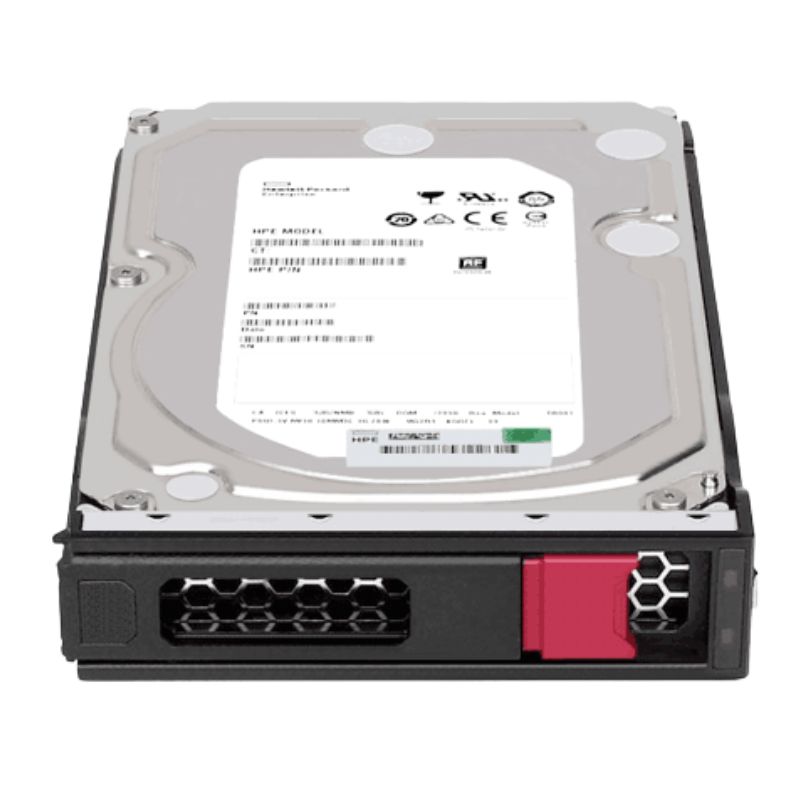
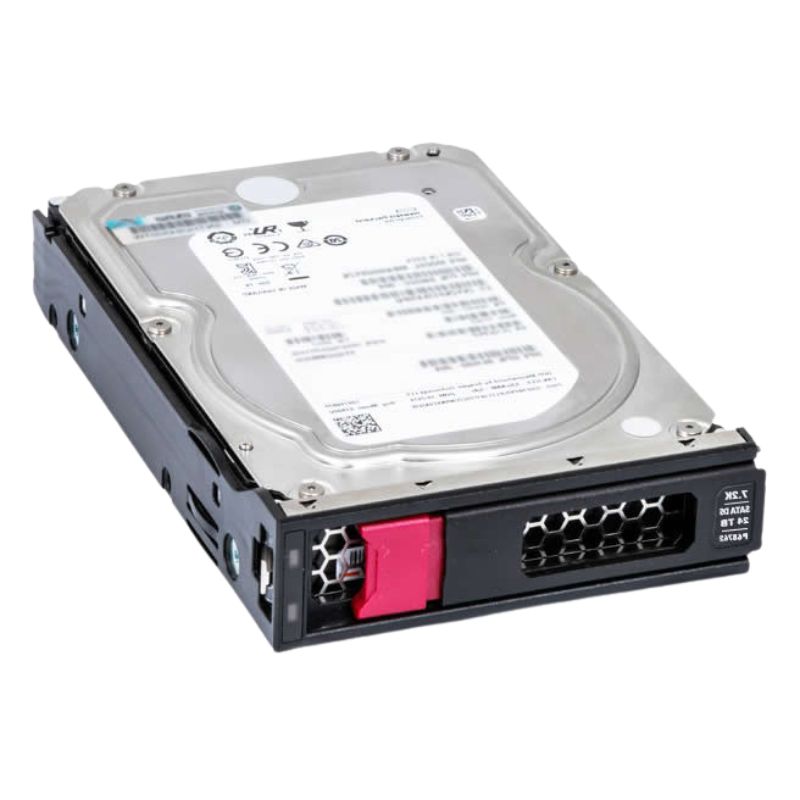
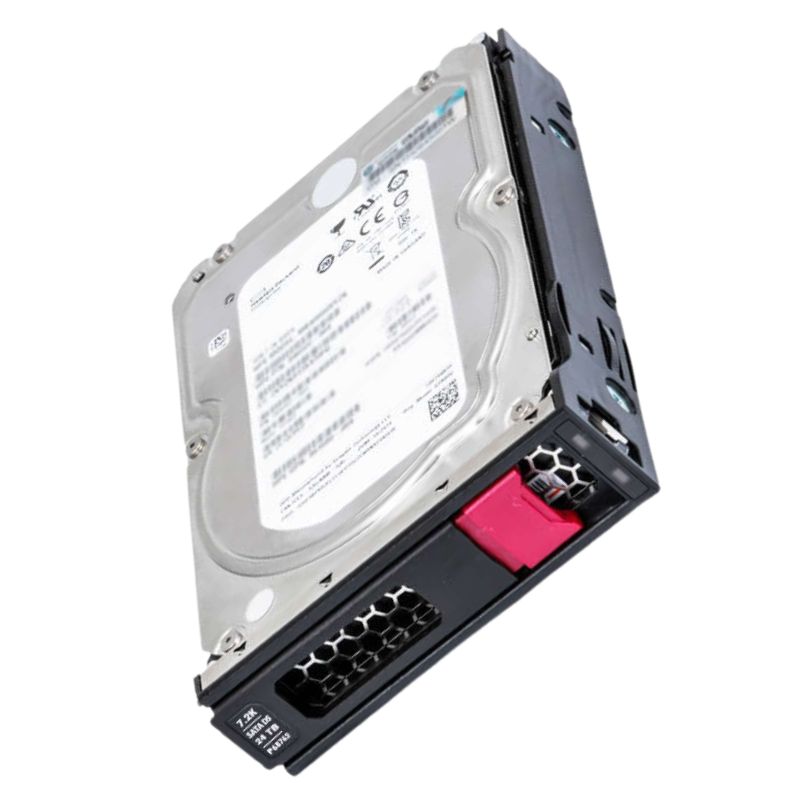
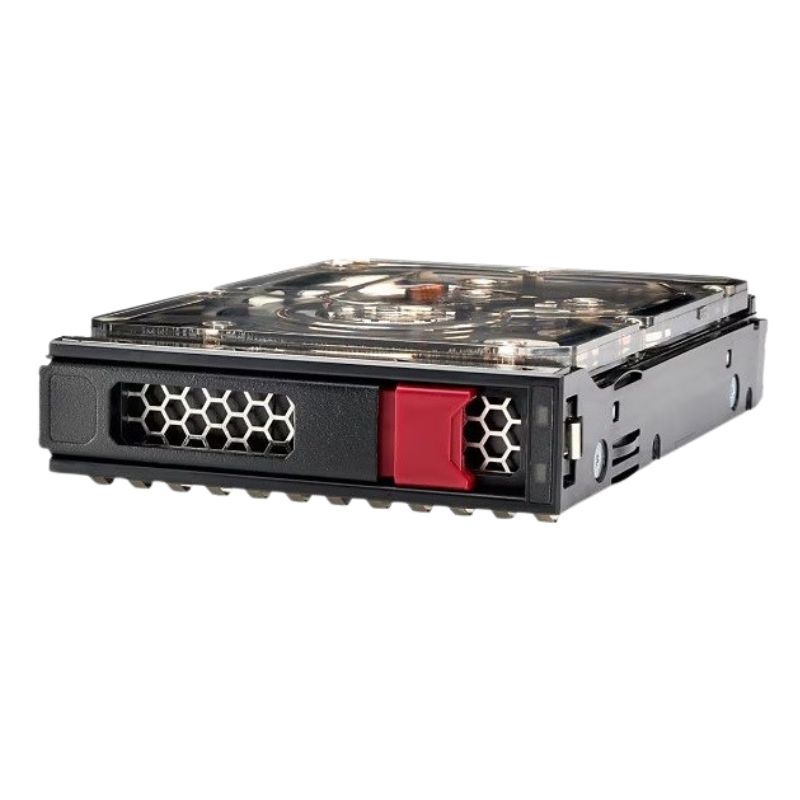
HPE P68586-001 24TB SATA 6GBPS 7.2K RPM 3.5Inch Low Profile Business Critical 512e Instant Secure Erase Helium Technology Multi Vendor Hard Disk Drive. Factory-Sealed New in Original Box (FSB) with 3 Years Warranty
Optimize your enterprise storage with the HPE P68586-001, a high-capacity, performance-driven hard drive designed for business-critical workloads. Featuring 24TB of storage and advanced technologies, it ensures reliability, security, and efficiency for your server environments.
The HPE P68586-001 24TB SATA 6Gbps 7200RPM 3.5Inch LFF Low Profile Business Critical Hard Disk Drive represents a specialized segment within enterprise storage infrastructure, focused on delivering high-capacity, dependable, and secure magnetic storage for data-intensive workloads. This category of business critical large form factor hard disk drives is designed to balance capacity density, reliability, and cost efficiency while maintaining compatibility with modern data center architectures. As organizations continue to manage exponential data growth driven by analytics, virtualization, backup, and compliance requirements, enterprise HDDs remain a core component of hybrid and tiered storage strategies.
Large Form Factor 3.5-inch drives are particularly valued in environments where maximizing terabytes per rack unit is essential. The 24TB capacity positions this drive at the upper end of enterprise SATA offerings, making it suitable for bulk data repositories, nearline storage tiers, and mission-critical workloads that require predictable performance combined with long-term durability. This category emphasizes sustained throughput, controlled latency, and enterprise-grade firmware optimizations rather than consumer-oriented burst performance.
Business critical SATA hard disk drives occupy an important role between entry-level archival storage and high-performance SAS or NVMe solutions. SATA 6Gbps interfaces provide broad compatibility with a wide range of enterprise servers and storage enclosures while maintaining lower acquisition costs per terabyte. Within this category, the emphasis is placed on reliability, continuous operation, and data integrity rather than raw IOPS metrics.
The SATA 6Gbps interface ensures stable sequential data transfer rates that are well suited for large file storage, backup targets, and content repositories. In enterprise contexts, SATA-based business critical drives are often deployed in RAID configurations or software-defined storage platforms where redundancy and intelligent data placement mitigate individual drive limitations. This category supports predictable scaling, enabling organizations to expand capacity incrementally without disruptive infrastructure changes.
The 7200RPM spindle speed defines a balance point between performance and energy efficiency in enterprise HDD categories. Compared to lower-speed nearline drives, 7200RPM disks provide reduced average latency and improved sustained throughput, making them appropriate for mixed workloads that involve both sequential and moderate random access patterns. This performance profile supports use cases such as database backups, virtual machine repositories, and file servers that experience steady read and write activity.
In business critical deployments, the consistency of performance is often more important than peak benchmarks. The 7200RPM design ensures stable rotational latency while minimizing excessive power draw and thermal output. This category benefits data centers aiming to optimize cooling efficiency while maintaining responsive storage access across large datasets.
The 24TB capacity tier represents a significant advancement in magnetic storage density, enabling organizations to consolidate data onto fewer physical drives. This consolidation reduces rack space requirements, simplifies cabling, and lowers overall infrastructure complexity. High-capacity enterprise HDDs in this category are particularly beneficial for cloud service providers, enterprise data lakes, and backup environments where large volumes of data must be retained over extended periods.
From a cost-per-terabyte perspective, high-capacity SATA drives offer compelling value compared to solid-state alternatives for workloads that do not require ultra-low latency. This category supports scalable storage architectures where SSDs handle performance-sensitive tasks while high-capacity HDDs manage bulk data efficiently. The ability to store massive datasets on fewer drives also enhances reliability at the system level by reducing the total number of mechanical components.
The 3.5-inch Large Form Factor design remains the standard for maximum-capacity enterprise hard drives. This physical form factor allows for larger platters and optimized internal layouts that support higher areal density. In enterprise servers and storage arrays, LFF drives are typically deployed in chassis designed for airflow efficiency and vibration management.
Low profile tray compatibility ensures that these drives integrate seamlessly into HPE-supported enclosures without requiring custom adapters. This category prioritizes mechanical stability and precise alignment to reduce vibration-induced errors, which become increasingly important as platter density increases. The robust construction of enterprise LFF drives contributes to extended service life in 24x7 operational environments.
Helium-filled hard drive technology is a defining characteristic of modern high-capacity enterprise HDD categories. By replacing traditional air with helium inside the sealed drive enclosure, internal turbulence is significantly reduced. This reduction allows for the inclusion of more platters while maintaining stable rotational dynamics.
Helium technology also contributes to lower power consumption and reduced heat generation. These benefits are particularly valuable in dense data center deployments where energy efficiency and thermal management directly impact operating costs. The sealed helium environment enhances long-term reliability by minimizing internal contamination and mechanical wear, aligning with the business critical classification of this storage category.
Business critical hard disk drives are engineered for continuous operation in enterprise environments where downtime and data loss are unacceptable. This category emphasizes rigorous validation, enhanced firmware controls, and compatibility testing with enterprise servers and storage systems. Reliability metrics such as Mean Time Between Failures and Annualized Failure Rate are optimized through design and manufacturing processes tailored to professional workloads.
In contrast to consumer or desktop drives, business critical HDDs are designed to operate under sustained workloads with higher duty cycles. They support advanced error recovery controls that work in conjunction with RAID controllers and storage management software to prevent unnecessary drive dropouts. This category is essential for organizations that rely on consistent data availability across distributed systems.
The 512e Advanced Format sector layout combines legacy compatibility with improved data integrity. By internally using larger physical sectors while presenting a 512-byte emulation to the host system, this format enhances error correction capabilities without disrupting existing software environments. Business critical drives in this category benefit from stronger ECC algorithms that protect data as capacity scales upward.
Advanced Format technology also improves storage efficiency and resilience, particularly in large-capacity drives where error rates must be tightly controlled. This category supports smooth integration into mixed storage environments, ensuring compatibility with operating systems and applications that may not yet fully support native 4K sectors.
Instant Secure Erase functionality is a key feature within enterprise storage categories that prioritize data protection and compliance. This capability allows organizations to rapidly and securely sanitize drive contents by cryptographically erasing encryption keys rather than overwriting entire disks. The result is a fast, verifiable method of data destruction that aligns with regulatory and organizational security policies.
In environments where drives are frequently redeployed or decommissioned, Instant Secure Erase reduces operational overhead while ensuring sensitive data cannot be recovered. This category is particularly relevant for industries with strict data governance requirements, including finance, healthcare, and government sectors.
Multi vendor enterprise hard disk drives are designed to meet standardized specifications that ensure broad compatibility across supported platforms. Within the HPE ecosystem, these drives undergo extensive qualification to guarantee seamless operation with HPE servers, storage arrays, and management tools. This category reduces the risk associated with heterogeneous data center environments where interoperability is critical.
Compatibility extends beyond physical and electrical interfaces to include firmware-level optimizations that align with HPE storage controllers and monitoring utilities. Business critical HDD categories emphasize predictable behavior under load, enabling administrators to maintain consistent performance and reliability across diverse deployments.
Enterprise drives supplied with HPE-compatible trays simplify installation and maintenance within supported systems. The low profile tray design ensures proper airflow and secure mounting, which are essential for maintaining thermal stability and minimizing vibration. This category supports hot-plug and service-friendly architectures that reduce downtime during maintenance or capacity upgrades.
Standardized tray integration also enhances inventory management and serviceability in large-scale environments. Administrators can quickly identify, replace, or redeploy drives without compatibility concerns, reinforcing the operational efficiency associated with enterprise-class storage categories.
Business critical HDDs incorporate firmware features tailored to enterprise workloads, including optimized command queuing, controlled error recovery, and health monitoring capabilities. These features integrate with HPE management platforms to provide visibility into drive status, performance trends, and predictive failure indicators.
This category emphasizes proactive maintenance and lifecycle management, enabling organizations to address potential issues before they impact service availability. Firmware consistency across multi vendor environments ensures uniform behavior, simplifying troubleshooting and performance tuning.
The application scope for 24TB enterprise SATA hard disk drives spans a wide range of data center workloads. These drives are well suited for backup and recovery repositories where large volumes of data must be stored reliably over long periods. Their capacity and cost efficiency make them ideal for secondary storage tiers that support disaster recovery strategies.
Data lakes and analytics platforms also benefit from high-capacity HDD categories, where massive datasets are accessed sequentially for processing and analysis. In such environments, throughput and reliability take precedence over ultra-low latency, aligning with the strengths of business critical SATA drives.
In private and hybrid cloud infrastructures, enterprise HDDs provide the foundation for scalable object storage and archival tiers. Their compatibility with software-defined storage frameworks enables flexible deployment models that adapt to changing workload demands. This category supports virtualization platforms by offering stable performance for virtual machine templates, snapshots, and backups.
By leveraging high-capacity drives, cloud operators can reduce the physical footprint of storage clusters while maintaining redundancy and availability. This approach contributes to lower total cost of ownership and improved operational efficiency.
Regulatory compliance and data retention requirements drive the need for reliable long-term storage solutions. Business critical HDD categories address these needs by providing durable, secure, and manageable storage media. The combination of high capacity, Instant Secure Erase, and enterprise reliability features ensures that data can be retained, accessed, and eventually disposed of in accordance with policy requirements.
Long-term storage use cases benefit from the predictable performance and stability of enterprise SATA drives, making them a cornerstone of compliance-driven storage architectures.
Energy efficiency is a growing priority in modern data centers, and high-capacity helium-filled HDDs contribute to sustainability initiatives. By storing more data per drive, organizations can reduce the number of active devices required to meet capacity demands. This consolidation lowers overall power consumption and cooling requirements.
The reduced friction and lower operating temperatures associated with helium technology further enhance energy efficiency. Business critical HDD categories align with green IT strategies by enabling high-density storage without proportional increases in energy usage.
When evaluating storage solutions, total cost of ownership encompasses acquisition costs, operational expenses, and lifecycle management. High-capacity enterprise SATA drives offer a favorable TCO profile by combining competitive pricing with long service life and low failure rates. This category supports predictable budgeting and long-term planning for enterprise storage investments.
Reduced maintenance complexity and compatibility with existing infrastructure further enhance the economic value of business critical HDDs. Organizations can scale capacity without extensive retraining or infrastructure redesign, reinforcing the cost-effectiveness of this storage category.
As data volumes continue to grow, storage categories that offer scalability and reliability remain essential. High-capacity business critical HDDs provide a stable foundation for future expansion, supporting evolving workloads and storage architectures. Their compatibility with emerging software-defined and hybrid storage models ensures continued relevance in modern data centers.
By integrating advanced technologies such as helium sealing, secure erase, and firmware optimization, this category of enterprise hard disk drives addresses both current and future storage challenges, delivering dependable performance and capacity for mission-critical applications.


 Contact Us
 Information
 Catalog
 Solid State Drives (SSD)
 Network Switches
 Hard Disk Drives
 HBA & Controllers
 PC & Servers
 PC & Server Memory
 CPU & Processors
 Network Routers
 Power Supplies
 Tape Drives & Libraries
 Network Devices
 Computer & Network Cables