(7% discount is applied at checkout)
Cart is empty
Your go-to destination for cutting-edge server products


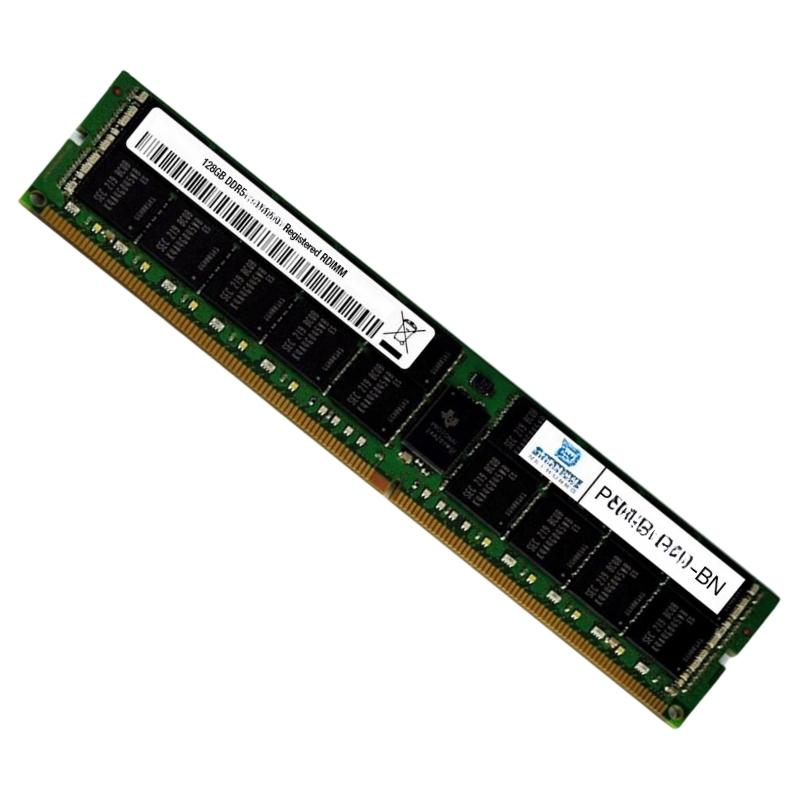
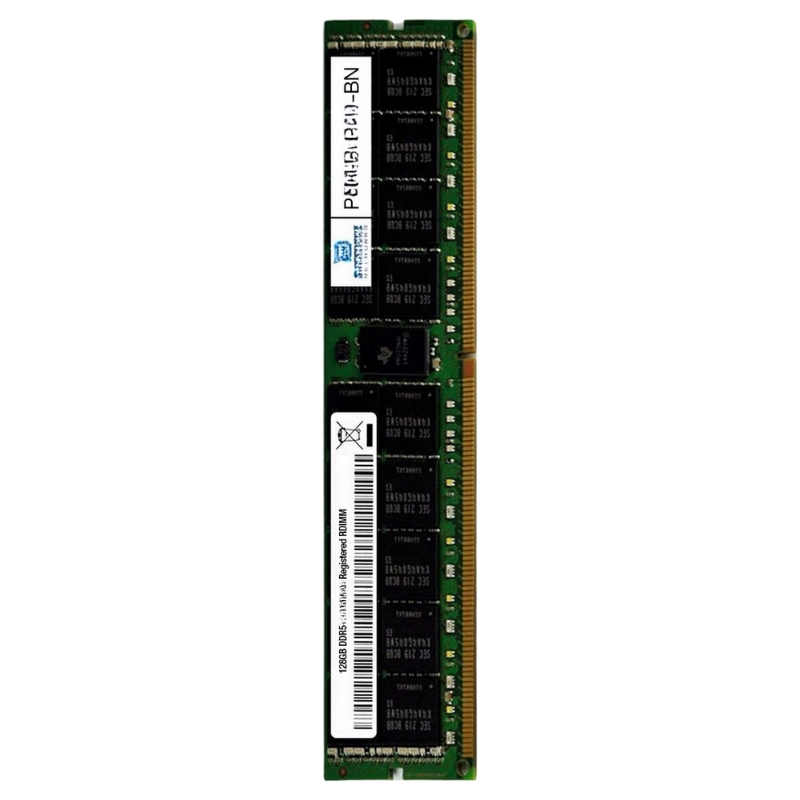
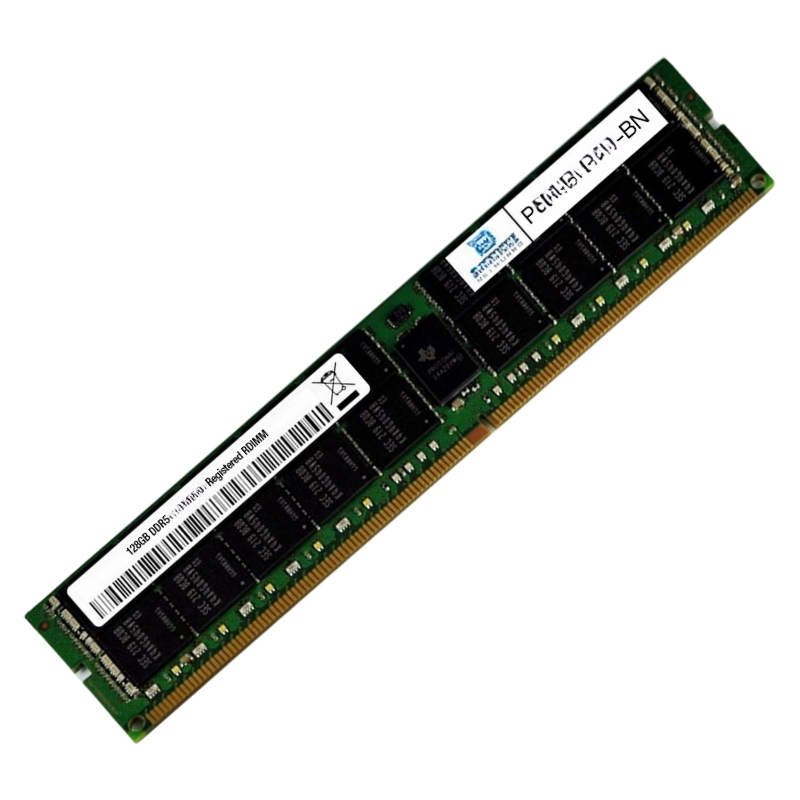
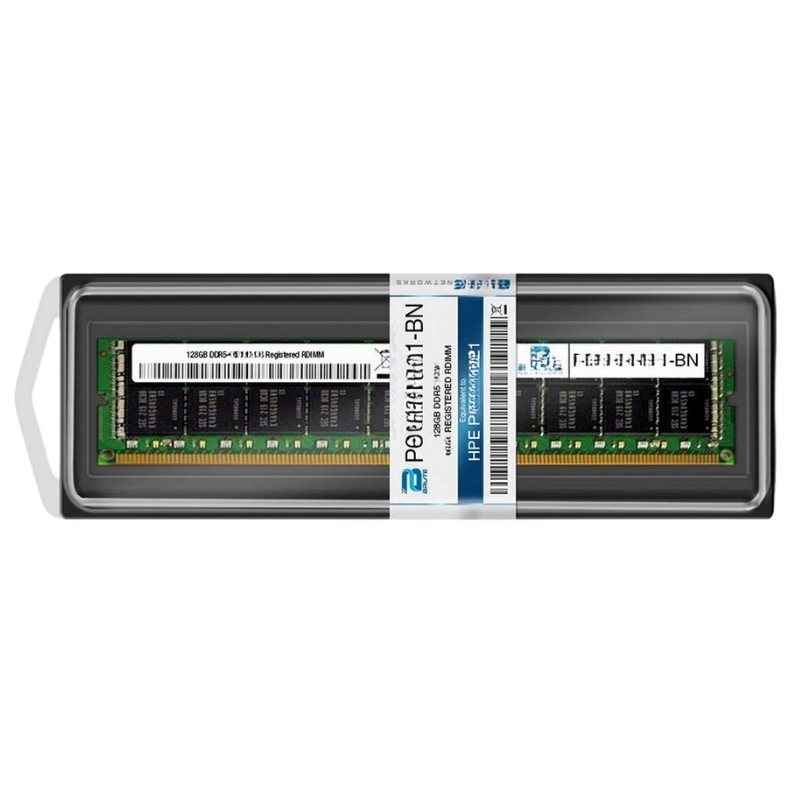
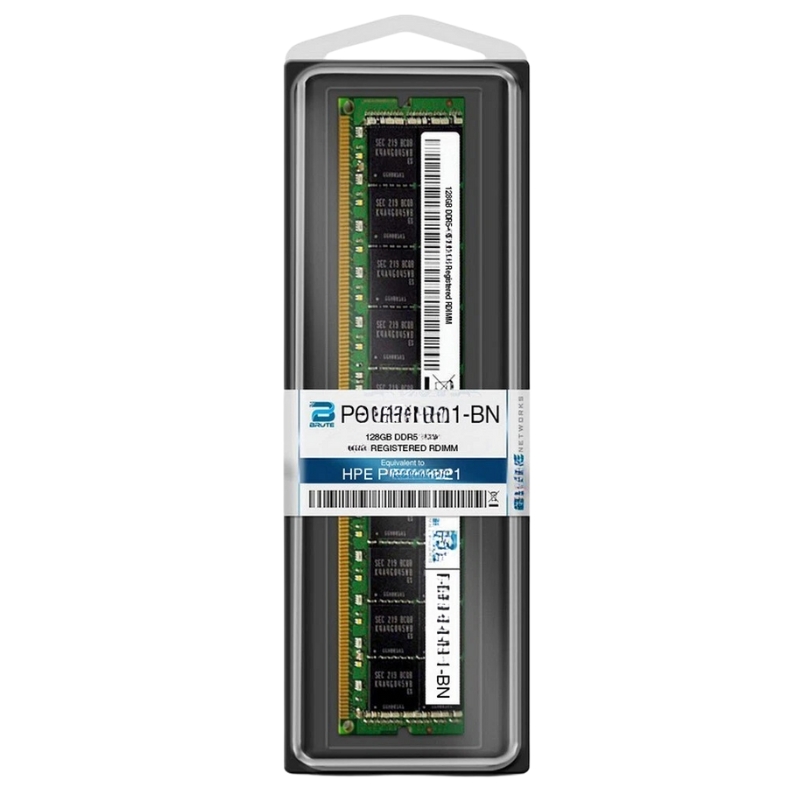
HPE P69974-B21 128GB 4800mt/s Pc5-38400 Cl40 Ecc Ec8 Registered Dual Rank Ddr5 Sdram 288-pin Rdimm Smart Memory. New Sealed in Box (NIB) with 3 Years Warranty
The HPE P69974-B21 128GB 4800MT/s PC5-38400 CL40 ECC EC8 Registered Dual Rank DDR5 SDRAM 288-pin RDIMM Smart Memory represents a leap forward in server memory technology. As part of HPE's cutting-edge DDR5 Smart Memory lineup, this module is purpose-built for enterprise-grade workloads and next-generation server infrastructures. Designed for HPE Gen11 servers and beyond, this memory module provides the speed, capacity, and reliability needed for data centers, cloud computing, virtualization, and AI-intensive applications.
DDR5 is the successor to DDR4 memory and brings substantial improvements in bandwidth, efficiency, and overall system performance. The HPE P69974-B21 leverages DDR5 technology to deliver up to 4800 MT/s, which is a significant upgrade over DDR4’s maximum transfer rates. This increase in data throughput allows servers to handle higher workloads with improved responsiveness, reduced latency, and enhanced multitasking.
With a data rate of 4800 MT/s and PC5-38400 speed classification, this memory module ensures seamless data exchange between the processor and memory. This enhanced speed is crucial for compute-intensive applications like machine learning, big data analytics, and real-time database processing.
DDR5 operates at a lower voltage than DDR4—approximately 1.1V compared to 1.2V—helping reduce overall power draw. This is especially valuable in hyperscale environments, where every watt of energy matters. Additionally, the power management integrated circuits (PMIC) on DDR5 modules allow more granular power regulation, leading to more efficient power delivery and thermal control.
The HPE P69974-B21 module is equipped with ECC (Error Correction Code) technology, which ensures data integrity and reliability by detecting and correcting single-bit memory errors. This is essential for mission-critical servers where uncorrected memory errors could lead to application failures or data corruption.
This module features an EC8 (x8) configuration, offering robust error correction capabilities that significantly reduce system crashes and downtime. In environments that demand high availability—such as cloud service providers, banks, and research facilities—this functionality is indispensable.
Being a Registered DIMM (RDIMM), this module includes a register between the memory and the system’s memory controller. This improves signal integrity and reduces electrical load, enabling higher capacity and stability in multi-DIMM systems. It's especially beneficial in large-scale deployments with multiple memory modules per channel.
HPE Smart Memory modules are validated and optimized for HPE servers, delivering unmatched reliability and performance. The P69974-B21 module is no exception—it offers a range of proprietary features and firmware-level enhancements that ensure compatibility and efficiency within HPE systems.
Each HPE Smart Memory module undergoes rigorous testing and qualification across a wide range of applications and workloads. This ensures that the memory is free from defects, provides consistent performance, and meets HPE’s standards for enterprise deployment. Unlike third-party memory, Smart Memory is guaranteed to work seamlessly with HPE servers and system firmware.
The Smart Memory architecture enables integration with HPE’s management tools, such as HPE Integrated Lights-Out (iLO) and HPE OneView. These platforms allow administrators to monitor memory health, diagnose failures, and plan maintenance proactively. Smart Memory also supports real-time alerts for pre-failure conditions, enabling IT teams to reduce unplanned downtime.
This 128GB module is configured as Dual Rank, which allows more efficient access to memory banks by the system. Dual Rank configurations balance capacity and performance by enabling parallel memory access patterns, which increases the module’s bandwidth and reduces latency under heavy workloads.
While single-rank DIMMs are typically faster in lower-capacity systems, dual-rank DIMMs like the P69974-B21 offer significantly higher performance in multi-channel environments. The increased memory access lines provided by dual-rank configurations enable higher throughput, especially when paired with multi-core processors and memory-heavy applications.
The HPE P69974-B21 module is specifically designed for HPE ProLiant Gen11 and compatible systems, ensuring full interoperability and optimized system behavior. This memory is ideal for environments requiring high-density configurations, such as virtualization hosts, in-memory databases, and large-scale web applications.
This RDIMM is validated for use in a wide array of HPE server platforms. Key compatible systems include HPE ProLiant DL380 Gen11, DL360 Gen11, and other Gen11 models. Compatibility is ensured through firmware integration and Smart Memory BIOS settings, reducing setup complexity and error risk.
Featuring a standard 288-pin layout, the P69974-B21 module is physically compatible with motherboards and sockets designed for DDR5 RDIMMs. The precise pin configuration ensures a secure and stable electrical connection, vital for maintaining signal integrity during high-frequency data transfers.
With a massive 128GB capacity per module, the HPE P69974-B21 enables enterprises to scale memory capacity without sacrificing DIMM slots. High-density modules reduce the total number of modules needed, saving space, reducing heat, and optimizing power usage—all while leaving room for future upgrades.
High-density memory modules are increasingly important in today’s compact server environments, especially for virtualization and in-memory computing. Fewer modules at higher capacity reduce physical and thermal constraints, improving airflow and overall system reliability.
Choosing a high-capacity DDR5 RDIMM like this Smart Memory module is a strategic investment in future scalability. As workloads increase in complexity and data processing demands rise, organizations will benefit from having extra memory headroom to maintain system performance without needing immediate hardware upgrades.
The HPE P69974-B21 module is engineered with a high-efficiency heat spreader that helps dissipate heat effectively during high-bandwidth operations. Maintaining proper thermal control is critical to preserving the integrity of server components, especially in high-density memory configurations.
When deploying multiple high-density RDIMMs, ensure your server has adequate airflow and cooling. HPE Smart Memory modules are designed to function within specific thermal envelopes and work optimally when used in conjunction with HPE's recommended cooling configurations.
Through HPE iLO and OneView, administrators can monitor real-time temperature data for each DIMM. Smart Memory modules are equipped with thermal sensors that provide granular temperature data, enabling dynamic cooling responses and proactive failure prevention.
The P69974-B21 supports advanced firmware protection mechanisms that prevent unauthorized access and tampering. Smart Memory integrates with HPE’s Silicon Root of Trust, providing cryptographic security at the hardware level to protect sensitive data and system firmware.
During server boot-up, the memory initialization process is validated against trusted firmware, ensuring secure and authenticated system startup. This safeguards against potential firmware-level attacks or supply chain threats.


 Contact Us
 Information
 Catalog
 Solid State Drives (SSD)
 Network Switches
 Hard Disk Drives
 HBA & Controllers
 PC & Servers
 PC & Server Memory
 CPU & Processors
 Network Routers
 Power Supplies
 Tape Drives & Libraries
 Network Devices
 Computer & Network Cables