Memory Overview
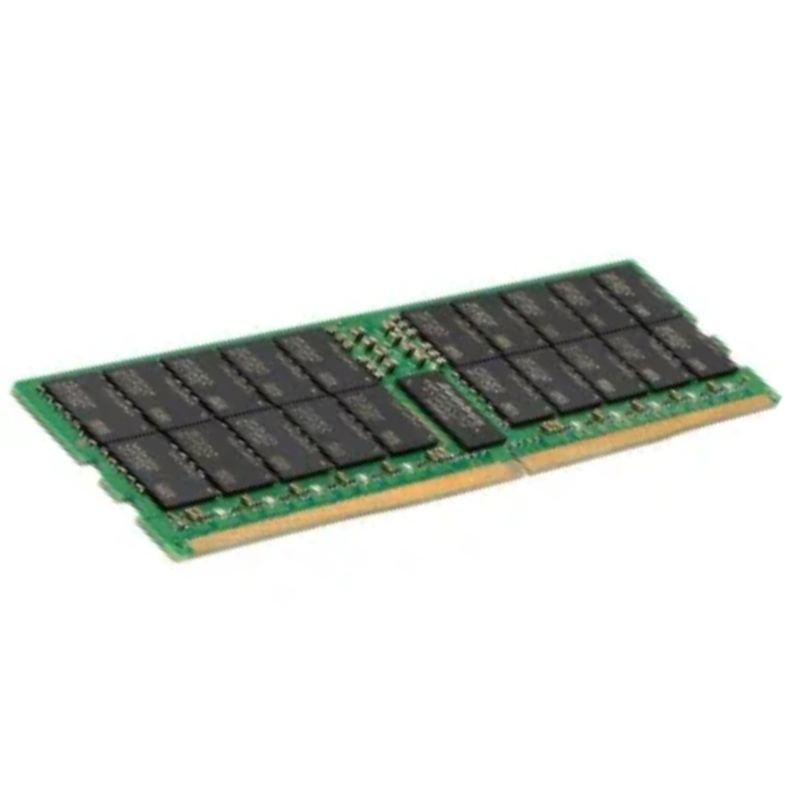
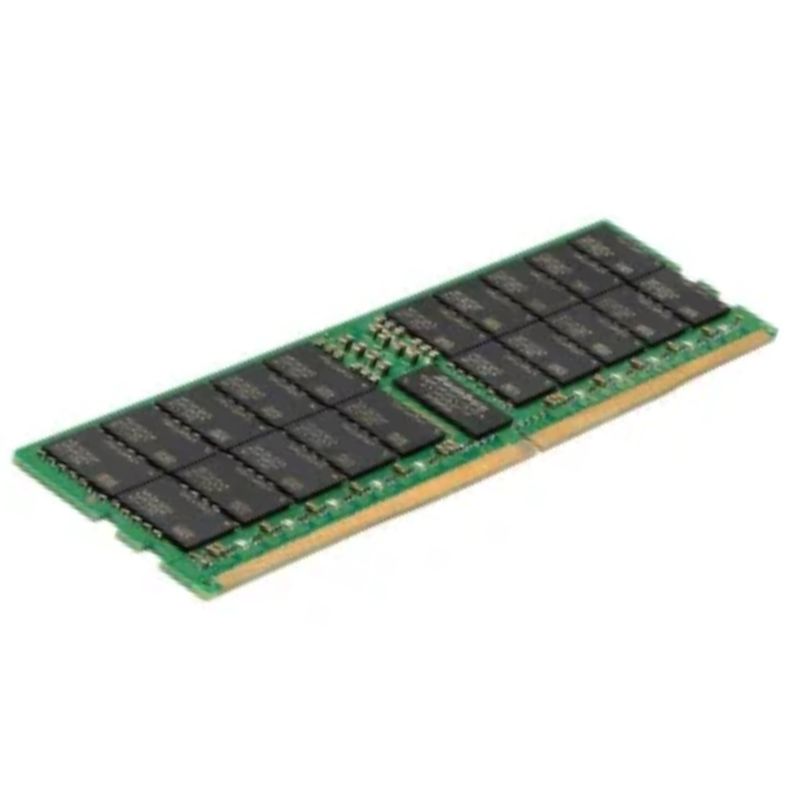
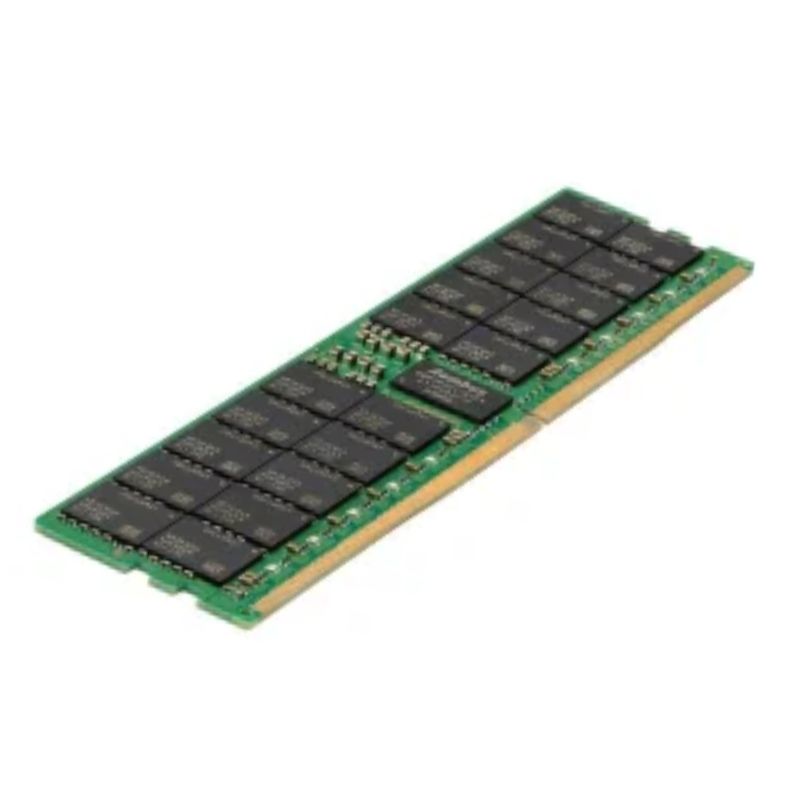
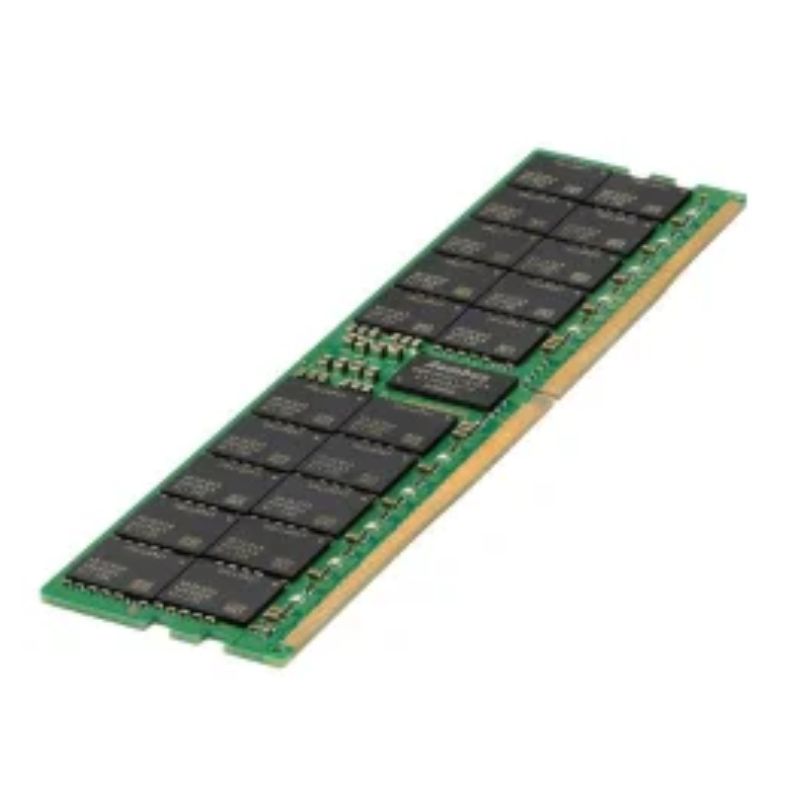
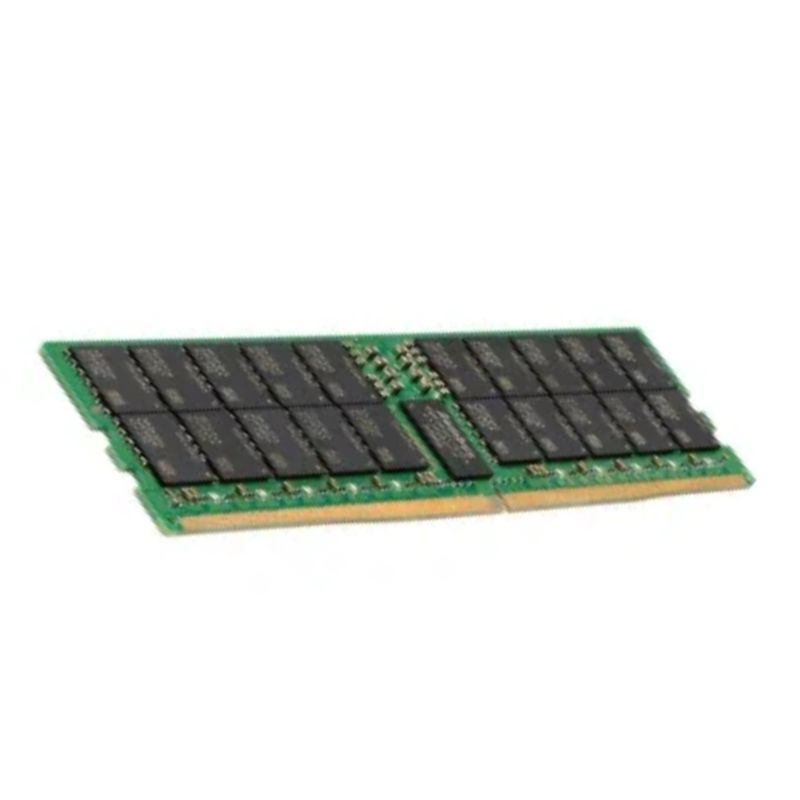
Upgrade your HPE server performance with the high-capacity 128GB DDR5 SDRAM module. Engineered for enterprise-grade reliability, this memory module ensures seamless multitasking and optimized system responsiveness.
Main Specifications
- Brand: Hewlett Packard Enterprise (HPE)
- Part Reference: P69979-0C1
- Product Type: RAM Module
Technical Features
- Memory Type: DDR5 SDRAM
- Capacity: 128GB
- Speed: 5600MT/s
- Form Factor: RDIMM
- ECC Support: Yes, 2Rx4
- Voltage: 1.1V
- Module Height: Standard HPE server DIMM height
- Compatibility: HPE ProLiant Gen11 Servers and select HPE storage solutions
- Temperature Range: Operating: 0°C to 85°C, Non-operating: -55°C to 100°C
- MTBF: 2 million hours
Supported HPE Systems
- HPE ProLiant Gen11 server series
- HPE Apollo systems for high-performance computing
- AMD-powered HPE enterprise servers
HPE 128GB PC5-44800 DDR5-5600MT/s 2Rx4 ECC Memory
This category focuses on the P69979-0C1 HPE 128GB PC5-44800 DDR5-5600MT/s 2Rx4 ECC Memory modules, a premium enterprise-grade memory solution engineered for high-performance servers, workstations, and data centers. Designed to meet the rigorous demands of modern computing environments, these DDR5 memory modules deliver exceptional speed, reliability, and efficiency for mission-critical workloads. By providing robust error correction, high bandwidth, and scalable capacity, these memory modules help enterprises optimize their server performance, reduce latency, and ensure uninterrupted operations.
Key Features of P69979-0C1 HPE DDR5 Memory
The P69979-0C1 offers a substantial 128GB capacity per module, enabling high-density server configurations. Large memory capacity is crucial for virtualization, in-memory databases, AI workloads, and cloud computing, where multiple applications or virtual machines run simultaneously. By leveraging these high-capacity modules, IT administrators can reduce the number of DIMM slots used while maximizing overall memory availability.
Advanced DDR5 Performance
These memory modules are based on DDR5-5600MT/s technology, which offers enhanced data transfer rates and improved bandwidth compared to DDR4. DDR5 memory supports higher frequencies and superior performance in parallel processing, data-intensive workloads, and real-time analytics. The 5600MT/s speed ensures low latency and fast memory access, which is essential for servers running large-scale applications, high-speed transaction processing, and AI inference tasks.
Error-Correcting Code (ECC) Technology
ECC memory is critical for enterprise systems where data integrity is paramount. The 2Rx4 ECC design allows the module to detect and correct single-bit memory errors automatically, preventing data corruption and system crashes. This feature is indispensable for financial systems, scientific computing, and any workload where reliability and uptime are non-negotiable.
Dual-Rank 2Rx4 Configuration
The 2Rx4 organization denotes dual-rank modules with four chips per rank, providing balanced signal integrity, improved performance, and efficient use of server memory channels. This configuration allows better interleaving across ranks, optimizing memory access patterns and reducing bottlenecks. Dual-rank modules like the P69979-0C1 are ideal for high-density server environments where maximizing memory bandwidth and maintaining system stability are critical.
Compatible Configurations
Within this category, the P69979-0C1 module falls under enterprise-grade server memory upgrades. It is designed for seamless integration with HPE ProLiant DL, ML, and Apollo servers, enabling IT professionals to expand memory without compromising stability. The subcategory also includes DDR5 modules in smaller capacities such as 16GB, 32GB, and 64GB, allowing for flexible memory scaling based on workload demands.
High-Bandwidth Memory for Data-Intensive Applications
This subcategory targets applications requiring high memory bandwidth, such as AI training, machine learning inference, video rendering, and large-scale databases. Modules like the P69979-0C1 maximize the number of memory channels used in dual-processor configurations, ensuring sustained throughput and improved application responsiveness.
Memory Solutions for Virtualization
Virtualization platforms like VMware vSphere, Microsoft Hyper-V, and Red Hat OpenShift rely heavily on large, reliable memory. The 128GB DDR5 modules in this category support multiple virtual machines per server while maintaining low latency and high error resilience. IT teams benefit from simplified memory consolidation and reduced overhead when managing virtualized infrastructure.
Enterprise-Grade Reliability and Compliance
Modules in this subcategory are rigorously tested for HPE server compatibility and adhere to industry standards, including JEDEC DDR5 specifications. ECC error correction, thermal monitoring, and extensive validation ensure compliance with enterprise IT policies. Organizations can confidently deploy these modules in production environments without worrying about unexpected downtime or system instability.
Performance Advantages
Compatibility and Deployment Considerations
The P69979-0C1 memory module is certified for use with HPE ProLiant Gen11 servers, including DL, ML, and Apollo models. Compatibility ensures seamless integration, automatic recognition by the system BIOS, and optimized performance through HPE’s Smart Memory features. IT teams should verify server specifications and firmware versions to ensure full module compatibility.
Memory Channel Optimization
For maximum performance, memory should be installed according to the server manufacturer’s channel guidelines. Dual-rank modules like P69979-0C1 are ideal for populating multiple channels evenly, ensuring balanced memory bandwidth and reduced latency. Proper channel configuration is essential for workloads that require high-speed access to large datasets.
Environmental and Operational Guidelines
These modules operate efficiently within standard temperature ranges and meet JEDEC DDR5 standards. Adequate airflow within server racks, regular firmware updates, and adherence to HPE installation guidelines ensure the longevity and reliability of memory modules in production environments.
Use Cases
In enterprise data centers, high-capacity DDR5 memory modules allow for denser server configurations without sacrificing performance. Applications such as cloud computing, virtualization, and database management benefit from reduced server footprints while maintaining high-speed memory access and robust error correction.
High-Performance Computing (HPC)
For HPC workloads, including AI training, scientific simulations, and big data analytics, the P69979-0C1 module provides both speed and capacity. Large datasets can be processed more efficiently, reducing computation times and enabling researchers and data scientists to achieve results faster. ECC memory ensures the accuracy and reliability of critical computations.
Enterprise Virtualization
Enterprises running multiple virtual machines per server require substantial memory allocation. The 128GB DDR5 modules support high-density virtualization, reducing the need for additional servers while ensuring reliable memory performance. IT administrators can deploy more VMs per host, improving server utilization and operational efficiency.
Machine Learning Workloads
Artificial intelligence and machine learning workloads demand rapid memory access and high throughput. The DDR5-5600MT/s speed and dual-rank configuration of P69979-0C1 modules accelerate model training, improve inference speed, and provide sufficient memory for large neural network datasets. Reliable ECC protection ensures data integrity during complex computations.
Proper Handling
Always handle memory modules with anti-static precautions. Avoid touching the gold contacts and follow HPE installation instructions to ensure safe and successful deployment. Static discharge can permanently damage sensitive DDR5 memory components.
Firmware and BIOS Updates
Keep server firmware and BIOS up to date to ensure that the P69979-0C1 modules are recognized correctly and run at optimal speed. HPE Smart Memory features may require specific firmware versions to unlock advanced performance and reliability capabilities.
Regular Monitoring
Use HPE monitoring tools to track memory health and performance. Error correction events, temperature fluctuations, and voltage variations should be logged regularly to prevent potential downtime. Routine monitoring ensures long-term reliability and maintains system stability in mission-critical environments.





 Contact Us
 Information
 Catalog
 Solid State Drives (SSD)
 Network Switches
 Hard Disk Drives
 HBA & Controllers
 PC & Servers
 PC & Server Memory
 CPU & Processors
 Network Routers
 Power Supplies
 Tape Drives & Libraries
 Network Devices
 Computer & Network Cables