(7% discount is applied at checkout)
Cart is empty
Your go-to destination for cutting-edge server products
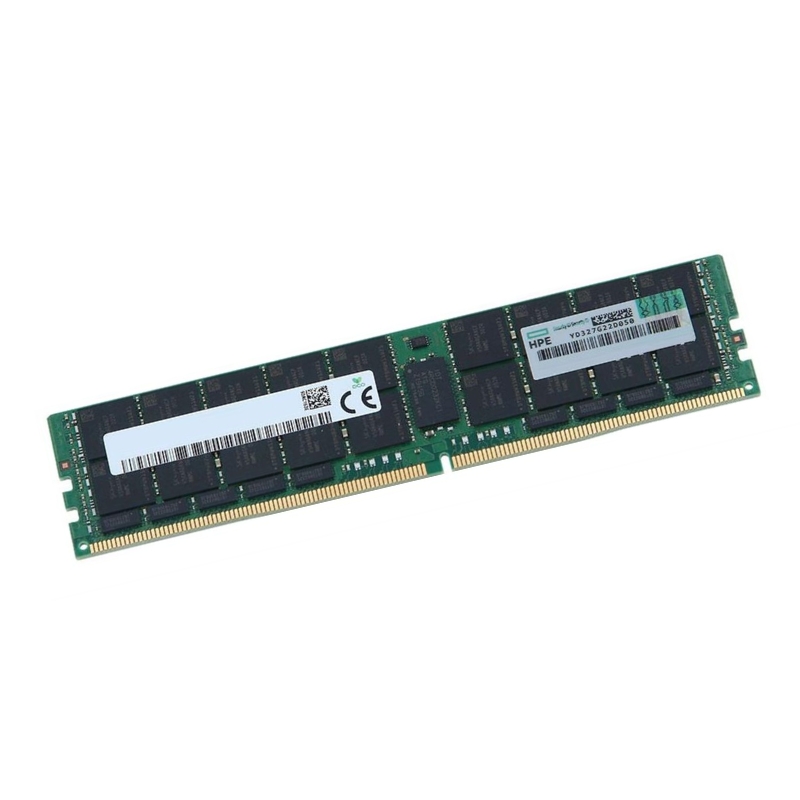


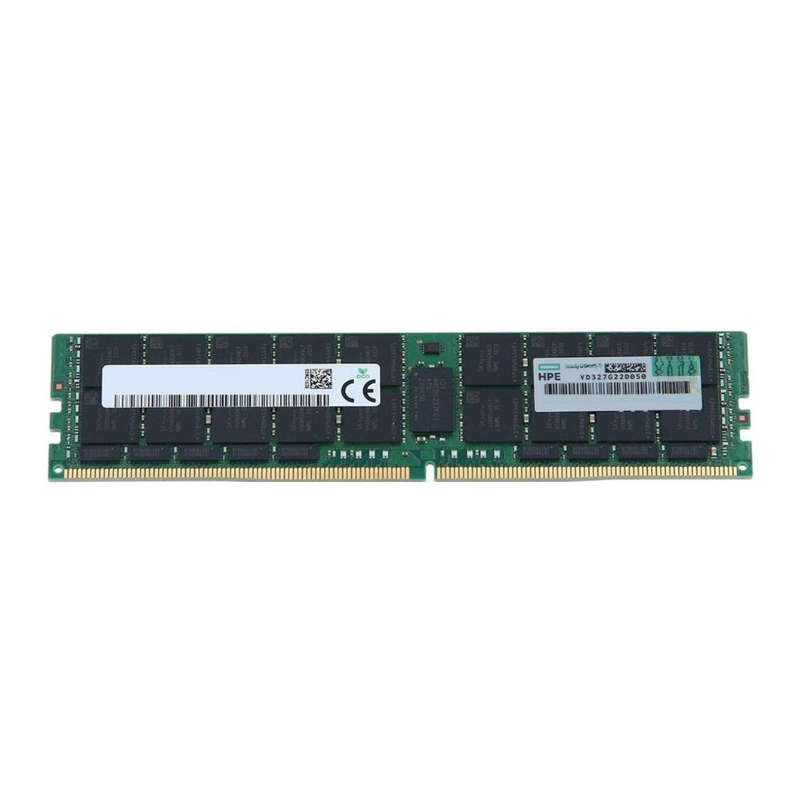
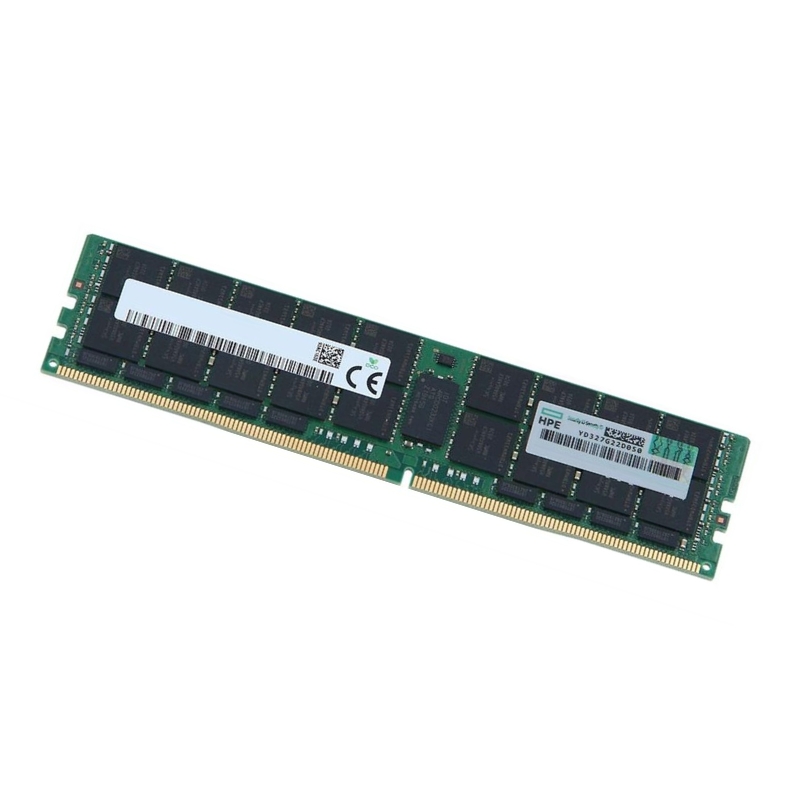
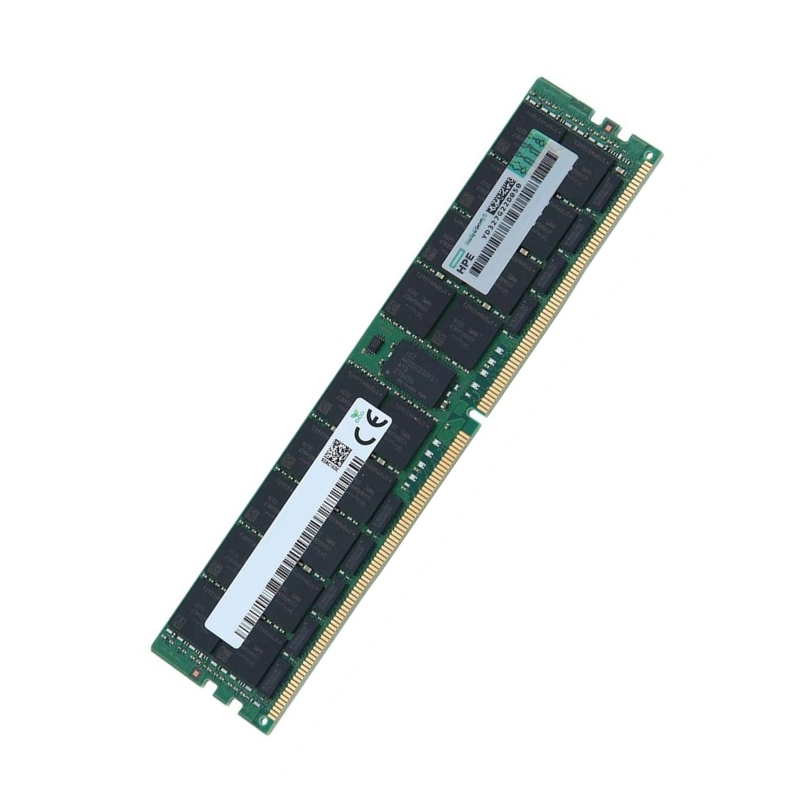
HPE P70963-001 64GB PC5-44800 DDR5-5600MHz 2Rx4 ECC Registered CL46 288-pin Rdimm Memory. Factory-Sealed New in Original Box (FSB) with 3 Years Warranty - Call
The HPE P70963-001 64GB DDR5 Smart Memory Kit is engineered for modern enterprise servers that require outstanding speed, stability, and scalability. Designed for demanding workloads, this high-capacity DDR5 RDIMM module delivers advanced memory bandwidth, optimized latency, and improved power efficiency for next-generation data center environments. Featuring 5600MT/s memory speed, PC5-44800 bandwidth, and ECC Registered technology, this server memory module helps businesses maximize virtualization performance, cloud computing operations, database management, AI workloads, and mission-critical enterprise applications.
Physical Characteristics
The HPE P70963-001 64GB PC5-44800 DDR5-5600MHz 2Rx4 ECC Registered CL46 288-pin RDIMM memory module is engineered to deliver advanced performance, improved bandwidth efficiency, and enterprise-class reliability for modern server infrastructures. Built specifically for demanding data center workloads, this DDR5 registered DIMM module provides substantial memory capacity while maintaining exceptional signal integrity and operational stability. Organizations deploying virtualization platforms, database clusters, cloud applications, artificial intelligence environments, and high-density enterprise computing systems can benefit from the advanced architecture integrated into this HPE memory solution.
DDR5 technology represents a significant advancement over previous-generation DDR4 memory by offering higher transfer speeds, greater bandwidth efficiency, improved power management, and increased memory density. The HPE P70963-001 utilizes DDR5-5600MHz architecture to deliver superior performance for enterprise servers operating in highly demanding environments. The PC5-44800 specification indicates a theoretical peak bandwidth of approximately 44.8GB/s, enabling rapid communication between processors and system memory. This increased throughput improves server responsiveness during memory-intensive operations such as virtualization, large-scale database management, real-time analytics, and enterprise application hosting. Modern processors depend heavily on high-speed memory channels to avoid performance bottlenecks, making DDR5 memory essential for next-generation server deployments.
The 64GB capacity of the HPE P70963-001 RDIMM module provides substantial memory resources for modern enterprise servers. Large-capacity memory modules are increasingly necessary in environments where applications demand significant RAM allocation, including virtualization hosts, in-memory databases, cloud platforms, enterprise resource planning systems, and machine learning applications. Virtualization infrastructures especially benefit from high-capacity RDIMM modules because they allow administrators to increase virtual machine density while maintaining optimal application performance. Each virtual machine consumes memory resources independently, and larger memory modules enable better consolidation ratios across physical hosts. This helps organizations reduce hardware footprint, improve power efficiency, and simplify infrastructure management.
Error Correction Code technology is a critical feature in enterprise-grade memory modules. The HPE P70963-001 integrates ECC functionality to detect and correct memory errors automatically before they impact system stability or data integrity. In enterprise computing environments where uptime and reliability are essential, ECC memory significantly reduces the risk of data corruption caused by transient electrical interference, cosmic radiation, or signal integrity issues. ECC memory continuously monitors data integrity during memory operations. When minor single-bit errors occur, the ECC mechanism corrects them automatically without interrupting system operation. This proactive error correction improves server reliability and minimizes unexpected crashes or application failures. For businesses handling financial transactions, customer databases, scientific computing, or cloud services, ECC protection is essential for maintaining operational continuity.
The registered DIMM design improves memory stability and scalability by buffering control signals between the memory controller and DRAM modules. RDIMM architecture reduces electrical load on the server memory controller, allowing systems to support larger memory capacities and more populated DIMM configurations without compromising reliability. In enterprise servers with multiple processors and extensive memory channels, signal integrity becomes increasingly important. Registered memory modules like the HPE P70963-001 help maintain stable communication between system components, especially in configurations utilizing numerous DIMMs across multiple memory banks.
The DDR5-5600MHz operating speed provides substantial performance improvements for enterprise applications that require rapid memory access and efficient data processing. Higher memory frequencies increase available bandwidth, enabling processors to retrieve and process data more quickly during demanding workloads. Applications such as artificial intelligence modeling, high-performance computing, virtualization, and cloud orchestration benefit directly from faster memory speeds. Modern multi-core processors generate significant memory traffic, and DDR5-5600 memory helps eliminate bottlenecks that can limit computational performance.
Enterprise virtualization environments require memory modules capable of handling concurrent workloads across multiple virtual machines. The high-speed DDR5 architecture used in the HPE P70963-001 enables faster context switching, reduced latency, and improved responsiveness for hosted applications. Hypervisor platforms such as VMware, Microsoft Hyper-V, and enterprise cloud orchestration environments benefit from increased memory bandwidth because they continuously allocate and manage resources across numerous virtual workloads. Faster memory speeds improve virtual machine startup times, application responsiveness, and infrastructure scalability.
2Rx4 Dual-Rank Memory Configuration
The 2Rx4 configuration indicates that the memory module utilizes a dual-rank architecture with x4 DRAM chip organization. Dual-rank memory modules can improve memory interleaving efficiency, enabling better overall system performance under certain workloads. The memory controller can alternate between ranks to optimize data access operations and reduce idle cycles. Enterprise server platforms are designed to leverage dual-rank memory configurations for improved throughput and balanced memory performance. By distributing operations across multiple ranks, servers can achieve more efficient memory utilization and better handling of concurrent requests.
The CL46 latency specification reflects the timing characteristics of the DDR5 memory module. While higher-frequency DDR5 memory introduces increased raw throughput, latency optimization remains important for maintaining efficient response times during enterprise operations. The HPE P70963-001 balances high transfer speeds with enterprise-grade stability to ensure consistent performance across demanding workloads. Memory latency affects how quickly data can be retrieved after a request is issued. Enterprise applications handling large transactional datasets, virtualized workloads, and high-concurrency services benefit from optimized latency characteristics because they reduce delays during memory access operations.
The HPE P70963-001 features a 288-pin RDIMM form factor specifically engineered for enterprise server motherboards supporting DDR5 registered memory technology. Modern HPE server platforms utilize advanced memory channel architectures optimized for DDR5 RDIMM modules to maximize performance, scalability, and reliability. Server memory compatibility is critical for maintaining stable operation and ensuring optimal performance. HPE-certified memory modules undergo extensive validation testing to confirm compatibility with supported server platforms. This validation process helps reduce deployment risks and ensures reliable operation within enterprise infrastructures.
HPE memory modules undergo extensive qualification and validation procedures to ensure dependable operation in enterprise server environments. These validation processes include compatibility testing, thermal analysis, signal integrity verification, and long-duration stress testing under real-world workload conditions. Using validated HPE memory modules helps organizations reduce the risk of unexpected failures and compatibility issues. Enterprise environments require consistent operational stability because downtime can result in significant business disruption and financial impact.


 Contact Us
 Information
 Catalog
 Solid State Drives (SSD)
 Network Switches
 Hard Disk Drives
 HBA & Controllers
 PC & Servers
 PC & Server Memory
 CPU & Processors
 Network Routers
 Power Supplies
 Tape Drives & Libraries
 Network Devices
 Computer & Network Cables