Your go-to destination for cutting-edge server products

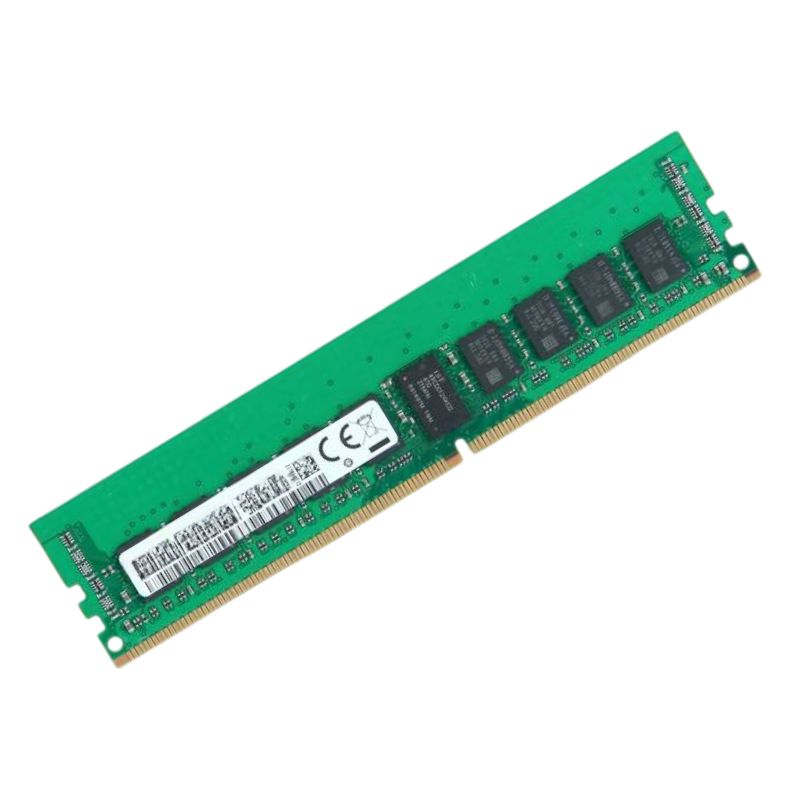
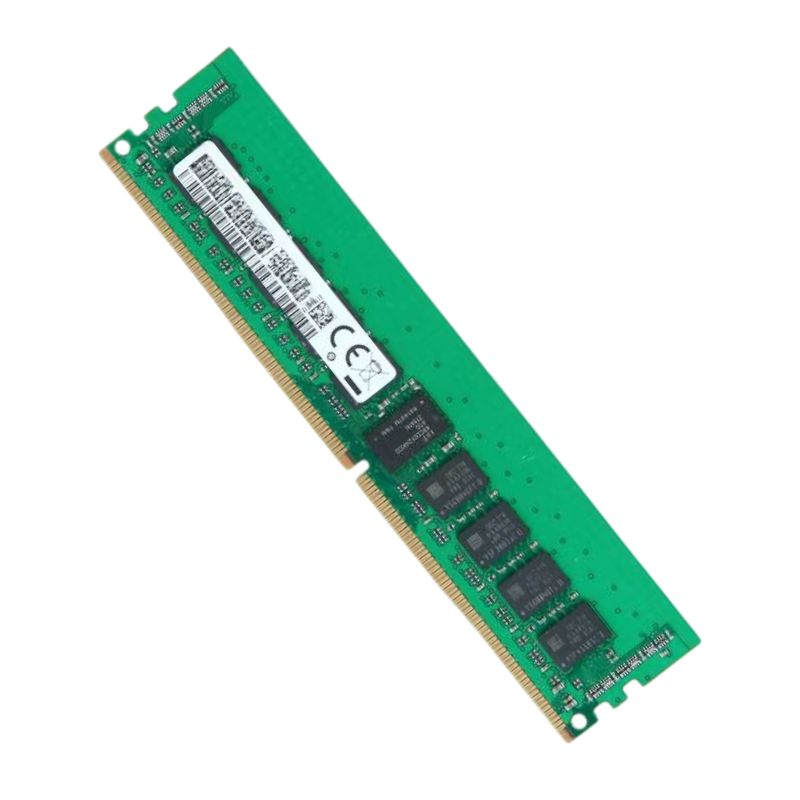
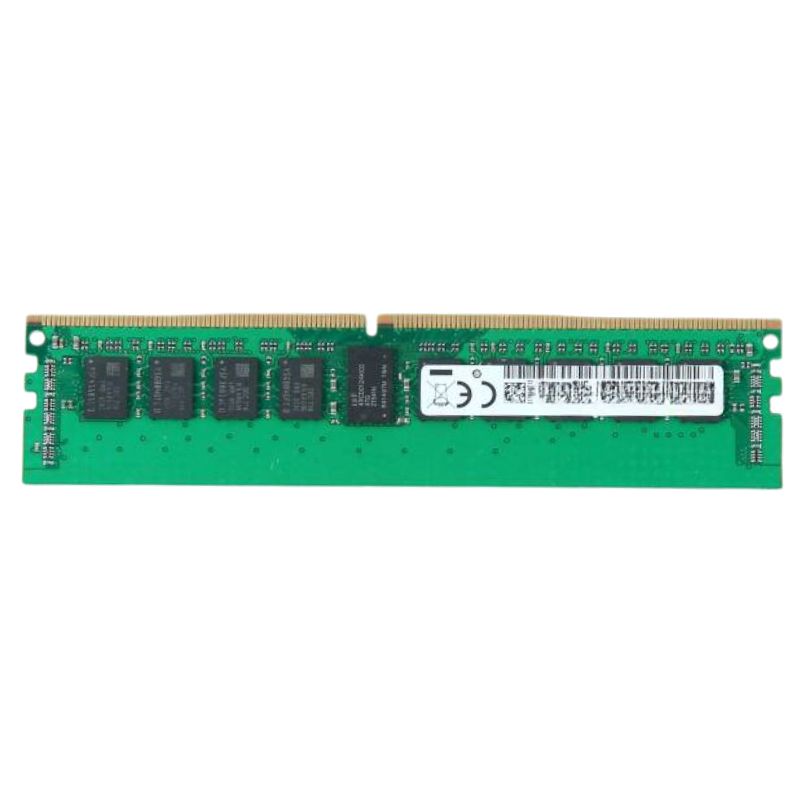
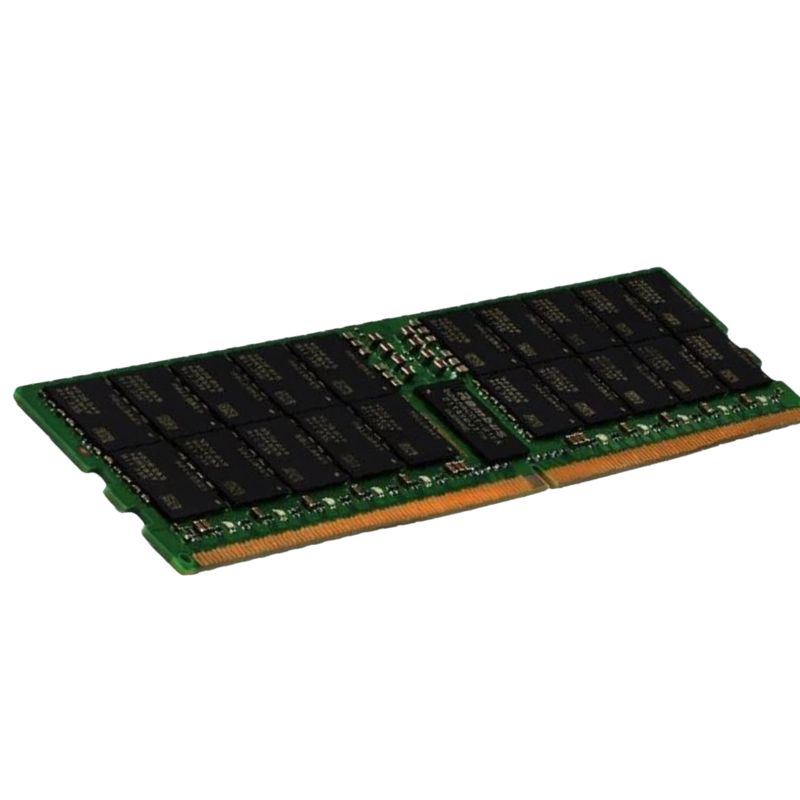
HPE P71258-001 128GB 2RX4 PC5-6400B-R Memory

P71258-001
* Product may have slight variations vs. image
Hover on image to enlarge

Brief Overview of P71258-001

HPE P71258-001 128GB Dual Rank X4 Ddr5-6400MHz Pc5-51200 Cl46 1.1v Ec8 Registered 288-pin Memory. New Sealed in Box (NIB)

Contact us for a price
Ask a question
Additional 7% discount at checkout
SKU/MPNP71258-001Availability✅ In StockProcessing TimeUsually ships same day ManufacturerHPE Product/Item ConditionNew Sealed in Box (NIB) ServerOrbit Replacement Warranty1 Year Warranty
Google Top Quality Store Customer Reviews
Our Advantages
Payment Options
  • — Visa, MasterCard, Discover, and Amex
  • — JCB, Diners Club, UnionPay
  • — PayPal, ACH/Bank Transfer (11% Off)
  • — Apple Pay, Amazon Pay, Google Pay
  • — Buy Now, Pay Later - Affirm, Afterpay
  • — GOV/EDU/Institutions PO's Accepted 
  • — Invoices
Delivery
  • — Deliver Anywhere
  • — Express Delivery in the USA and Worldwide
  • — Ship to -APO -FPO
  • For USA - Free Ground Shipping
  • — Worldwide - from $30
Description

HPE P71258-001 — 128GB DDR5 Smart Memory Kit (1×128GB)

Product 

The HPE P71258-001 is a high-capacity 128GB DDR5 Smart Memory Kit (single module, 1×128GB) engineered for enterprise servers and mission-critical systems. Built as a Dual Rank X4 registered DIMM with ECC support, this memory module runs at DDR5-6400 / PC5-51200 speeds with CAS latency CL46 and operates at an energy-efficient 1.1V.

Key specifications

  • Manufacturer: HPE
  • Part number: P71258-001
  • Capacity: 128GB (single module)
  • Memory type: DDR5 SDRAM
  • Module configuration: 1 x 128GB, Dual Rank X4
  • Speed / Bandwidth: 6400 MT/s — PC5-51200
  • Voltage: 1.1 V
  • Timing: CL46
  • Error checking: ECC (Error-Correcting Code)
  • Buffering: Registered (RDIMM)
  • Form factor / Pins: 288-pin
  • Product family: HPE Smart Memory

Performance advantages

Higher throughput and lower latency

Operating at DDR5-6400, this module delivers superior bandwidth compared with previous DDR4 generations, enabling faster data transfer for I/O-intensive workloads. The combination of high MT/s and optimized CAS timings ensures brisk memory access for databases, virtualization, and analytics.

Reliability and data integrity

Enterprise workloads demand uninterrupted uptime. The HPE P71258-001 integrates ECC and register buffering to detect and correct single-bit errors and improve signal integrity across multi-module configurations — reducing the probability of silent data corruption and system crashes.

Robust error mitigation

  • ECC corrects single-bit errors and flags multi-bit errors for system logging.
  • Registered buffering reduces electrical loading on the memory bus, improving stability for large memory arrays.
  • HPE Smart Memory features enable system-level optimization and firmware-level compatibility checks.

Compatibility and use cases

Ideal environments

This 128GB DDR5 Smart Memory module is tailored for:

  • Enterprise servers and blade systems
  • Virtualized infrastructures and hyperconverged appliances
  • High-performance databases and in-memory analytics
  • AI/ML training nodes where large capacity and bandwidth matter
  • Cloud hosting platforms and data centers requiring high reliability

System compatibility considerations

Before purchase, verify the target HPE server platform supports:

  • DDR5 registered memory (RDIMM) and 288-pin DIMMs
  • Module capacities up to 128GB per slot
  • Supported memory speed (6400 MT/s) — some platforms may auto-negotiate to lower rates
  • Firmware/system BIOS releases that list P71258-001 or compatible HPE Smart Memory parts

Compatibility checklist

  • Confirm server model and generation (HPE GenX, Synergy, ProLiant, etc.).
  • Check HPE memory population rules: slot pairing, channel population, and ranks per channel.
  • Update system BIOS/firmware to the vendor-recommended revision for DDR5 support.

Technical Characteristics

  • Capacity: 128GB per module — high-density capacity suitable for memory-heavy virtualization, in-memory databases and large-scale caching.
  • Form Factor: 288-pin DIMM — industry-standard physical interface for modern servers and workstations.
  • Topology: Dual Rank, X4 organization — optimized balance between performance and capacity.
  • Speed: DDR5-6400 (6400 MT/s) — substantial increase in throughput compared with DDR4 generations.
  • Bandwidth: PC5-51200 theoretical maximum transfer rate — ideal for data-intensive operations.
  • CAS Latency: CL46 — tuned timing to match DDR5-6400 performance characteristics.
  • Voltage: 1.1V — lower power draw versus legacy DIMMs, supporting energy-efficient server deployments.
  • Error Correction: ECC (Enterprise-class, EC8) — supports on-module error-detection and correction to protect data integrity.
  • Type: Registered (RDIMM) — offers signal stability and supports higher DIMM counts per channel in server platforms.

Performance Advantages and Architectural Benefits

DDR5-6400 modules like the HPE P71258-001 provide a pronounced uplift in raw memory bandwidth and aggregate throughput compared to earlier memory generations. This extra bandwidth benefits multi-threaded server workloads and systems that require sustained, predictable memory performance.

Bandwidth and Throughput Gains

At 6400 MT/s, the P71258-001 delivers PC5-51200 bandwidth which directly accelerates tasks such as:

  • In-memory databases (Redis, Memcached) that rely on fast memory access.
  • High-performance computing (HPC) simulations and scientific computing.
  • Large VM densities in virtualized environments (VMware, Hyper-V, KVM).
  • Real-time analytics and streaming data processing.

Reduced Power Consumption

The 1.1V operating voltage contributes to reduced power draw across larger memory arrays. In hyperscale and data center environments where hundreds or thousands of DIMMs may be deployed, lower per-module voltage compounds into tangible energy savings and lower cooling requirements.

Reliability Through ECC and Registered Design

The module’s ECC8 capabilities correct single-bit errors (and detect some multi-bit errors), essential for enterprise infrastructure where data integrity is non-negotiable. The registered (RDIMM) buffer reduces electrical loading on the memory controller allowing higher DIMM counts and better signal integrity — important when populating multiple memory channels for maximum capacity.

Compatibility and Platform Support

Compatibility is a critical consideration for server memory purchases. The HPE P71258-001 is purpose-built for HPE server platforms and validated across supported ProLiant and high-end rack and blade systems, but it also follows JEDEC DDR5 specifications which makes it compatible with other servers that accept DDR5-6400 RDIMMs and support registered ECC modules.

Use Cases and Workload Suitability

Virtualization and Consolidation

With 128GB per DIMM, administrators can substantially increase VM density per host. This reduces the number of physical servers required for a given workload, improving consolidation ratios and lowering total cost of ownership (TCO).

Database and In-Memory Processing

Database engines that keep hot working sets in memory (SAP HANA, Oracle in-memory options, NoSQL engines) see measurable performance improvements from both capacity and bandwidth increases. The dual rank design helps maintain sustained throughput under heavy concurrent accesses.

AI/ML and Data Analytics

Many AI/ML pipelines leverage large data batches or memory-mapped datasets; higher memory bandwidth reduces bottlenecks feeding GPUs or accelerators and reduces I/O waits when datasets are resident in DRAM.

Power Budgeting

Account for memory power in server power planning. 1.1V modules are more efficient than older generations, but with 128GB per slot the cumulative energy draw can be significant. Include DIMM power figures when calculating PSU sizing and rack-level power distribution.

Comparison with Other Memory Options

When selecting between memory modules, consider the tradeoffs between capacity, rank, speed, latency and cost.

DDR5-6400 vs DDR5-4800

  • Bandwidth: DDR5-6400 offers higher theoretical bandwidth than DDR5-4800, benefiting throughput-bound workloads.
  • Latency: Absolute latency (ns) may not drastically differ; CAS timings scale with frequency. CL46 at 6400MT/s is tuned for this speed tier.
  • Cost: Higher-speed modules can cost more per GB; balance budget and performance needs.

RDIMM vs LRDIMM vs UDIMM

  • RDIMM: Provides register buffering for stability with large DIMM counts. Good balance of cost and performance.
  • LRDIMM: Offers higher capacity scaling (through load-reduction techniques) but may introduce latency and additional cost.
  • UDIMM: Unbuffered memory typically reserved for desktops and some entry-level servers; not appropriate for high-density server deployments demanding ECC and reliability.

Longevity, Warranty and Support

HPE memory modules typically come with vendor-backed warranties and technical support, which is an important consideration for production deployments. Enterprise memory warranties often include:

  • Manufacturer defect coverage.
  • Compatibility and support with validated platform lists.
  • Access to firmware support resources and knowledge base articles covering DIMM-related issues.

Retain purchase documentation and record module serial numbers for warranty claims and RMA processing.

Security and Data Integrity Features

Enterprise memory such as the P71258-001 includes features focused on data integrity and reliability:


  • ECC — corrects single-bit memory errors and detects multi-bit errors to reduce data corruption risk.
  • On-Die ECC: DDR5 includes on-die ECC mechanisms that work in tandem with system-level ECC for greater error resilience.
  • SPD and SPD Locking: SPD data informs BIOS on module timings and recommended operating parameters; vendor platforms may lock SPD values for security and stability.

Comparison Checklist for Buyers

  • Does the server platform support DDR5-6400 and RDIMM modules?
  • Are firmware updates required for stable operation with high-density DIMMs?
  • Will you benefit more from higher speed (6400 MT/s) or from a larger number of lower-speed DIMMs?
  • Can the platform accommodate the required number of DIMMs to reach your target capacity per node?
  • Is ECC and registered buffering a requirement for your workload SLAs?
Features
Product/Item Condition:
New Sealed in Box (NIB)
ServerOrbit Replacement Warranty:
1 Year Warranty