(7% discount is applied at checkout)
Cart is empty
Your go-to destination for cutting-edge server products
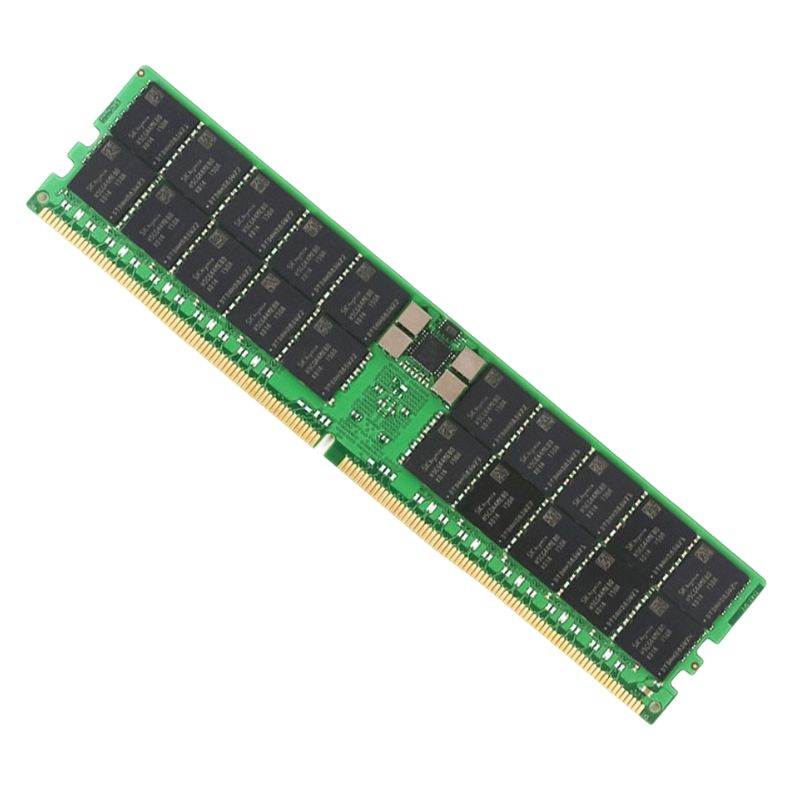


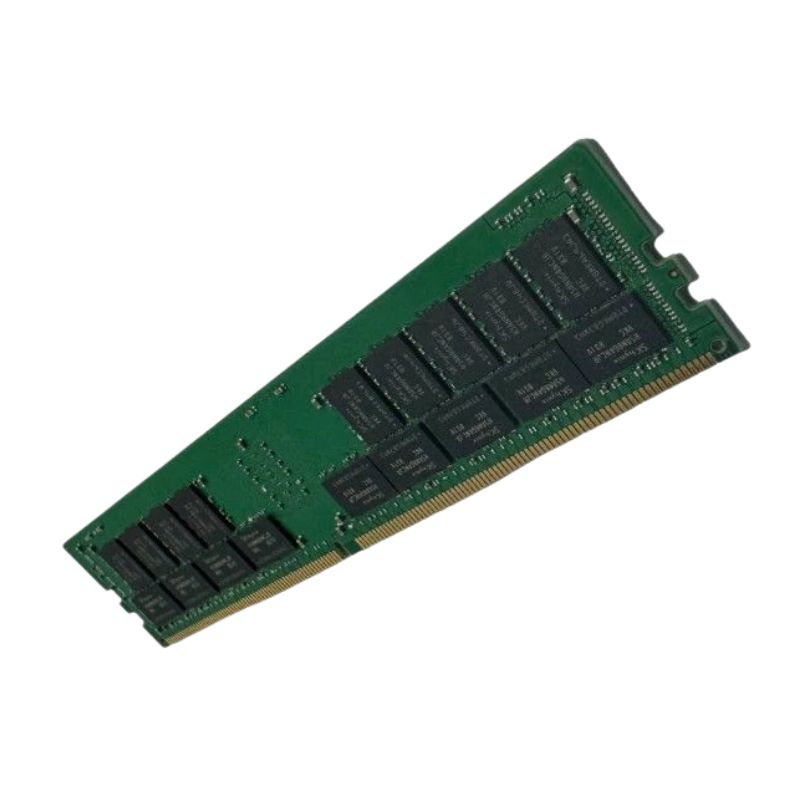
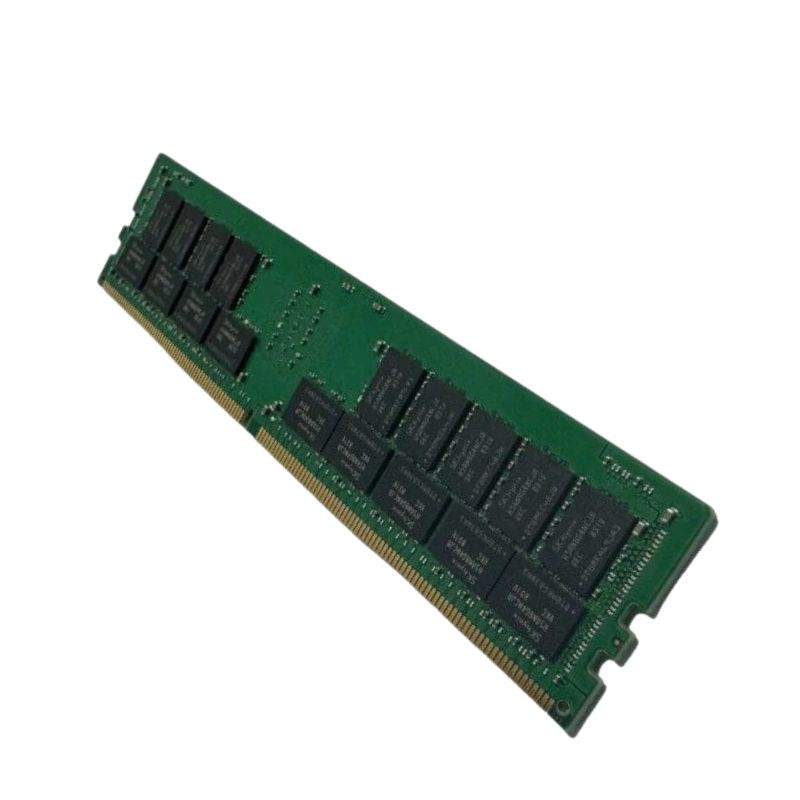
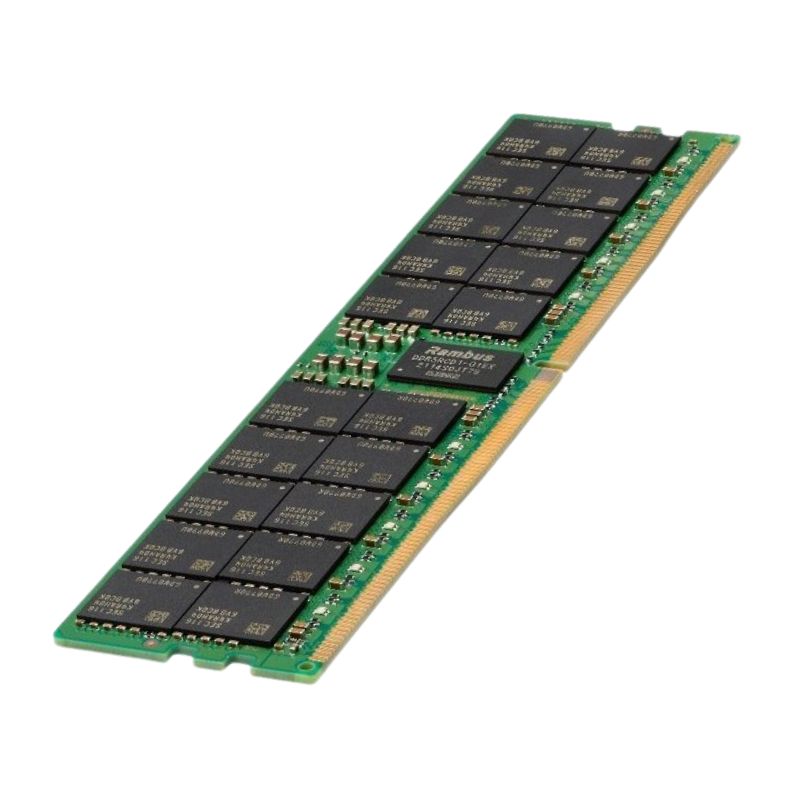
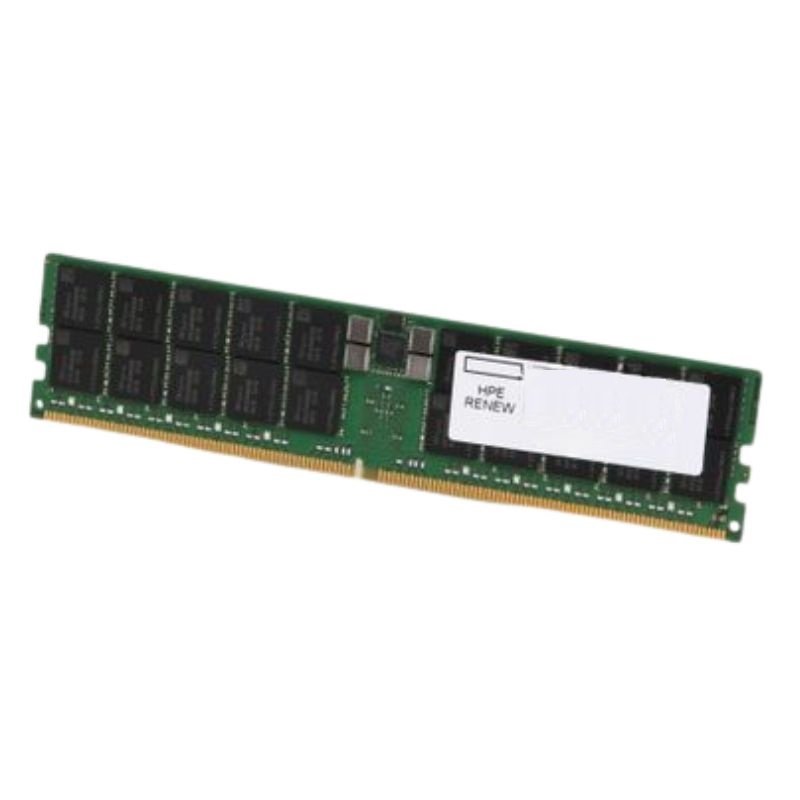
HPE P73148-B21 64GB DDR5 5600mt/s Pc5-44800 2rx4 ECC Sdram 288-pin Rdimm Ec8 Memory. New Factory-Sealed Spare with 1 Year Replacement Warranty
| SKU/MPN | Warranty | Price | Condition | You save |
|---|---|---|---|---|
| P73148-B21 | 1 Year Warranty | Contact us for a price | New Factory-Sealed Spare | |
| P73148-B21 | 1 Year Warranty | $3,408.00 | Factory-Sealed New Retail in Original Box (FSB) | You save: $1,192.80 (26%) |
HPE P73148-B21 is a 64GB (1x64GB) DDR5 5600 MT/s PC5-44800 2Rx4 ECC Registered 1.1V CL46 SDRAM 288-pin RDIMM EC8 Smart Memory Kit engineered for enterprise-grade servers and mission-critical workstations that demand dependable throughput and consistent low-latency performance.
The HPE P73148-B21 64GB DDR5 5600MT/s PC5-44800 2Rx4 ECC SDRAM 288-Pin RDIMM EC8 Memory is engineered to meet the demanding requirements of modern enterprise servers, data centers, virtualization environments, and mission-critical workloads. As next-generation DDR5 server memory, it delivers higher bandwidth, improved reliability, increased power efficiency, and enhanced scalability compared with earlier DDR4 technologies.
Organizations deploying advanced computing platforms require memory modules that support intensive workloads such as cloud infrastructure, virtualization, big data analytics, AI-driven applications, enterprise databases, and large-scale virtualization clusters. The HPE P73148-B21 RDIMM module provides the stability, performance, and reliability required by these environments while maintaining compatibility with advanced HPE server architectures.
Server memory is a critical component that directly impacts system performance, application responsiveness, and data processing speed. The HPE 64GB DDR5 5600MT/s RDIMM memory module is specifically designed for HPE enterprise servers, delivering reliable operation under heavy workloads. With advanced ECC error correction and registered memory architecture, this module ensures data integrity and system stability across demanding enterprise environments.
DDR5 memory represents the next evolution in dynamic random-access memory designed for enterprise and high-performance computing environments. Compared with DDR4, DDR5 introduces significant improvements in bandwidth, capacity scalability, power efficiency, and reliability.
The 5600MT/s transfer rate delivers faster data movement between the processor and memory modules. This increased bandwidth significantly improves application performance in memory-intensive workloads such as virtualization, data analytics, and AI processing.
DDR5 memory integrates on-module power management ICs (PMIC), enabling better voltage regulation and improved energy efficiency. This contributes to lower power consumption and improved thermal performance in dense server deployments.
DDR5 supports larger memory capacities per module, enabling organizations to scale server memory to meet demanding application requirements without increasing the number of memory slots used.
Enterprise computing environments require dependable memory solutions to prevent data corruption and system failures. The HPE P73148-B21 memory module incorporates ECC (Error-Correcting Code) technology, which detects and corrects memory errors in real time.
ECC memory is essential for mission-critical systems where even minor data errors can result in system instability, data corruption, or application crashes. ECC works by detecting single-bit errors and correcting them automatically while identifying multi-bit errors before they impact system operations.Improved system reliability, Protection against memory corruption, Reduced risk of application crashes, Enhanced uptime for enterprise servers, Critical support for virtualization and database workloads.
The HPE P73148-B21 module utilizes RDIMM technology, which includes a register between the memory controller and DRAM modules. This architecture improves signal integrity and allows systems to support larger memory capacities without sacrificing stability. mproved electrical stability, Higher memory scalability, Better support for multi-processor server platforms, Enhanced reliability for enterprise workloads, Reduced memory signal load on the CPU. The 2Rx4 configuration indicates dual-rank memory architecture using x4 DRAM chips. This design enhances parallel data processing, improving memory bandwidth and optimizing performance in data-intensive computing environments.
The HPE 64GB DDR5 5600MT/s RDIMM memory module is designed to support a wide variety of enterprise computing applications that demand high memory throughput and reliability.
Virtualization infrastructures rely heavily on memory resources to support multiple virtual machines simultaneously. High-capacity DDR5 RDIMM memory ensures optimal performance across hypervisors and virtual environments. Higher VM density, Faster application response times, Improved workload balancing, Enhanced system scalability,
Modern databases require significant memory resources to support large datasets, caching operations, and real-time analytics. DDR5 memory improves database performance by enabling faster query processing and improved data access speeds.
Cloud platforms require scalable memory architectures capable of handling dynamic workloads. The HPE P73148-B21 module provides reliable performance in cloud computing environments where consistent memory throughput is essential.
Organizations leveraging big data platforms benefit from high-speed DDR5 memory that supports rapid data processing and real-time analysis. This memory module enables faster analytics workflows, allowing businesses to derive insights more efficiently.
The HPE P73148-B21 memory module is specifically validated and optimized for compatibility with HPE enterprise server platforms. These modules undergo extensive testing to ensure seamless integration and reliable operation within HPE server ecosystems.
HPE DDR5 RDIMM memory supports advanced server processors and next-generation system architectures designed for data-intensive applications. This compatibility ensures optimal performance across HPE server platforms. Enterprise resource planning (ERP), High-performance computing (HPC), Machine learning applications, Data warehousing, Financial transaction processing.
One of the most important benefits of DDR5 technology is increased memory bandwidth. The 5600MT/s transfer rate significantly improves data throughput compared to previous DDR4 memory modules.
High-bandwidth memory allows processors to access data more quickly, reducing bottlenecks and improving overall system performance. This is particularly important in environments where servers process large volumes of data simultaneously.
Energy efficiency is a critical consideration for modern data centers. DDR5 memory modules incorporate new power management technologies that improve energy efficiency while maintaining high performance levels.
DDR5 memory integrates power management ICs directly on the module, allowing more precise voltage regulation. This results in improved power delivery and better energy efficiency across large server deployments.
As enterprise workloads continue to grow, organizations require scalable memory solutions that support long-term infrastructure expansion. The HPE P73148-B21 64GB DDR5 RDIMM module provides the capacity and performance necessary to support evolving computing requirements.
With 64GB per module, organizations can significantly expand total system memory when populating multiple DIMM slots. This enables servers to support extremely memory-intensive workloads.
Investing in DDR5 memory ensures compatibility with next-generation server technologies, allowing organizations to build infrastructure capable of supporting emerging workloads such as artificial intelligence, edge computing, and real-time analytics.
Enterprise memory modules must maintain strict standards for data integrity and reliability. ECC technology combined with HPE’s rigorous validation processes ensures that memory errors are detected and corrected before affecting system operations.
HPE Smart Memory modules undergo extensive testing and qualification to ensure compatibility and reliability with HPE server platforms. This validation process ensures consistent performance across enterprise deployments.
The HPE P73148-B21 memory module is ideal for organizations that require reliable, high-capacity server memory capable of supporting critical workloads and enterprise-level applications.
Large-scale data centers require robust memory infrastructure to handle massive workloads, virtualization platforms, and cloud services. DDR5 RDIMM memory provides the stability and performance necessary to support these environments.
Artificial intelligence and machine learning applications require high-bandwidth memory to process large datasets efficiently. The increased speed and capacity of DDR5 memory significantly improves training and inference performance.
HPC environments benefit from fast memory architectures that allow large computational workloads to run efficiently. DDR5 RDIMM memory supports these requirements with higher bandwidth and improved scalability.
Enterprise IT infrastructures require dependable hardware components that deliver consistent performance under demanding conditions. HPE server memory modules are engineered to meet these requirements through advanced engineering, rigorous testing, and optimized compatibility with HPE server platforms.
High-performance DDR5 memory enables organizations to run mission-critical workloads without bottlenecks. The HPE P73148-B21 RDIMM module ensures consistent performance across demanding enterprise applications.
By deploying enterprise-grade DDR5 memory, organizations can build scalable and future-ready server infrastructure capable of supporting modern workloads and evolving technological demands..


 Contact Us
 Information
 Catalog
 Solid State Drives (SSD)
 Network Switches
 Hard Disk Drives
 HBA & Controllers
 PC & Servers
 PC & Server Memory
 CPU & Processors
 Network Routers
 Power Supplies
 Tape Drives & Libraries
 Network Devices
 Computer & Network Cables