(7% discount is applied at checkout)
Cart is empty
Your go-to destination for cutting-edge server products
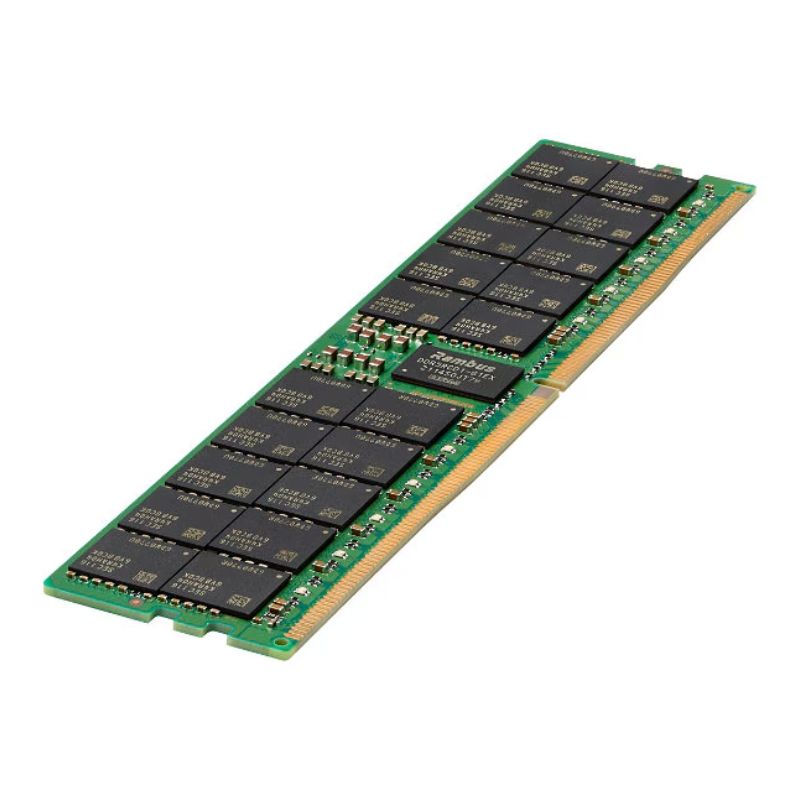


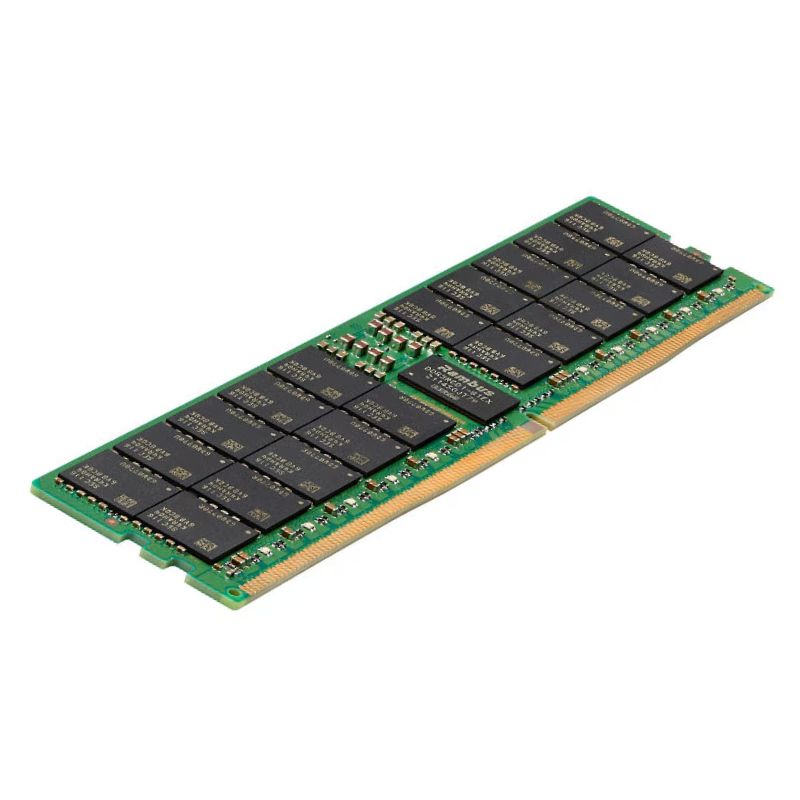
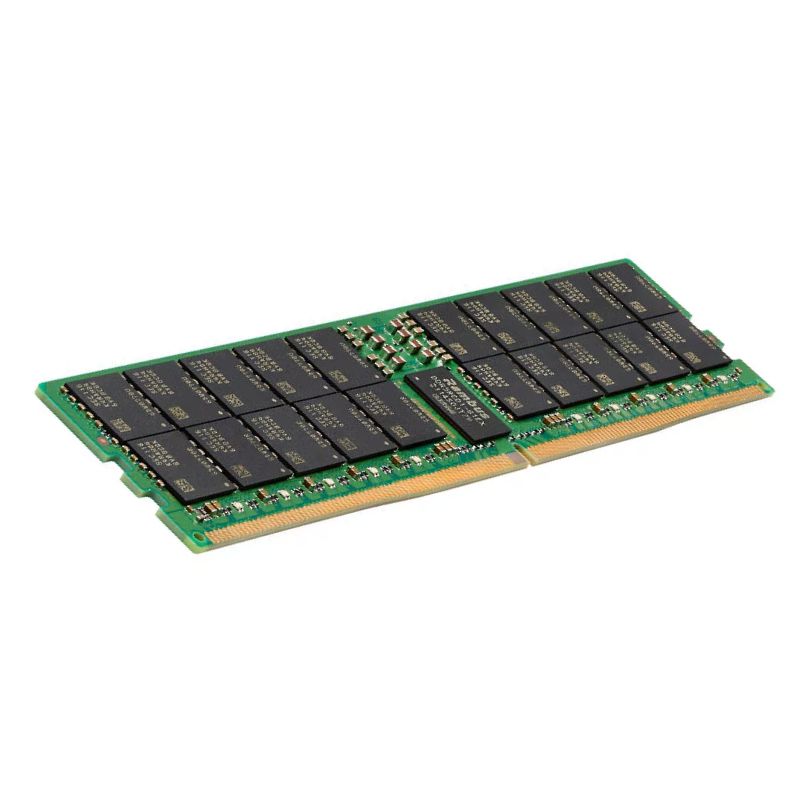
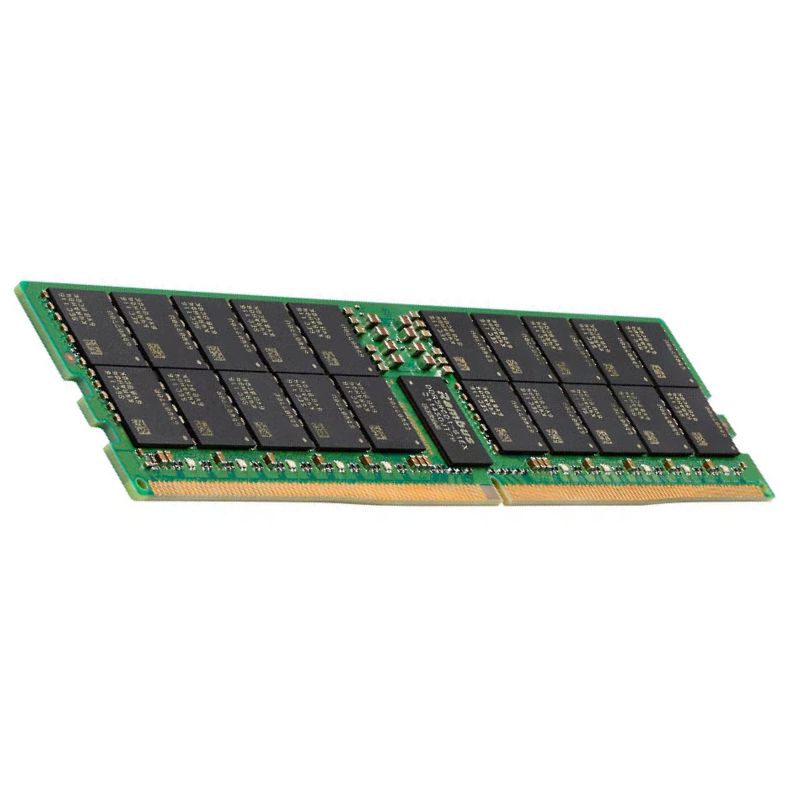
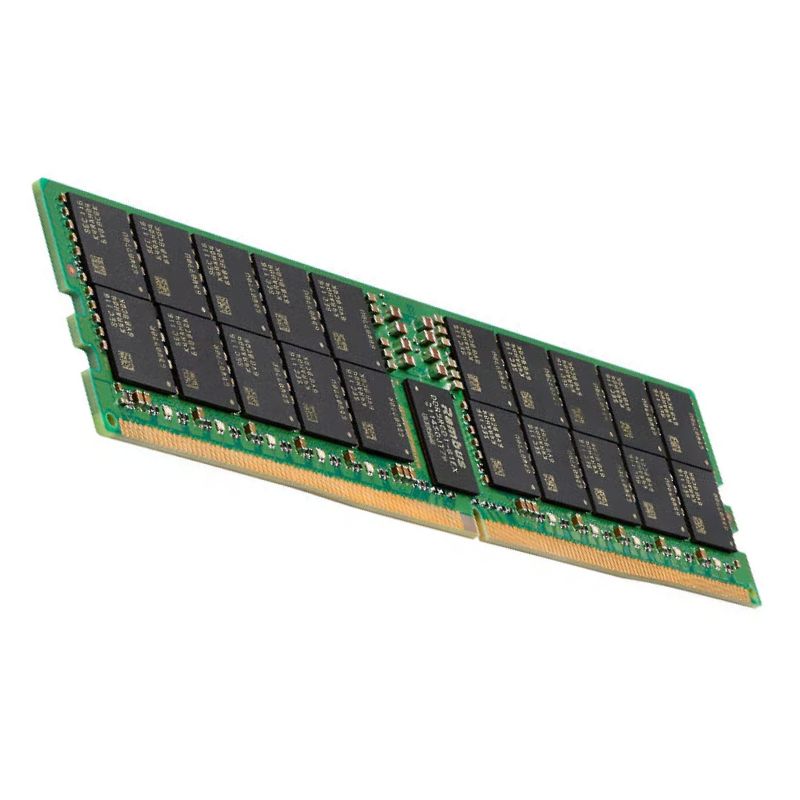
Designed for modern enterprise environments, this HPE Smart Memory module delivers a substantial 64GB capacity in a single DIMM, enabling servers to handle memory-intensive workloads with greater efficiency. Built on advanced DDR5 SDRAM architecture, it supports faster data throughput and improved power management for next-generation systems.
The P73148-K21 HPE 64GB PC5-44800 DDR5-5600MT/s 2Rx4 ECC Memory belongs to a specialized category of enterprise-grade server memory modules engineered to support modern data center workloads, mission-critical applications, and scalable cloud infrastructures. This category focuses on high-density, high-bandwidth DDR5 Registered DIMMs (RDIMMs) optimized for Hewlett Packard Enterprise servers and validated for consistent performance, reliability, and long-term operational stability.
Within this category, memory modules are designed to address the growing demands of virtualization, in-memory databases, analytics platforms, artificial intelligence, and transactional systems that require predictable latency, increased throughput, and advanced error correction. The P73148-K21 exemplifies these requirements by combining next-generation DDR5 technology with enterprise-level reliability features tailored for HPE ProLiant and HPE Synergy server environments.
DDR5 memory represents a significant leap forward from DDR4, and this category leverages those improvements to deliver superior data transfer rates. With a rated speed of 5600MT/s and PC5-44800 bandwidth, modules such as the P73148-K21 enable faster memory access for multi-core processors, reducing bottlenecks in compute-intensive workloads. Increased bandwidth is especially beneficial in environments running parallel processes, large datasets, or real-time analytics where memory performance directly impacts application responsiveness.
A defining characteristic of DDR5 server memory is the integration of on-DIMM power management. By relocating voltage regulation from the motherboard to the memory module itself, this category achieves finer-grained power control, improved signal integrity, and better overall energy efficiency. Operating at lower voltages compared to previous generations, DDR5 RDIMMs help reduce power consumption across dense server deployments, contributing to lower operating costs and improved thermal management.
DDR5 introduces a dual 32-bit sub-channel architecture per DIMM, improving memory access efficiency and concurrency. This architectural refinement allows servers to process multiple memory requests simultaneously, resulting in improved utilization of CPU resources. Memory modules in this category are designed to fully exploit this architecture, ensuring compatibility with the latest Intel Xeon and AMD EPYC processors that support DDR5 memory standards.
The 64GB capacity of the P73148-K21 places it firmly within the high-density memory segment, making it suitable for servers requiring substantial RAM footprints. This capacity supports memory-intensive workloads such as virtualization hosts running numerous virtual machines, enterprise resource planning systems, and large-scale database servers. Deploying fewer high-capacity DIMMs can also simplify memory configurations and improve airflow within server chassis.
The 2Rx4 configuration refers to the dual-rank layout and x4 DRAM chip width used in this memory category. Dual-rank modules often deliver improved performance compared to single-rank alternatives by enabling better interleaving of memory accesses. The x4 chip organization is a critical element in enterprise memory design, as it supports advanced ECC capabilities and enhances fault tolerance. This configuration is commonly required in server platforms that prioritize reliability and data integrity.
ECC memory is a foundational requirement in enterprise server environments, and this category emphasizes robust error detection and correction mechanisms. ECC functionality allows the memory module to identify and correct single-bit errors automatically while detecting multi-bit errors that could compromise system stability. This proactive protection is essential for maintaining data integrity in applications where even minor corruption can lead to significant operational risks.
Reliability, Availability, and Serviceability (RAS) features are integral to HPE-qualified DDR5 memory modules. The P73148-K21 category supports advanced RAS technologies such as memory scrubbing, demand and patrol scrubbing, and enhanced error logging. These capabilities help IT teams identify potential issues early, perform preventive maintenance, and minimize unplanned downtime in production environments.
Memory modules in this category are specifically engineered and validated for HPE server platforms. The P73148-K21 is tested extensively with HPE ProLiant rack, tower, and blade servers, as well as HPE Synergy composable infrastructure. This qualification process ensures electrical compatibility, firmware alignment, and predictable performance under sustained workloads.
HPE-qualified memory integrates seamlessly with server BIOS and firmware, enabling advanced monitoring and management features. System administrators benefit from accurate reporting of memory health, temperature, and error statistics through HPE management tools. This level of integration is critical for maintaining service-level agreements and ensuring smooth lifecycle management.
Virtualized environments place heavy demands on system memory, particularly when consolidating multiple workloads onto a single physical server. High-capacity DDR5 RDIMMs allow hypervisors to allocate sufficient memory to each virtual machine without contention. The increased bandwidth and reduced latency of this memory category improve VM performance and enable higher consolidation ratios.
Enterprise databases and in-memory platforms such as SAP HANA rely on fast, reliable memory access to process large datasets efficiently. The P73148-K21 category supports these workloads by providing consistent throughput and ECC protection, reducing the risk of data corruption and ensuring transactional integrity during peak operations.
As memory speeds and capacities increase, effective thermal management becomes increasingly important. HPE DDR5 memory modules are designed with optimized heat spreaders and materials to dissipate heat efficiently. This design helps maintain stable operating temperatures even in densely populated memory configurations and high-airflow server chassis.
Enterprise servers often operate under continuous or near-continuous load. The memory category represented by the P73148-K21 is built to withstand sustained utilization without performance degradation. Rigorous validation and stress testing ensure that modules maintain signal integrity and timing accuracy over extended periods.
Proper memory population is essential for achieving optimal performance in multi-channel server architectures. This category adheres to HPE-recommended installation guidelines, including balanced population across memory channels and adherence to supported DIMM combinations. Following these best practices ensures maximum bandwidth utilization and minimizes the risk of configuration-related issues.
High-capacity DDR5 RDIMMs provide a flexible foundation for future expansion. Organizations can start with a baseline memory configuration and scale up as workload demands grow. This scalability reduces the need for frequent hardware refreshes and supports long-term infrastructure planning.
HPE-qualified memory modules undergo comprehensive testing that includes electrical validation, environmental stress testing, and compatibility checks with supported server platforms. This rigorous process ensures that each module meets enterprise standards for reliability and performance before deployment.
Enterprise memory categories prioritize long product lifecycles and consistent availability. This stability is crucial for organizations managing standardized server configurations across multiple data centers. Long-term support and firmware compatibility help simplify maintenance and reduce the total cost of ownership.
Compared to DDR4, DDR5 server memory delivers higher bandwidth, improved power efficiency, and enhanced scalability. While DDR4 remains suitable for certain legacy systems, DDR5-based categories are increasingly preferred for new deployments that require future-proof performance and support for next-generation processors.
Within this category, memory modules are available in various capacities and speeds to match specific workload requirements. The 64GB 5600MT/s configuration strikes a balance between density and performance, making it a versatile choice for a wide range of enterprise applications.
Data integrity is a critical concern in enterprise IT environments. ECC memory plays a key role in preventing silent data corruption, which can otherwise go undetected and lead to inaccurate results or system instability. This category emphasizes robust error correction as a fundamental design principle.
Reliable memory is a foundational component of secure computing. By ensuring consistent operation and accurate data handling, enterprise DDR5 memory modules contribute to the overall security posture of the system. This reliability supports compliance with regulatory requirements and internal governance policies.
Standardizing on HPE-qualified memory modules simplifies procurement, deployment, and support processes. IT teams benefit from predictable compatibility and reduced troubleshooting time, enabling more efficient management of large server fleets.
The P73148-K21 memory category aligns with enterprise strategies focused on performance optimization, reliability, and scalability. By investing in validated DDR5 memory solutions, organizations position their infrastructure to meet current demands while remaining adaptable to future technological advancements.


 Contact Us
 Information
 Catalog
 Solid State Drives (SSD)
 Network Switches
 Hard Disk Drives
 HBA & Controllers
 PC & Servers
 PC & Server Memory
 CPU & Processors
 Network Routers
 Power Supplies
 Tape Drives & Libraries
 Network Devices
 Computer & Network Cables