(7% discount is applied at checkout)
Cart is empty
Your go-to destination for cutting-edge server products
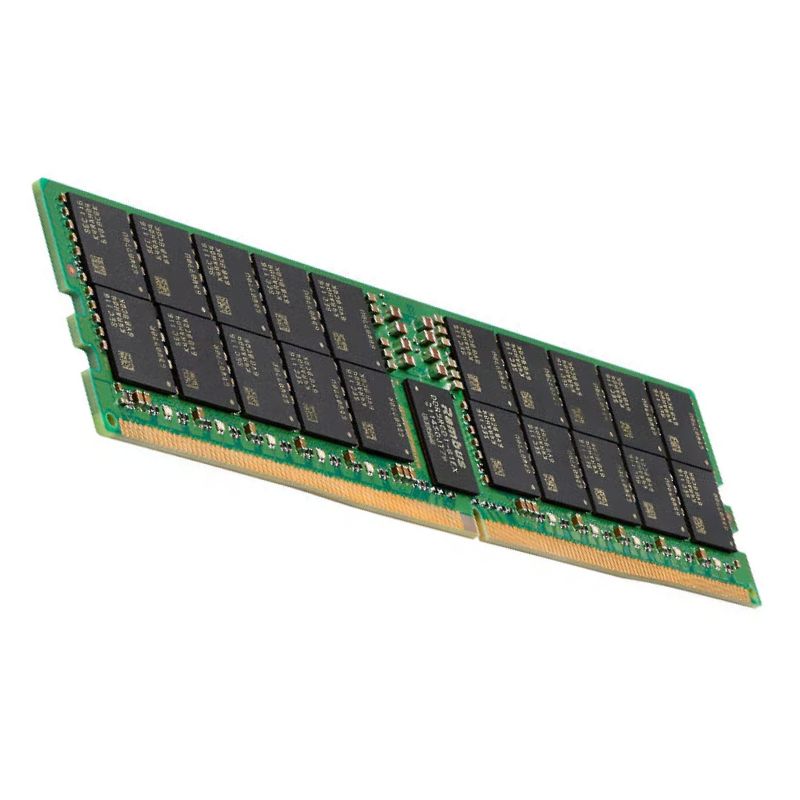


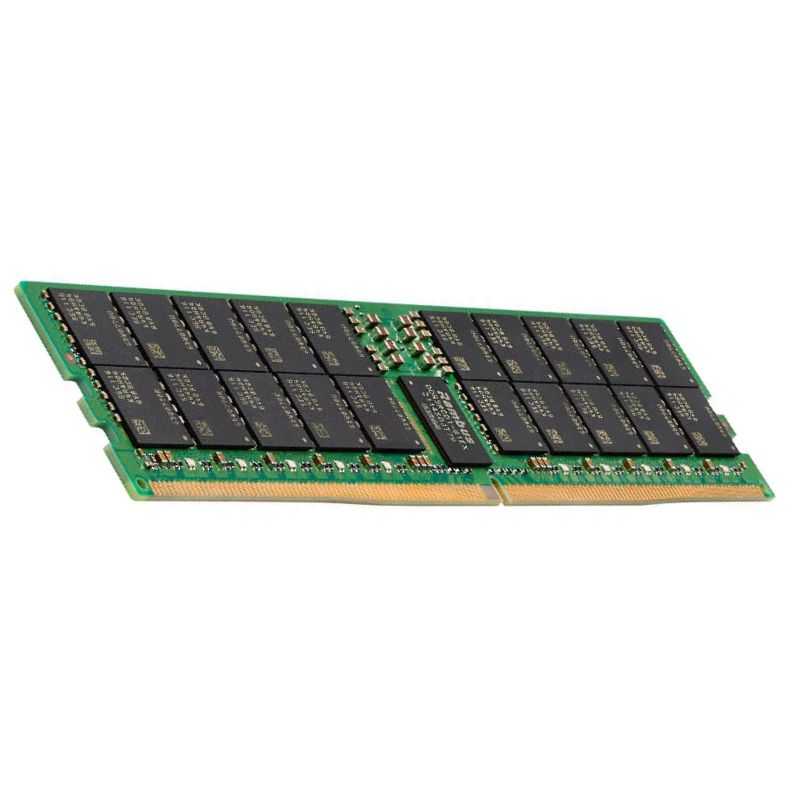
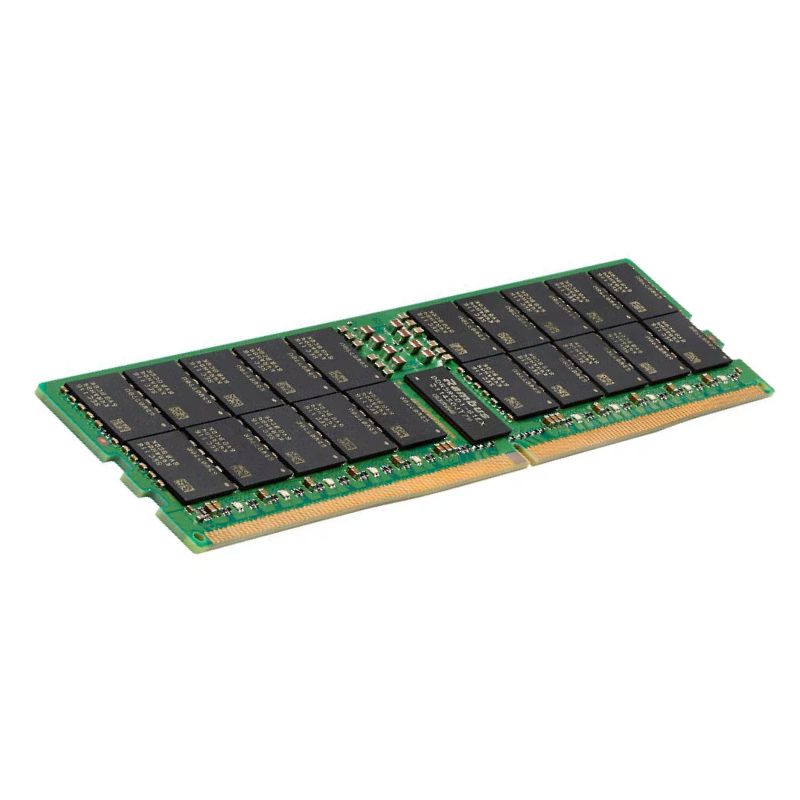
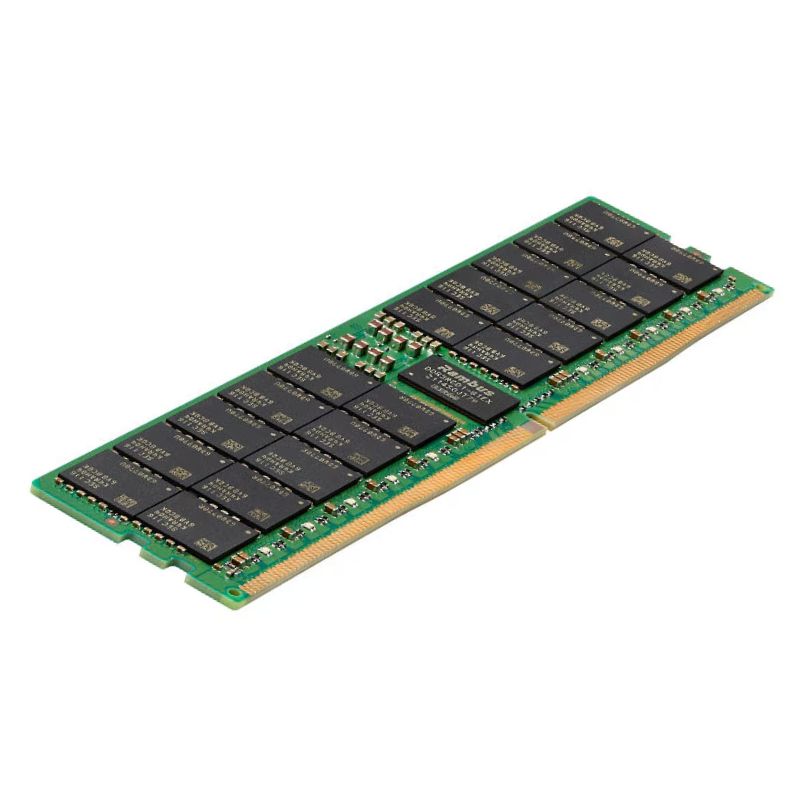
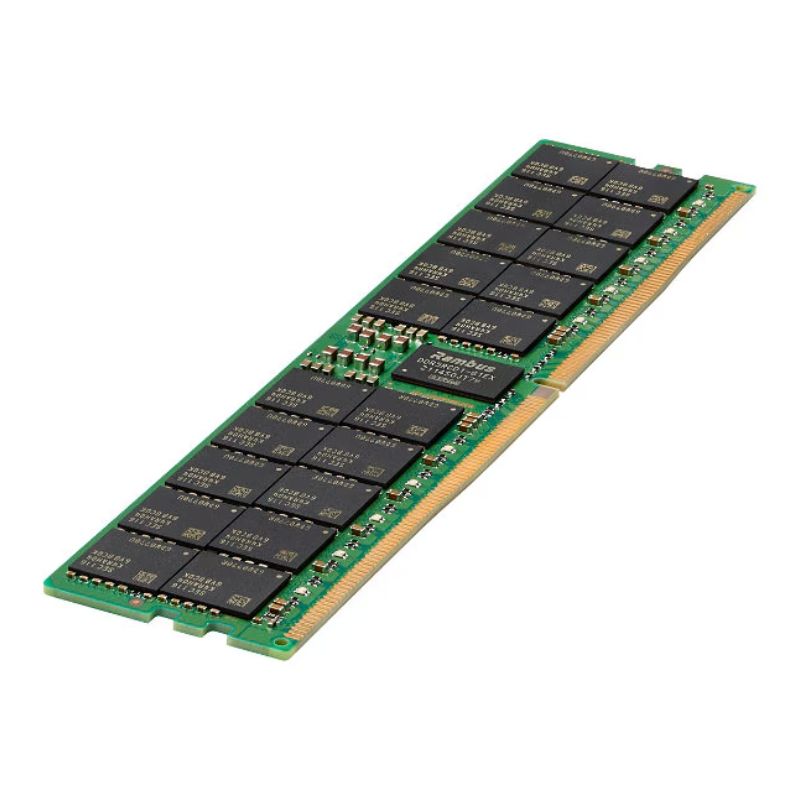
HPE P73152-B21 128GB PC5-44800 DDR5-5600MT/s 2Rx4 ECC Memory. New (System) Pull with 1 year replacement warranty
The category encompassing the P73152-B21 HPE 128GB PC5-44800 DDR5-5600MT/s 2Rx4 ECC Memory represents a modern class of enterprise-grade server memory designed for data-intensive, mission-critical computing environments. This category focuses on high-capacity DDR5 memory modules engineered for reliability, scalability, and sustained performance in HPE server platforms. DDR5 technology introduces substantial architectural enhancements over previous generations, enabling higher data rates, increased bandwidth, and improved power efficiency that directly benefit enterprise workloads.
Within this category, memory modules are optimized for server and data center deployment, emphasizing stability under continuous operation, support for advanced error correction, and compatibility with modern multi-core processors. The 128GB capacity segment is particularly relevant for organizations consolidating workloads, supporting in-memory databases, or enabling large-scale virtualization and containerized environments.
DDR5 memory introduces a fundamental architectural shift compared to DDR4, and this category fully embraces those advancements. PC5-44800 denotes a theoretical bandwidth of 44.8 GB/s per module, achieved through a base data rate of 5600MT/s. This substantial bandwidth increase supports modern CPUs that feature higher core counts and parallel processing capabilities, ensuring that memory does not become a bottleneck.
Modules in this category utilize a dual 32-bit subchannel architecture rather than the single 64-bit channel used in DDR4. This design improves memory access efficiency and reduces latency in concurrent workloads. The 2Rx4 configuration indicates two ranks of x4 memory devices, a layout commonly favored in enterprise servers for balanced performance, signal integrity, and reliability.
DDR5 introduces on-die error correction in addition to traditional module-level ECC. In this category, ECC functionality is central to ensuring data integrity across prolonged uptime scenarios. Error correction is critical for workloads such as financial modeling, healthcare systems, and large-scale databases where even minor data corruption can have significant consequences.
The ECC capabilities within this memory category help detect and correct single-bit errors and identify multi-bit errors, contributing to overall system stability. When combined with server platform RAS features, this category supports enterprise-grade resilience expectations.
The P73152-B21 memory category is engineered to support high-throughput and low-latency requirements across a wide range of enterprise workloads. With DDR5-5600 speeds, systems equipped with these modules benefit from faster data movement between memory and CPU cores, enhancing application responsiveness and throughput.
High-capacity 128GB modules reduce the total number of DIMM slots required to achieve large memory footprints. This allows system architects to maximize memory per socket while preserving expansion capabilities for future upgrades.
Virtualized environments benefit significantly from this memory category due to its high density and bandwidth. Hypervisors and container orchestration platforms rely heavily on available memory to allocate resources efficiently across virtual machines and containers. By deploying fewer, higher-capacity modules, administrators can reduce NUMA complexity and improve memory locality.
In private and hybrid cloud infrastructures, this category supports predictable performance under mixed workloads, enabling consistent service-level objectives for multiple tenants.
Large-scale relational databases, NoSQL platforms, and in-memory analytics engines depend on fast, reliable memory access. The bandwidth and capacity characteristics of this category allow more data to reside in memory, reducing disk I/O and accelerating query execution.
Applications such as real-time analytics, transaction processing, and data warehousing see measurable gains when paired with DDR5-5600 memory, particularly in multi-socket server configurations.
This category prioritizes RAS features that align with enterprise uptime requirements. Memory modules are validated for continuous operation under heavy load, supporting data centers that operate 24/7 with minimal maintenance windows.
Advanced ECC, combined with platform-level monitoring, allows early detection of degrading memory cells. This proactive approach enables planned maintenance rather than reactive downtime.
Enterprise memory in this category integrates with server management tools to provide telemetry and health data. Predictive analytics can identify patterns that indicate potential failures, supporting preemptive replacement strategies and reducing the risk of unexpected outages.
The P73152-B21 category is specifically aligned with HPE server ecosystems, ensuring firmware, BIOS, and memory controller compatibility. This alignment simplifies deployment and reduces the risk associated with third-party or unqualified memory configurations.
Memory modules in this category are tested against supported server platforms to ensure signal integrity, timing accuracy, and thermal stability. This validation process is critical for maintaining system warranties and support agreements.
Modern server CPUs are designed to take full advantage of DDR5 memory features. This category ensures that memory performance scales appropriately with processor advancements, including higher core counts, larger cache hierarchies, and advanced prefetch algorithms.
DDR5 memory operates at a lower voltage compared to DDR4, contributing to improved power efficiency at the system level. This category leverages integrated power management ICs on the DIMM to regulate voltage more precisely, reducing power loss and heat generation.
Lower power consumption per bit transferred translates into reduced cooling requirements, which is particularly valuable in dense data center environments where thermal constraints can limit scalability.
By deploying high-capacity DDR5 modules, organizations can achieve required memory capacities with fewer DIMMs, further reducing overall power draw and simplifying airflow management within server chassis.
While memory is not traditionally viewed as a primary security component, this category contributes indirectly to system security by ensuring data accuracy and reducing the risk of silent data corruption. Accurate data processing is foundational to secure operations, especially in regulated industries.
Memory stability also supports secure boot processes, encryption workloads, and trusted execution environments by providing consistent and reliable data storage during runtime.
The transition to DDR5 represents a long-term investment in platform scalability. This category supports higher maximum capacities per system, enabling organizations to scale memory alongside growing data volumes and application demands.
As software continues to evolve toward more memory-intensive architectures, including AI inference and real-time analytics, the capacity and bandwidth provided by this category position systems to remain viable for extended lifecycles.
Memory modules within this category adhere to JEDEC standards for DDR5, ensuring interoperability and predictable behavior across compliant platforms. Compliance with industry standards is essential for maintaining compatibility and avoiding performance anomalies.
Quality assurance processes include extensive testing for electrical characteristics, thermal tolerance, and long-term reliability. These processes ensure that each module meets stringent enterprise specifications.
From a procurement perspective, this category offers consistency in part numbering, specifications, and support lifecycle. Enterprises benefit from predictable availability and long-term support, which are critical for standardized server deployments.
Lifecycle management is simplified through alignment with server generation roadmaps, allowing IT teams to plan upgrades and expansions without introducing heterogeneous memory configurations.
Compared to earlier DDR4-based categories, DDR5-5600 memory delivers significantly higher bandwidth, improved power efficiency, and enhanced reliability features. These advantages make this category particularly suitable for next-generation workloads and infrastructure modernization initiatives.
Within the broader DDR5 ecosystem, the 128GB capacity segment balances cost, density, and performance, making it a preferred choice for enterprises seeking maximum memory per slot without compromising stability.
Data centers increasingly prioritize environmental sustainability. By improving performance per watt, this memory category contributes to lower overall energy consumption and reduced carbon footprint.
Operational efficiency is further enhanced through reduced hardware footprint, simplified cooling requirements, and extended service intervals enabled by high-reliability design.
This category is applicable across diverse industries, including finance, healthcare, telecommunications, research, and public sector computing. Any environment requiring high memory capacity, fast data access, and uncompromising reliability can benefit from the characteristics defined by the P73152-B21 DDR5 memory category.
From consolidating legacy systems to enabling modern, cloud-native applications, this category serves as a foundational component in enterprise IT architectures focused on performance, resilience, and scalability.


 Contact Us
 Information
 Catalog
 Solid State Drives (SSD)
 Network Switches
 Hard Disk Drives
 HBA & Controllers
 PC & Servers
 PC & Server Memory
 CPU & Processors
 Network Routers
 Power Supplies
 Tape Drives & Libraries
 Network Devices
 Computer & Network Cables