(7% discount is applied at checkout)
Cart is empty
Your go-to destination for cutting-edge server products
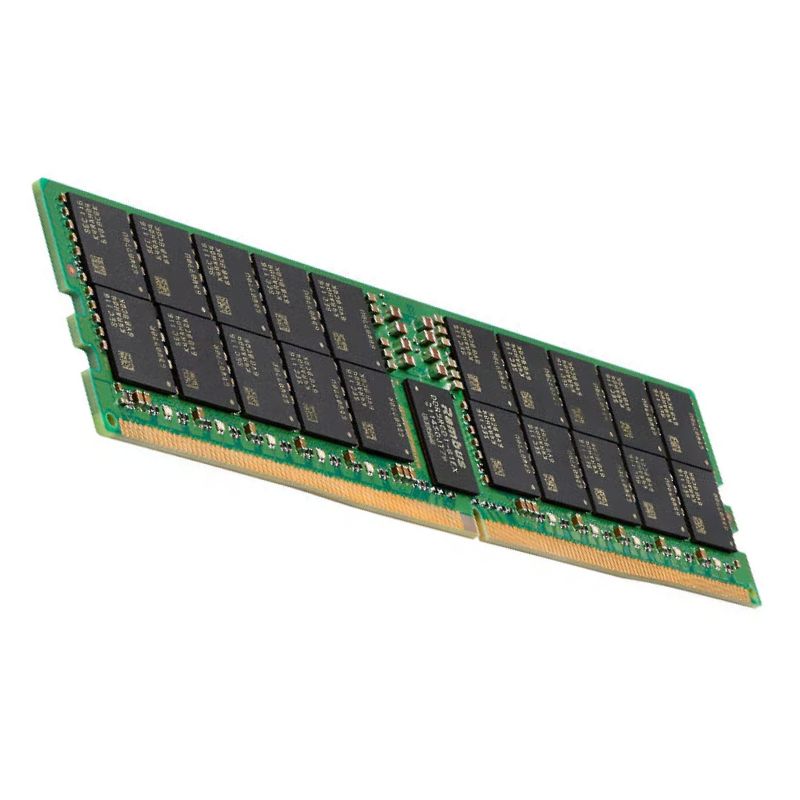


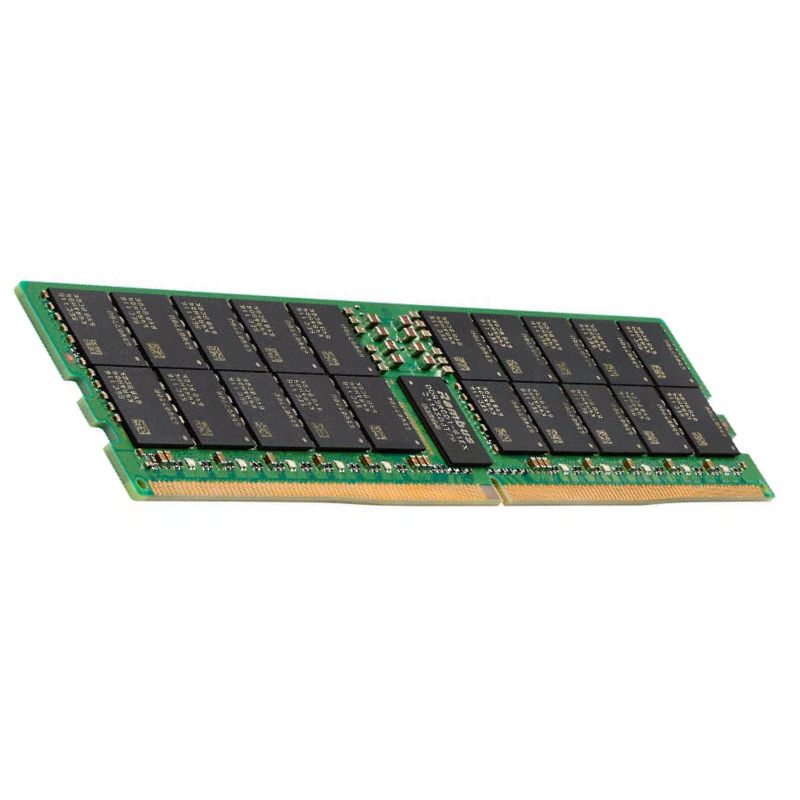
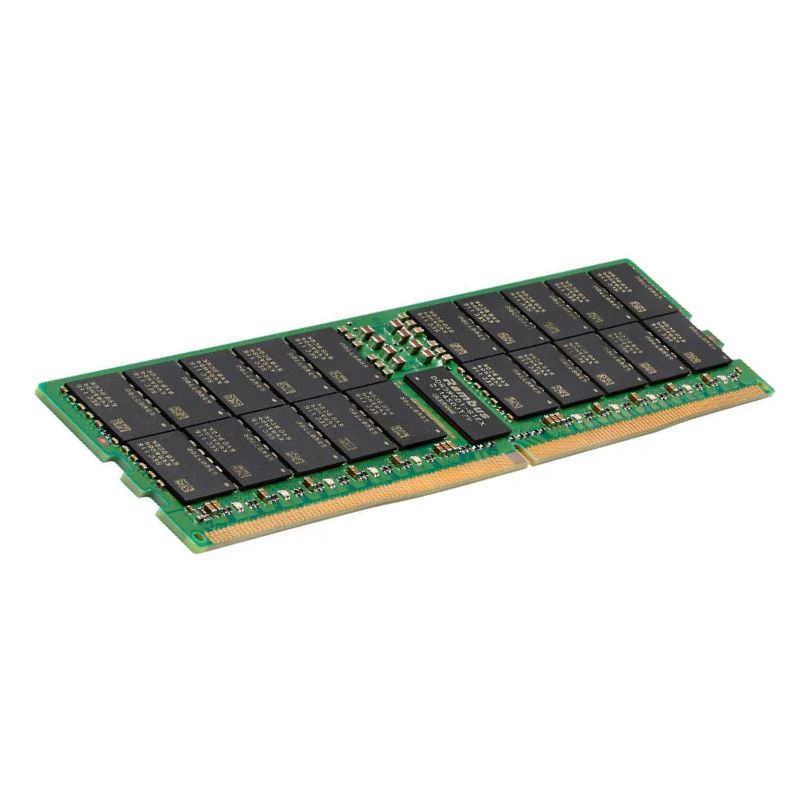
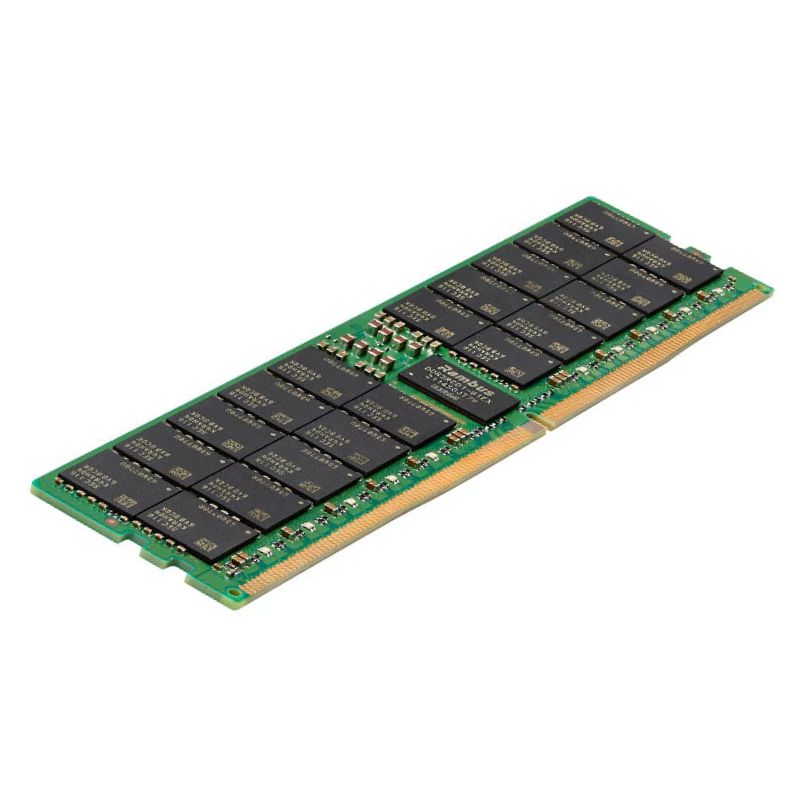
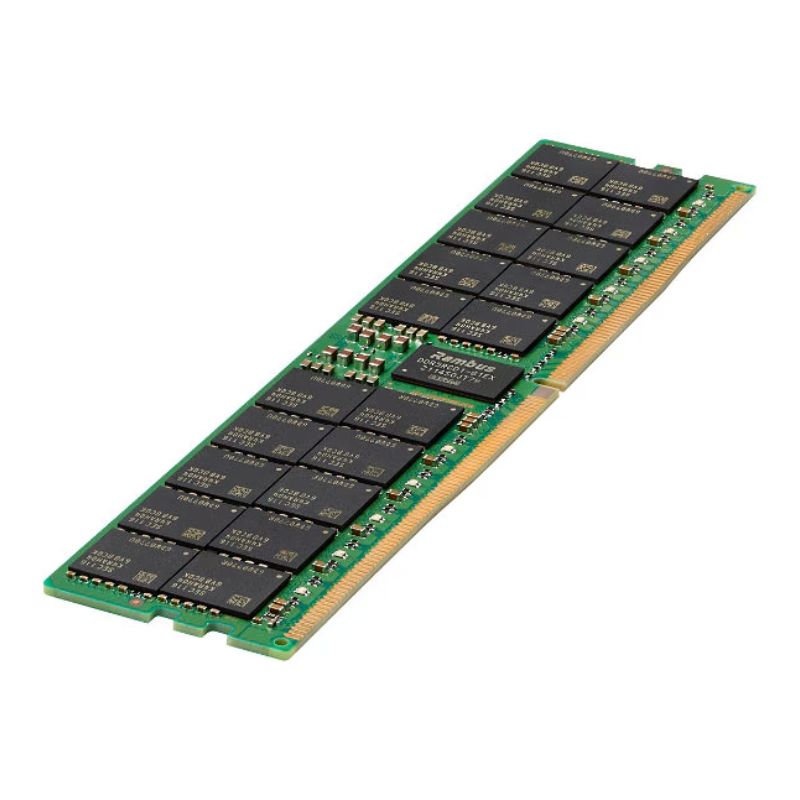
HPE P73152-K21 128GB PC5-44800 DDR5-5600MT/s 2Rx4 ECC Memory. New (System) Pull with 1 year replacement warranty
The P73152-K21 HPE 128GB PC5-44800 DDR5-5600MT/s 2Rx4 ECC Memory belongs to the enterprise-class server memory category designed to support modern data center workloads, virtualization platforms, and mission-critical applications. This category encompasses high-capacity, high-bandwidth DDR5 registered memory modules engineered for stability, scalability, and sustained performance in HPE server environments. Built to meet the demands of next-generation processors and memory controllers, this class of memory delivers significant advancements in throughput, efficiency, and reliability compared to prior DDR4-based solutions.
Server memory in this category is optimized for continuous operation, heavy parallel workloads, and environments where data integrity is paramount. The 128GB capacity tier addresses consolidation trends in modern infrastructure, allowing fewer modules to deliver greater memory density per socket while maintaining balanced channel population. DDR5 technology further enhances this category by introducing architectural changes that improve memory bandwidth and power management at the module level.
DDR5 memory represents a substantial architectural evolution over DDR4, and the PC5-44800 classification identifies this module as operating at an effective data rate of 5600 megatransfers per second. This category of memory is designed to align with contemporary server CPUs that feature higher core counts and increased memory channel bandwidth requirements. By delivering up to 44.8 GB/s of theoretical bandwidth per module, PC5-44800 DDR5 memory supports data-intensive workloads with improved responsiveness and reduced bottlenecks.
A defining characteristic of DDR5 server memory is the division of the module into two independent 32-bit subchannels, compared to the single 64-bit channel in DDR4. This architectural shift improves command efficiency, reduces latency under load, and enables better utilization of memory bandwidth in multi-threaded environments.
Memory modules in this category incorporate on-module power management integrated circuits, moving voltage regulation closer to the memory devices themselves. This change improves signal integrity, stabilizes voltage delivery, and enhances overall system efficiency. The result is more predictable performance under sustained workloads and reduced power losses across the motherboard.
The 128GB capacity places this product firmly within the high-density server memory subcategory. Such capacity is especially valuable in environments where memory footprint directly impacts application performance, including virtualization hosts, in-memory databases, and analytics platforms. Fewer high-capacity modules allow administrators to reach target memory capacities while preserving available slots for future expansion.
The 2Rx4 rank and chip organization is optimized for registered DIMM implementations, balancing performance, reliability, and compatibility with enterprise memory controllers. Dual-rank configurations can improve memory interleaving efficiency, contributing to higher effective throughput in supported systems.
Memory in this category is implemented as registered DIMMs, incorporating a register between the memory controller and DRAM devices. This design reduces electrical load on the controller, enabling higher capacities and more stable operation when multiple modules are installed per channel. Registered memory is a cornerstone of enterprise server platforms, particularly when scaling to large memory footprints.
Error Correcting Code functionality is a fundamental attribute of this memory category. ECC enables the detection and correction of single-bit memory errors and the detection of multi-bit errors, protecting systems from data corruption that could otherwise lead to crashes, incorrect calculations, or security vulnerabilities. In enterprise servers, ECC memory is essential for maintaining uptime and data accuracy.
DDR5 ECC implementations extend protection further by incorporating on-die ECC in addition to traditional module-level ECC. This layered approach improves yield and reliability, especially as memory densities increase and operating frequencies rise.
This category of HPE server memory is designed with reliability, availability, and serviceability principles in mind. Consistent signal timing, rigorous qualification processes, and compatibility testing with supported server platforms contribute to predictable behavior across deployment lifecycles. These characteristics are critical in environments where unplanned downtime carries significant operational or financial consequences.
Operating at 5600MT/s, this DDR5 memory category provides a substantial performance uplift over previous generations. Increased bandwidth supports applications that process large datasets, perform real-time analytics, or rely on fast memory access to feed multi-core processors. The higher data rate also benefits network functions virtualization, software-defined storage, and high-performance computing workloads.
In multi-socket server configurations, the aggregate memory bandwidth scales with the number of populated channels, allowing systems to fully exploit CPU capabilities. This makes high-speed DDR5 memory a strategic component in balanced server architecture design.
While raw frequency increases often raise concerns about latency, DDR5 architectural enhancements help mitigate these effects. Improved burst lengths, more efficient command scheduling, and dual subchannel operation contribute to better real-world performance. For applications sensitive to memory access patterns, these improvements translate into smoother execution and more consistent throughput.
The P73152-K21 memory module is part of a category specifically validated for use in HPE server platforms that support DDR5 technology. Compatibility extends to systems designed around next-generation processors and chipsets, ensuring that memory operates within specified parameters for speed, voltage, and thermal characteristics.
Using memory from this category helps maintain firmware compatibility, management tool integration, and support alignment within HPE environments. This reduces the risk of interoperability issues and simplifies system qualification processes.
Enterprise memory categories are often tightly integrated with system firmware and management utilities. This integration enables advanced monitoring, predictive failure analysis, and reporting capabilities. Administrators can track memory health, identify correctable error trends, and plan maintenance activities proactively.
High-capacity DDR5 ECC memory is particularly well suited for virtualization hosts and private cloud platforms. Large memory pools allow higher virtual machine density, improved resource allocation, and reduced contention. The performance characteristics of DDR5 further enhance guest workload responsiveness.
Database servers benefit significantly from the bandwidth and capacity provided by this memory category. In-memory databases and caching layers rely on fast, reliable memory access to deliver low-latency query responses. ECC protection ensures that critical data remains accurate throughout processing.
Despite higher performance, DDR5 memory operates at lower nominal voltages compared to earlier generations. Combined with on-module power management, this contributes to improved energy efficiency at the system level. In large-scale deployments, these efficiency gains can translate into meaningful reductions in operational costs.
Server memory in this category is designed to maintain thermal stability even in densely populated chassis. Heat spreaders, airflow considerations, and validated operating envelopes help ensure reliable performance under sustained load conditions. Proper thermal behavior is essential for preserving memory longevity and system uptime.
Choosing 128GB modules allows system architects to achieve high total memory capacity with fewer DIMMs, simplifying channel balancing and leaving room for future expansion. This approach supports scalable growth as workload demands increase over time.
DDR5 memory categories are aligned with the forward roadmap of server platforms, offering longer relevance as processor generations advance. Investing in high-speed, high-capacity DDR5 ECC memory helps future-proof infrastructure by accommodating evolving software requirements and performance expectations.
Compared to DDR4-based server memory categories, DDR5 offers higher bandwidth, improved power efficiency, and enhanced reliability features. While DDR4 remains suitable for legacy platforms, DDR5 is the preferred choice for new deployments seeking maximum performance and longevity.
Within the DDR5 category, 128GB modules provide a balance between density and flexibility. They reduce the number of DIMMs required to reach target capacities, potentially lowering power consumption and simplifying system configuration while maintaining strong performance characteristics.
Memory in this category is typically subject to extensive qualification and lifecycle management processes. Alignment with server vendor specifications helps ensure consistent availability, predictable behavior across firmware updates, and long-term support compatibility.
While enterprise DDR5 memory represents an investment, its reliability, performance, and efficiency characteristics contribute to a favorable total cost of ownership. Reduced downtime, improved workload efficiency, and extended platform relevance all factor into long-term value realization.


 Contact Us
 Information
 Catalog
 Solid State Drives (SSD)
 Network Switches
 Hard Disk Drives
 HBA & Controllers
 PC & Servers
 PC & Server Memory
 CPU & Processors
 Network Routers
 Power Supplies
 Tape Drives & Libraries
 Network Devices
 Computer & Network Cables