(7% discount is applied at checkout)
Cart is empty
Your go-to destination for cutting-edge server products
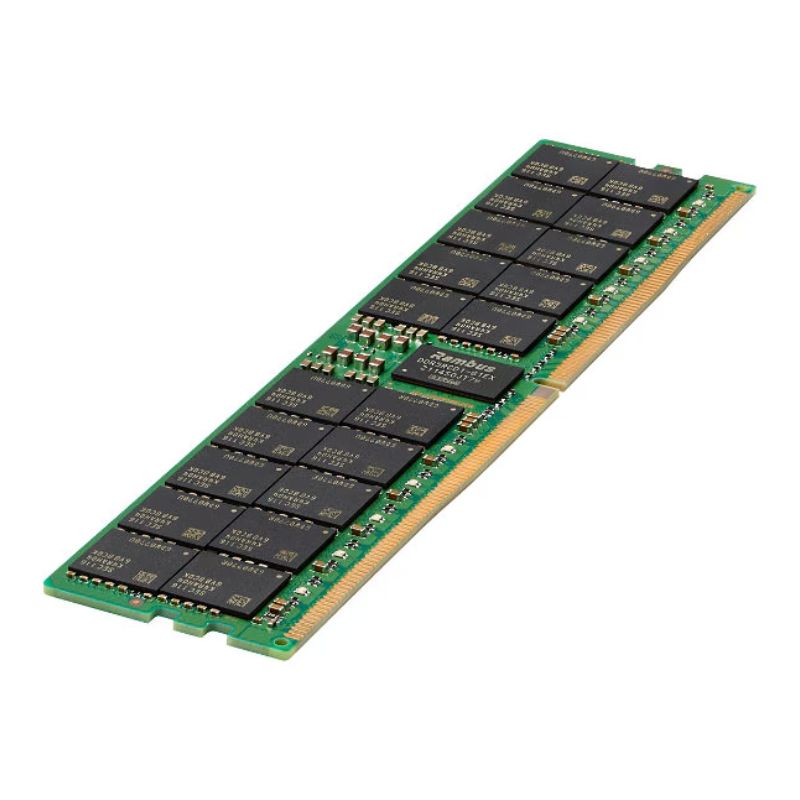


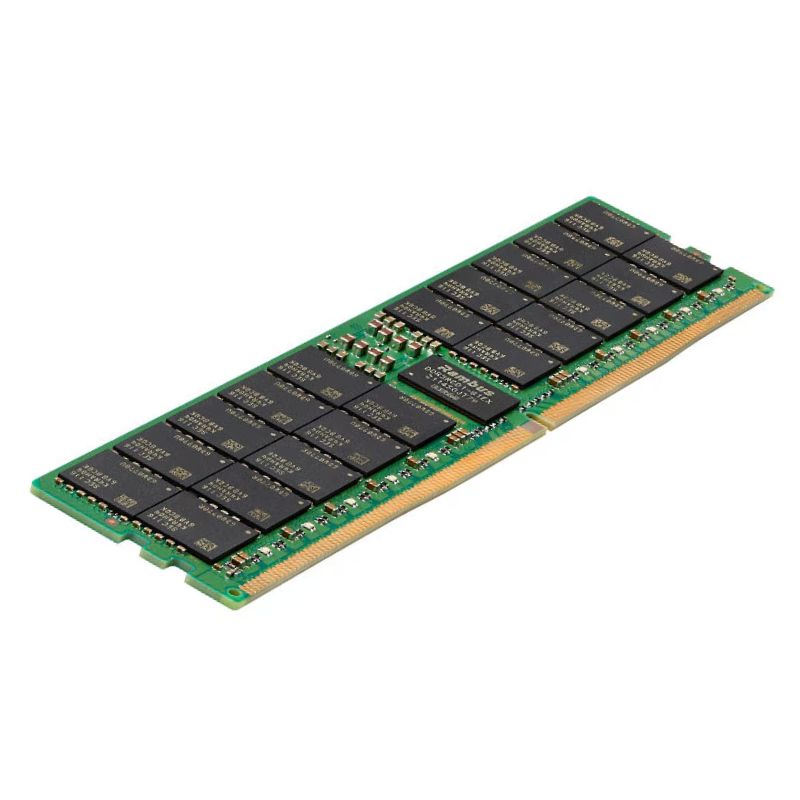
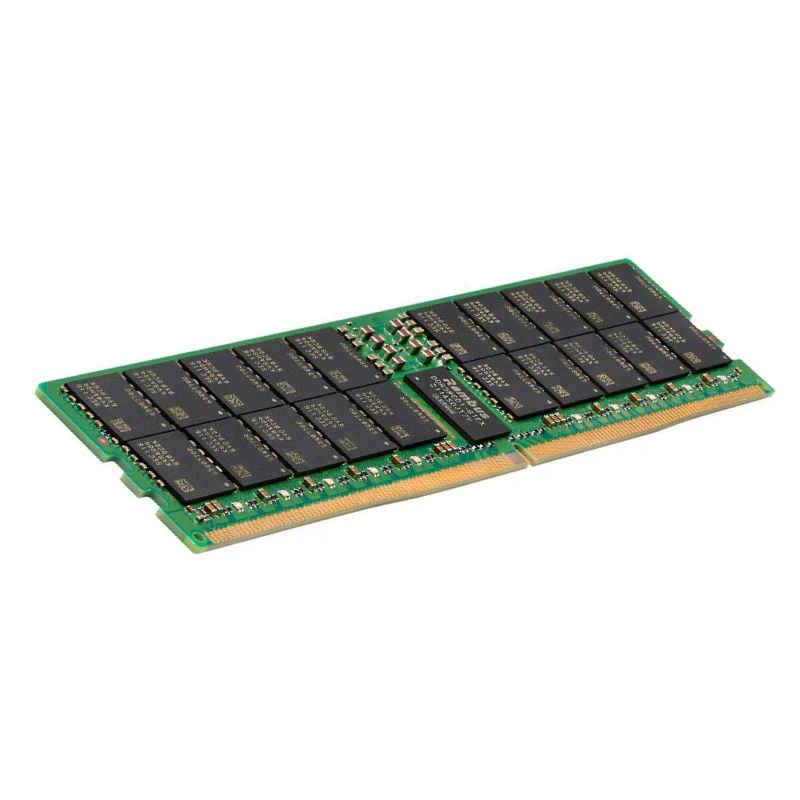
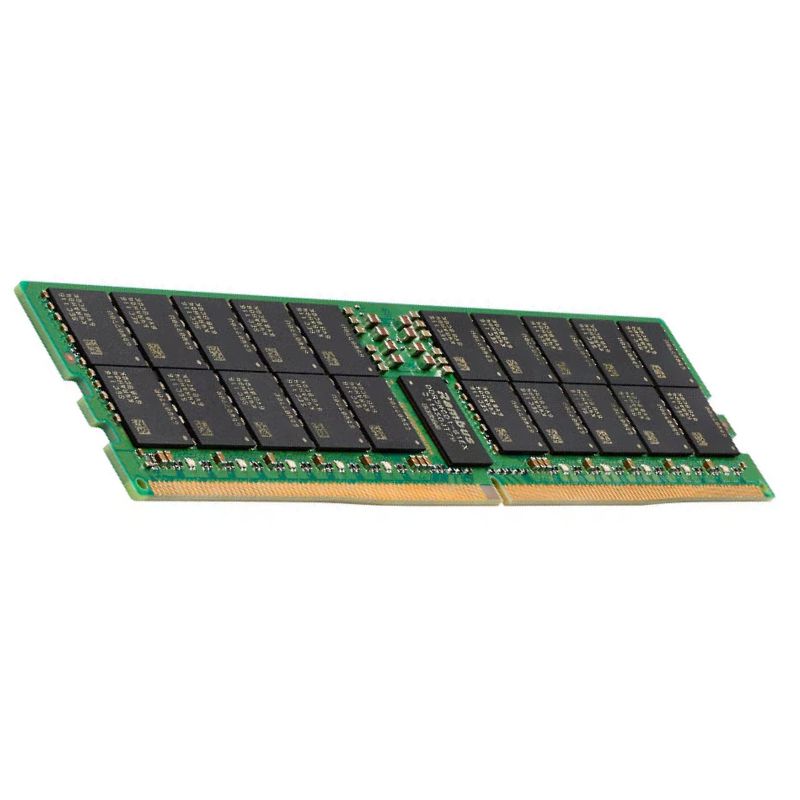
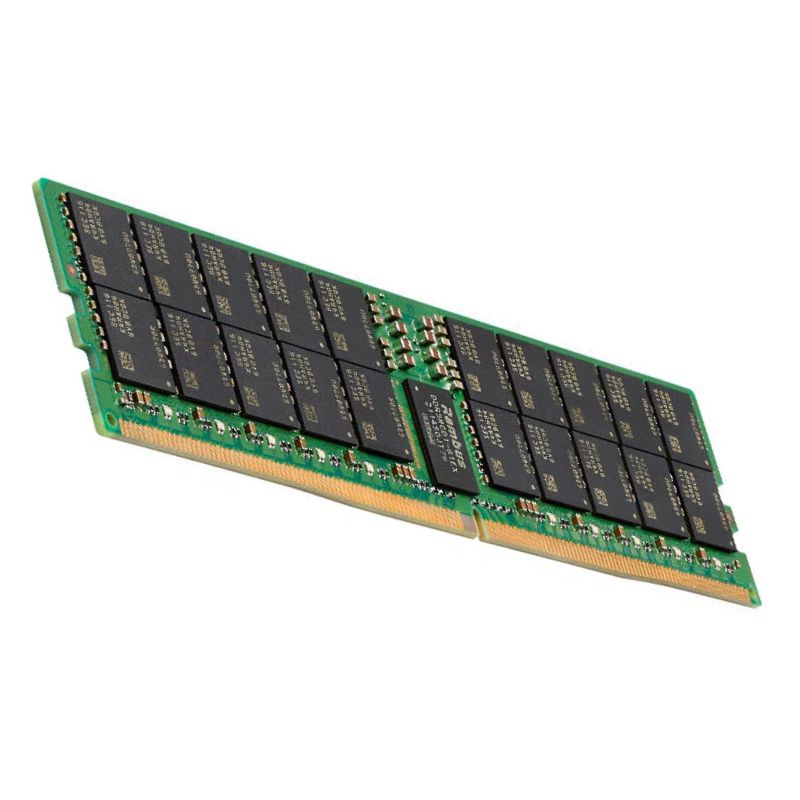
HPE P73450-1C1 256GB DDR5-6400MHz PC5-51200 ECC Registered RDIMM Server Memory. New Sealed in Box (NIB) with 3 years Replacement Warranty. ETA 7-10 Days
Designed for demanding data center workloads, this high-capacity DDR5 server memory module delivers exceptional throughput, efficiency, and reliability. Built to support next-generation enterprise platforms, it enhances system responsiveness while maintaining stable performance under intensive operations.
The category of enterprise-class DDR5 ECC Registered server memory represents a critical foundation for modern data center infrastructure, high-performance computing environments, cloud platforms, virtualization clusters, and mission-critical enterprise workloads. Products within this category, including the P73450-1C1 HPE 256GB DDR5-6400MHz PC5-51200 ECC Registered RDIMM Server Memory, are engineered to deliver exceptional bandwidth, reliability, scalability, and long-term operational stability for servers that must perform continuously under demanding conditions.
DDR5 server memory introduces a significant architectural advancement over previous generations, focusing on higher data transfer rates, improved power efficiency, enhanced error correction capabilities, and increased memory density. Within this category, 256GB RDIMM modules are designed for enterprises that require extremely large memory footprints per node, enabling dense consolidation of workloads, reduced server counts, and improved total cost of ownership. These memory modules are not consumer-grade components; they are purpose-built for enterprise server platforms, validated through rigorous qualification processes, and designed to operate reliably in 24/7 environments.
This category addresses the needs of organizations deploying large-scale databases, in-memory analytics platforms, artificial intelligence and machine learning workloads, virtualization and container orchestration systems, and high-throughput transactional systems. By supporting advanced memory architectures and server-grade reliability features, DDR5 ECC Registered RDIMM modules serve as a cornerstone for next-generation enterprise computing.
DDR5 represents a generational leap in memory technology, delivering substantial performance improvements compared to DDR4 while maintaining strict enterprise reliability standards. Operating at 6400MHz with a PC5-51200 specification, memory modules in this category offer dramatically increased bandwidth, enabling processors to access data more rapidly and efficiently. This higher throughput is essential for modern multi-core CPUs, where memory bottlenecks can significantly limit performance.
The DDR5 architecture introduces dual independent 32-bit memory channels per module, improving parallelism and reducing latency under heavy workloads. This design enables servers to better handle concurrent memory requests from multiple processor cores, virtual machines, and applications. In environments where thousands of processes compete for memory resources, the increased channel efficiency contributes to more predictable performance and lower response times.
Power efficiency is another defining characteristic of DDR5 memory. By moving voltage regulation onto the module itself and operating at lower voltages than previous generations, DDR5 RDIMM modules reduce overall system power consumption and heat generation. This efficiency is particularly valuable in large data centers where energy costs and thermal management are significant operational considerations.
Within this category, the 6400MHz data rate ensures compatibility with the latest generation of enterprise processors that are optimized for high-speed memory access. This enables organizations to fully leverage CPU capabilities, accelerating compute-intensive workloads and maximizing return on hardware investments.
Error correction is a defining requirement for enterprise server memory, and this category emphasizes advanced ECC capabilities to protect data integrity. ECC Registered RDIMM modules incorporate error detection and correction mechanisms that identify and correct single-bit memory errors in real time, preventing data corruption, system crashes, and application failures.
In mission-critical environments such as financial services, healthcare systems, telecommunications, and scientific research, even minor data errors can have severe consequences. ECC technology ensures that memory-related errors do not propagate into applications or databases, maintaining accuracy and system stability. This is particularly important for long-running workloads where memory contents persist for extended periods.
Registered DIMMs further enhance signal integrity by using a register between the memory controller and the DRAM chips. This buffering reduces electrical load on the memory controller, enabling systems to support higher memory capacities and more populated DIMM configurations without compromising stability. In multi-socket server architectures, RDIMM designs are essential for scaling memory capacity efficiently.
This category of memory modules is rigorously tested for compliance with enterprise standards, ensuring reliable operation across a wide range of environmental conditions, workloads, and deployment scenarios. The combination of ECC and registered architecture delivers a robust foundation for servers that must operate continuously with minimal risk of downtime.
The 256GB capacity offered by memory modules in this category addresses the growing demand for high-density memory configurations in modern servers. As applications become increasingly data-intensive, the ability to install large amounts of RAM per server node enables organizations to consolidate workloads, reduce physical server counts, and improve overall infrastructure efficiency.
High-capacity RDIMMs are particularly valuable in virtualization and cloud environments, where memory is often the limiting factor for virtual machine density. By deploying 256GB modules, administrators can allocate more memory to each virtual machine or support a greater number of workloads per host without overcommitting resources. This results in more predictable performance and reduced risk of memory contention.
In database-driven environments, large memory capacity allows for extensive caching of datasets, indexes, and transaction logs. In-memory databases and analytics platforms benefit significantly from high-capacity DDR5 RDIMMs, as more data can be stored and processed directly in RAM, reducing reliance on slower storage subsystems.
High-density memory also supports emerging workloads such as artificial intelligence, machine learning, and big data analytics. These applications often require large memory pools to store models, training datasets, and intermediate results. By enabling memory configurations measured in terabytes per server, this category supports scalable and future-ready computing architectures.
Server memory modules in this category are designed for seamless integration with enterprise-grade server platforms, particularly those from leading manufacturers that require validated and certified components. Compatibility testing ensures that the memory operates reliably with supported processors, chipsets, BIOS firmware, and system architectures.
DDR5 ECC Registered RDIMM modules are typically used in dual-socket and multi-socket servers that support advanced memory configurations. These systems rely on precise timing, voltage regulation, and signal integrity, all of which are addressed through strict adherence to JEDEC standards and vendor-specific validation processes.
The category supports deployment across a wide range of use cases, including rack servers, blade systems, and modular data center architectures. Whether used in on-premises enterprise data centers or in colocation and cloud environments, these memory modules provide consistent performance and reliability.
Compatibility considerations also extend to firmware updates and lifecycle management. Enterprise memory modules are supported through long product lifecycles, ensuring availability for system expansions, replacements, and upgrades over many years. This stability is essential for organizations that standardize on specific server configurations.
This category of DDR5 256GB ECC Registered RDIMM server memory is optimized for a diverse range of enterprise workloads. Virtualization platforms such as hypervisors and container orchestration systems benefit from the increased bandwidth and capacity, enabling higher consolidation ratios and smoother workload balancing.
Enterprise databases, including relational, NoSQL, and in-memory systems, rely heavily on memory performance and capacity. By minimizing disk I/O and maximizing data residency in RAM, these memory modules contribute to faster query execution, reduced latency, and improved user experiences.
High-performance computing environments leverage the high data transfer rates of DDR5 memory to accelerate scientific simulations, modeling, and data analysis. Applications in engineering, research, and weather modeling benefit from the ability to move large datasets rapidly between memory and processors.
Artificial intelligence and machine learning workloads also rely on large memory pools to handle training datasets and inference models. The combination of high density and high bandwidth enables efficient scaling of AI workloads without excessive reliance on storage or network resources.
Enterprise server memory must operate reliably under continuous load, and this category emphasizes robust thermal and electrical design to support 24/7 operation. DDR5 RDIMM modules are engineered to manage heat effectively, maintaining stable performance even in densely populated server configurations.
Thermal sensors and monitoring capabilities allow system firmware to track memory temperature and adjust cooling strategies as needed. This proactive approach helps prevent thermal throttling and extends component lifespan. In large-scale data centers, effective thermal management contributes to overall system reliability and reduced maintenance costs.
Reliability testing includes stress testing under heavy workloads, validation across temperature ranges, and long-duration operational testing. These processes ensure that memory modules can withstand the demands of enterprise environments without degradation in performance or stability.
The focus on reliability makes this category suitable for applications where downtime is unacceptable. By minimizing the risk of memory-related failures, organizations can maintain high availability and service continuity.
Scalability is a key consideration in enterprise infrastructure planning, and this category of server memory supports long-term growth and evolving workload requirements. High-capacity DDR5 RDIMM modules enable incremental expansion of memory resources without requiring complete system replacements.
As processors continue to increase core counts and computational capabilities, memory bandwidth and capacity must scale accordingly. DDR5 technology provides a roadmap for future performance enhancements, ensuring that systems deployed today remain viable as software demands increase.
The availability of 256GB modules simplifies memory planning by reducing the number of DIMMs required to achieve large memory configurations. This can free up slots for future expansion and simplify maintenance and upgrades.
By investing in this category of enterprise memory, organizations position themselves to adapt to emerging technologies, new application architectures, and increasing data volumes without frequent hardware refresh cycles.
Quality assurance is a defining aspect of enterprise server memory categories. Products are subjected to comprehensive validation processes, including compatibility testing with specific server models, firmware versions, and operating systems. This ensures predictable behavior and reduces deployment risks.
Lifecycle support is equally important, with extended availability and consistent specifications across production runs. This allows organizations to maintain homogeneous server configurations over time, simplifying inventory management and support.
Documentation, technical specifications, and support resources are typically available to assist system architects and administrators in planning and deploying memory upgrades. This level of support distinguishes enterprise memory categories from commodity alternatives.
The emphasis on quality, validation, and lifecycle stability ensures that memory modules in this category meet the stringent requirements of enterprise IT environments and contribute to long-term operational success.


 Contact Us
 Information
 Catalog
 Solid State Drives (SSD)
 Network Switches
 Hard Disk Drives
 HBA & Controllers
 PC & Servers
 PC & Server Memory
 CPU & Processors
 Network Routers
 Power Supplies
 Tape Drives & Libraries
 Network Devices
 Computer & Network Cables