(7% discount is applied at checkout)
Cart is empty
Your go-to destination for cutting-edge server products
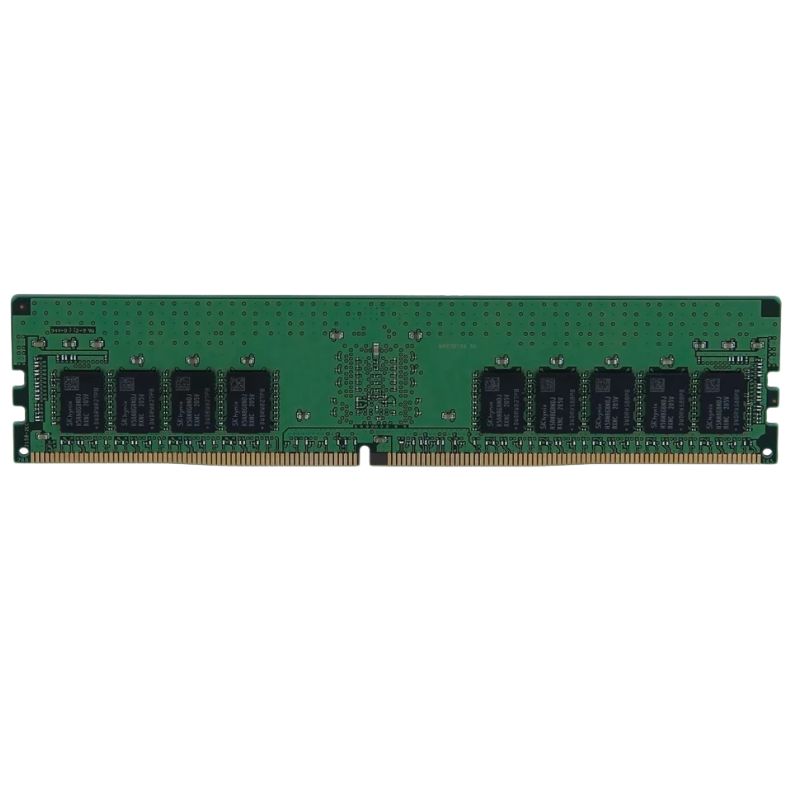


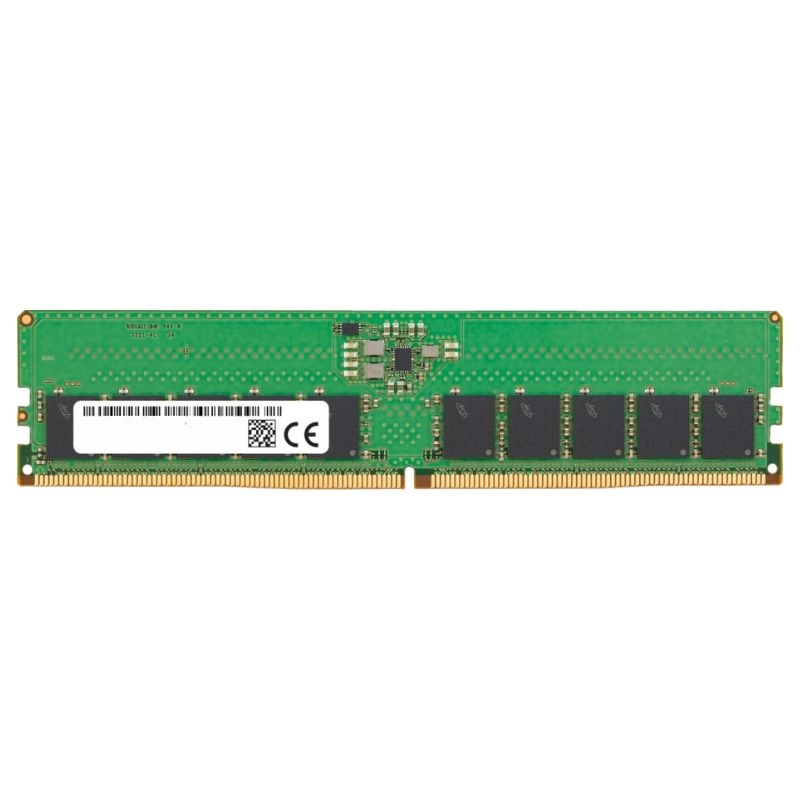
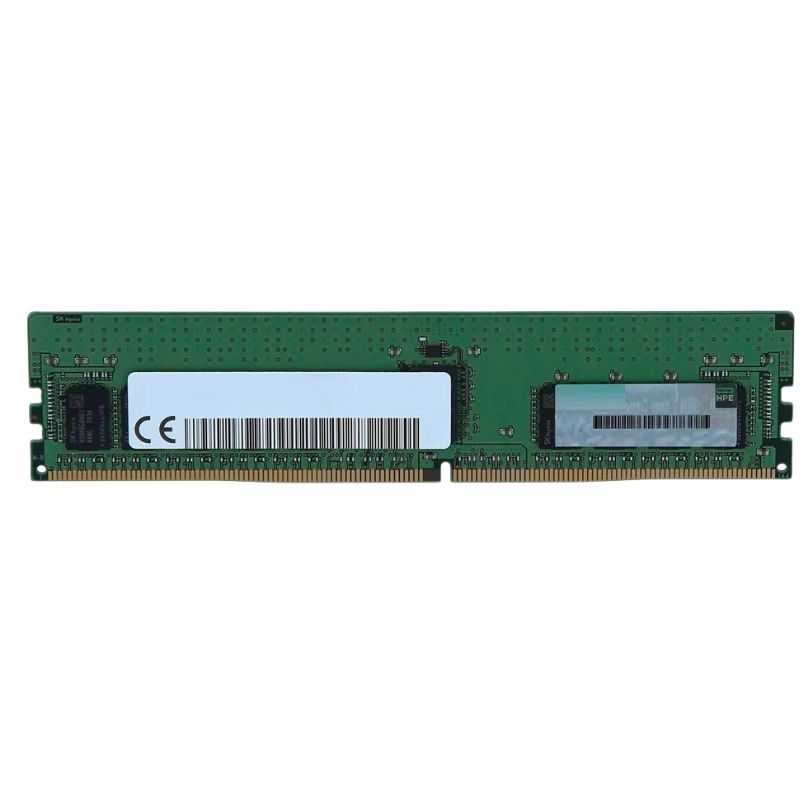
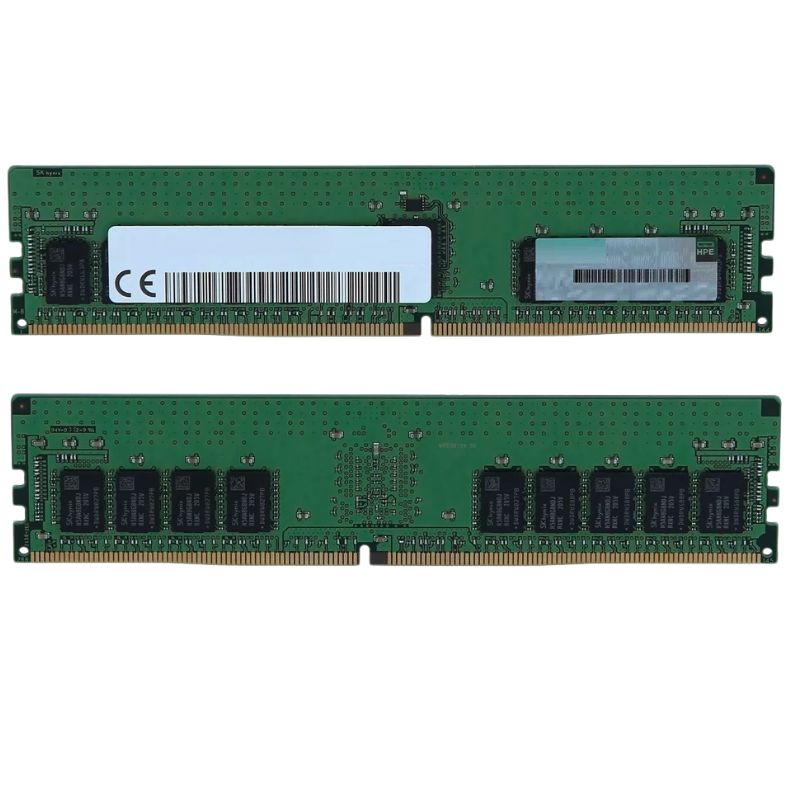
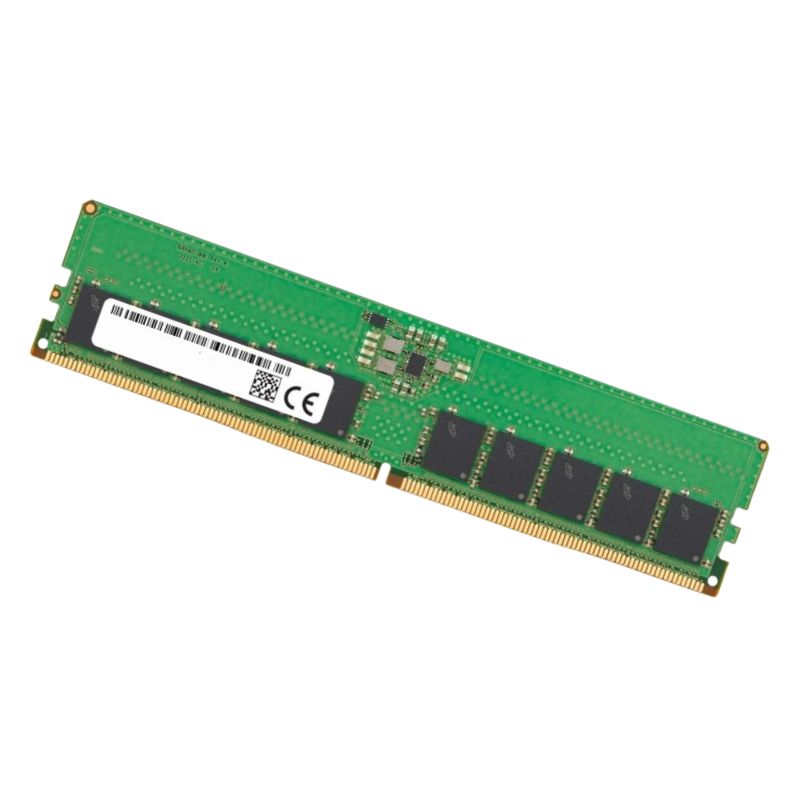
HPE P76172-001 16GB 4800mt/s Pc5-38500 Cl40 ECC Reg DDR5 Sdram 288-pin Rdimm Memory. Factory-Sealed New in Original Box (FSB) with 3 Years Warranty
The HPE P76172-001 Smart Memory Kit delivers 16GB of DDR5 SDRAM with a blazing speed of 4800MT/s. Designed for enterprise-grade servers, this registered DIMM ensures reliable performance with ECC error correction, single-rank X8 architecture, and CL40 latency. Operating at 1.1V, it provides efficient power consumption while maintaining stability for mission-critical workloads. With its 288-pin RDIMM form factor, it integrates seamlessly into HPE ProLiant Gen11 and Apollo family servers, offering optimized compatibility and advanced memory reliability.
The HPE P76172-001 16GB 4800MT/s PC5-38500 CL40 ECC Registered Single Rank x8 1.1V DDR5 SDRAM 288-pin RDIMM Smart Memory Kit for Server is engineered to deliver consistent, high-speed performance for modern data center environments. Designed specifically for enterprise-grade servers, this advanced DDR5 memory module enhances system responsiveness, increases bandwidth, and ensures reliable data integrity for mission-critical workloads. Built under the stringent quality standards of HPE, this Smart Memory solution provides optimal compatibility with supported HPE server platforms and is validated to meet rigorous reliability benchmarks.
The evolution from DDR4 to DDR5 memory marks a substantial leap in server memory performance. The HPE P76172-001 RDIMM operates at 4800MT/s, delivering significantly higher bandwidth compared to previous-generation modules. With PC5-38500 classification, this module is optimized to handle demanding enterprise applications such as virtualization, database management, cloud infrastructure, artificial intelligence workloads, and high-performance computing clusters.
Operating at 4800 megatransfers per second, this DDR5 RDIMM dramatically improves memory bandwidth. Higher data rates translate into faster data movement between the CPU and memory, reducing latency bottlenecks and improving overall system responsiveness. For organizations running memory-intensive applications, the increased throughput ensures smoother multitasking and greater computational efficiency.
The PC5-38500 specification indicates a theoretical peak bandwidth of 38.5GB/s per module. In multi-channel server configurations, the aggregate bandwidth increases exponentially, supporting large-scale enterprise deployments. This capability is particularly important in modern server platforms that rely on parallel processing and real-time analytics.
Error Correction Code (ECC) functionality is critical in enterprise environments where data integrity cannot be compromised. The HPE P76172-001 RDIMM incorporates ECC technology to detect and correct single-bit memory errors automatically, minimizing the risk of system crashes and data corruption. This feature is essential for servers operating in financial institutions, healthcare systems, research facilities, and cloud data centers.
Registered memory modules use a register between the memory controller and DRAM modules to stabilize electrical signals and reduce load on the memory controller. This design enables servers to support higher memory capacities without sacrificing reliability. The RDIMM architecture ensures stable operation even when multiple modules are installed across all memory channels.
The single rank x8 configuration of the HPE P76172-001 module balances performance, compatibility, and scalability. A single rank module contains one set of DRAM chips that can be accessed simultaneously by the memory controller. The x8 organization ensures optimized data handling and compatibility with enterprise-class processors.
Single rank memory modules often provide lower power consumption and simpler signal routing compared to dual-rank alternatives. In environments where predictable latency and stable performance are prioritized, single rank RDIMMs deliver reliable efficiency.
The x8 configuration indicates that each DRAM chip provides an 8-bit data width. This structure supports ECC functionality and enhances data accuracy. It also ensures compatibility with server motherboards designed for enterprise DDR5 RDIMMs.
Energy efficiency is a critical factor in modern data centers. The HPE P76172-001 operates at 1.1 volts, which is lower than previous DDR4 modules. Reduced voltage leads to lower power consumption, decreased heat generation, and improved energy savings across large-scale server installations.
Lower voltage operation directly translates to improved energy efficiency. For data centers running hundreds or thousands of servers, even marginal reductions in per-module power usage can result in significant operational savings over time.
This DDR5 module uses a 288-pin RDIMM form factor designed specifically for enterprise servers. It is not compatible with standard desktop motherboards. The 288-pin configuration ensures secure installation in supported HPE server platforms, delivering optimized signal integrity and system stability.
As part of HPE Smart Memory solutions, the P76172-001 module undergoes extensive validation testing to ensure seamless integration with compatible HPE ProLiant servers. This validation process eliminates compatibility concerns and maximizes hardware performance.
HPE Smart Memory provides enhanced functionality beyond standard third-party memory modules. HPE firmware recognizes certified Smart Memory modules and enables advanced features that optimize performance and reliability.
The 16GB capacity makes this module suitable for entry-level to mid-range enterprise servers. It can be deployed individually or in multi-module configurations to achieve higher total memory capacities.
In virtualized infrastructures, memory capacity directly impacts the number of virtual machines that can run efficiently. The high bandwidth of DDR5-4800 ensures that hypervisors can allocate resources dynamically without performance degradation.
Database servers require consistent, low-latency memory access. The CL40 latency timing combined with DDR5 architecture provides stable responsiveness for transactional workloads and enterprise resource planning systems.
Modern cloud deployments demand scalable and energy-efficient hardware components. This RDIMM module supports scalable memory configurations, allowing organizations to expand server capabilities as business needs evolve.
The CL40 latency rating indicates the number of clock cycles between a read command and data availability. While DDR5 introduces higher latency numbers compared to DDR4, the significantly increased clock speed offsets this difference, resulting in improved overall performance.
The combination of 4800MT/s data rate and CL40 timing provides an effective balance between throughput and response time. This ensures consistent performance across varied workloads, including analytics, virtualization, and large-scale computing operations.


 Contact Us
 Information
 Catalog
 Solid State Drives (SSD)
 Network Switches
 Hard Disk Drives
 HBA & Controllers
 PC & Servers
 PC & Server Memory
 CPU & Processors
 Network Routers
 Power Supplies
 Tape Drives & Libraries
 Network Devices
 Computer & Network Cables