(7% discount is applied at checkout)
Cart is empty
Your go-to destination for cutting-edge server products


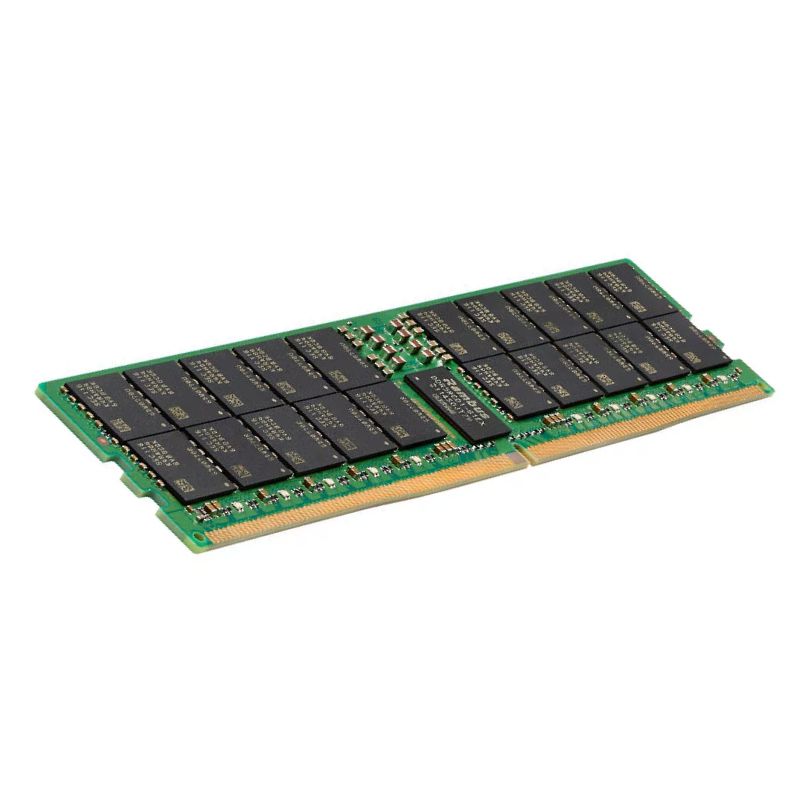
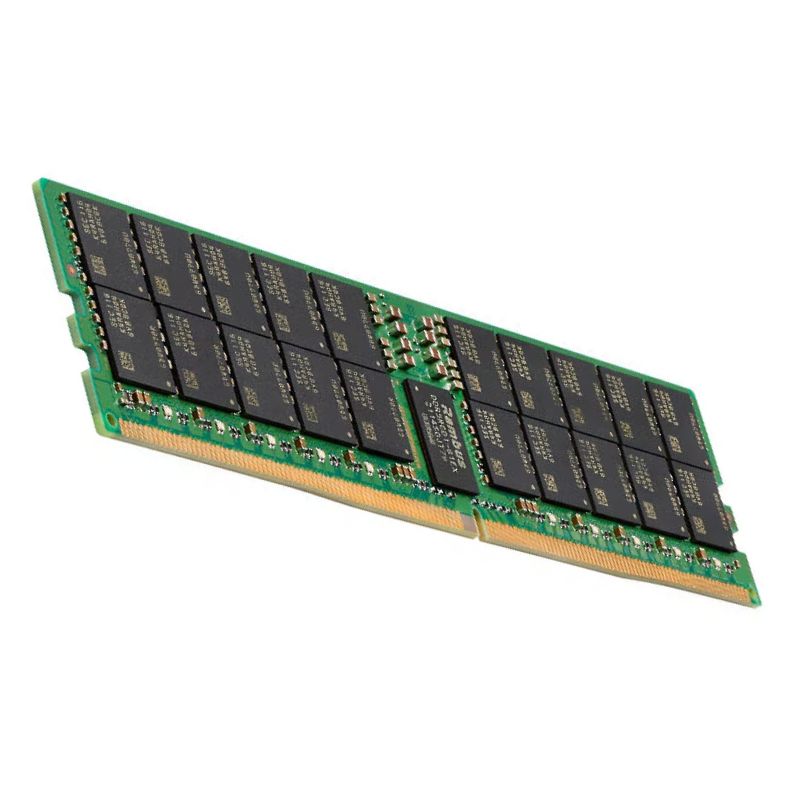
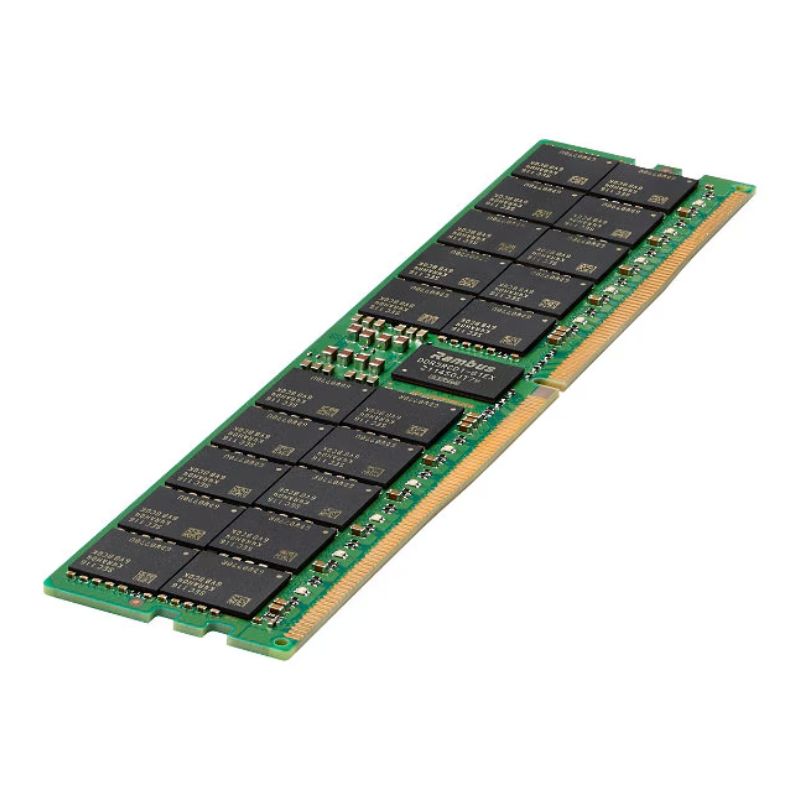
HPE P79006-001 32GB DDR5 6400MT/s PC5-51200 ECC Registered Smart Memory. New Sealed in Box (NIB) with 3 years Replacement Warranty
Enterprise-grade DDR5 server memory represents the latest evolution in data center memory technology, delivering significantly higher bandwidth, improved power efficiency, enhanced reliability, and intelligent management features compared to previous generations. This category includes high-performance registered DIMMs (RDIMMs), load-reduced DIMMs (LRDIMMs), and smart memory modules designed specifically for modern servers, cloud infrastructures, virtualization platforms, and mission-critical workloads.
Within this category, DDR5 ECC Registered Smart Memory modules stand out as a premium solution engineered to meet the rigorous demands of enterprise environments. These modules are optimized for scalability, stability, and long-term operational reliability, making them suitable for high-density server deployments, large-scale data processing, artificial intelligence workloads, database management systems, and enterprise virtualization clusters.
The DDR5 memory category is characterized by advanced architectural improvements, including higher base frequencies, improved channel efficiency, on-die ECC, optimized power delivery, and enhanced signal integrity. These innovations collectively enable servers to handle larger datasets, faster transactions, and more complex workloads with lower latency and reduced energy consumption.
DDR5 memory introduces a major leap in bandwidth compared to DDR4, with base speeds starting significantly higher and scaling upward to meet the demands of next-generation computing. With data transfer rates reaching and exceeding 6400MT/s, DDR5 memory modules provide exceptional throughput for data-intensive applications. This increase in frequency allows servers to process more information per second, reducing bottlenecks in multi-core CPU architectures and accelerating overall system performance.
The enhanced bandwidth of DDR5 memory is particularly beneficial for workloads such as high-performance computing, real-time analytics, machine learning, scientific simulations, and large-scale virtualization. These use cases require rapid memory access and high throughput to maintain optimal performance under heavy load conditions.
DDR5 memory modules incorporate a dual-channel architecture within each DIMM, enabling more efficient data transfer and improved parallelism. By dividing the module into independent channels, DDR5 memory reduces latency and improves memory utilization across multiple processing cores. This architectural enhancement ensures that modern multi-core processors can fully leverage available memory bandwidth without experiencing performance degradation.
The dual-channel design also improves memory scalability in enterprise systems, allowing administrators to configure high-capacity memory environments without sacrificing performance. This is particularly valuable in large server deployments where memory density and throughput must coexist without compromise.
DDR5 memory introduces a new power management architecture, including an on-module power management integrated circuit (PMIC). This design shifts voltage regulation from the motherboard to the memory module, improving power delivery stability and reducing electrical noise. Lower operating voltages contribute to improved energy efficiency and reduced heat generation, which are critical factors in data center environments.
The optimized power profile of DDR5 memory helps organizations reduce operational costs associated with cooling and energy consumption. It also supports sustainable data center initiatives by minimizing the environmental impact of large-scale computing infrastructures.
ECC memory is a fundamental requirement in enterprise and mission-critical computing environments. ECC technology detects and corrects single-bit memory errors and identifies multi-bit errors, significantly reducing the risk of data corruption. This capability is essential for applications where data accuracy, system stability, and uptime are paramount.
In server environments, memory errors can lead to system crashes, data loss, and performance degradation. ECC Registered Smart Memory modules mitigate these risks by providing continuous error detection and correction, ensuring that critical workloads operate reliably even under heavy memory usage.
Registered DIMMs incorporate a register buffer that reduces the electrical load on the memory controller, enabling higher memory capacities and improved signal integrity. This design allows servers to support larger amounts of memory without compromising stability or performance.
RDIMMs are particularly suited for enterprise servers that require high memory density and scalability. By buffering control signals, registered memory modules enable systems to maintain consistent performance across multiple DIMM slots, making them ideal for multi-socket server architectures and high-capacity configurations.
Smart Memory modules incorporate advanced identification, authentication, and optimization features that ensure compatibility with supported server platforms. These features enable systems to recognize certified memory modules, optimize performance settings, and maintain warranty and support eligibility.
Smart Memory technology also enhances system monitoring and diagnostics by providing detailed information about memory health, configuration, and performance. This capability simplifies maintenance and troubleshooting in enterprise environments, reducing downtime and operational complexity.
The DDR5 ECC Registered Smart Memory category includes modules designed to support high-capacity configurations, enabling servers to handle large datasets and memory-intensive applications. With capacities reaching tens of gigabytes per module and scalable across multiple DIMM slots, these memory solutions support enterprise workloads that require extensive memory resources.
High-capacity memory is essential for virtualization platforms, in-memory databases, big data analytics, and artificial intelligence workloads. By increasing available memory, organizations can reduce reliance on slower storage-based data access and improve overall system responsiveness.
Modern server architectures are designed to scale horizontally and vertically, requiring memory solutions that can adapt to evolving performance and capacity requirements. DDR5 ECC Registered Smart Memory modules support scalable configurations that allow organizations to expand memory capacity as workloads grow.
Scalability is particularly important in cloud environments, where dynamic resource allocation and workload variability demand flexible memory solutions. By deploying scalable DDR5 memory, organizations can future-proof their infrastructure and accommodate emerging computing requirements.
Enterprise memory solutions are optimized for a wide range of workloads, including transactional databases, virtualization, containerized applications, high-performance computing, and machine learning. DDR5 ECC Registered Smart Memory modules provide the performance and reliability required to support these diverse workloads without compromising system stability.
The ability to handle mixed workloads efficiently makes DDR5 memory an essential component of modern enterprise IT infrastructures. By delivering consistent performance across multiple use cases, this category of memory modules enables organizations to maximize the value of their server investments.
Enterprise DDR5 memory modules are designed to meet strict certification and validation requirements for server platforms. Compatibility testing ensures that memory modules function optimally with supported processors, chipsets, and firmware configurations.
Certified memory solutions reduce the risk of compatibility issues, system instability, and performance anomalies. This is particularly important in enterprise environments where system reliability and vendor support are critical considerations.
DDR5 Smart Memory modules often leverage firmware and BIOS-level optimizations to achieve optimal performance and stability. These optimizations include automatic configuration of memory timings, voltage settings, and performance profiles based on system requirements.
By integrating seamlessly with server firmware, Smart Memory modules simplify deployment and reduce the need for manual configuration. This enhances operational efficiency and minimizes the risk of configuration errors in complex server environments.
In some enterprise scenarios, servers may operate with mixed memory configurations due to incremental upgrades or capacity expansions. DDR5 ECC Registered Smart Memory modules are designed to maintain interoperability within supported configurations while ensuring consistent performance and reliability.
Proper planning and validation are essential when deploying mixed memory environments. Enterprise memory solutions provide the flexibility needed to accommodate gradual upgrades while maintaining system stability and performance.
Virtualization platforms rely heavily on memory performance and capacity to support multiple virtual machines and containers. DDR5 ECC Registered Smart Memory modules provide the bandwidth and reliability required to sustain high levels of virtualization density without performance degradation.
In cloud computing environments, memory efficiency directly impacts resource utilization and service quality. High-performance DDR5 memory enables cloud providers to deliver responsive and scalable services to end users.
Enterprise databases and analytics platforms require fast memory access to process large volumes of data in real time. DDR5 ECC Registered Smart Memory modules accelerate query execution, data aggregation, and analytical processing by providing high bandwidth and low latency.
In-memory databases benefit particularly from high-capacity DDR5 memory, enabling organizations to store large datasets directly in memory for rapid access and processing.
Enterprise memory modules are engineered to operate reliably under continuous load conditions. DDR5 ECC Registered Smart Memory modules incorporate advanced thermal management features to maintain stable operation in high-density server environments.
Efficient heat dissipation reduces the risk of thermal throttling and component degradation, ensuring consistent performance over extended periods of operation.
Enterprise memory solutions undergo rigorous quality assurance and testing processes to ensure reliability and performance consistency. These tests include stress testing, compatibility validation, and long-term reliability assessments.
By adhering to strict testing standards, DDR5 ECC Registered Smart Memory modules deliver predictable performance and minimize the risk of failure in critical applications.
Lifecycle management is a critical consideration in enterprise IT environments. DDR5 memory modules are designed to support long product lifecycles, ensuring availability and compatibility throughout extended deployment periods.
Future-proofing capabilities allow organizations to adopt emerging technologies and workloads without requiring frequent hardware replacements. This makes DDR5 ECC Registered Smart Memory a strategic investment for long-term infrastructure planning.
Upgrading to DDR5 ECC Registered Smart Memory delivers measurable performance improvements across enterprise workloads. Faster data access and higher bandwidth enable servers to process tasks more efficiently, reducing application response times and improving user experiences.
Improved performance translates into higher productivity for organizations, enabling faster decision-making, improved service delivery, and enhanced operational efficiency.
Digital transformation initiatives require robust and scalable IT infrastructures. DDR5 ECC Registered Smart Memory modules support the performance and reliability needed to drive innovation, automation, and data-driven decision-making.
By adopting advanced memory technologies, organizations can accelerate digital transformation efforts and maintain competitive advantages in rapidly evolving markets.
Effective memory configuration planning is essential to maximize the benefits of DDR5 ECC Registered Smart Memory. Factors such as channel population, rank configuration, and capacity distribution should be carefully considered to achieve optimal performance.
Proper configuration ensures balanced memory bandwidth and minimizes latency, enabling servers to operate at peak efficiency.
Before deploying enterprise DDR5 memory modules, organizations should verify compatibility with server platforms, processors, and firmware versions. Compatibility validation reduces the risk of deployment issues and ensures stable operation.
Enterprise memory solutions are often accompanied by documentation and configuration guidelines that simplify deployment and integration.
The transition from DDR4 to DDR5 represents a significant milestone in server memory technology. DDR5 offers substantial improvements in bandwidth, efficiency, and scalability, addressing the limitations of previous generations.
As enterprise workloads continue to grow in complexity and scale, DDR5 memory has become a foundational component of modern server architectures.
Ongoing innovation in memory technology continues to drive advancements in performance, reliability, and efficiency. Future developments in DDR5 and beyond are expected to further enhance memory capabilities, enabling new applications and workloads.
Enterprise memory solutions will continue to evolve in response to emerging trends such as artificial intelligence, edge computing, and real-time data processing.
Smart Memory technology plays a critical role in intelligent infrastructure by enabling optimized performance, enhanced monitoring, and improved system management. These capabilities align with the growing demand for autonomous and self-optimizing IT systems.
By integrating Smart Memory into enterprise infrastructures, organizations can achieve greater visibility, control, and efficiency in their computing environments.


 Contact Us
 Information
 Catalog
 Solid State Drives (SSD)
 Network Switches
 Hard Disk Drives
 HBA & Controllers
 PC & Servers
 PC & Server Memory
 CPU & Processors
 Network Routers
 Power Supplies
 Tape Drives & Libraries
 Network Devices
 Computer & Network Cables