(7% discount is applied at checkout)
Cart is empty
Your go-to destination for cutting-edge server products
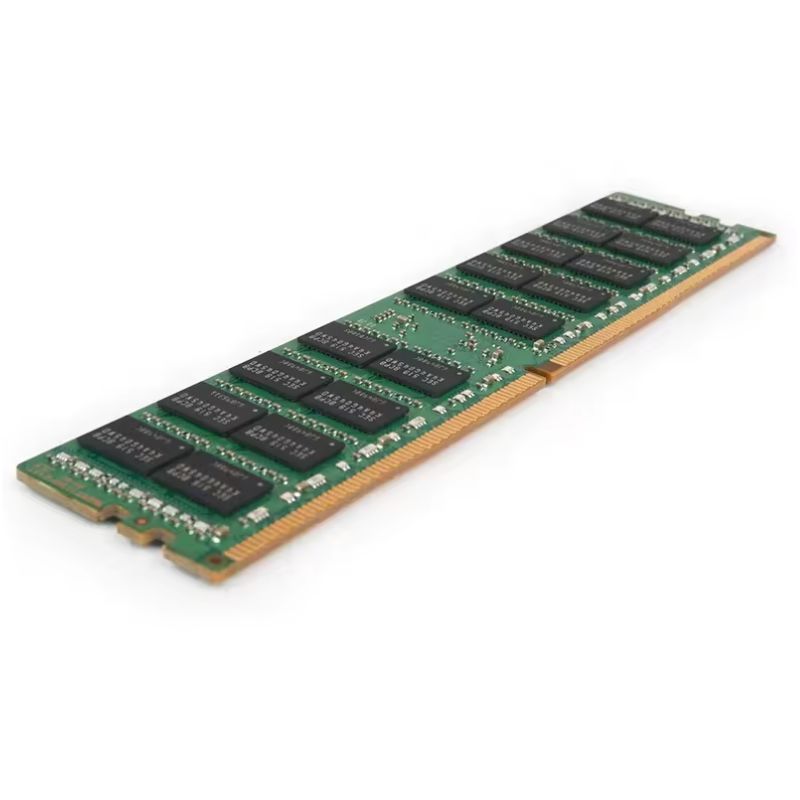


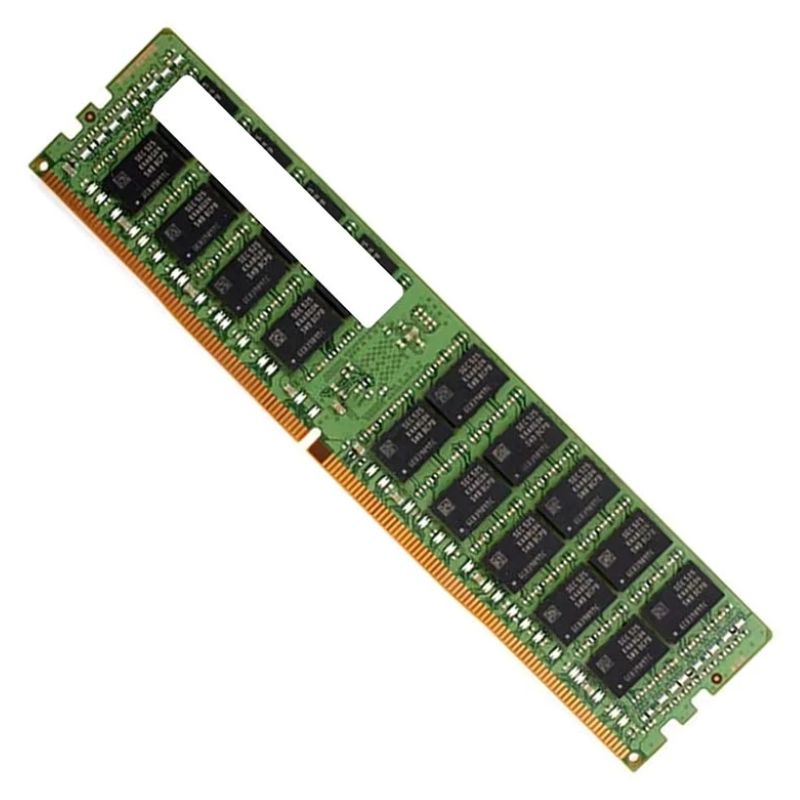
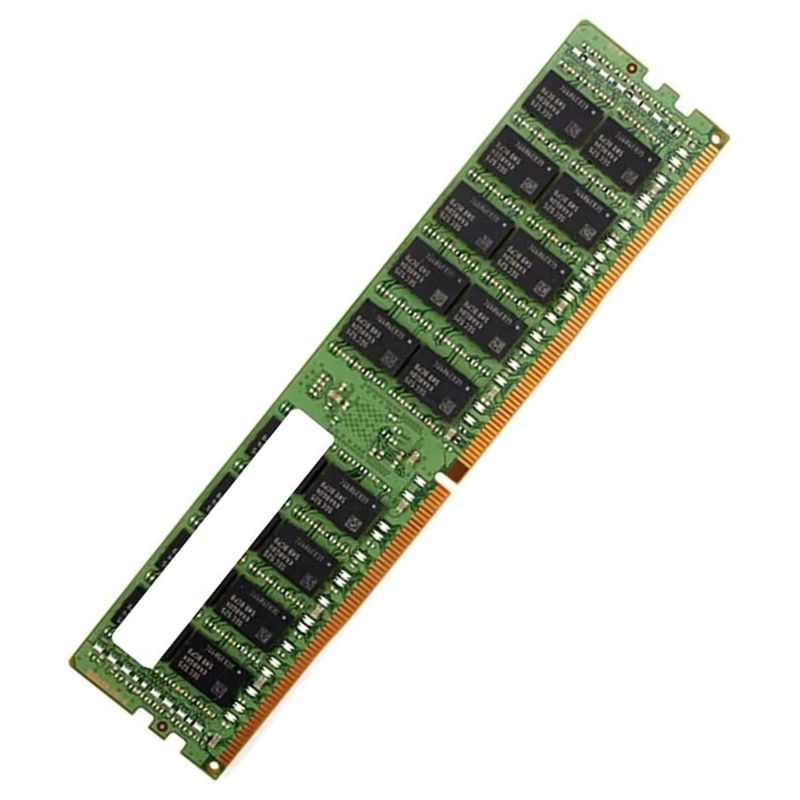
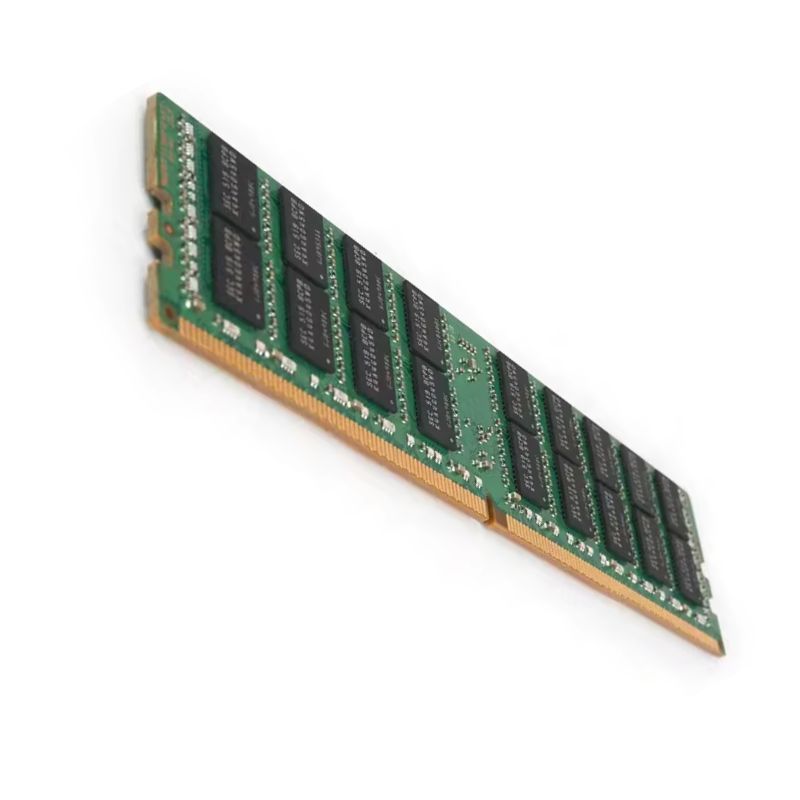
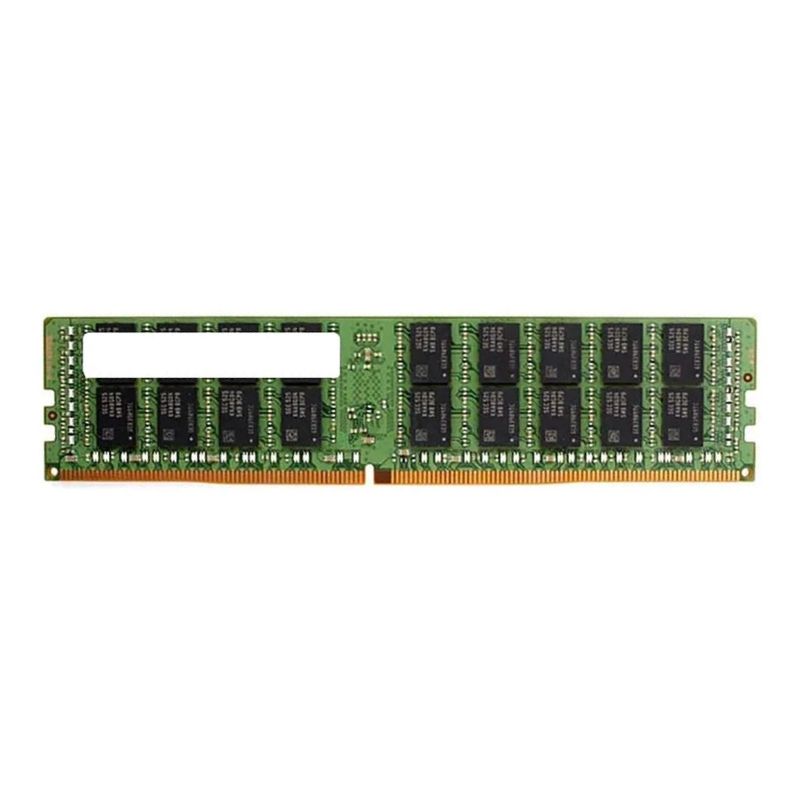
HPE P79991-001 96GB Dual Rank X4 DDR5-6400MHz PC5-51200 EC8 Registered 288-Pin Smart Memory. New Sealed in Box (NIB) with 3-Years Warranty
The HPE P79991-001 96GB Dual Rank X4 DDR5-6400MHz PC5-51200 EC8 Registered 288-Pin Smart Memory is engineered for enterprise-grade computing, delivering exceptional speed, advanced error correction, and reliable performance for mission-critical workloads.
The HPE P79991-001 96GB Dual Rank x4 DDR5-6400MHz PC5-51200 EC8 Registered 288-Pin Smart Memory belongs to a premium enterprise memory category purpose-built for modern HPE server platforms. This category represents a critical layer in data center infrastructure where memory performance, capacity density, reliability, and platform integration converge. DDR5 Registered Smart Memory is engineered to meet the growing demands of data-intensive workloads, cloud-scale virtualization, and mission-critical enterprise applications that require sustained throughput and absolute data integrity.
Registered DIMM technology within this category incorporates a register between the memory controller and DRAM devices, buffering command and address signals to ensure signal stability across large memory configurations. This design enables servers to support higher-capacity modules and populate more memory slots without compromising reliability. HPE Smart Memory further extends this category by adding firmware-level intelligence, validation, and platform-aware optimizations that enhance performance predictability and system health monitoring.
DDR5 technology defines a new generation of enterprise memory by delivering significant increases in bandwidth and efficiency compared to DDR4. Operating at 6400MHz effective speed, PC5-51200 memory modules provide substantially higher data transfer rates, which directly benefit multi-core processors and parallel workloads. This category is designed to keep pace with modern CPUs that feature high core counts and aggressive memory access patterns.
DDR5 architecture introduces dual independent 32-bit subchannels per DIMM, improving concurrency and reducing access contention. This innovation allows memory controllers to service multiple requests simultaneously, increasing effective bandwidth utilization and reducing performance bottlenecks. In enterprise systems running databases, analytics engines, and virtualization platforms, this architectural improvement translates into smoother scaling and more consistent application performance.
While DDR5 memory operates with higher nominal latency values than previous generations, the increased operating frequency offsets this difference, resulting in equal or improved real-world responsiveness. The timing characteristics of DDR5-6400 registered memory are precisely tuned to maintain data integrity at high speeds, even under sustained load. This balance between frequency and latency is critical for enterprise environments where predictable performance is as important as raw throughput.
Enhanced on-die error detection mechanisms and improved signaling standards further contribute to stability. These features allow DDR5 Registered Smart Memory modules to operate reliably at higher speeds, supporting demanding workloads without introducing instability or data corruption.
EC8 error correction defines a core attribute of this memory category, providing single-bit error correction and multi-bit error detection to protect data integrity. In enterprise systems where memory errors can propagate through applications and databases, ECC functionality is essential. HPE Smart Memory integrates tightly with server firmware to ensure that ECC operations are continuously monitored and optimized.
This category is designed for environments that require uninterrupted operation, such as financial systems, healthcare platforms, telecommunications infrastructure, and large-scale enterprise resource planning deployments. ECC Registered memory significantly reduces the risk of system crashes and silent data corruption, contributing to higher uptime and improved operational confidence.
HPE Smart Memory differentiates this category by undergoing extensive qualification and validation specifically for HPE ProLiant and HPE enterprise server platforms. Each module is tested to ensure compatibility, performance consistency, and reliability within supported systems. This validation process allows HPE servers to unlock advanced memory features that may not be available with generic DIMMs.
Platform-aware firmware can identify Smart Memory modules and enable optimized memory profiles, enhanced error reporting, and predictive failure alerts. This level of integration supports proactive maintenance strategies, reducing unplanned downtime and simplifying capacity planning for IT administrators.
Enterprise DDR5 Registered Smart Memory modules are engineered for continuous 24/7 operation in thermally dense server environments. Advanced PCB layouts, high-quality components, and controlled manufacturing processes ensure stable operation across a wide range of temperatures. Thermal efficiency is particularly important in high-density memory configurations where airflow and cooling must be carefully managed.
DDR5 introduces on-module power management integrated circuits, which improve voltage regulation accuracy and reduce power delivery noise. This design enhances overall system stability and contributes to more efficient thermal behavior, supporting higher memory densities without excessive heat generation.
The 96GB capacity of this Smart Memory module places it within a high-density subcategory optimized for scalable enterprise systems. High-capacity DIMMs allow organizations to achieve large total memory footprints with fewer modules, simplifying system design and reducing slot utilization. This is particularly valuable in servers with limited DIMM slots or when planning for future expansion.
Dual Rank architecture enhances memory access efficiency by allowing interleaving across ranks, improving throughput under parallel workloads. Combined with x4 DRAM organization, this design supports robust ECC functionality while maintaining high performance. The result is a memory category well-suited for workloads that demand both capacity and speed.
Virtualization platforms rely heavily on memory capacity and bandwidth to support multiple virtual machines with diverse workloads. High-capacity DDR5 Registered Smart Memory enables higher consolidation ratios, allowing more virtual machines to run per host without resource contention. This category supports dynamic memory allocation strategies used in modern hypervisors, enhancing overall infrastructure efficiency.
In private and hybrid cloud environments, scalable memory configurations are essential for accommodating fluctuating workloads. DDR5-6400 Smart Memory provides the performance headroom needed to adapt to changing demands while maintaining consistent service levels.
Large-scale databases and analytics engines benefit significantly from increased memory capacity and bandwidth. In-memory computing platforms rely on fast, reliable memory to store and process large datasets in real time. The PC5-51200 bandwidth available in this category reduces data access latency and improves query performance.
Enterprise analytics workloads often involve concurrent access to shared datasets, placing heavy demands on memory subsystems. DDR5 Registered Smart Memory supports these workloads by delivering sustained throughput and minimizing contention, enabling faster insights and improved decision-making.
This memory category adheres to the 288-pin DIMM form factor defined by JEDEC for DDR5 Registered modules. Mechanical precision ensures proper seating, reliable electrical contact, and compatibility with supported server platforms. High-quality PCB construction and robust soldering techniques contribute to long-term durability under repeated thermal cycling.
Electrical specifications are tightly controlled to ensure signal integrity at high operating frequencies. Registered buffering reduces the electrical load on the memory controller, allowing stable operation in multi-DIMM configurations. This is critical for enterprise systems that populate all available memory slots to maximize capacity.
DDR5 technology operates at lower core voltages than DDR4, improving energy efficiency per bit transferred. Integrated power management on the DIMM enhances voltage regulation and reduces losses associated with motherboard-based power delivery. In large-scale data centers, these efficiency gains translate into measurable reductions in power consumption and cooling requirements.
HPE Smart Memory supports sustainability initiatives by enabling higher performance and capacity within existing power and thermal envelopes. This allows organizations to expand computing capabilities without proportionally increasing infrastructure costs.
Smart Memory modules communicate with server firmware to provide detailed telemetry on memory health and performance. This interaction enables advanced monitoring features, such as tracking correctable error rates and identifying modules that may require replacement before failure occurs. Predictive analytics at the firmware level help administrators maintain system reliability and plan maintenance activities proactively.
Enhanced visibility into memory behavior supports compliance requirements and service-level agreements by ensuring that systems operate within defined reliability thresholds.
The DDR5 Registered Smart Memory category is optimized for a wide range of enterprise workloads, including enterprise applications, virtualization, containerized services, and high-performance computing. The combination of high bandwidth, large capacity, and robust error correction supports predictable performance across diverse use cases.
Modern enterprise applications often involve microservices architectures and distributed processing models that generate complex memory access patterns. DDR5-6400 Smart Memory provides the responsiveness and throughput required to maintain application performance under these conditions.
AI and machine learning workloads increasingly rely on large memory pools to store models, feature sets, and intermediate results. While accelerators handle computational tasks, CPUs and system memory play a crucial role in data preparation and orchestration. High-capacity DDR5 Registered Smart Memory ensures that data pipelines remain efficient and free from bottlenecks.
ECC protection is particularly important in AI applications where data corruption can lead to inaccurate models or flawed predictions. This memory category safeguards data integrity throughout the training and inference processes.
In edge computing scenarios, servers must deliver high performance within constrained physical and power environments. High-density memory modules allow edge systems to support complex workloads without requiring large hardware footprints. DDR5 Registered Smart Memory supports this consolidation by combining capacity, performance, and efficiency.
Enterprise consolidation initiatives benefit from memory categories that enable more workloads to run on fewer servers. High-capacity DDR5 Smart Memory supports these strategies by maximizing resource utilization and reducing hardware sprawl


 Contact Us
 Information
 Catalog
 Solid State Drives (SSD)
 Network Switches
 Hard Disk Drives
 HBA & Controllers
 PC & Servers
 PC & Server Memory
 CPU & Processors
 Network Routers
 Power Supplies
 Tape Drives & Libraries
 Network Devices
 Computer & Network Cables