(7% discount is applied at checkout)
Cart is empty
Your go-to destination for cutting-edge server products
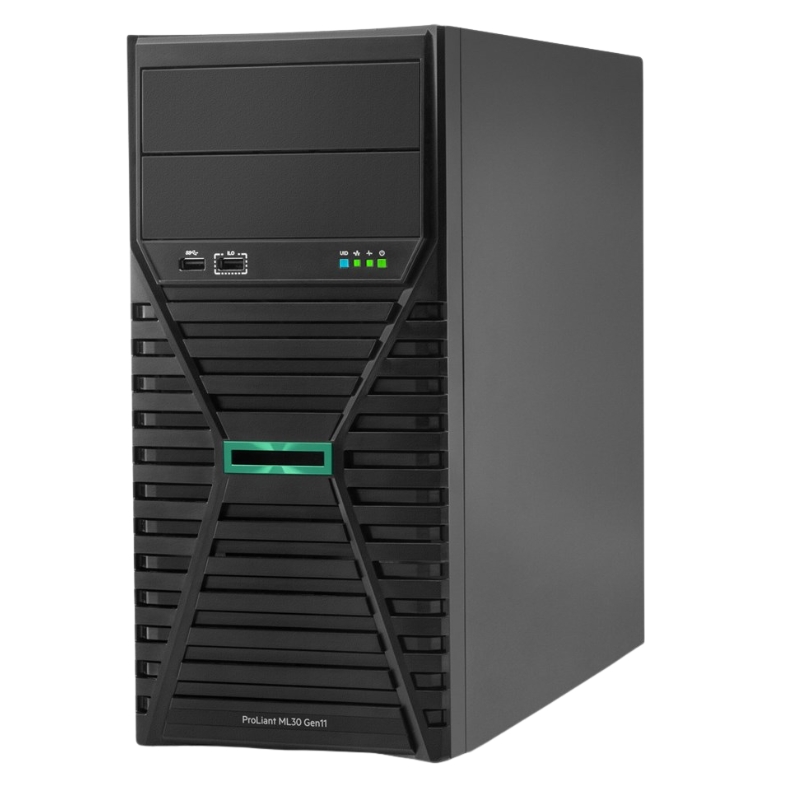


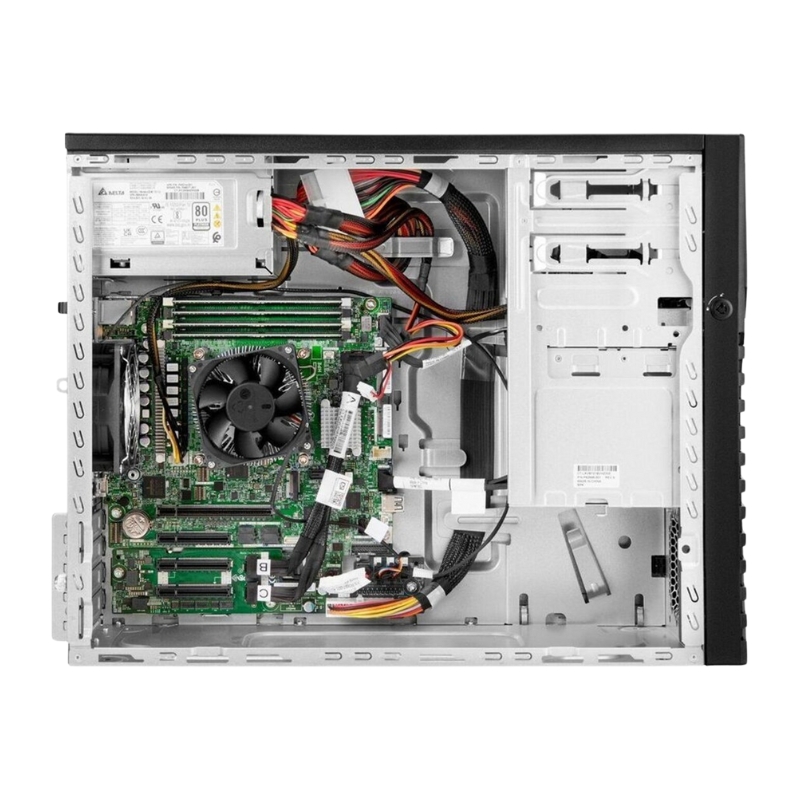
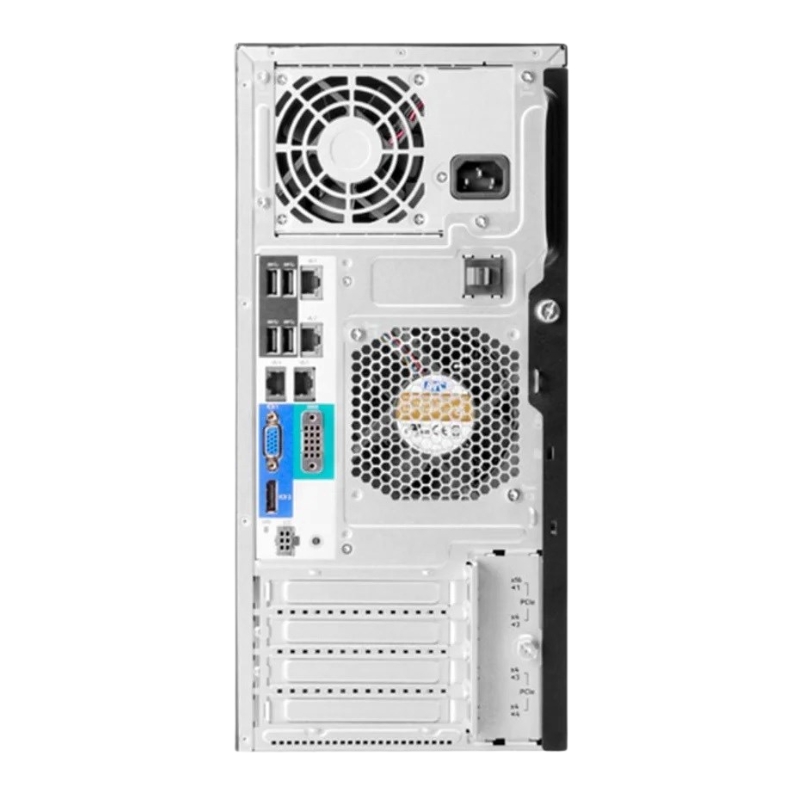
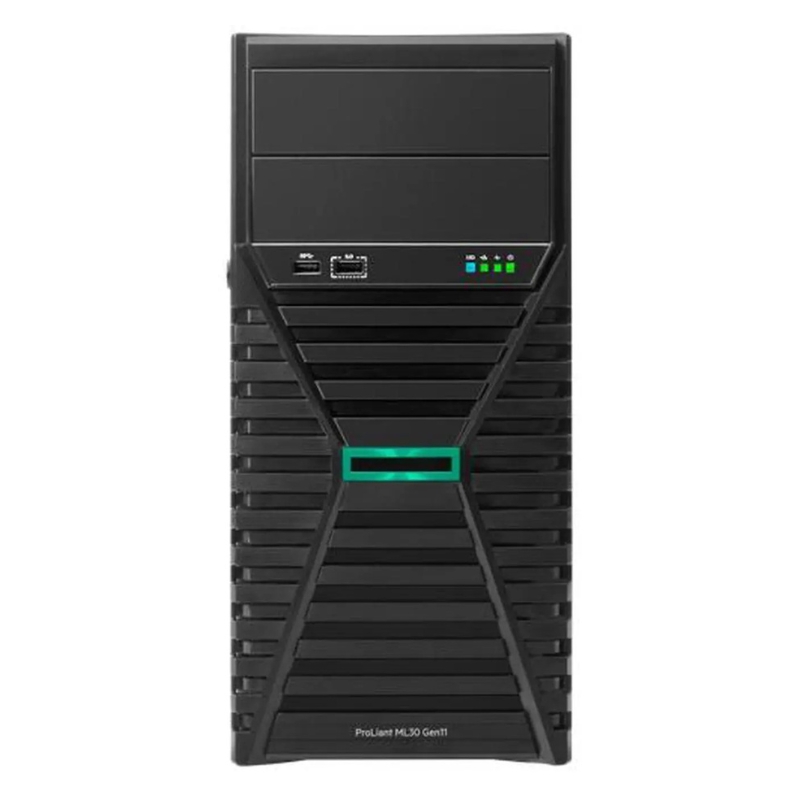
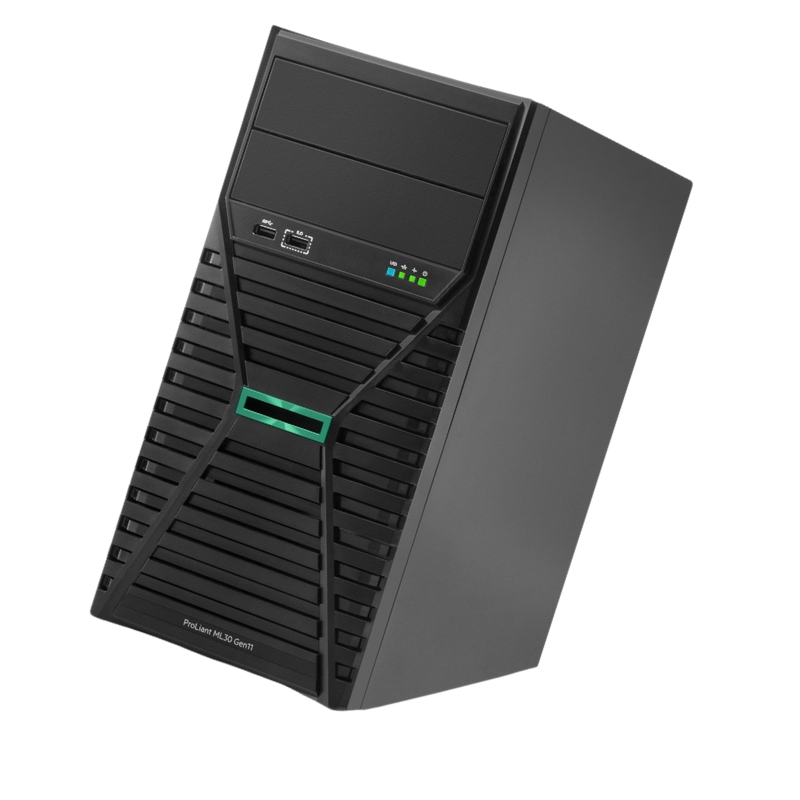
HPE P83316-005 ML30 Gen11 3.1GHZ 6333P 6C 1P 1x32GB-U 8SFF 2x480GB 2x500W PS NA Server. New Cto Build
The HPE ProLiant ML30 Gen11 is a powerful tower server designed for small businesses and enterprise workloads. Featuring Intel® Xeon processors, advanced DDR5 memory, and scalable storage, it delivers reliability and performance for modern IT environments.
The HPE P83316-005 ML30 Gen11 server category represents a powerful class of enterprise-grade tower servers engineered for organizations that demand reliability, performance, and scalability within a compact physical footprint. Built on the HPE ProLiant ML30 Gen11 platform, this category addresses the needs of small to mid-sized businesses, remote offices, branch locations, and specialized workloads that require dependable compute resources without the complexity or overhead of large rack-based infrastructures. The architectural foundation emphasizes efficiency, thermal optimization, and long-term operational stability, making it suitable for continuous operation in diverse environments.
At the core of this category is the balance between workstation-like accessibility and data-center-grade engineering. The ML30 Gen11 design supports modern processors, high-speed memory, flexible storage configurations, and redundant power options, enabling IT administrators to deploy enterprise workloads with confidence. This category is especially relevant for organizations transitioning from legacy systems to modern server architectures, as it provides a familiar tower form factor while delivering next-generation performance capabilities.
This category is defined by its integration of the Intel Xeon Scalable processor family, specifically optimized for business-critical workloads. With a base frequency of 3.1GHz and a six-core configuration, the processor architecture within this category delivers strong single-threaded and multi-threaded performance. This balance is particularly beneficial for applications such as file and print services, virtualization hosts, collaboration platforms, and line-of-business software that require both responsiveness and sustained compute throughput.
The processing design emphasizes advanced instruction sets, enhanced cache hierarchies, and hardware-assisted virtualization technologies. These features allow the server category to support hypervisors efficiently, ensuring predictable performance for multiple virtual machines. Security technologies embedded within the processor architecture further enhance workload isolation and protect sensitive data, aligning this category with modern compliance and governance requirements.
The memory subsystem is a defining characteristic of this server category, featuring next-generation DDR5 unbuffered memory. With an initial configuration of 32GB, the platform provides ample capacity for demanding workloads while supporting future expansion as business needs grow. DDR5 technology introduces higher bandwidth, improved power efficiency, and enhanced reliability features compared to previous generations.
This memory architecture enables faster data access, reduced latency, and improved overall system responsiveness. Applications such as virtualization, in-memory databases, and content management systems benefit significantly from these advancements. The category is designed to support scalable memory configurations, allowing organizations to adapt the system to evolving workload requirements without replacing the entire server.
Enterprise-grade memory reliability is a core focus of this category. Advanced error detection and correction mechanisms help prevent data corruption and system instability. These features are critical for environments where uptime and data integrity are paramount, such as financial services, healthcare systems, and professional services firms.
The memory subsystem works in conjunction with HPE firmware and management tools to monitor health metrics, predict potential failures, and alert administrators proactively. This holistic approach to memory reliability contributes to reduced downtime and lower total cost of ownership.
The storage architecture within this category supports eight small form factor drive bays, offering a versatile foundation for performance-oriented and capacity-driven storage configurations. This flexibility allows organizations to deploy solid-state drives for high-speed data access or combine different drive types to achieve an optimal balance between performance, capacity, and cost.
With support for enterprise-class SSDs, the category enables fast boot times, rapid application loading, and high transaction throughput. This makes it well-suited for workloads such as virtualization, database hosting, and collaborative file sharing. The compact drive design also contributes to improved airflow and thermal efficiency within the chassis.
This category includes configurations with multiple solid-state drives, ensuring that organizations can deploy the server immediately without additional storage integration steps. The use of enterprise-grade SSDs enhances reliability and endurance, supporting continuous read and write operations over extended periods.
Advanced storage controller support enables features such as RAID configurations, data redundancy, and performance optimization. These capabilities ensure data availability and protection, even in the event of individual drive failures, reinforcing the server’s role as a dependable infrastructure component.
Power reliability is a critical consideration in this server category, which includes dual high-efficiency power supplies. This redundant design ensures continuous operation in the event of a power supply failure, reducing the risk of unexpected downtime. For organizations that rely on uninterrupted access to data and services, this level of power resilience is essential.
The power subsystem is engineered to operate efficiently across varying load levels, minimizing energy consumption while maintaining consistent output. This efficiency contributes to lower operational costs and aligns with sustainability initiatives aimed at reducing energy usage and environmental impact.
The power supplies in this category are designed to deliver stable power with minimal heat generation. Intelligent power management firmware dynamically adjusts power delivery based on workload demands, optimizing efficiency without compromising performance. This approach reduces strain on internal components and extends the overall lifespan of the server.
Thermal management systems complement the power architecture by ensuring adequate cooling under all operating conditions. Quiet operation and effective heat dissipation make this category suitable for office environments where noise and ambient temperature control are important considerations.
This server category is designed with scalability in mind, allowing organizations to expand compute, memory, and storage resources as their needs evolve. Expansion slots and modular components provide flexibility for adding network interfaces, storage controllers, or specialized accelerators.
The ability to scale incrementally ensures that investments are protected over time. Organizations can start with a configuration that meets current requirements and expand capabilities without replacing the entire system. This modular approach aligns with budget-conscious planning and long-term growth strategies.


 Contact Us
 Information
 Catalog
 Solid State Drives (SSD)
 Network Switches
 Hard Disk Drives
 HBA & Controllers
 PC & Servers
 PC & Server Memory
 CPU & Processors
 Network Routers
 Power Supplies
 Tape Drives & Libraries
 Network Devices
 Computer & Network Cables