(7% discount is applied at checkout)
Cart is empty
Your go-to destination for cutting-edge server products
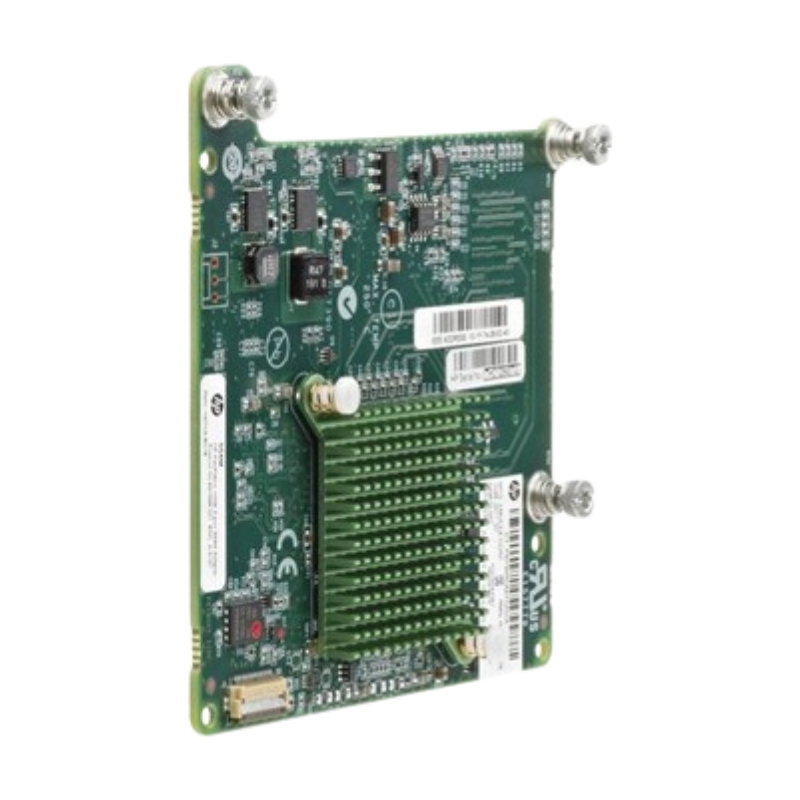


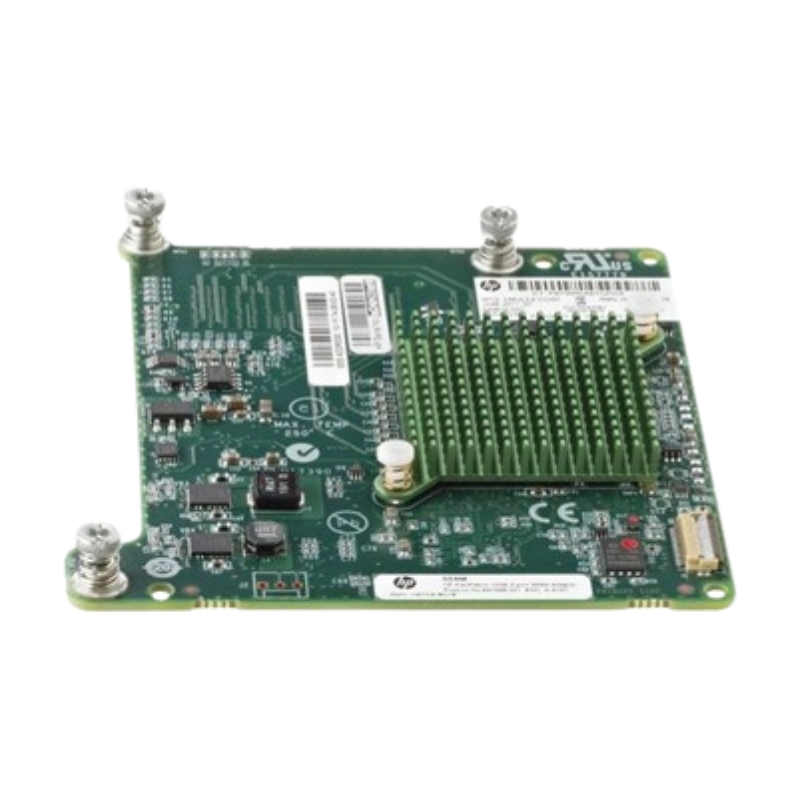
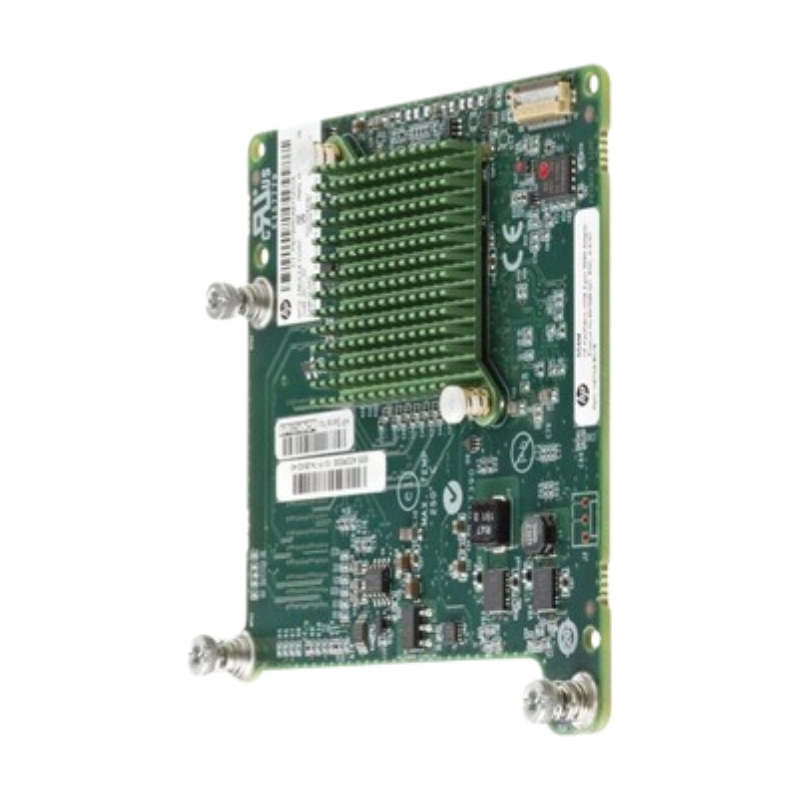
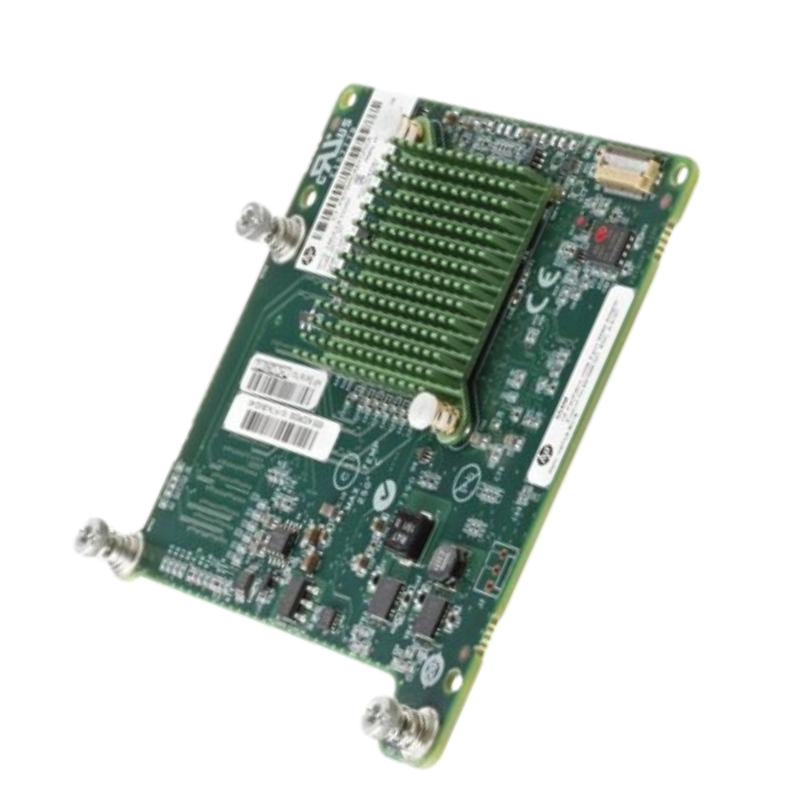
HPE R3X30A Apollo 35 v2 2-Ports Ethernet 1Gb RJ45 Pci Express FIO Network Adapter. Excellent Refurbished with 1 year replacement warranty
The HPE R3X30A Apollo 35 V2 Ethernet 10Gb 2-Port 562T FIO Adapter is designed to deliver high-speed network connectivity, optimized for modern enterprise workloads, and scalable environments. Engineered with reliability in mind, this adapter ensures efficient data throughput while reducing latency, making it an excellent choice for demanding applications such as cloud computing, virtualization, and data-intensive operations.
Built to handle next-generation networking requirements, the HPE R3X30A provides dual-port functionality, ensuring redundancy and increased bandwidth. This adapter supports advanced networking features that optimize traffic flow and minimize congestion, resulting in a smooth and consistent data communication process.
The adapter is optimized for seamless integration with HPE Apollo 35 V2 servers, ensuring smooth deployment within enterprise environments. Its FIO design enables hassle-free installation, making it an essential component for organizations requiring reliable high-speed networking for scalable infrastructures.
The HPE R3X30A adapter is suitable for a wide range of scenarios, from enterprise virtualization environments to high-performance cloud infrastructure. It enables organizations to achieve better scalability, faster data access, and improved resource allocation across networks.
The adapter is engineered with durability in mind, offering stable long-term performance even under heavy workloads. With support for error detection, correction, and advanced offload technologies, it minimizes network bottlenecks while maintaining high throughput.
The HPE R4H18A (Aruba AP-575) is a purpose-built outdoor Wi‑Fi 6 (802.11ax) access point engineered to deliver resilient, high-capacity wireless connectivity in harsh external environments. Designed for campuses, stadiums, parking areas, transit hubs, and distributed public venues, this ruggedized AP combines multi‑gigabit performance, integrated IoT radios, enterprise-grade security, and streamlined deployment options to support dense client populations and modern Internet of Things (IoT) use cases.
The AP‑575 is a dual‑radio device that separates client traffic across a 5 GHz radio and a 2.4 GHz radio. The 5 GHz radio implements 4x4 MIMO to provide improved spatial streams for high‑throughput clients, while the 2.4 GHz radio runs 2x2 MIMO to maintain broad legacy compatibility and longer-range coverage.
Real‑world performance depends on environment, channel plan, and client capability. The AP‑575 supports multi‑gigabit aggregate on‑air rates from its combined radios and is optimized to handle many concurrent clients typical of stadiums, campuses, and large public venues. When planning capacity, consider a mixture of 5 GHz‑capable clients (to leverage 4x4 streams) and 2.4 GHz legacy devices.
A major value proposition of the AP‑575 is its built‑in Bluetooth 5 and 802.15.4 radios (Zigbee compatible), which allow the access point to function as an IoT gateway. This dramatically reduces infrastructure complexity when deploying location services, beacons, asset tracking, environmental sensors, and low‑power IoT endpoints.
The AP‑575’s enclosure is engineered for outdoor use: waterproof seals, corrosion‑resistant materials, and an internal thermal design that tolerates wide temperature swings. These design choices minimize service interventions and extend operational life in exposed deployments.
Support for Power over Ethernet (PoE) simplifies installation by enabling both data and power delivery over a single Ethernet cable. The AP‑575 is compatible with common PoE standards and supports remote power cycling for maintenance and recovery.
The AP‑575 integrates Aruba’s security stack, providing enterprise authentication options (802.1X, RADIUS), WPA3 encryption, secure management channels, and role‑based policies. Out‑of‑the‑box compatibility with ArubaOS and Aruba Central ensures unified policy enforcement and simplified credential management.
Support for virtual LANs (VLANs), dynamic segmentation, and captive portal workflows allows IT teams to carve separate guest, employee, and IoT networks without additional overlay infrastructure.
Use Aruba Central or on‑prem ArubaOS controllers for centralized monitoring, firmware management, client analytics, and location services. These tools offer troubleshooting dashboards, proactive alerts, and historical reporting to optimize coverage and throughput.
The AP‑575 is particularly well suited for: large outdoor campuses, parking structures, transit platforms, stadium concourses, and municipal Wi‑Fi projects. When planning deployments, combine RF simulations with on‑site surveys to determine antenna placement, backhaul requirements, and PoE provisioning.
In stadiums and arenas, deploy AP‑575 units with overlapping coverage zones and carefully tuned power and channel plans to prevent co-channel interference. Strategically place APs in concourses and high-traffic gathering areas to handle peak loads during events.
For linear environments like sidewalks, transit platforms, and parking lanes, pole-mount installations with directional planning ensure consistent coverage and handover behaviors for moving clients.
The AP‑575 family includes regionally compliant SKUs for regulatory and frequency band differences. When ordering, confirm the SKU matches your country/region to ensure regulatory compliance and appropriate antenna tuning.


 Contact Us
 Information
 Catalog
 Solid State Drives (SSD)
 Network Switches
 Hard Disk Drives
 HBA & Controllers
 PC & Servers
 PC & Server Memory
 CPU & Processors
 Network Routers
 Power Supplies
 Tape Drives & Libraries
 Network Devices
 Computer & Network Cables