(7% discount is applied at checkout)
Cart is empty
Your go-to destination for cutting-edge server products
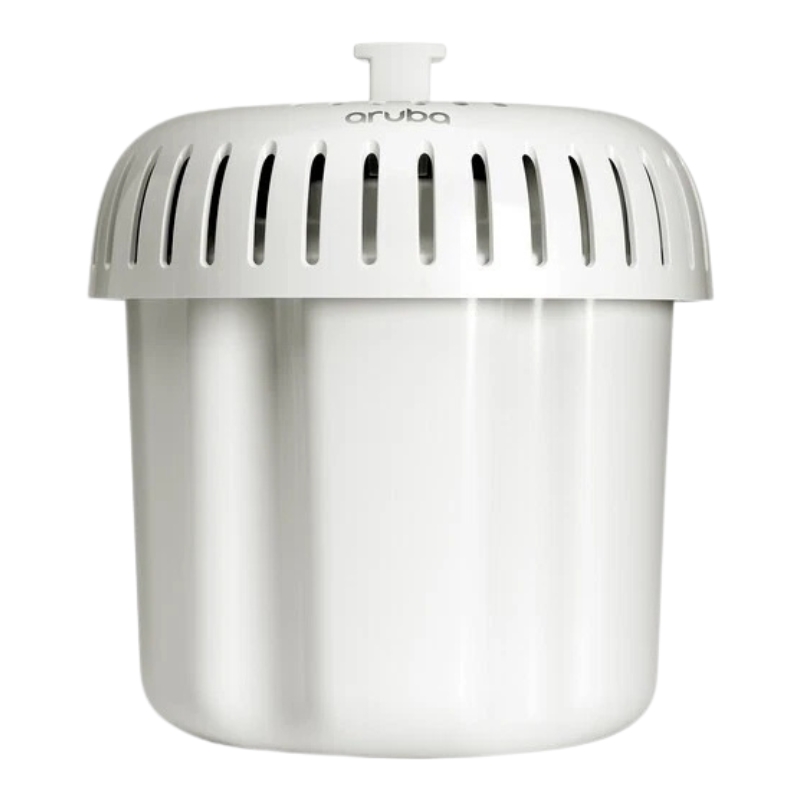


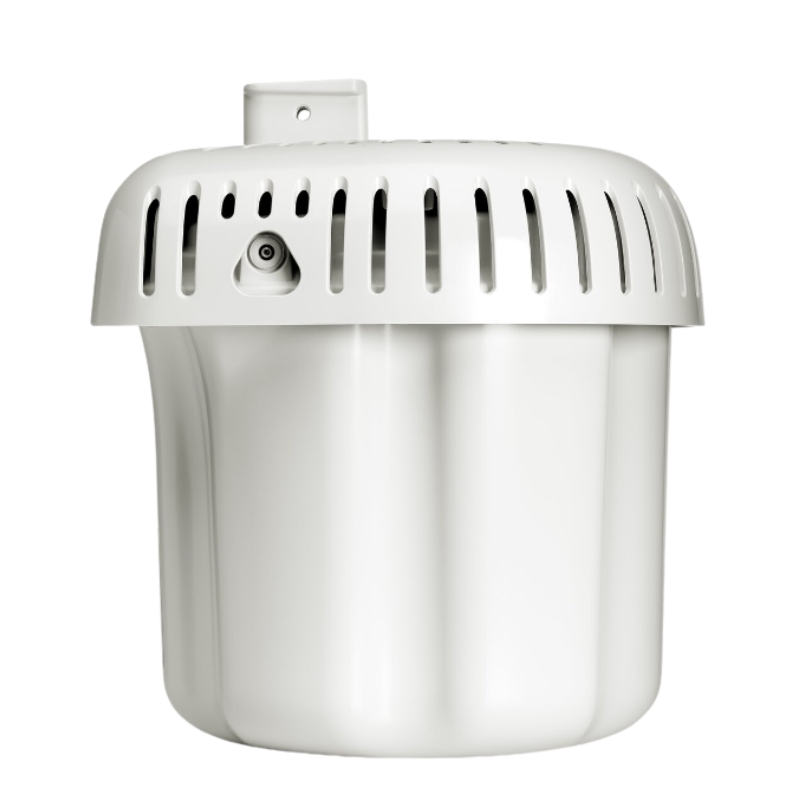
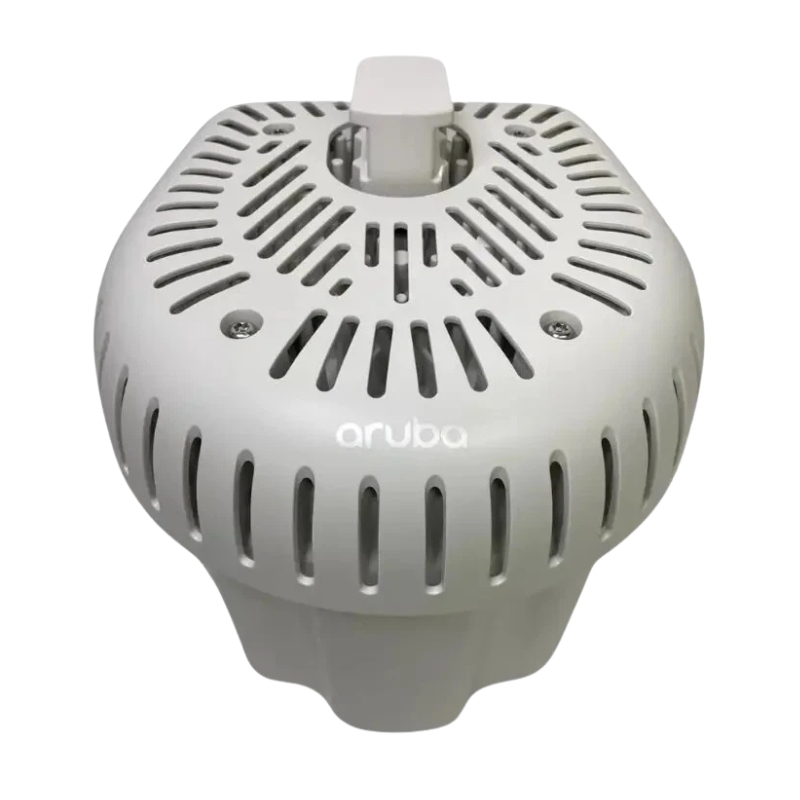
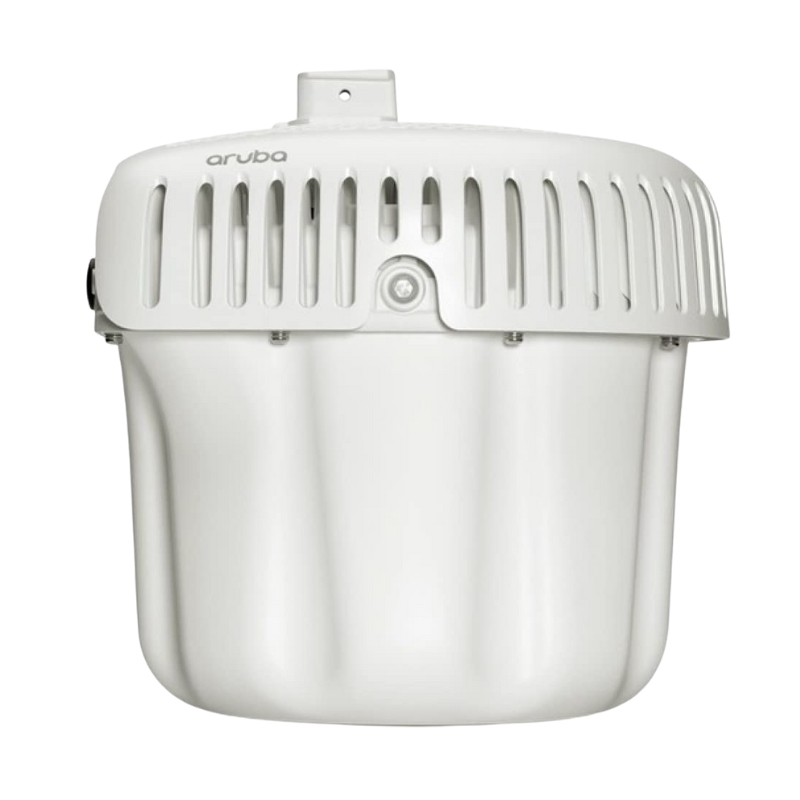
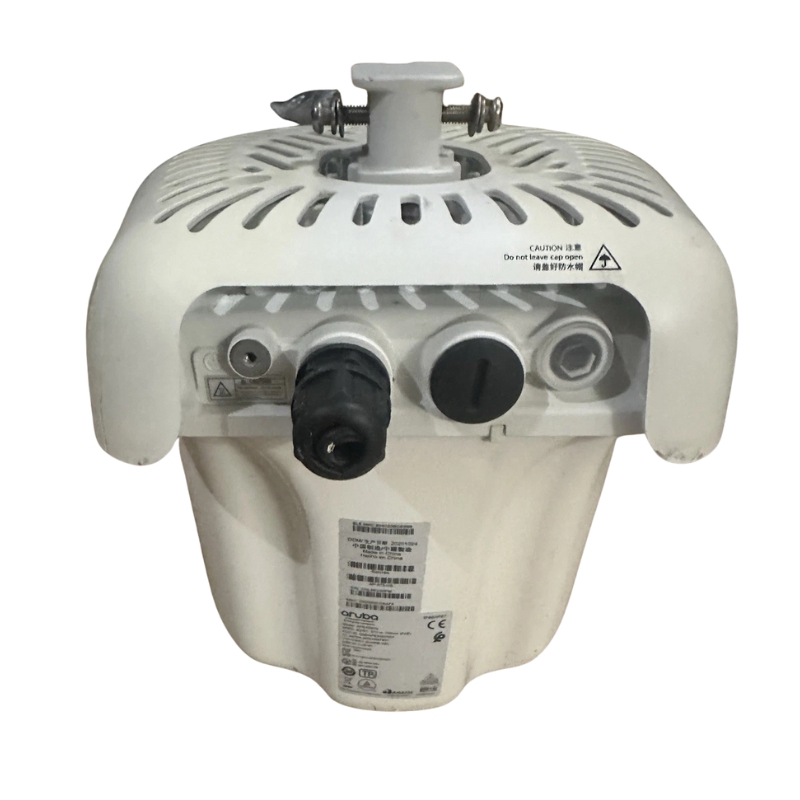
HPE R4H18A Aruba AP-575 Outdoor WiFi 6 2.4/5GHz Wireless Access Point. Factory-Sealed New in Original Box (FSB) With 3 Years Warranty
The HPE R4H18A Aruba AP-575 (US) is a next-generation outdoor Wi-Fi 6 access point engineered for high-density deployments, seamless connectivity, and enterprise-grade performance. Built to endure challenging environments, this rugged device ensures uninterrupted network access for businesses, campuses, and public venues. With its advanced security protocols, intelligent radio technologies, and multi-gigabit throughput, it redefines outdoor wireless networking.
Designed to leverage the efficiency of IEEE 802.11ax (Wi-Fi 6), the Aruba AP-575 delivers unparalleled speed and responsiveness. It operates across dual frequency bands—2.4 GHz and 5 GHz—providing optimal load balancing, improved spectrum utilization, and stable connections for a wide variety of devices.
The AP supports modern modulation formats including 1024-QAM, 256-QAM, 64-QAM, and others, enabling superior spectral efficiency and reliable transmission in congested wireless environments.
Optimized for large-scale outdoor deployments, the Aruba AP-575 supports an impressive number of concurrent connections while maintaining low latency and consistent performance.
Security is a cornerstone of Aruba’s design. The AP-575 includes a comprehensive suite of encryption algorithms and compliance standards, making it suitable for organizations with stringent data protection requirements.
Purpose-built for exterior environments, the outdoor access point withstands extreme weather conditions without compromising performance. Its compact form factor and omni-directional internal antennas provide extensive coverage while maintaining reliability in open-air scenarios.
Flexible connectivity options ensure seamless integration into existing infrastructures. From wired uplinks to USB-based expansion, the AP-575 adapts to various enterprise needs.
The Aruba AP-575 brings a wealth of next-gen features that collectively improve user experience and network reliability.
Easy monitoring and maintenance are achieved through built-in LED indicators and control options, ensuring administrators maintain visibility into the network’s health.
The HPE R4H18A Aruba AP-575 provides unmatched flexibility, speed, and security, making it a top choice for enterprises that require reliable outdoor wireless infrastructure.
The HPE R4H18A Aruba AP-575 Outdoor WiFi 6 2.4/5GHz Wireless Access Point defines the high-performance category of outdoor-rated Wi‑Fi 6 (802.11ax) access points. This category is focused on delivering enterprise-grade connectivity for open-air deployments such as stadiums, campuses, municipal networks, hospitality exteriors, transportation hubs, industrial zones, and large outdoor venues. These access points balance ruggedized hardware with cutting-edge wireless technologies — OFDMA, MU‑MIMO, BSS Coloring, and advanced channel utilization — to serve dense client populations with predictable throughput, low latency, and robust roaming.
The AP‑575 series (HPE Aruba R4H18A) is engineered to deliver a combination of throughput, client density handling, and outdoor durability. Unlike indoor APs, outdoor models like the AP‑575 have thermal design, weatherproof gaskets, and lightning protection to survive direct exposure to the elements while continuing to deliver advanced WLAN functions. This category emphasizes multi-user performance — enabling simultaneous high-bandwidth applications such as UHD video streaming, real-time analytics, POS systems, and large-scale IoT sensor networks.
Wi‑Fi 6 introduces OFDMA (Orthogonal Frequency Division Multiple Access) and enhanced MU‑MIMO which significantly improve spectral efficiency. For the AP‑575 category, OFDMA enables resource unit (RU) allocation for numerous low-data-rate devices simultaneously — a major advantage for mixed deployments with smartphones, tablets, access control devices, and sensors. MU‑MIMO improves spatial reuse for higher-throughput clients while BSS Coloring minimizes co-channel interference in dense outdoor installations.
These APs support dynamic frequency selection (DFS), automatic power control, and adaptive channel width management to maximize available spectrum while respecting regulatory constraints. The AP‑575 category is optimized to use wider channels on 5 GHz where permissible, while intelligently reverting to narrower channels when interference or DFS events occur.
Outdoor-ready access points in this category incorporate hardened housings with ratings such as IP67 or comparable ingress protection, wide operating temperature ranges, and mounting flexibility (pole, wall, or rooftop). The AP‑575 typically includes integrated or external antennas with omnidirectional and sector choices, surge protection for Ethernet interfaces, and robust grounding points to satisfy installation standards in challenging climates.
Stadiums and concert venues require APs that can serve tens of thousands of simultaneous users with high reliability. The AP‑575 category supports dense client handoffs, client balancing features, and airtime fairness controls—essential for peak-event environments where streaming and social sharing are bandwidth-intensive and highly latency-sensitive.
University quads, walkways, athletic fields, and outdoor study areas benefit from outdoor Wi‑Fi 6 APs that provide continuous coverage across large footprints. The AP‑575 series supports centralized policy distribution — allowing IT administrators to enforce student device policies, guest access, and secure roaming between indoor and outdoor networks.
In hospitality environments, a consistent guest experience comes from predictable Wi‑Fi coverage outdoors as well as indoors. Outdoor APs enable property-wide services such as mobile check-in, digital signage, and guest analytics — all while safeguarding guest privacy and segmentation of guest traffic.
Municipal and transportation deployments often require outdoor APs to provide secure public internet, operational telemetry, and device interconnectivity for CCTV, vehicle tracking, or environmental sensors. AP‑575-class devices commonly integrate with municipal network backhaul plans and meet compliance requirements such as public safety communications.
Aruba outdoor APs typically operate in multiple management modes: controller-managed (Aruba Mobility Controllers), cloud-managed (Aruba Central), and standalone/instant modes for smaller environments. Choose a management model based on scale, feature needs, and existing infrastructure. Large enterprise customers often prefer controller-based deployments for advanced RF and security policy orchestration, while cloud-managed options suit distributed sites and centralized IT operations.
AP‑575-class devices integrate with RADIUS servers, captive portals, analytics platforms, location services, and NAC (network access control) systems. For service providers, integration with billing, guest-access, and subscriber management platforms is a common requirement. Ensure compatibility matrices are reviewed for ArubaOS firmware versions and third-party orchestration tools.
Regular firmware updates are essential for patching vulnerabilities and adding performance optimizations. Aruba Central simplifies lifecycle management across distributed fleets, providing scheduled updates, rollback capabilities, and granular release controls to reduce operational risk.
When evaluating AP‑575 devices, focus on real-world metrics such as concurrent client capacity, aggregate throughput under mixed loads, roaming latency, and airtime utilization. Synthetic benchmarks can be informative, but field performance — especially in outdoor multipath and interference-prone environments — is the true measure of success.
The AP‑575 is engineered for high aggregate throughput by supporting multiple spatial streams and efficient modulation schemes (up to 1024-QAM in Wi‑Fi 6). Expect better individual-user experience in environments where the AP can assign MU‑MIMO and OFDMA resources dynamically to match client capability.
Quality of Service (QoS) is crucial for voice and real-time applications. The category supports 802.11e/WMM prioritization and can be integrated with network-level QoS policies. Effective airtime fairness and dynamic bandwidth allocation ensure that latency-sensitive applications maintain consistent performance even during peak demand.
Modern enterprise APs in this category support WPA3, enhanced open (OWE), 802.1X/EAP methods, and certificate-based authentication. These mechanisms protect user traffic and reduce the risk of eavesdropping or rogue device infiltration. Aruba solutions also offer micro-segmentation and dynamic role assignment to segregate guest, employee, and IoT traffic.
Many outdoor deployments benefit from analytics for footfall counting, dwell-time analysis, and location-based services. Aruba's analytics features can anonymize or aggregate user data to meet privacy regulations while still delivering business intelligence. Administrators should align data retention and anonymization practices with local laws such as GDPR or equivalent privacy statutes where applicable.
Outdoor APs must adhere to regional radio regulations, DFS channel rules, and power limitations. Verify that the specific AP SKU is certified for your jurisdiction and that antenna gain, EIRP calculations, and installation heights comply with local standards.
Entry-level outdoor APs typically offer basic 802.11ac or low-tier Wi‑Fi 6 features, limited spatial streams, and smaller antenna options. They are cost-effective for light-usage outdoor zones but may struggle with dense client loads or advanced security requirements.
Higher-tier outdoor APs include models with integrated multi-gig uplinks, advanced beamforming, and additional environmental tolerances for extreme conditions. The AP‑575 category often sits in the middle-to-upper range — offering a balance of enterprise features and reasonable cost for larger rollouts.


 Contact Us
 Information
 Catalog
 Solid State Drives (SSD)
 Network Switches
 Hard Disk Drives
 HBA & Controllers
 PC & Servers
 PC & Server Memory
 CPU & Processors
 Network Routers
 Power Supplies
 Tape Drives & Libraries
 Network Devices
 Computer & Network Cables