(7% discount is applied at checkout)
Cart is empty
Your go-to destination for cutting-edge server products
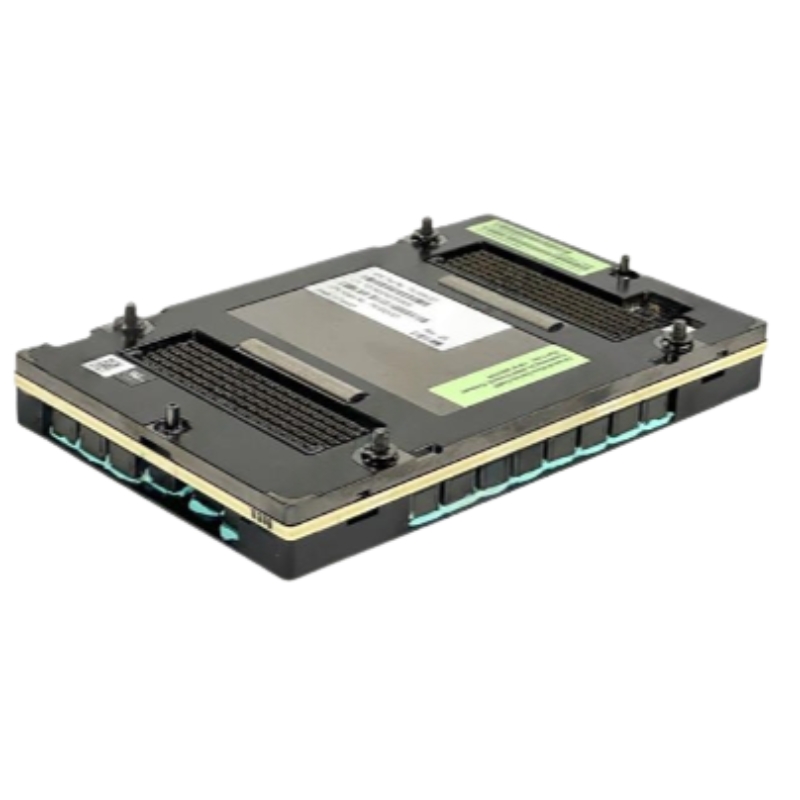


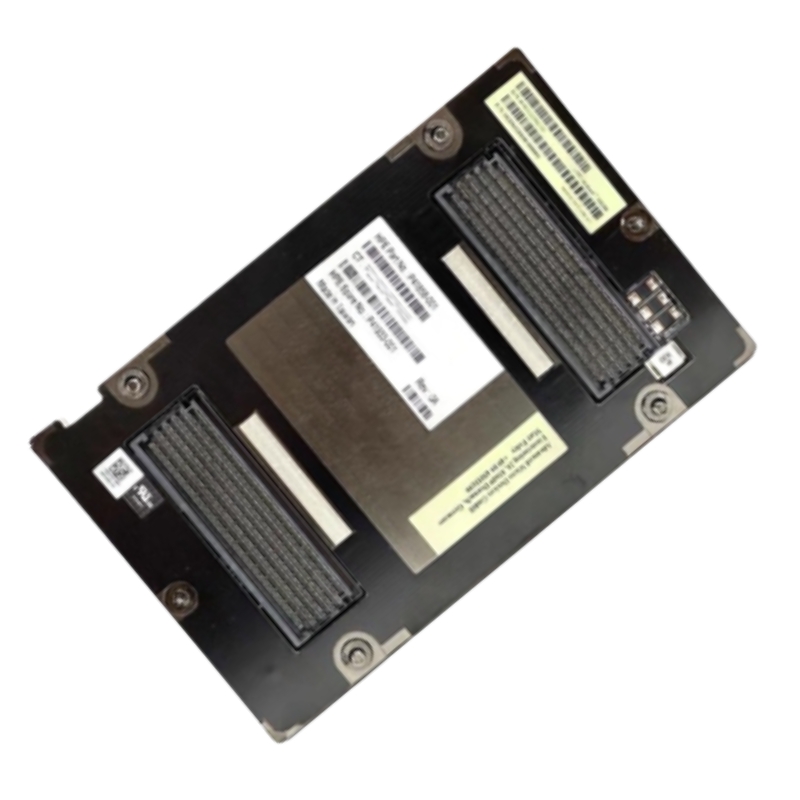
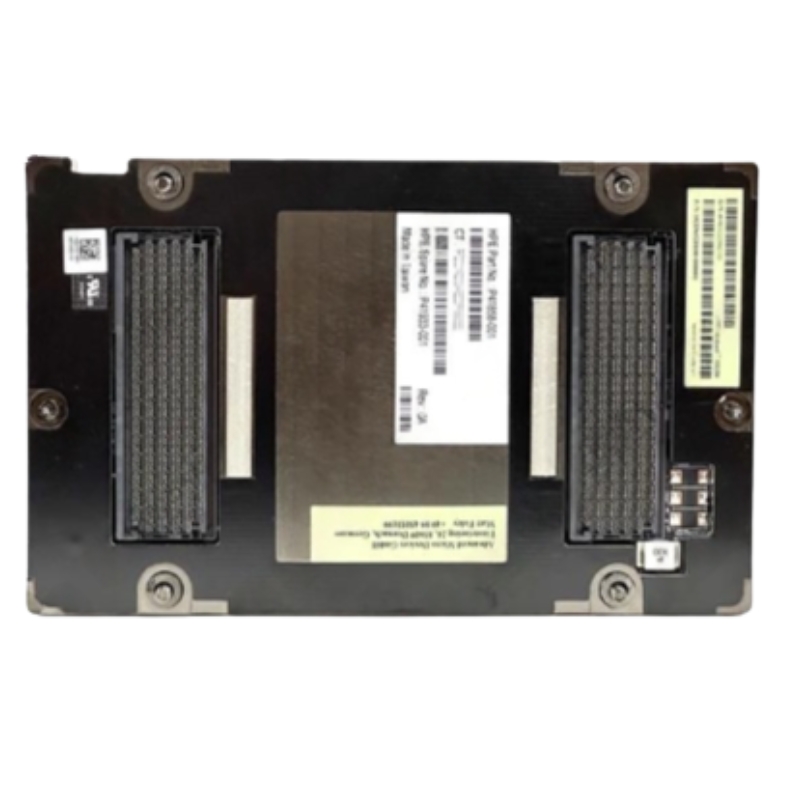
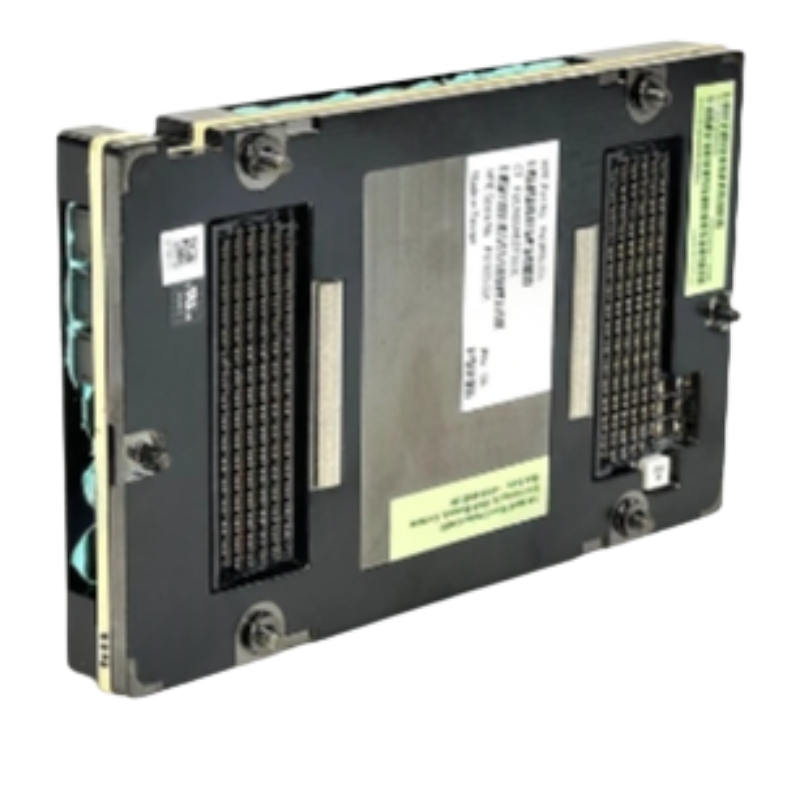
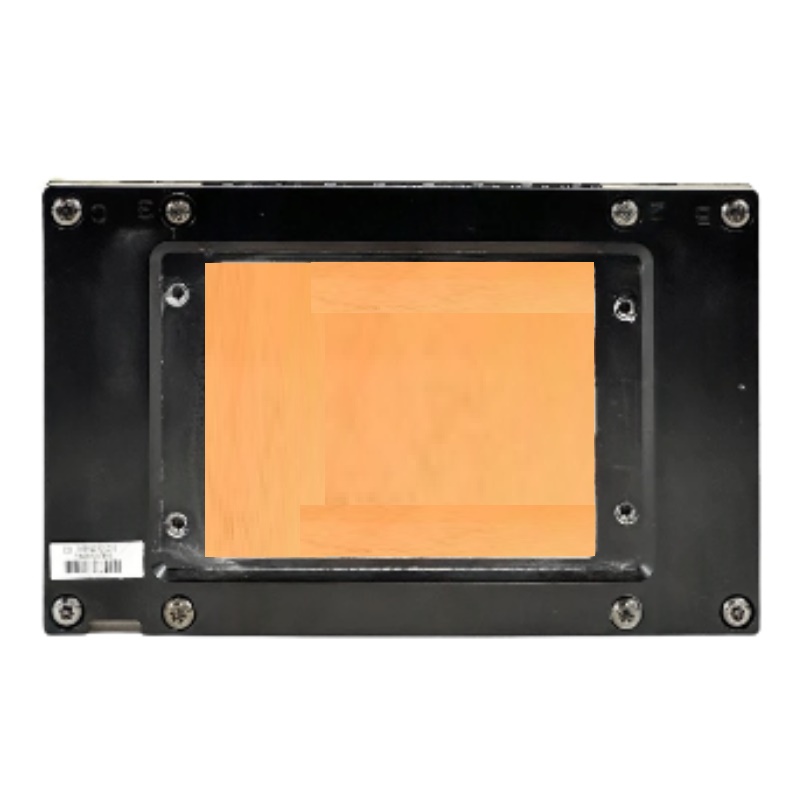
HPE R7L69A 128GB AMD MI25X OAM MCM HBM2E SPL FIO Accelerator. Excellent Refurbished with 1-Year Replacement Warranty
The HPE R7L69A AMD MI25X OAM MCM SPL FIO Accelerator is a cutting-edge computing solution engineered for high-performance workloads, artificial intelligence, and advanced data processing.
The HPE R7L69A AMD MI25X OAM MCM SPL FIO Accelerator belongs to a specialized category of enterprise-grade compute accelerators designed to meet the increasing demands of high-performance computing, artificial intelligence workloads, large-scale data analytics, and advanced visualization environments. This category focuses on accelerators that are optimized for parallel processing, memory bandwidth efficiency, and seamless integration into modern data center architectures. Unlike consumer or workstation GPUs, enterprise accelerators are engineered for continuous operation, predictable performance, and compatibility with server-class platforms. Within this category, the AMD MI25X-based accelerator distinguishes itself through its Open Accelerator Module (OAM) form factor, multi-chip module (MCM) design, and support for advanced floating-point and integer operations. These characteristics align the product category with next-generation compute infrastructures that prioritize modularity, scalability, and energy efficiency. Organizations investing in this category typically seek accelerators that can support demanding workloads while maintaining long-term reliability and vendor-backed lifecycle management.
The AMD Instinct accelerator category represents a portfolio of data center-focused compute accelerators designed to accelerate massively parallel workloads. Products in this category leverage AMD GPU architectures that emphasize compute density, high throughput, and strong memory subsystem performance. The MI25X platform fits squarely into this category by offering a balance between raw computational power and enterprise-ready deployment features. This category is particularly relevant for enterprises running simulation models, inference pipelines, and parallelized compute tasks. The architectural focus on wide vector processing and optimized memory access patterns ensures that accelerators like the MI25X can handle diverse workloads efficiently. By targeting server and cloud environments rather than desktop systems, this category delivers predictable performance under sustained load conditions.
The Open Accelerator Module form factor is a defining characteristic of this accelerator category. OAM is designed to enable higher power delivery, improved thermal performance, and tighter integration with system boards compared to traditional PCIe-based accelerators. The HPE R7L69A falls under the OAM category, making it suitable for dense compute nodes where space efficiency and airflow optimization are critical. This form factor allows system architects to design platforms with direct connections between accelerators and CPUs, reducing latency and improving bandwidth utilization. In enterprise deployments, this category supports scalable architectures where multiple accelerators can be deployed within a single node or across clustered systems.
The multi-chip module design places this accelerator into a category of advanced packaging technologies that combine multiple silicon dies into a single module. This approach enhances compute density while allowing better yield management during manufacturing. In the MI25X category, MCM design contributes to higher aggregate performance and improved power efficiency. For enterprises, this category offers a pathway to higher performance without requiring entirely new system architectures. MCM-based accelerators can scale compute capabilities while maintaining compatibility with existing infrastructure standards.
The HPE R7L69A AMD MI25X accelerator belongs to a category optimized for mixed-precision compute workloads. This includes support for single-precision floating-point operations, half-precision workloads, and integer-based calculations. These capabilities make this category suitable for machine learning inference, scientific simulations, and data analytics applications. In enterprise environments, accelerators in this category are valued for their ability to deliver consistent throughput across varying workload types. The balanced support for different numerical formats ensures flexibility when deploying diverse applications within the same infrastructure.
This category is particularly aligned with artificial intelligence and machine learning workloads that require high parallelism and efficient memory access. The MI25X accelerator category supports deep learning inference pipelines, training acceleration, and model optimization tasks. Enterprises leveraging AI-driven decision systems benefit from accelerators that can process large datasets quickly and reliably. The category emphasizes deterministic performance, making it suitable for production AI environments where latency and throughput predictability are essential. By integrating into HPE server ecosystems, this category supports end-to-end AI infrastructure strategies.
High-performance computing workloads such as computational fluid dynamics, molecular modeling, and financial risk analysis are core use cases for this accelerator category. The MI25X platform is positioned to handle vectorized computations and large-scale parallel tasks efficiently. Enterprises and research institutions adopting this category gain access to accelerators that can be scaled across clusters, enabling distributed computing scenarios. This category supports both on-premises and hybrid cloud HPC deployments.
The memory subsystem is a critical differentiator within the accelerator category. Products like the HPE R7L69A AMD MI25X are engineered to provide high memory bandwidth, ensuring that compute units remain fully utilized. This category prioritizes memory efficiency to reduce bottlenecks in data-intensive workloads. High-bandwidth memory integration and optimized cache hierarchies place this accelerator within a category that excels at handling large datasets. Enterprises working with real-time analytics and simulation data benefit from accelerators that minimize data transfer latency.
This category supports scalable data throughput, allowing accelerators to handle increasing workload sizes without performance degradation. The MI25X-based accelerator is designed to maintain consistent throughput even under sustained load conditions. Such characteristics make this category suitable for enterprise environments where workloads can fluctuate significantly over time. Scalability ensures that infrastructure investments remain viable as data volumes grow.
Enterprise accelerators are expected to deliver high performance while maintaining manageable power consumption and thermal output. The HPE R7L69A belongs to a category that emphasizes efficient power delivery and advanced thermal management. This ensures stable operation within dense server environments. Power efficiency is a key consideration for data centers aiming to reduce operational costs. Accelerators in this category are engineered to maximize performance per watt, aligning with sustainability initiatives and energy efficiency goals.
This category is designed for continuous operation, supporting 24/7 workloads without performance degradation. The MI25X accelerator classification includes enterprise-grade components and validation processes to ensure long-term reliability. Such reliability is critical for mission-critical applications where downtime can have significant financial or operational impacts. Enterprises choose this category to ensure consistent service delivery.
The MI25X accelerator category is designed to support virtualization and cloud-based deployments. This includes compatibility with hypervisors, container platforms, and orchestration frameworks commonly used in modern data centers. Cloud readiness ensures that enterprises can deploy accelerators in private, public, or hybrid cloud environments. This category supports flexible deployment models, enabling organizations to adapt infrastructure strategies as business needs evolve.
This category supports multi-tenant workload scenarios, allowing multiple applications or users to share accelerator resources efficiently. Such capability is critical for service providers and large enterprises running shared compute environments. By enabling resource partitioning and isolation, this category ensures fair resource allocation and predictable performance across tenants.


 Contact Us
 Information
 Catalog
 Solid State Drives (SSD)
 Network Switches
 Hard Disk Drives
 HBA & Controllers
 PC & Servers
 PC & Server Memory
 CPU & Processors
 Network Routers
 Power Supplies
 Tape Drives & Libraries
 Network Devices
 Computer & Network Cables