(7% discount is applied at checkout)
Cart is empty
Your go-to destination for cutting-edge server products
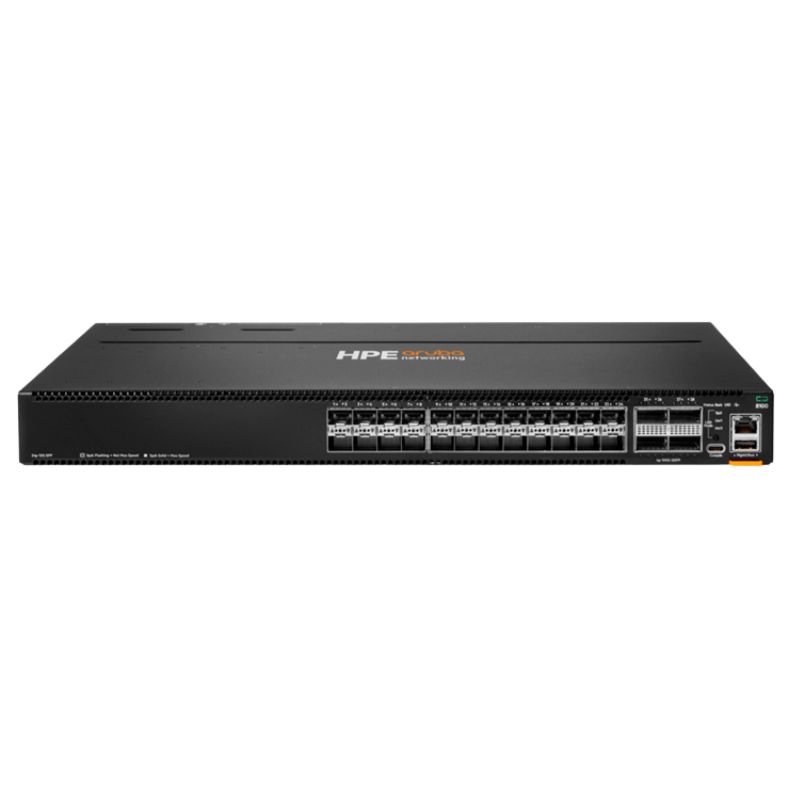


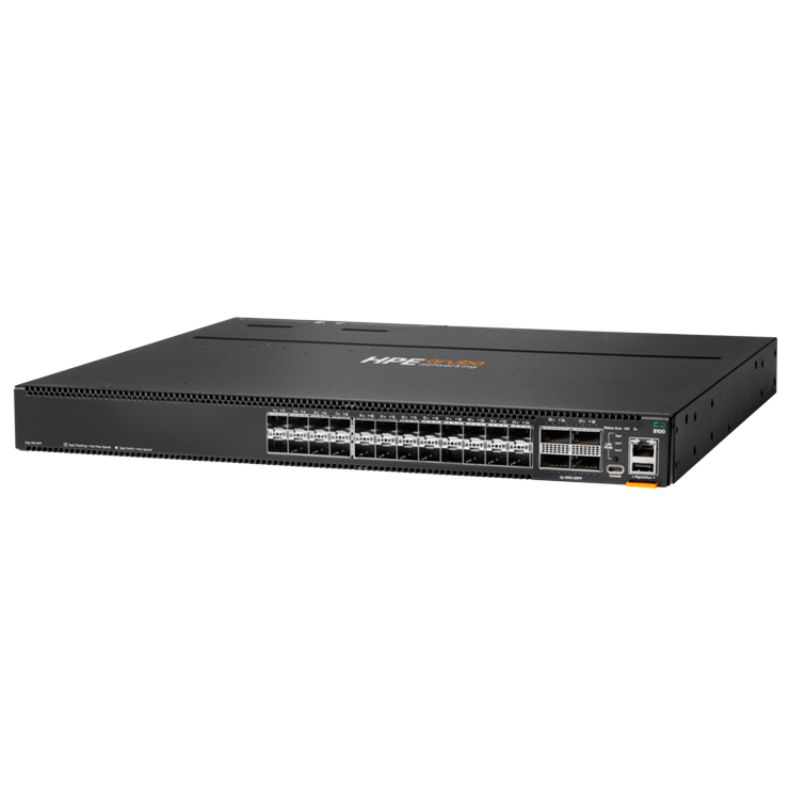
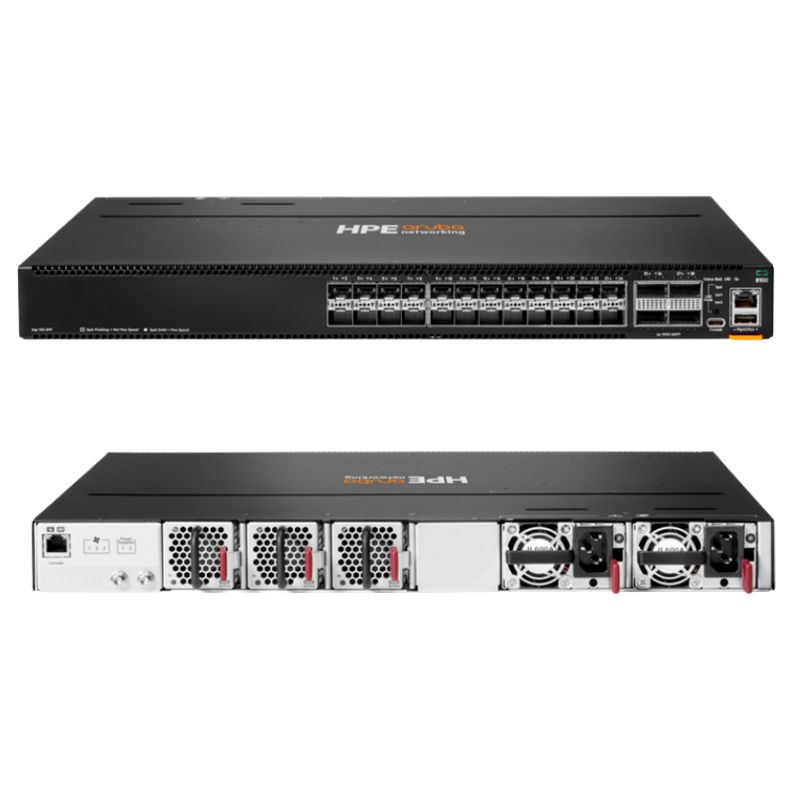
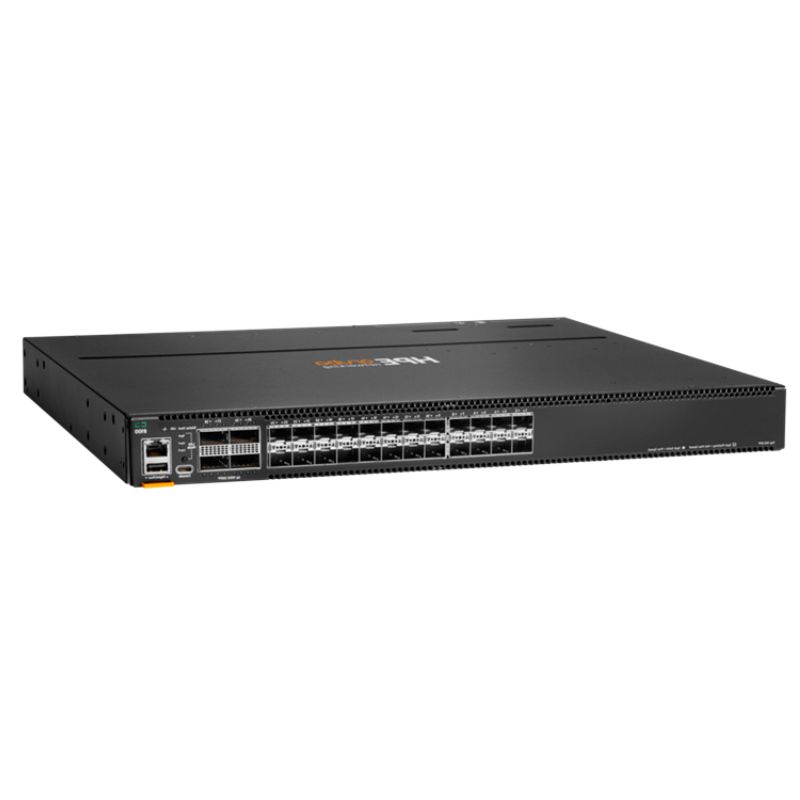
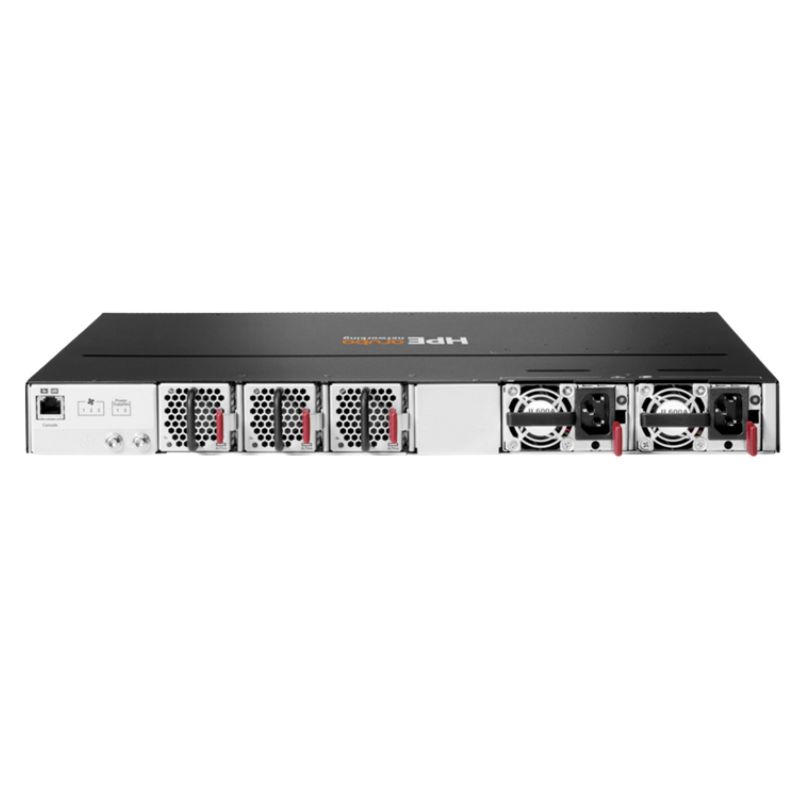
HPE R9W86A#ABA Aruba 24 Ports Front To Back Airflow L3 Managed Rack-mountable QSFP28 10 Gigabit Ethernet Switch. Factory-Sealed New in Original Box (FSB) with 3 Years Warranty
The HPE Aruba Networking CX 8100 R9W86A#ABAis a high-performance data center and enterprise aggregation switch engineered for demanding network infrastructures. Designed with advanced Layer 2 and Layer 3 capabilities, this rack-mountable solution delivers exceptional scalability, ultra-fast connectivity, and intelligent traffic management for modern organizations.
The HPE R9W86A#ABA Aruba 24 Ports Front To Back Airflow L3 Managed Rack-mountable QSFP28 10 Gigabit Ethernet Switch is engineered for modern enterprise networks that demand exceptional scalability, high-speed connectivity, advanced Layer 3 routing capabilities, and reliable data transport. Designed to support data-intensive workloads, virtualization environments, cloud-based applications, and mission-critical business operations, this switch delivers a combination of performance, flexibility, and intelligent network management. Organizations seeking robust network infrastructure can leverage this Aruba switch to optimize traffic flow, improve operational efficiency, and support future growth without compromising performance.
Modern enterprises require networking equipment capable of handling increasing amounts of data traffic generated by cloud computing, unified communications, virtualization platforms, and digital transformation initiatives. The Aruba 24-port switch provides a high-performance switching architecture designed to maintain low latency, high throughput, and dependable packet forwarding across complex network environments.
The switching platform supports advanced forwarding mechanisms that help reduce congestion and ensure efficient traffic distribution throughout the network. Whether deployed within data centers, enterprise campuses, or large branch offices, the switch helps maintain consistent connectivity for users, applications, and services.
As organizations expand their digital infrastructure, network traffic patterns become increasingly complex. This Aruba switch supports evolving bandwidth requirements through a robust architecture that enables smooth scaling. Businesses can accommodate new devices, additional workloads, and emerging technologies without requiring major infrastructure replacements.
The 24-port design provides substantial connectivity capacity for enterprises requiring extensive network access. The port configuration supports high-speed communication between servers, storage systems, virtualization hosts, aggregation layers, and various network-connected devices. This density helps reduce the need for additional switching hardware while simplifying infrastructure planning.
By integrating multiple high-performance ports into a single rack-mountable platform, organizations can maximize rack space utilization and reduce hardware complexity. This streamlined approach contributes to more efficient cable management and simplified network administration.
The switch can be integrated into a wide variety of network designs, including spine-leaf architectures, aggregation deployments, distribution layers, and core network environments. Its flexibility allows network architects to implement designs that align with both current operational requirements and future expansion strategies.
Layer 3 functionality enables the switch to perform routing operations between network segments, improving traffic efficiency and reducing dependence on external routing devices. Organizations can implement routing policies that support optimized communication between departments, data center resources, and remote locations.
The ability to make intelligent forwarding decisions based on IP information allows the switch to support complex enterprise environments where traffic management and segmentation are critical to maintaining performance and security.
Advanced routing features help administrators control network traffic patterns more effectively. Traffic can be directed through optimal paths, minimizing bottlenecks and improving application responsiveness. These capabilities are particularly valuable in environments supporting business-critical applications that require predictable performance.
Segmentation capabilities help organizations isolate traffic based on operational requirements, business units, security policies, or application categories. Proper segmentation contributes to improved network efficiency, enhanced security controls, and easier troubleshooting.
QSFP28 connectivity provides the bandwidth necessary for demanding enterprise and data center environments. High-speed uplinks facilitate rapid data transfers between network layers, storage platforms, and server infrastructures. This capability becomes increasingly important as organizations adopt bandwidth-intensive workloads such as virtualization, analytics, artificial intelligence, and large-scale cloud services.
Data centers often require significant east-west traffic movement between servers and storage systems. QSFP28 technology enables efficient handling of these workloads, helping maintain high performance across interconnected systems.
Organizations planning for future growth can benefit from the scalability offered by QSFP28 uplinks. The technology provides a foundation for expanding bandwidth capacity while maintaining compatibility with evolving networking requirements.
10 Gigabit Ethernet connectivity represents a significant advancement over traditional networking speeds. By supporting faster data transfers, the switch helps reduce application delays, improve user experiences, and enhance overall operational productivity.
Businesses increasingly rely on applications that generate substantial network traffic. Database operations, cloud services, multimedia collaboration platforms, and backup processes all benefit from the increased bandwidth available through 10 Gigabit Ethernet technology.
Virtualization platforms require high-speed networking to support communication between virtual machines, storage resources, and management systems. The Aruba switch provides the throughput necessary to maintain performance within highly virtualized infrastructures.
High-speed connectivity helps eliminate bottlenecks that can negatively impact application responsiveness. By enabling faster data movement, the switch supports more efficient utilization of computing and storage resources.
The front-to-back airflow configuration aligns with common data center cooling strategies. Air enters through the front of the unit and exits through the rear, supporting efficient thermal management within rack environments. Proper airflow helps maintain stable operating temperatures and contributes to long-term hardware reliability.
Many enterprise facilities are designed around hot aisle and cold aisle containment methodologies. The airflow direction of this Aruba switch supports these designs, allowing seamless integration into professionally managed environments.
Maintaining appropriate operating temperatures helps reduce component wear and enhances overall system stability. Effective cooling contributes to consistent performance under demanding workloads and prolonged operational periods.
The rack-mountable design enables organizations to deploy the switch within standard equipment racks, simplifying installation and infrastructure organization. Centralized rack deployment supports easier maintenance, cable management, and equipment monitoring.
Rack-mounted infrastructure allows businesses to expand network capacity in a structured and organized manner. Additional switches, servers, storage systems, and networking appliances can be integrated while maintaining a clean and manageable environment.
Well-organized rack deployments contribute to operational efficiency and professional infrastructure management. Clear cable routing and standardized equipment placement facilitate maintenance and troubleshooting activities.
Protecting critical business data requires multiple layers of security. Managed Aruba switching platforms support sophisticated security mechanisms that help safeguard network resources from unauthorized access and potential threats.
Administrators can implement policies that control device connectivity and user access based on organizational requirements. These controls contribute to stronger security postures while maintaining operational flexibility.
Network segmentation and policy enforcement help isolate sensitive workloads, reducing exposure to security risks and supporting compliance initiatives across enterprise environments.
Business applications often require reliable and predictable network performance. The Aruba switch supports intelligent traffic handling mechanisms that help prioritize important communications and maintain service quality.
Consistent network responsiveness contributes to improved productivity and user satisfaction. Employees can access applications, cloud services, and collaboration tools with reduced delays and interruptions.
Traffic management capabilities enable organizations to allocate bandwidth resources according to business priorities, helping ensure critical services receive the network resources they require.
Large campus environments benefit from the switch's combination of high-density connectivity, Layer 3 routing capabilities, and advanced management features. These capabilities support communication between departments, buildings, and distributed resources.
Data center operators can utilize the switch for aggregation, distribution, and high-speed interconnection requirements. The front-to-back airflow design and QSFP28 uplink support make it particularly suitable for modern data center deployments.
Organizations implementing private cloud, hybrid cloud, or virtualized infrastructures can leverage the switch to support demanding traffic patterns and maintain efficient communication between computing resources.
Reliable networking infrastructure is essential for disaster recovery, backup operations, and business continuity planning. The switch provides the performance and manageability necessary to support these critical initiatives.


 Contact Us
 Information
 Catalog
 Solid State Drives (SSD)
 Network Switches
 Hard Disk Drives
 HBA & Controllers
 PC & Servers
 PC & Server Memory
 CPU & Processors
 Network Routers
 Power Supplies
 Tape Drives & Libraries
 Network Devices
 Computer & Network Cables