(7% discount is applied at checkout)
Cart is empty
Your go-to destination for cutting-edge server products
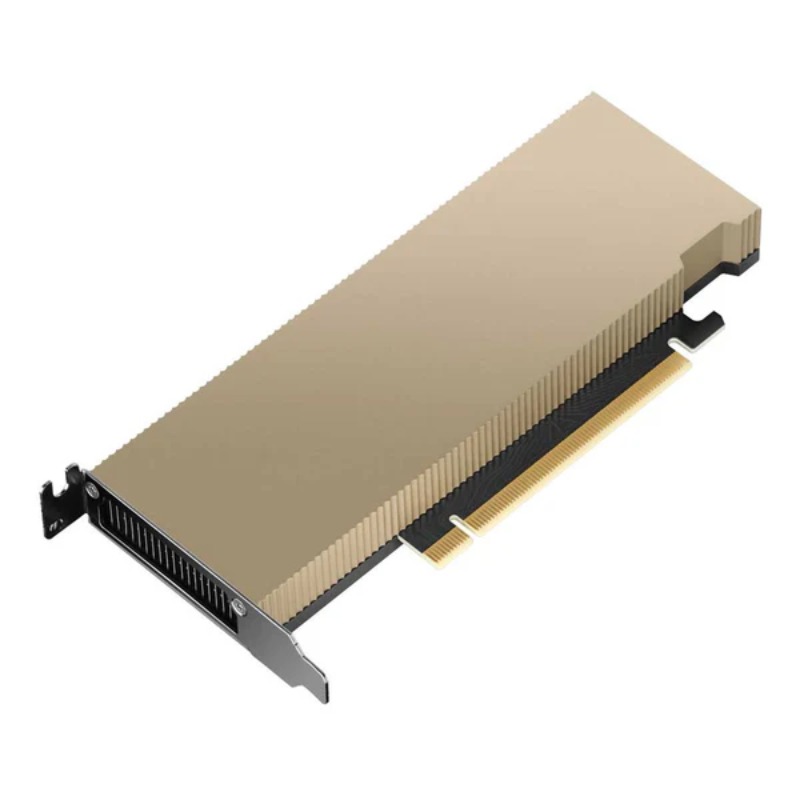


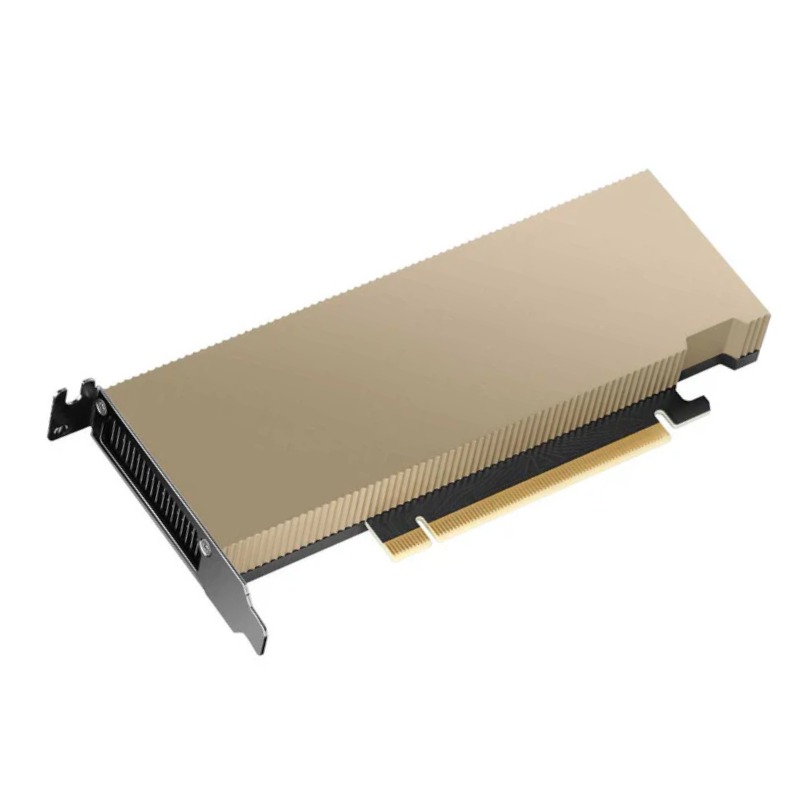
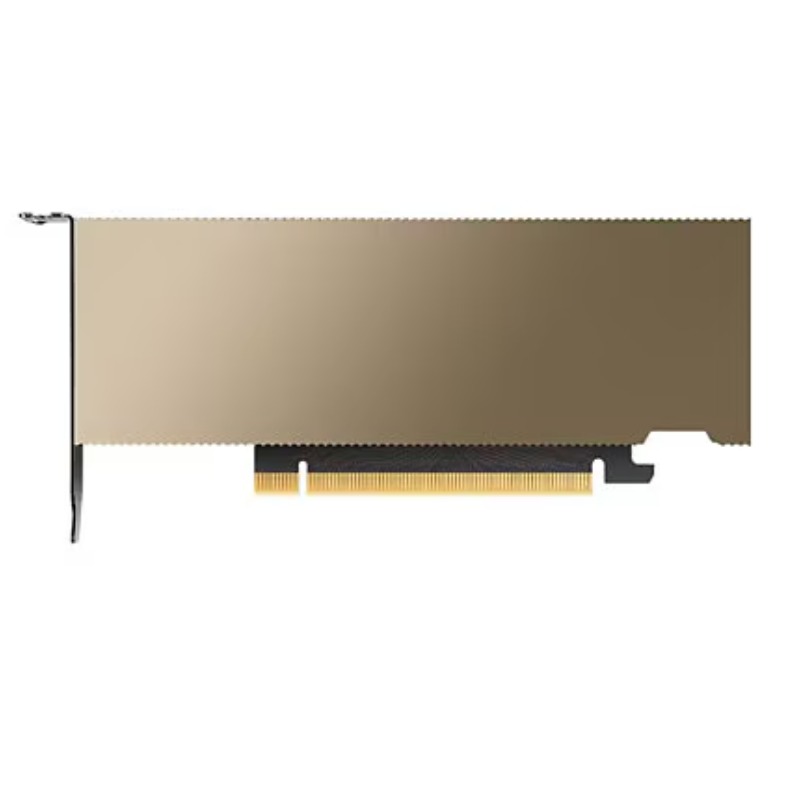
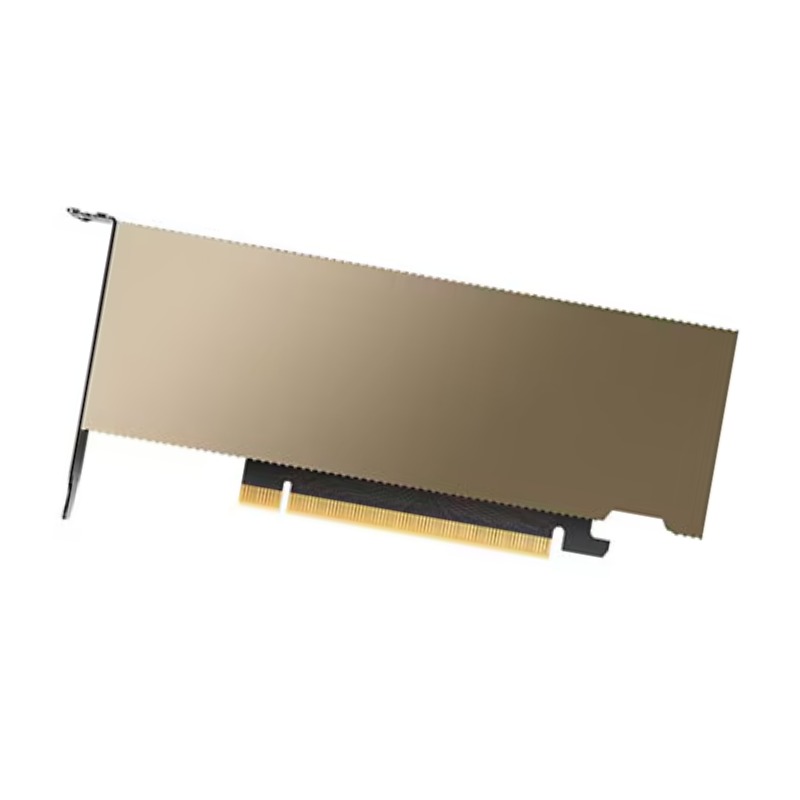
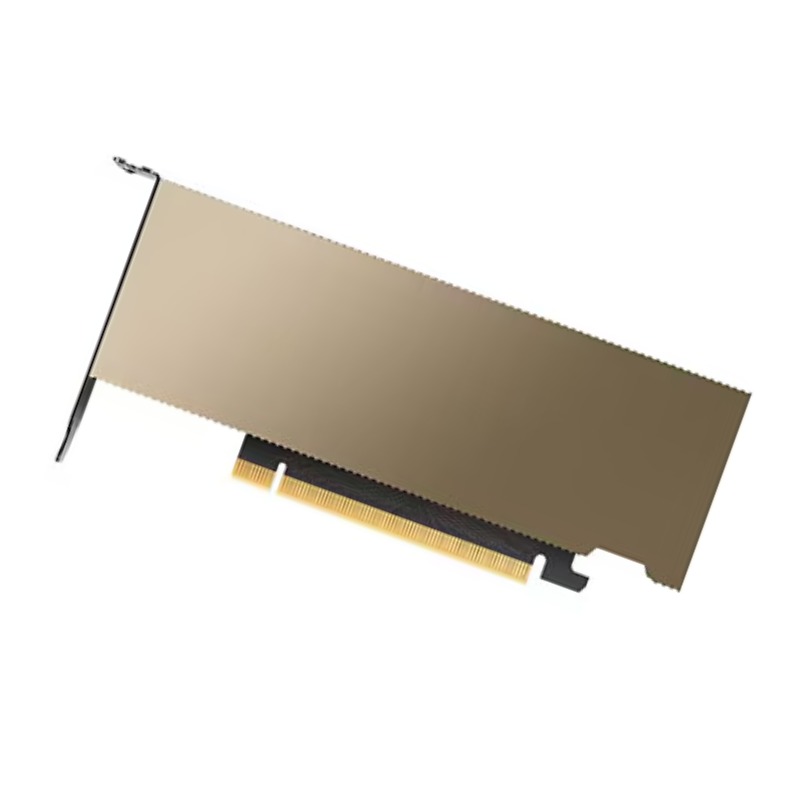
HPE S0K89C Nvidia L4 24GB PCIe Accelerator. New Sealed in Box (NIB) with 3 years Warranty
The HPE S0K89C Nvidia L4 24GB PCIe Accelerator category encompasses high-performance GPU compute solutions engineered for demanding AI, inference, and edge computing workloads. These accelerators combine HPE’s robust server integration and Nvidia’s advanced GPU architecture to offer a powerful solution for deployment in data centers, AI inference services, and high-throughput computing environments. Within this category you will find variants, accessories, supporting infrastructure, and sub-components that complement or extend the capabilities of the HPE S0K89C Nvidia L4 family.
Each product in this category must meet or exceed the following baseline specifications. These specifications serve as the foundation of what distinguishes the HPE S0K89C Nvidia L4 24GB PCIe Accelerator from more general GPU or PCIe accelerator lines.
The defining feature is the 24 GB of GPU memory, which enables large model inference, multi-tenant workloads, and high throughput applications. The memory interface and bandwidth capabilities support rapid data transfers essential for deep learning inference. Typical bandwidth reaches into the hundreds of gigabytes per second range, enabling the accelerator to feed data into the GPU cores without bottlenecks.
The L4 architecture includes specialized tensor cores and CUDA cores optimized for mixed precision, INT8, INT4, and FP16 operations. These cores accelerate neural network inference, transformer models, computer vision pipelines, and speech recognition tasks. Efficiency in throughput per watt is a hallmark of this architecture.
The PCIe interface (typically PCIe Gen4 x16) ensures compatibility with server motherboard slots in HPE systems and other industry-standard chassis. The form factor is usually a full-height, full-length accelerator card, sometimes with dual-slot cooling solutions. Efficient thermal design and power delivery are essential for sustained performance under heavy workloads.
Expect a power draw in the range of 150W to 300W (depending on mode and workload), with cooling via active fans or server airflows. The design must support thermal dissipation under heavy load, ensuring sustained performance without thermal throttling.
This subcategory includes the straight accelerator cards without extras. These are ideal for users who already have server infrastructure and only need to add the GPU compute module. They come with factory firmware and standard warranties, ready to slot into supported servers.
Bundled packages combine the accelerator with thermal plates, optional backup modules, or cabling solutions. These bundles simplify deployment, by including all ancillary parts in one package. OEM-certified bundles may also include firmware compatibility checks and integration validation with HPE servers.
To supply reliable power, this subcategory covers PCIe auxiliary power cables, redundant power modules, power splitters, and voltage regulators. These components help ensure stable power delivery to the GPU under peak loads.
GPU firmware updates, driver packages, and validated software stacks (such as Nvidia TensorRT, CUDA, MIG, and other toolkits) are essential for performance, compatibility, and security. This subcategory provides downloadable or kit-based support modules.
Adaptors, riser cards, bracket mounting kits, retention frames, and GPU extension cables fall into this subcategory. They support nonstandard chassis or custom deployment setups where direct insertion is not feasible.
The HPE S0K89C Nvidia L4 24GB PCIe Accelerator category targets high throughput inference, edge deployment, virtualization, and AI inferencing tasks. Below are key use cases and performance expectations:
Users can deploy multiple isolated inference environments or containers on a single card, leveraging GPU partitioning (MIG-like features). This enables cloud providers and service hosts to maximize utilization across workloads.
In deployments where edge servers require GPU compute, the L4 24GB accelerator offers a balance of performance and power efficiency. Its compact footprint and moderate power envelope make it suitable for telecom edge, retail edge AI, and remote data processing sites.
While not designed for full HPC floating-point workloads like FP64, the accelerator can handle analytics pipelines, inference-augmented ETL, real-time data processing, and streaming data workloads that benefit from GPU acceleration.
Several features set this category apart. These capabilities increase usability, reliability, and integration in enterprise environments. Here are some of the highlights:
The architecture supports splitting the GPU into multiple instances, enabling better resource isolation. Each instance can be assigned to a separate job or container, maximizing utilization while maintaining performance guarantees.
Optimized driver stacks and firmware reduce latency in model execution paths. This is critical for real-time applications like speech recognition, video analytics, or autonomous decision systems.
Memory management techniques, compression, and high bandwidth ensure efficient handling of large model weights, embeddings, and activations. The 24 GB buffer is adequate for mid- to large-scale transformer models and multi-model workloads.
The category supports configurations with multiple cards in a server, allowing scalable inference clusters. Interconnects, NVLink (if supported in certain models), and shared memory paths enable coordinated work across multiple accelerators.
Firmware packages ensure secure boot, version control, and compatibility with HPE ecosystem updates. Secure firmware helps protect against vulnerabilities and ensures stability.
Choosing an HPE S0K89C Nvidia L4 24GB PCIe Accelerator means ensuring compatibility across server chassis, BIOS, drivers, power, cooling, and software stacks. Below are key integration considerations:
Confirm that the server chassis supports a full-length PCIe card and provides clearance for the cooling solution. Some enclosures may require modified airflow paths or shrouds. The accelerator should align with HPE server backplanes and mechanical guidelines.
Matching server BIOS versions and firmware updates is crucial. The accelerator may require specific BIOS settings for PCIe bifurcation, ACS capability, or I/O memory mapping. HPE certified BIOS versions are often published alongside accelerator support notes.
The proper Nvidia driver, CUDA toolkit, and inference libraries (TensorRT, cuDNN) must be installed and validated. Operating system (Linux, Windows Server) compatibility should also be checked. Version interlocks matter; mismatches can lead to reduced performance or instability.
The power supply must have sufficient capacity for the card’s maximum draw plus headroom for other system components. Check that auxiliary PCIe power connectors meet voltage and current requirements. Stable cabling and clean power rails are essential for consistent operation.
The server should provide front-to-back or bottom-to-top airflow according to the card’s thermal design. Cooling kits may be needed if ambient temperature or airflow is suboptimal. Heat sinks and shrouds should not block adjacent slots.
To help visualize how products in this category might be deployed, here are several scenario examples:
A cloud provider could deploy multiple HPE S0K89C Nvidia L4 24GB accelerators in HPE ProLiant rack servers to host NLP APIs. Each card could serve multiple inference threads in a multi-tenant setup, partitioned using MIG. High throughput and low latency inference allow real-time response to chat, translation, or summarization requests.
In a stadium or retail campus, compute nodes equipped with these accelerators can handle real-time video streams, object detection, facial recognition, and event triggering. The small footprint and robust integration simplify deployment in constrained edge racks.
Apply firmware and driver updates as released to maintain performance, security, and compatibility. Engage vendor support to follow validated version paths for your firmware and server combination.
If partitioning features are supported, segment the GPU into multiple instances to serve multiple workloads simultaneously. Ensure fairness, performance isolation, and workload balancing across partitions.
It’s useful to compare this category with alternative GPU or accelerator categories to choose the right fit:
Consumer GPU cards may offer raw compute but lack enterprise-grade features: firmware reliability, dual-port cooling, driver validation, support contracts, and thermal management in server racks. They often cannot sustain full utilization under continuous AI inference loads.
Higher memory GPUs might benefit large model training or extreme workloads, but they come at higher cost, power, and cooling demands. The 24 GB L4 is positioned for inference efficiency, delivering better cost per inference in many use cases. If your workload absolutely requires 40 GB+ for model residency, this category might not suffice.
Lower capacity accelerators may suffice for smaller models or edge deployments, but they limit scalability, batch sizes, and multi-model hosting. The 24 GB tier allows more flexibility, improved throughput, and support for more complex AI workloads without memory bottlenecks.
While specialized inference ASICs (e.g. custom TPUs) may outperform GPU accelerators in specific workloads, they often lack the generality, ecosystem support, and flexibility that Nvidia’s software stack provides. The HPE S0K89C Nvidia L4 24GB category remains advantageous for mixed workloads and evolving AI pipelines.


 Contact Us
 Information
 Catalog
 Solid State Drives (SSD)
 Network Switches
 Hard Disk Drives
 HBA & Controllers
 PC & Servers
 PC & Server Memory
 CPU & Processors
 Network Routers
 Power Supplies
 Tape Drives & Libraries
 Network Devices
 Computer & Network Cables