(7% discount is applied at checkout)
Cart is empty
Your go-to destination for cutting-edge server products
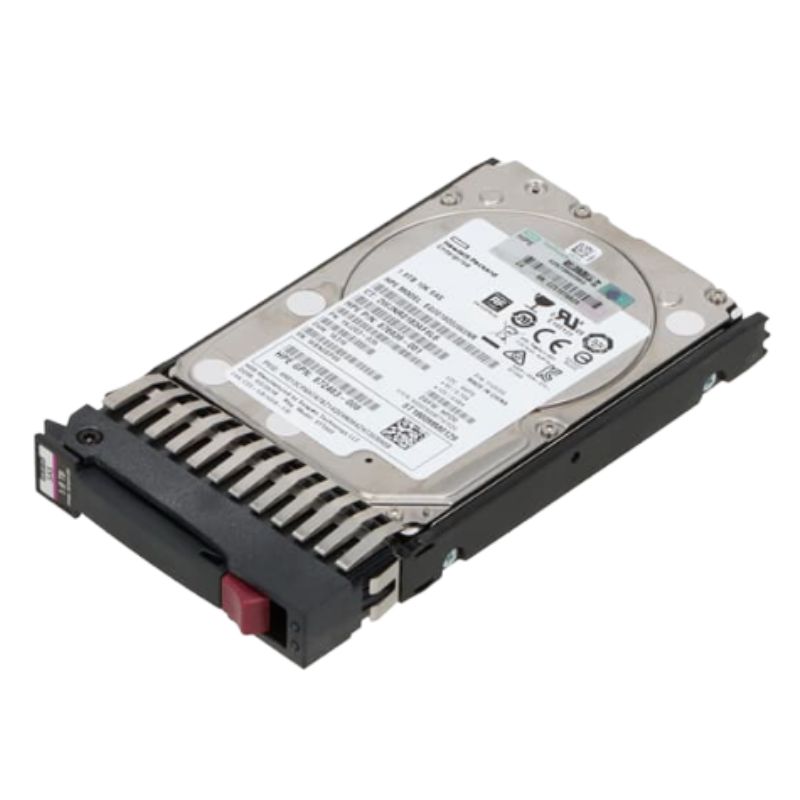


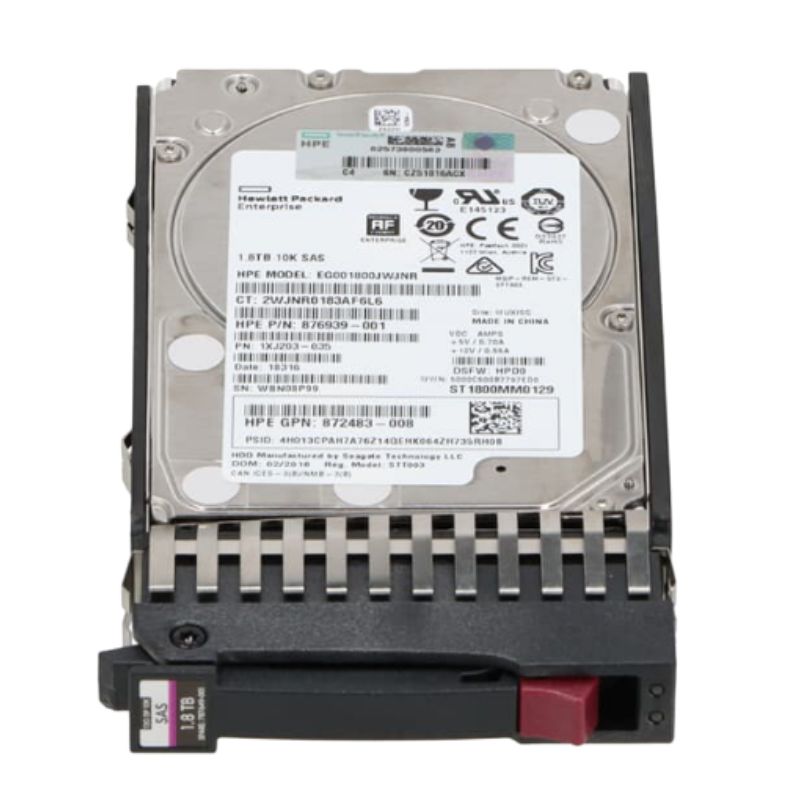
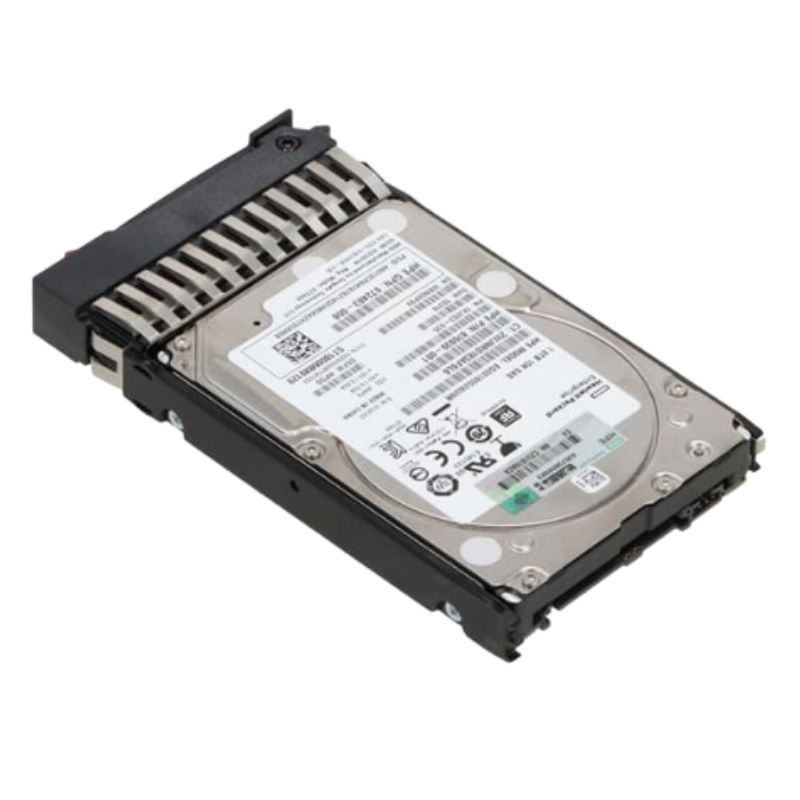
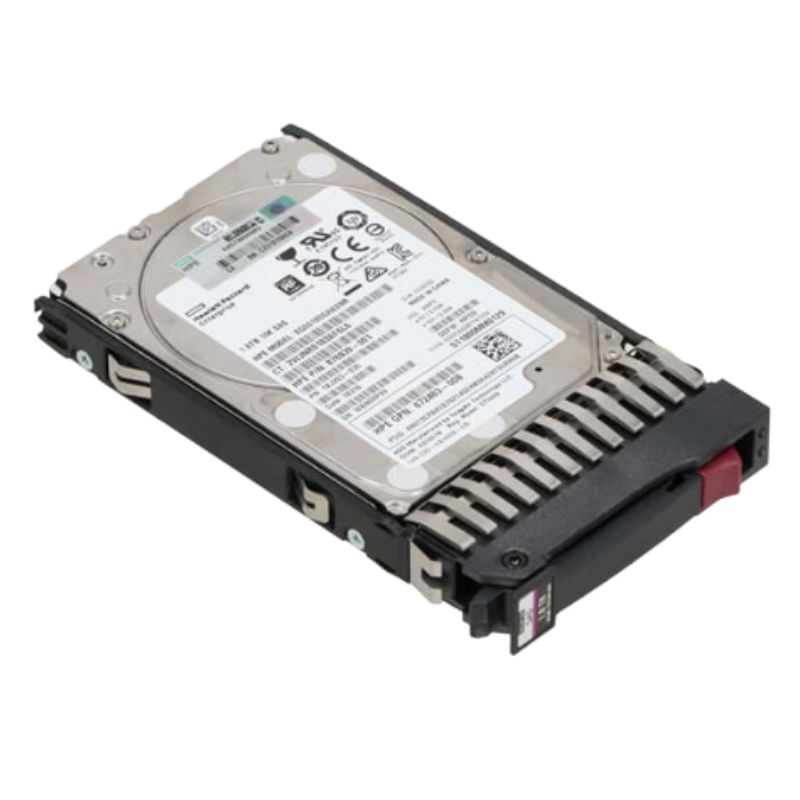
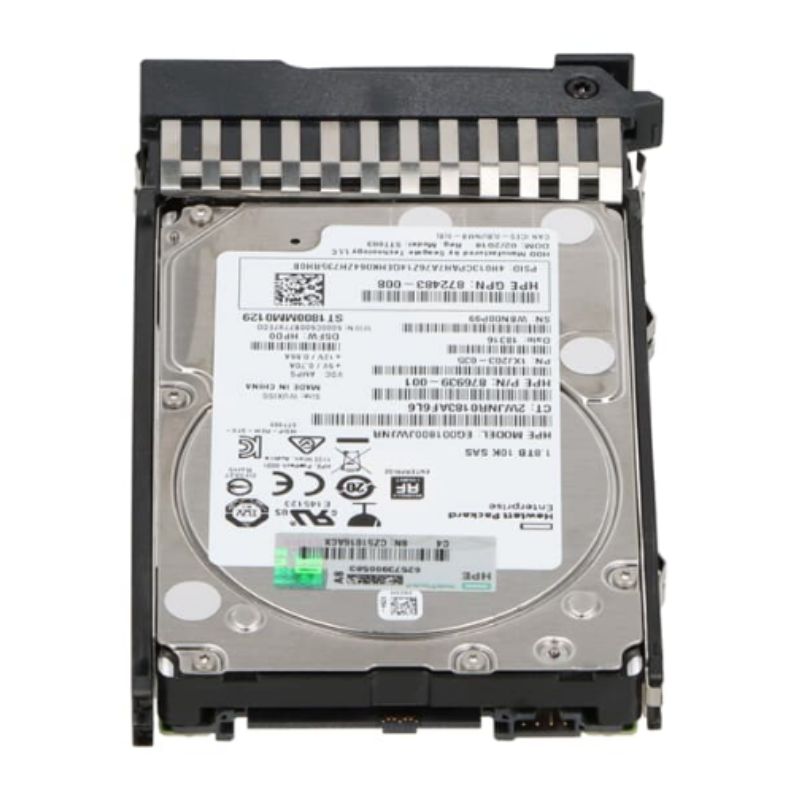
HPE S0M04A 1.8TB 10K RPM SAS 12GBPS 2.5Inch SFF 512e Mission Critical BC Multi Vendor Hard Disk Drive. Factory-Sealed New in Original Box (FSB) with 3 Years Warranty
The HPE S0M04A 1.8TB SAS hard disk drive is engineered to support demanding enterprise workloads where consistency, uptime, and speed are essential. Built for data centers and professional server infrastructures, this internal storage solution balances high capacity with fast rotational performance.
This hard drive offers a generous 1.8TB storage capacity, making it suitable for large-scale databases, virtualization platforms, and transactional systems. The 512e disk format ensures compatibility with modern storage controllers while maintaining efficient data alignment.
With a spindle speed of 10,000 RPM, this SAS hard drive delivers faster data access and reduced latency compared to standard nearline drives. It is well-suited for workloads that require consistent read/write operations.
The drive utilizes a high-speed SAS interface, enabling stable data transfer rates and dependable connectivity within enterprise storage systems. The 12Gb/s SAS standard supports demanding throughput requirements.
Featuring a 2.5-inch small form factor, this hard disk drive is ideal for space-efficient server chassis and dense storage configurations without sacrificing performance.
The solid construction ensures durability in enterprise environments while maintaining manageable weight for installation and maintenance.
The HPE S0M04A 1.8TB 10K RPM SAS 12GBPS 2.5Inch SFF 512e Mission Critical BC Multi Vendor Hard Disk Drive with Tray is a high-performance storage solution specifically engineered for enterprise-level applications. Designed to deliver exceptional data throughput, reliability, and endurance, this hard disk drive category stands at the forefront of mission-critical storage components used in servers, storage arrays, and data center environments. It is a product that combines robust hardware engineering, advanced interface capabilities, and optimized performance metrics to support demanding workloads that require consistent speed and reliability. Being a multi-vendor compatible component further enhances its versatility, making it suitable for an array of storage systems across different OEM platforms while maintaining stringent performance standards.
Core Specifications and Interface Capabilities
This category of hard disk drives is defined by a set of core specifications that distinguish it from consumer-grade storage solutions. The 1.8TB capacity offers a substantial storage volume, ideal for environments where large datasets are frequently accessed or stored. The 10,000 RPM rotational speed ensures rapid access times and consistent data transfer rates, which are crucial for applications that demand high I/O performance. Coupled with the 12Gbps SAS (Serial Attached SCSI) interface, the HPE S0M04A drives facilitate efficient communication between the drive and host system, reducing latency and enabling sustained throughput under heavy workloads. The 2.5-inch Small Form Factor (SFF) design allows data center architects to maximize rack density without sacrificing performance.
Advanced SAS 12Gbps Interface and Its Impact on Performance
The 12Gbps SAS interface incorporated in this category represents a significant advancement in storage connectivity. SAS technology is widely recognized for its superior scalability, reliability, and performance in enterprise environments, especially when compared to traditional SATA interfaces. The 12Gbps transfer rate facilitates faster command execution and data retrieval, which can drastically improve the responsiveness of mission-critical applications. This becomes particularly important in scenarios such as database operation, virtualization, and large-scale analytics where even marginal improvements in data throughput can translate into meaningful enhancements in overall system performance.
Form Factor Considerations: Why 2.5-Inch SFF Matters
The 2.5-inch Small Form Factor design represents a key trend in modern storage architecture, enabling higher storage density and improved thermal performance. In dense server configurations and blade enclosures, space is at a premium. By adopting a 2.5-inch footprint, these drives can be deployed in greater numbers within the same chassis compared to larger 3.5-inch drives. This not only enhances the overall storage capacity of the system but also contributes to better airflow and cooling efficiency, which are critical factors in maintaining optimal operating conditions in data centers. The SFF design ensures that storage architects can strike a balance between capacity, performance, and thermal management in high-density deployments.
Mission Critical Reliability and Endurance
Reliability is a cornerstone attribute of the HPE S0M04A category of hard disk drives. These drives are engineered to operate continuously in 24/7 production environments without compromising data integrity or performance stability. Enterprise workloads often involve sustained read and write operations under demanding conditions, and as such, mission-critical storage components must uphold rigorous standards of durability and fault tolerance. The HPE S0M04A drives incorporate advanced error correction mechanisms, robust mechanical design, and quality components to ensure long-term operational stability, making them well-suited for data centers, cloud infrastructure, and enterprise storage arrays.
Durability Under Continuous Workloads
The mechanical construction of these enterprise hard disk drives is optimized for endurance. Continuous operation under heavy workloads can introduce thermal stress and mechanical wear. By leveraging high-quality bearings, precision-engineered spindle motors, and vibration-resistant enclosures, the HPE S0M04A drives maintain consistent performance over extended periods. This durability is essential for mission-critical applications where drive failure can lead to costly downtime or data loss. Such reliability characteristics make this category an investment in sustained performance and operational continuity.
Error Correction and Data Integrity Features
Data integrity is a pivotal concern in enterprise storage. The HPE S0M04A drives incorporate advanced error correction algorithms that detect and correct data inconsistencies during transfer and storage. These error correction capabilities help prevent data corruption, especially in high-throughput environments where large volumes of data are written or read in rapid succession. The inclusion of robust error management not only enhances data reliability but also supports compliance with enterprise-level data protection standards. When paired with RAID configurations or enterprise storage controllers, these drives contribute to a resilient and fault-tolerant storage ecosystem.
Multi-Vendor Compatibility and Enterprise Flexibility
One of the defining characteristics of this category is its multi-vendor compatibility. Unlike proprietary storage components that are limited to specific OEM platforms, the HPE S0M04A series is engineered to function across a broad spectrum of server and storage systems. This flexibility simplifies procurement and deployment strategies for organizations with heterogeneous hardware environments. Whether integrated into Hewlett Packard Enterprise systems or compatible with storage arrays from other manufacturers, these drives maintain adherence to industry standards for SAS connectivity and form factor specifications. The ability to deploy these drives across diverse platforms enhances asset utilization and reduces vendor lock-in concerns, empowering IT teams to optimize their storage infrastructure with greater freedom.
Interoperability with Leading Storage Systems
Interoperability is another major advantage of this category of enterprise HDDs. These drives are validated to operate seamlessly with leading server architectures and storage management software, allowing organizations to implement them within existing infrastructure with minimal compatibility issues. For data centers that employ mixed hardware ecosystems or undergo frequent hardware refresh cycles, having storage components that are agnostic to vendor constraints can significantly streamline maintenance and expansion efforts. This interoperability not only improves operational agility but also mitigates the risk of supply chain constraints by widening the pool of compatible hardware platforms.
Reducing Dependency Through Standardization
Standardization plays a key role in the value proposition of multi-vendor compatible storage. By adhering to established SAS interface standards and physical form factor norms, the HPE S0M04A drives ensure predictable performance and integration behavior across different hardware solutions. This consistency aids IT professionals in capacity planning, system upgrades, and lifecycle management, ensuring that performance expectations are met regardless of the underlying server or storage infrastructure. The standardization inherent in these drives helps build a more resilient and adaptable storage environment, enabling organizations to pivot quickly in response to evolving performance requirements.
Performance Optimization in Virtualized
In modern data centers, virtualization and cloud-native applications are ubiquitous. These environments place unique demands on storage systems, particularly in terms of random I/O performance and sustained throughput under concurrent workloads. The HPE S0M04A 1.8TB SAS drives are engineered to address these performance challenges. Their 10K RPM rotational speed and enterprise-grade caching strategies contribute to improved random access capabilities, which is essential for virtual machine workloads where multiple instances simultaneously request data from shared storage pools. The robust performance characteristics of these drives enable cloud infrastructures and virtualization platforms to deliver responsive user experiences and maintain high availability standards.
Supporting High IOPS Demands
Input/output operations per second (IOPS) is a critical performance metric in enterprise storage, particularly for environments that run databases, transaction processing systems, and high-density virtual machines. The 10,000 RPM design allows the HPE S0M04A drives to achieve higher IOPS compared to lower-speed alternatives, making them suitable for workloads that demand swift data access and minimal latency. This performance enhancement can translate into faster application response times, reduced queuing delays, and a smoother user experience for end-users relying on applications hosted within virtualized environments. By supporting high IOPS demands, these drives become integral to performance-sensitive storage tiers in enterprise architectures.
Enhancing Cloud Storage Reliability
Cloud infrastructures often rely on distributed storage systems that aggregate multiple drives to meet capacity and performance objectives. When integrated into such environments, the HPE S0M04A drives contribute to both capacity and reliability through their enterprise-grade construction and compatibility with advanced storage protocols. The balanced approach to performance and endurance makes these drives suitable for cloud storage tiers where consistent uptime and predictable behavior are paramount. By incorporating drives from this category, cloud service providers and on-premises cloud deployments can achieve a resilient storage foundation that supports dynamic scaling and high availability.
Thermal Efficiency and Operational Considerations
Thermal management is a crucial aspect of data center operations. Enterprise storage components must not only deliver high performance but also operate within thermal thresholds that ensure system stability. The 2.5-inch form factor of the HPE S0M04A drives contributes to improved thermal efficiency compared to larger form factors. Smaller drives typically generate less heat per unit than larger ones, and when deployed in high-density configurations, proper airflow and cooling mechanisms can more effectively dissipate thermal energy. This thermal efficiency is an important consideration in data centers where cooling infrastructure represents a significant portion of operational expenditure. By choosing drives that support efficient heat dissipation, organizations can optimize their thermal management strategies while maintaining robust storage performance.
Operational Impact of Heat Dissipation
Excessive heat can negatively impact electronic components, leading to reduced lifespan and increased failure rates. In contrast, drives that maintain optimal operating temperatures tend to exhibit greater longevity and stable performance characteristics. The thermal design of the HPE S0M04A series allows these drives to be integrated into environments with stringent cooling requirements. Whether housed in rack-mounted servers or blade enclosures, these drives help maintain desirable thermal conditions that support overall system health. Effective heat dissipation ultimately contributes to reduced maintenance costs, fewer drive replacements, and improved uptime for mission-critical applications.
Reducing Operational Overhead Through Thermal Optimization
Data center operators continually seek ways to streamline operational overhead, including power consumption and cooling demands. Drives that operate efficiently and generate manageable levels of heat allow cooling systems to function with optimized airflow patterns and reduced energy usage. By integrating HPE S0M04A drives into storage architectures, organizations can benefit from the interplay between performance and thermal efficiency. This balance supports strategic goals related to sustainability and total cost of ownership, enabling data centers to maintain high-performance standards without disproportionately increasing cooling expenditures. Over time, thoughtful consideration of thermal dynamics can play a significant role in shaping long-term infrastructure planning.
Use Cases Across Enterprise Storage Tiers
The versatility of the HPE S0M04A 1.8TB SAS drives extends across multiple storage tiers within enterprise environments. These drives can serve as primary storage for performance-oriented applications, backend storage for high-capacity arrays, or supplemental drives in hybrid storage architectures that combine SSDs and HDDs for cost-performance optimization. In transactional database systems where consistent random access performance is crucial, these drives offer a reliable foundation. In archival or nearline storage tiers, their capacity and endurance support long-term data retention while balancing cost considerations. The adaptability of this category enables IT teams to configure storage solutions that align with specific workload demands, budget constraints, and performance targets.
Primary Storage in High-Performance Servers
In high-performance server environments, storage components must keep pace with processing power and network throughput. The 10K RPM spindle speed and SAS 12Gbps interface make the HPE S0M04A drives suitable candidates for primary storage duties where rapid data access directly impacts application performance. Whether deployed in database servers, virtualization hosts, or enterprise application servers, these drives provide the performance headroom necessary to support demanding workloads. Their enterprise-grade reliability further bolsters confidence in sustained operation under critical conditions, ensuring that servers can handle peak loads without encountering storage bottlenecks.
Backend and Nearline Storage Integration
For backend storage or nearline data retention, capacity, reliability, and cost-effectiveness are key considerations. The 1.8TB capacity positions the HPE S0M04A drives as valuable contributors to storage arrays where large volumes of data must be retained with high availability. When integrated into RAID configurations or hybrid storage tiers, these drives help balance performance demands with cost constraints. Their endurance characteristics make them suitable for archival purposes where data needs to remain accessible but may not require the ultra-high performance of solid-state storage. This flexibility allows organizations to architect storage solutions that match their specific retention and accessibility requirements.


 Contact Us
 Information
 Catalog
 Solid State Drives (SSD)
 Network Switches
 Hard Disk Drives
 HBA & Controllers
 PC & Servers
 PC & Server Memory
 CPU & Processors
 Network Routers
 Power Supplies
 Tape Drives & Libraries
 Network Devices
 Computer & Network Cables