(7% discount is applied at checkout)
Cart is empty
Your go-to destination for cutting-edge server products
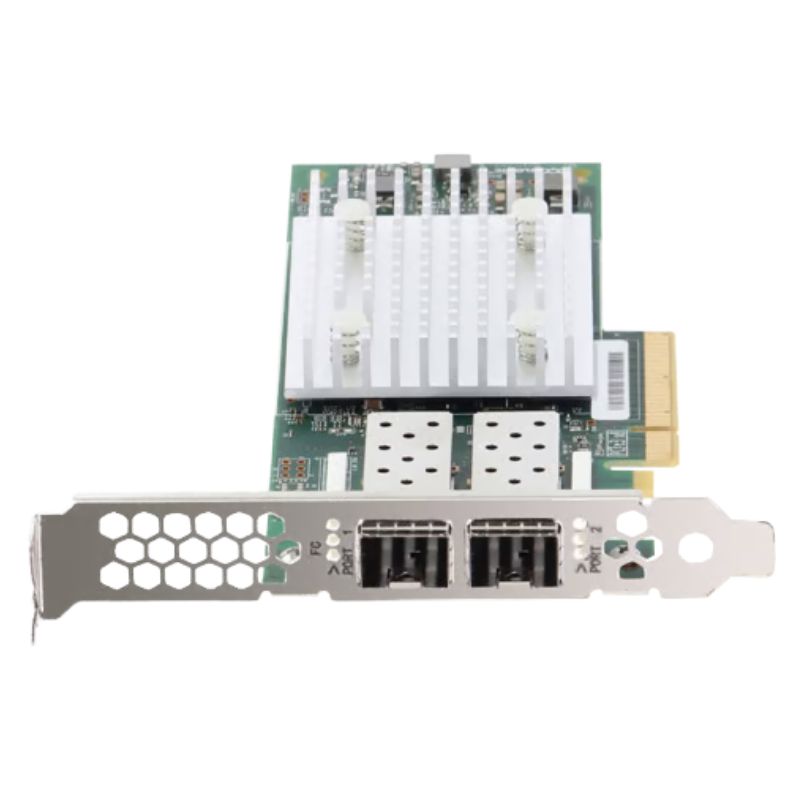


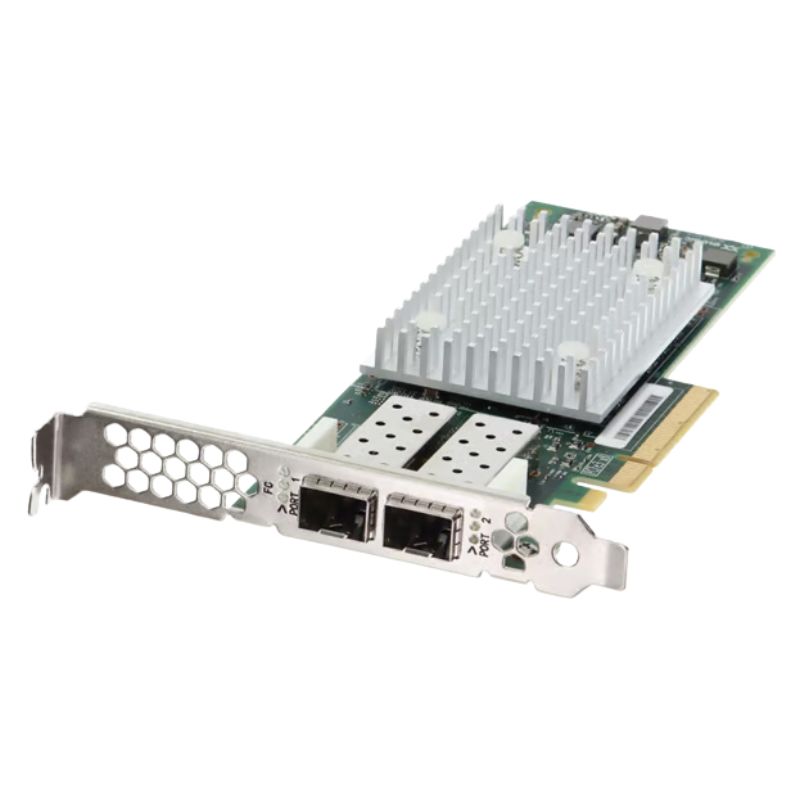
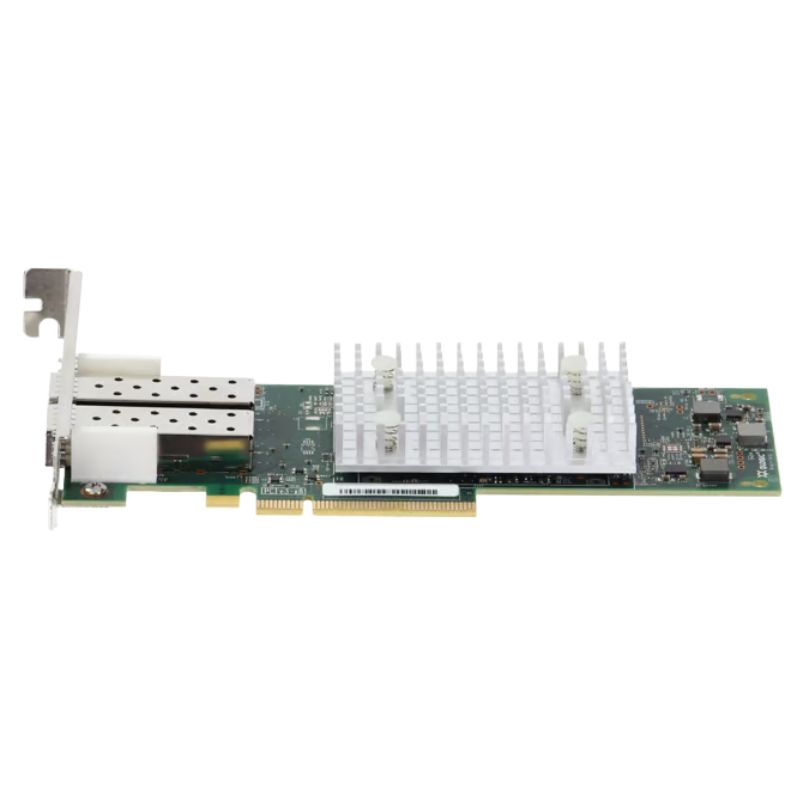
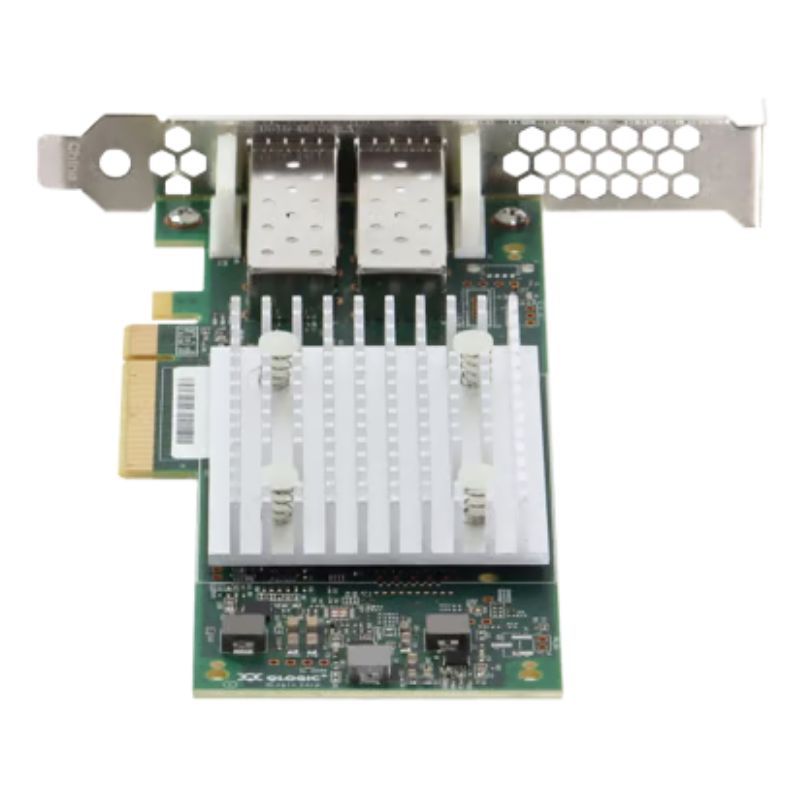
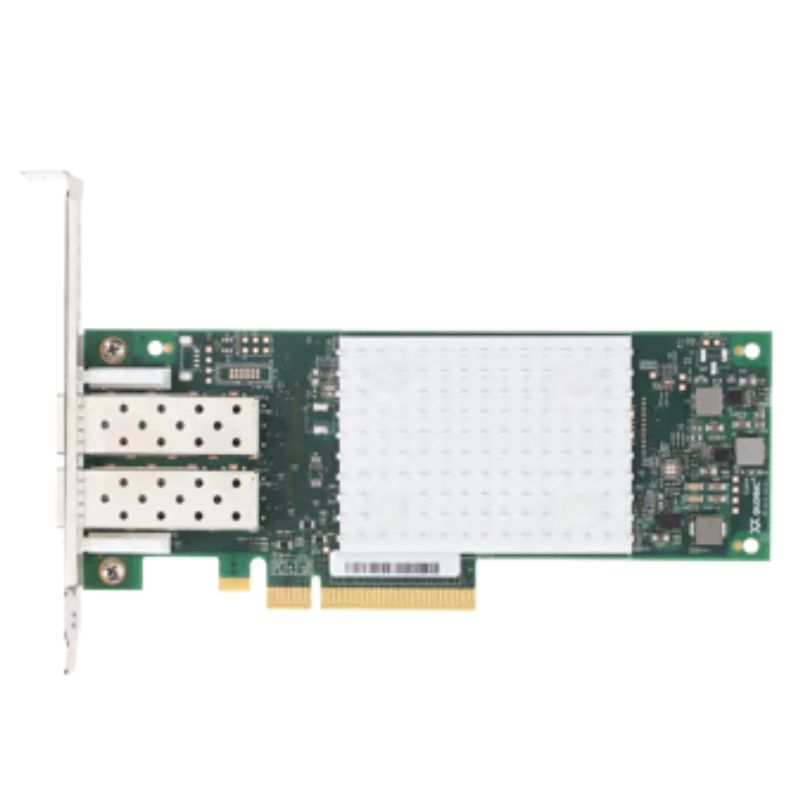
HPE S4P79A StoreOnce Gen5 2 Ports 32GB Fibre Channel Network Card. New Sealed in Box (NIB) with 3 years Warranty
| SKU/MPN | Warranty | Price | Condition | You save |
|---|---|---|---|---|
| S4P79A | 1 Year Warranty | $654.00 | New (System) Pull | You save: $228.90 (26%) |
| S4P79A | 1 Year Warranty | $1,234.00 | New Sealed in Box (NIB) | You save: $431.90 (26%) |
Optimize data backup throughput with the HPE S4P79A, a high-performance StoreOnce Gen5 Fibre Channel adapter engineered for enterprise storage environments. This dual-port 32Gb/s PCIe card delivers low-latency connectivity and reliable transport for backup, archival and SAN workloads.
This HPE S4P79A adapter is validated for a range of server platforms and virtualization stacks, including:
HPE S4P79A StoreOnce Gen5 2 Ports 32Gb Fibre Channel Network Card represents a high-performance directed component in enterprise backup and data protection architectures. Designed specifically to integrate with HPE StoreOnce appliances and Gen5 storage environments, this network card offers dual 32 gigabit per second Fibre Channel ports that deliver very low latency, predictable throughput, and robust connectivity to SAN fabrics. The card is targeted at IT teams and storage architects who require accelerated backup windows, reliable replication, and tightly controlled data movement between backup appliances and primary storage or host servers. In this category description, we examine the technical design, deployment scenarios, compatibility considerations, benefits for backup and recovery workflows, best practices for installation and cabling, performance tuning, firmware and lifecycle management, and frequently encountered operational questions, all written to optimize search relevance for users seeking HPE StoreOnce connectivity solutions and 32Gb Fibre Channel NIC/HBA alternatives.
The HPE S4P79A is built to take advantage of modern Fibre Channel fabrics by providing two independent 32Gb/s ports. Each port supports full duplex operation and is suitable for multi-pathing and high-availability configurations. From an architectural standpoint, the dual-port design allows organizations to create redundant connections to separate SAN switches, thereby enabling failover and load balancing. Because backup and deduplication traffic can be bursty — particularly at the start and end of backup windows — the 32Gb bandwidth per port reduces the likelihood of saturation and queuing within the fabric. This translates into shorter backup windows, faster restore times, and improved service-level adherence. The card is engineered to work natively with StoreOnce Gen5 deduplication workflows, which means it supports the consistent transport of deduped data streams while preserving the integrity and deduplication efficacy of the StoreOnce platform.
Compatibility is a crucial consideration when selecting a network card for backup appliances. The HPE S4P79A card is intended for certified use with HPE StoreOnce Gen5 platforms and is validated to interoperate with HPE SAN fabrics and standard Fibre Channel switches from common vendors. In practical terms, this means the card can be deployed in SAN topologies that use single-switch, multi-switch, or redundant fabrics. It is commonly paired with host HBAs in enterprise servers to form an end-to-end Fibre Channel path between source systems, primary storage arrays, and the StoreOnce backup appliance. Administrators should verify firmware compatibility and switch zoning policies, and consult HPE interoperability matrices to confirm compatibility with specific switch models and SAN management software. Because compatibility lists evolve over time, planning teams should coordinate firmware and driver updates to ensure the card remains supported within their specific StoreOnce environment.
The card conforms to standard PCIe form factors and will typically install into a compatible backup appliance or server that offers an available PCIe slot. Power and thermal characteristics are designed to align with the operational envelope of rack-mount StoreOnce appliances; however, careful attention should be paid to slot placement and airflow when multiple cards or other high-power expansion modules are installed. Fibre Channel ports use SFP28 or compatible transceiver modules (verify the exact optics type supported for each deployment), and proper optical components must be selected to match distance and fabric requirements. Whether connecting across short reach within a rack or across long distances between data center sites, choosing the right transceiver and fiber cabling will ensure signal integrity and maintain the 32Gb link speeds the card is capable of delivering.
Deploying dual 32Gb Fibre Channel ports provides measurable improvements in backup throughput, especially when combined with StoreOnce Gen5 inline deduplication. High throughput reduces the time backup processes occupy production resources and network paths, which minimizes impact on primary workloads. For replication, the increased bandwidth lowers replication windows and allows for more frequent or larger replication sets without overwhelming the fabric. During a restore, having a direct high-speed fabric path to the StoreOnce appliance accelerates data transfer to the recovery target, which is critical in time-sensitive disaster recovery scenarios. Performance gains are also realized in multi-stream backup operations where concurrent backup jobs can be distributed across the two independent ports or across multiple HBAs and fabric paths to keep headroom available for other SAN traffic.
StoreOnce Gen5 appliances are known for their high deduplication ratios and efficient disk usage. The S4P79A card complements these features by providing consistent high-speed transport for deduplicated blocks. Because deduplication reduces the total amount of data written to the appliance, the network card’s capacity is often utilized more effectively; the physical bit-rate is available to move unique data segments quickly rather than bottlenecked by slower links. This interplay between storage-side deduplication and network-side throughput enables organizations to reduce storage growth while still meeting aggressive recovery time objectives. When designing backup workflows, it's important to account for deduplication ratios and expected change rates to properly size and allocate network fabric resources around the StoreOnce environment.
There are several typical deployment patterns for the HPE S4P79A card. One common scenario connects a StoreOnce appliance to a SAN switch with dual paths for redundancy, zoning the appliance with backup servers or primary storage arrays. This topology supports both direct backup-to-disk models and virtualized backup environments. Another scenario uses the card to implement a dedicated backup fabric where SAN traffic for backup and replication is isolated from production storage traffic, thereby protecting performance-sensitive production workloads. In multi-site configurations, the dual ports can be leveraged to separate local backup traffic from replication paths to remote StoreOnce systems, or to enable simultaneously active connections to local and remote fabrics for flexibility. In virtualized data center environments, the card supports integration with software-defined storage controllers and host-based backup agents that prefer block-level transport via Fibre Channel rather than IP-based alternatives. Each topology should be designed with zoning, multipathing, and QoS considerations to ensure predictable behavior under heavy backup loads.


 Contact Us
 Information
 Catalog
 Solid State Drives (SSD)
 Network Switches
 Hard Disk Drives
 HBA & Controllers
 PC & Servers
 PC & Server Memory
 CPU & Processors
 Network Routers
 Power Supplies
 Tape Drives & Libraries
 Network Devices
 Computer & Network Cables