(7% discount is applied at checkout)
Cart is empty
Your go-to destination for cutting-edge server products
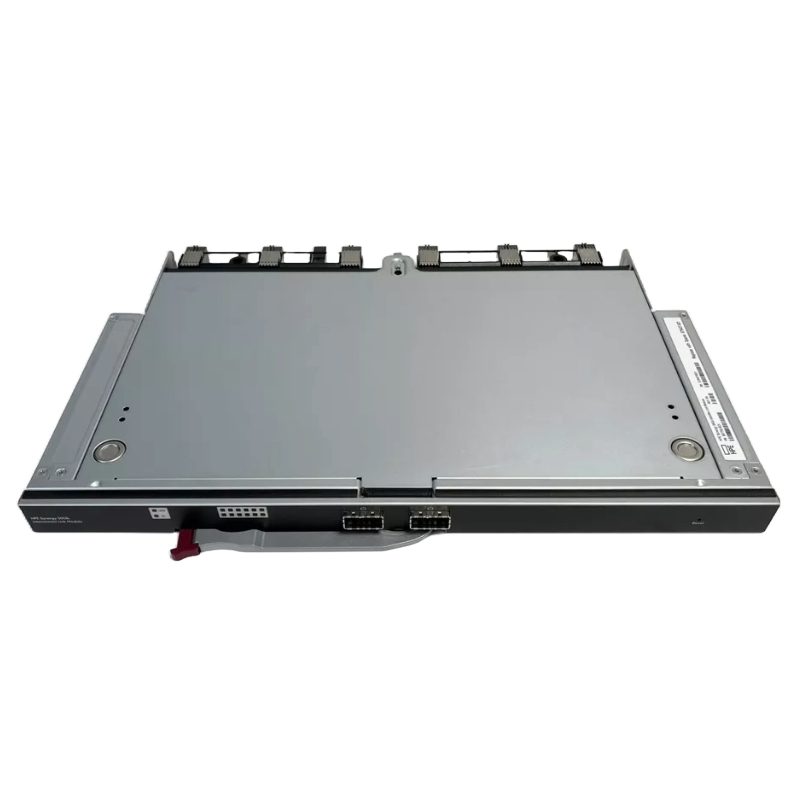


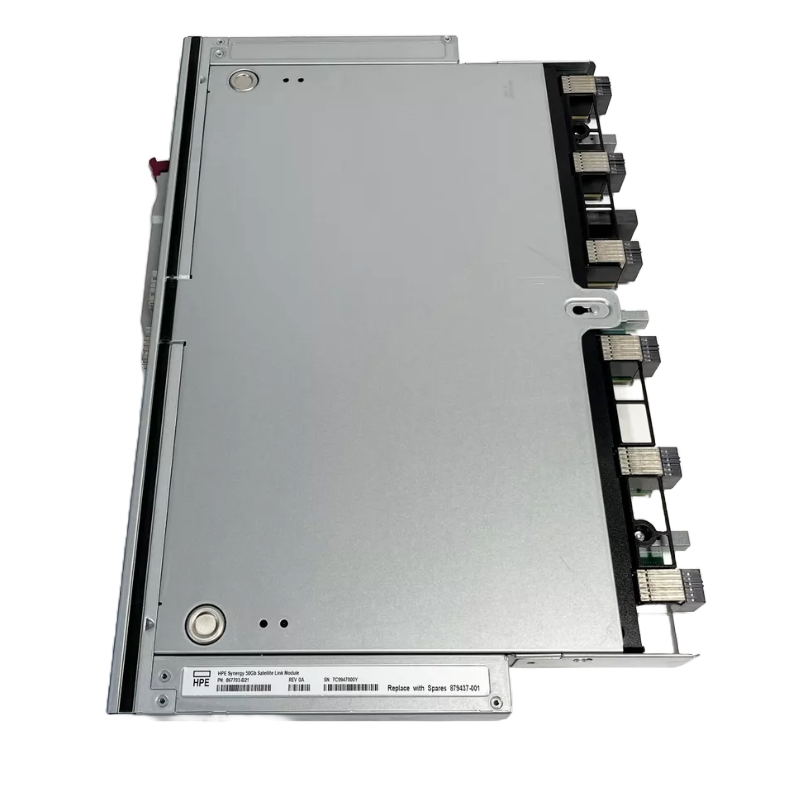
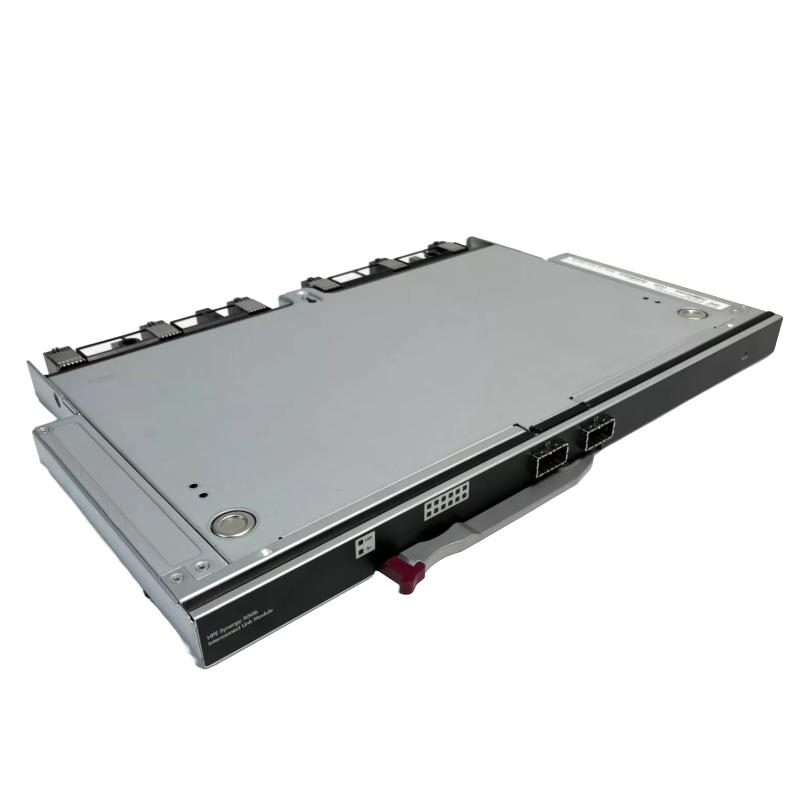
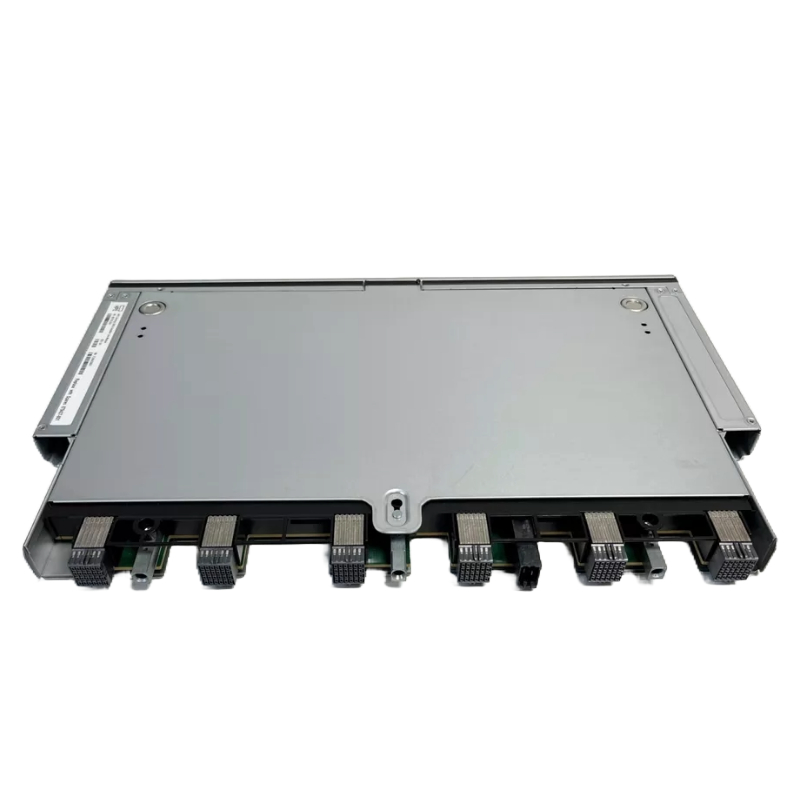
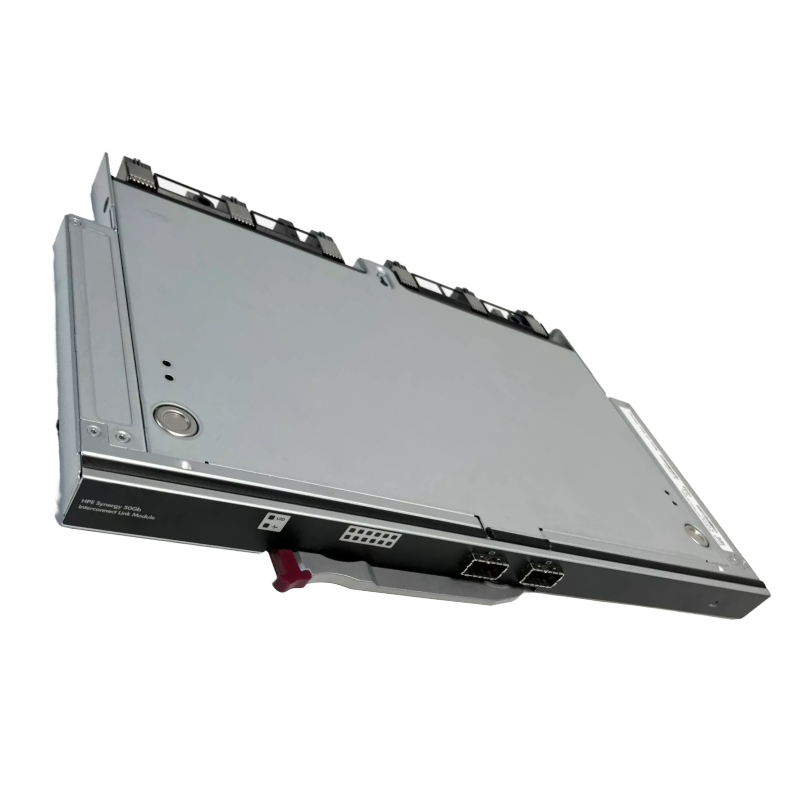
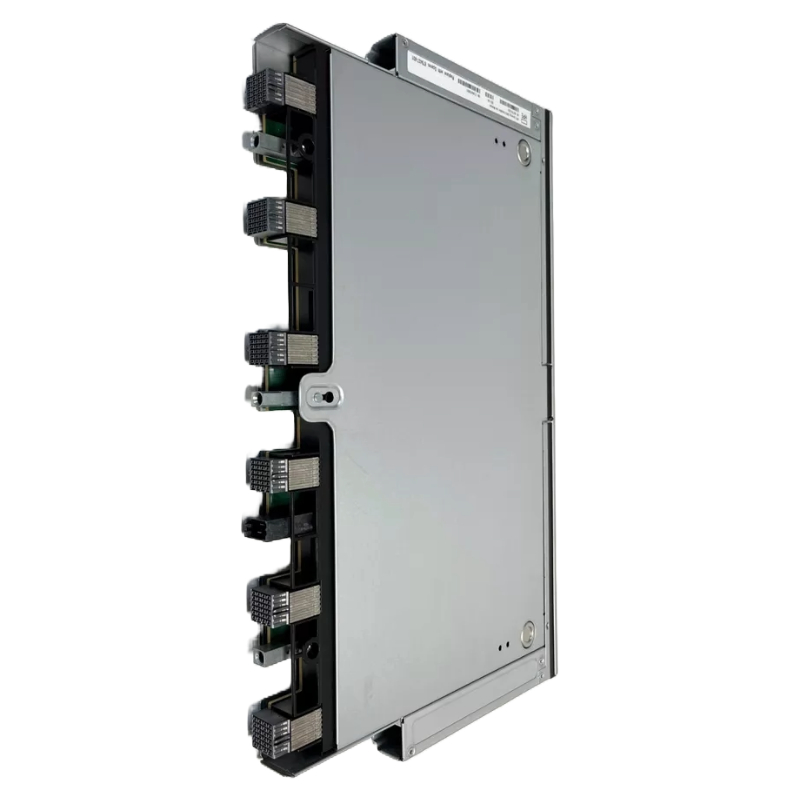
HPE 867793-B21 Synergy 50GB Interconnect Link Module. Excellent Refurbished with 1 year replacement warranty
The HPE 867793-B21 Synergy 50GB Interconnect Link Module is engineered to deliver ultra-fast connectivity, scalability, and seamless integration for enterprise data centers. Designed for HPE Synergy 12000 Frames, it ensures low-latency communication and efficient bandwidth utilization across compute modules.
The HPE Synergy 50GB Interconnect Link Module represented by HPE 867793-B21 Synergy 50GB Interconnect Link Module is a high-performance fabric interconnect component designed for modern composable infrastructure environments. It plays a critical role in enabling scalable, software-defined networking across HPE Synergy frames, ensuring ultra-low latency data transfer, high throughput, and flexible resource pooling across compute and storage modules. As enterprise data centers continue transitioning toward hybrid cloud and composable architectures, interconnect modules like this become essential building blocks for achieving agile IT operations.
HPE 867793-B21 Synergy architecture is built around a composable fabric that allows compute, storage, and networking resources to be dynamically allocated. The 50GB Interconnect Link Module functions as a fabric backbone, providing high-speed communication pathways between Synergy frames. This architecture eliminates rigid hardware dependencies and allows IT administrators to recompose infrastructure based on application needs.
The module is engineered to support high-bandwidth traffic flows essential for virtualization, cloud-native workloads, and database-intensive applications. By enabling 50GB class interconnectivity, it reduces bottlenecks commonly found in traditional 10GB or 25GB networking environments. The design emphasizes deterministic latency, ensuring predictable performance for mission-critical workloads.
Latency optimization is achieved through hardware-level packet forwarding and optimized switching logic. The module is designed to minimize hops between compute nodes and interconnect fabrics, which significantly improves response times for distributed applications.
Bandwidth aggregation across multiple interconnect lanes ensures that data-heavy operations such as real-time analytics, virtualization migration, and large-scale storage replication occur seamlessly without congestion or packet loss.
The interconnect module enables seamless frame-to-frame communication within Synergy ecosystems. This ensures that multiple chassis behave as a unified infrastructure pool rather than isolated compute islands. The architecture supports horizontal scaling, allowing enterprises to expand computing capacity without redesigning network topologies.
Redundancy is a key aspect of enterprise-grade infrastructure. The 50GB interconnect module provides multiple redundant pathways, ensuring continuous uptime even in the event of link failure. This enhances fault tolerance and supports business continuity strategies in large-scale deployments.
In case of link degradation or hardware interruption, traffic is automatically rerouted through alternate fabric channels. This ensures uninterrupted application performance and reduces the risk of service outages in production environments.
Dynamic load balancing distributes network traffic evenly across available interconnect paths. This prevents congestion and ensures consistent throughput across all connected Synergy frames.
Virtualized environments benefit significantly from high-speed interconnect modules. Virtual machine migration, snapshot replication, and distributed resource scheduling become faster and more efficient when supported by 50GB fabric links. This reduces downtime during maintenance operations and improves overall resource utilization.
Modern cloud-native applications rely heavily on microservices architectures that require rapid east-west traffic movement. The interconnect module supports this requirement by enabling fast internal communication between distributed services.
The architecture minimizes communication overhead between service nodes, improving API responsiveness and reducing service latency in containerized environments.
In Kubernetes-based environments, the module enhances pod-to-pod communication speeds, ensuring smoother scaling operations and improved cluster stability under heavy load conditions.
Security in composable infrastructure is enhanced through logical segmentation of network traffic. The interconnect module ensures that sensitive workloads remain isolated while still benefiting from shared infrastructure resources.
Built-in mechanisms ensure that data packets are transmitted without corruption, maintaining integrity across high-speed communication channels. This is essential for financial, healthcare, and enterprise compliance environments.
While the module itself focuses on transport efficiency, it integrates seamlessly with encryption protocols implemented at the software and fabric controller level.
Role-based access control policies can be enforced at the fabric level, ensuring that only authorized systems can communicate across specific interconnect pathways.
The HPE 867793-B21 interconnect module is designed with energy efficiency in mind, optimizing power consumption while maintaining high throughput. This contributes to reduced operational costs in large-scale deployments.
Efficient thermal management ensures stable performance under heavy workloads. The module is engineered to operate within optimal temperature ranges, reducing the risk of overheating and hardware degradation.
Cooling systems within Synergy frames adjust dynamically based on workload intensity, ensuring efficient energy usage across the infrastructure stack.
Balanced workload distribution reduces stress on individual components, extending hardware lifespan and improving overall system reliability.


 Contact Us
 Information
 Catalog
 Solid State Drives (SSD)
 Network Switches
 Hard Disk Drives
 HBA & Controllers
 PC & Servers
 PC & Server Memory
 CPU & Processors
 Network Routers
 Power Supplies
 Tape Drives & Libraries
 Network Devices
 Computer & Network Cables