(7% discount is applied at checkout)
Cart is empty
Your go-to destination for cutting-edge server products
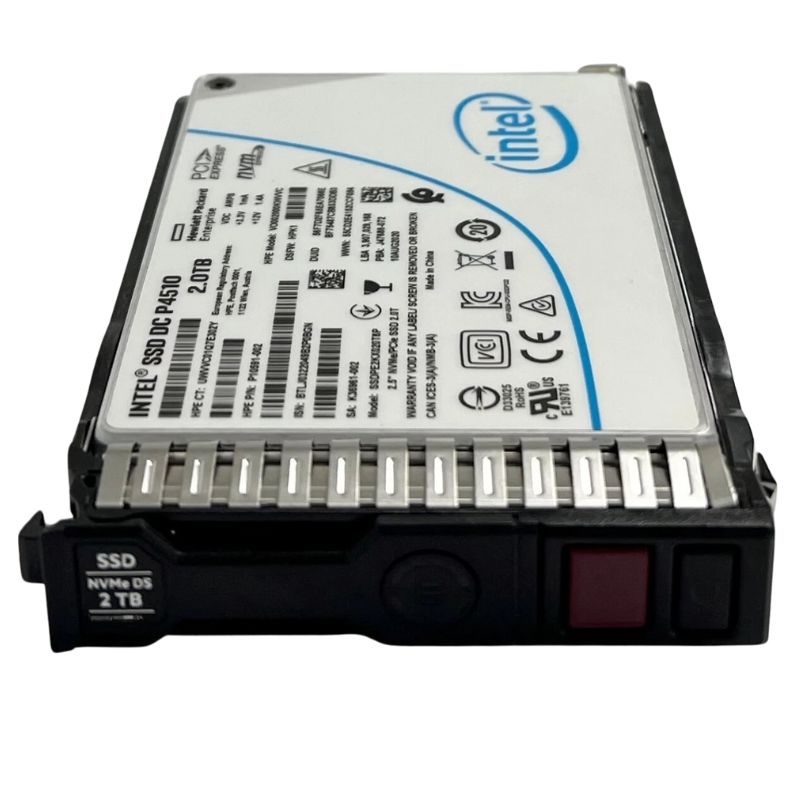


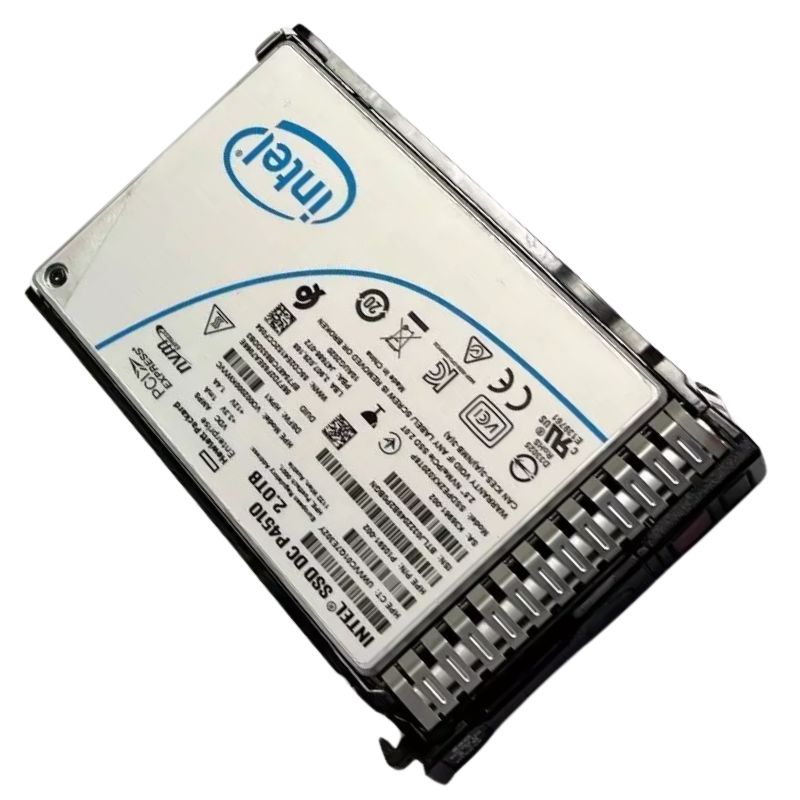
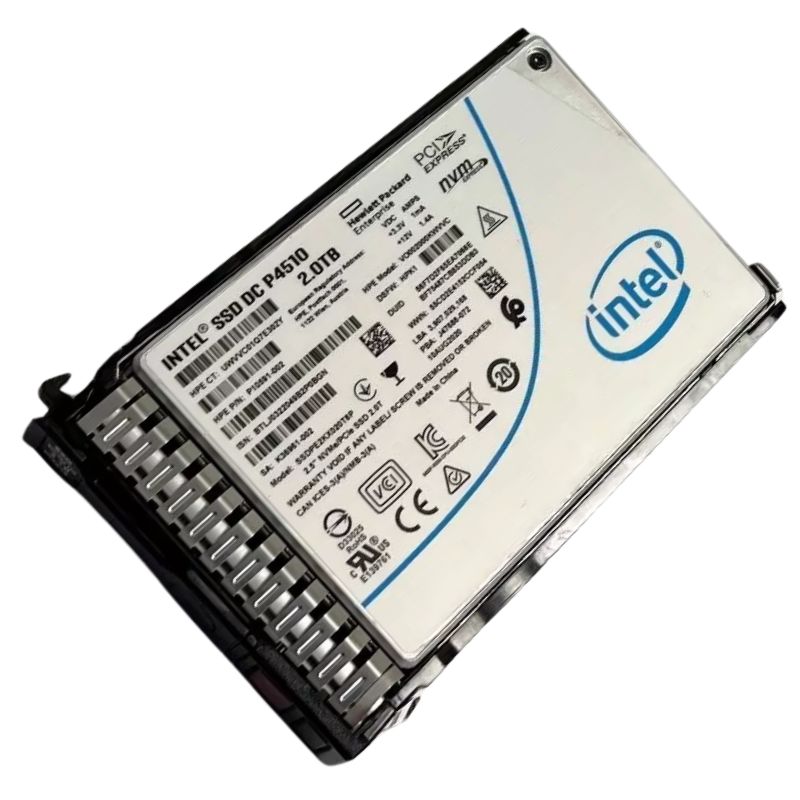
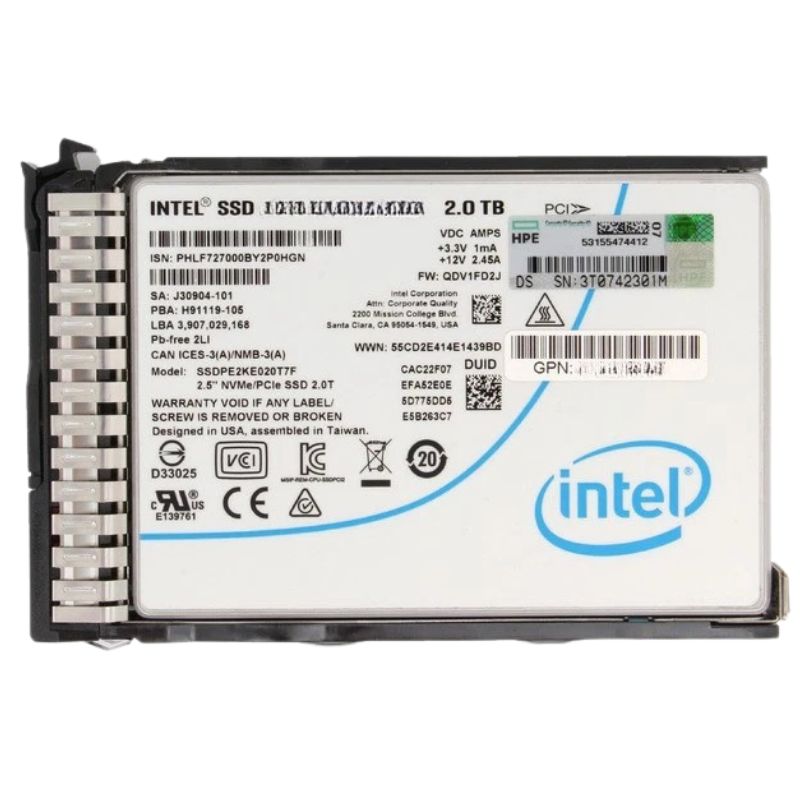
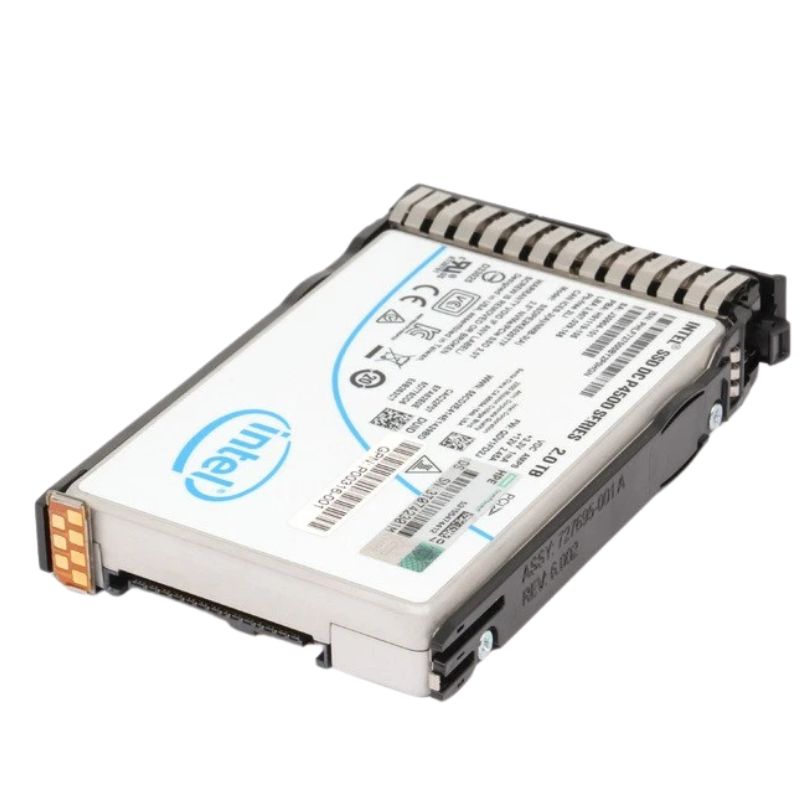
HPE VO002000KWVVC Read Intensive 2TB PCI-E 3.0 X4 NVMe SSD. Factory-Sealed New in Original Box (FSB) with 3 Years Warranty
This 2TB NVMe SSD is engineered for seamless integration with a wide range of HPE server platforms and storage solutions:
The HPE VO002000KWVVC solid state drive utilizes the 2.5-inch Small Form Factor (SFF) design, specifically conforming to the 15mm z-height profile. This physical dimension is crucial for compatibility with enterprise server bays and storage enclosures designed to accommodate thicker drives. The inclusion of a dedicated tray ensures secure mounting and proper alignment within HPE server infrastructure, preventing movement and maintaining consistent connection integrity. The drive's physical construction meets enterprise-grade durability standards, capable of withstanding typical data center environmental conditions including vibration and mechanical shock during operation and transportation.
This SSD features a PCI Express 3.0 x4 host interface, delivering maximum theoretical bandwidth of approximately 4 GB/s per direction when utilizing all four lanes. The drive implements the NVMe (Non-Volatile Memory Express) protocol, specifically version 1.3 or later, which is optimized for high-performance flash storage by reducing command overhead and enabling deep queue depths. The NVMe protocol operates directly through the PCIe bus, bypassing the traditional SATA/AHCI limitations that were originally designed for mechanical hard drives. This interface configuration ensures minimal latency and maximum IOPS performance for read-intensive workloads.
The HPE VO002000KWVVC is engineered specifically for read-intensive applications, typically handling workloads with approximately 70-80% read operations and 20-30% write operations. This workload profile is common in database query operations, content delivery networks, web serving, and data analytics applications where data retrieval performance is prioritized over write endurance. The drive's flash management algorithms, including wear leveling and garbage collection, are tuned to maximize performance and longevity under these specific usage patterns, ensuring consistent response times even under sustained read pressure.
For sequential operations, this 2TB SSD delivers exceptional read performance with transfer rates up to 3,200 MB/s under optimal conditions. Sequential write performance is rated at up to 1,200 MB/s, which remains substantial for occasional bulk data writes and storage expansion operations. These sequential performance figures make the drive suitable for large file transfers, video streaming applications, and data backup/restore operations where sustained data transfer rates are critical for operational efficiency.
In random access scenarios, which are common in database operations and virtualized environments, the HPE VO002000KWVVC achieves up to 450,000 random read IOPS (4KB blocks) at queue depth 256. Random write performance reaches up to 75,000 IOPS under the same conditions, providing balanced performance for mixed workloads while maintaining the read-centric design philosophy. These random performance metrics ensure responsive application behavior even when handling numerous simultaneous small I/O requests from multiple applications or users.
The drive is rated for 1.3 Drive Writes Per Day (DWPD) translating to approximately 4.75 petabytes written (PBW) total endurance for the 2TB capacity model. This endurance rating positions the drive appropriately for read-intensive applications while maintaining sufficient write tolerance for normal operational overhead, including garbage collection, wear leveling, and background maintenance operations.
The HPE VO002000KWVVC utilizes 3D TLC (Triple-Level Cell) NAND flash memory, which provides an optimal balance between cost, capacity, and endurance for read-intensive workloads. The 3D NAND architecture stacks memory cells vertically, enabling higher storage densities while maintaining consistent performance characteristics and power efficiency. The drive incorporates advanced error correction codes (ECC) including LDPC (Low-Density Parity Check) technology to maintain data integrity and extend the usable life of the NAND flash cells through sophisticated signal processing and read-retry algorithms.
At the heart of this SSD is a high-performance NVMe controller specifically designed to manage the TLC NAND flash array while implementing enterprise-grade data protection features. The controller manages wear leveling across all available NAND blocks, bad block management, and garbage collection operations transparently to the host system. The digitally signed firmware ensures that only authentic, HPE-validated code executes on the controller, protecting against malicious firmware modifications and ensuring consistent, predictable behavior in enterprise environments. Firmware updates are delivered through HPE's standard support channels and maintain compatibility with HPE server infrastructure.
The drive incorporates advanced power-loss protection (PLP) circuitry that includes both input power monitoring and onboard capacitance storage. When an unexpected power loss is detected, the PLP system provides sufficient temporary power to complete in-progress write operations and flush volatile cache contents to non-volatile NAND memory. This data protection mechanism prevents data corruption and maintains filesystem integrity during unplanned power events, which is critical for enterprise applications requiring maximum data availability and consistency.
The HPE VO002000KWVVC is specifically validated for use across HPE's server portfolio, including ProLiant, Apollo, and Synergy systems. The drive firmware includes HPE-specific management extensions that integrate with iLO (Integrated Lights-Out) management controllers for health monitoring, predictive failure analysis, and inventory management. This deep integration enables system administrators to monitor drive health, temperature, and performance metrics through standard HPE management interfaces, including HPE OneView and iLO Amplifier Pack.
This NVMe SSD maintains broad compatibility with enterprise operating systems including Windows Server 2012 R2 and later, Linux distributions with kernel 3.3 or later (with appropriate NVMe drivers), VMware ESXi 6.0 and later, and other hypervisors that support the standard NVMe 1.3 specification. The drive presents itself as a standard NVMe block device, requiring no special drivers for basic functionality, though HPE recommends using vendor-specific drivers for optimal performance and advanced management capabilities in supported environments.
The drive is designed to operate within a temperature range of 0°C to 70°C during active operation, with a maximum temperature gradient of 20°C per hour to prevent thermal stress on components. During non-operational storage, the drive can withstand temperatures from -40°C to 85°C. The drive includes thermal monitoring and throttle capabilities that automatically reduce performance temporarily to maintain safe operating temperatures if environmental conditions exceed normal parameters, protecting the NAND flash and controller from heat-induced degradation or damage.
Under typical active operation, the HPE VO002000KWVVC consumes approximately 8-10 watts during peak activity, with idle power consumption dropping to below 5 watts when implementing power management features. The drive supports multiple power states as defined in the NVMe specification, including operational states PS0 through PS4 and non-operational states, allowing the host system to balance performance requirements with power efficiency based on workload demands. These power characteristics make the drive suitable for dense storage configurations where power and thermal budgets are carefully managed.
Beyond standard ECC protection, the drive implements end-to-end data path protection using CRC (Cyclic Redundancy Check) codes for both metadata and user data. This protection covers the entire data path from host interface to NAND flash media, detecting and correcting transient errors that may occur during data transfer between controller components. The protection scheme is transparent to the host system and operates concurrently with normal I/O operations without significant performance impact, maintaining data integrity throughout the drive's architecture.


 Contact Us
 Information
 Catalog
 Solid State Drives (SSD)
 Network Switches
 Hard Disk Drives
 HBA & Controllers
 PC & Servers
 PC & Server Memory
 CPU & Processors
 Network Routers
 Power Supplies
 Tape Drives & Libraries
 Network Devices
 Computer & Network Cables