(7% discount is applied at checkout)
Cart is empty
Your go-to destination for cutting-edge server products
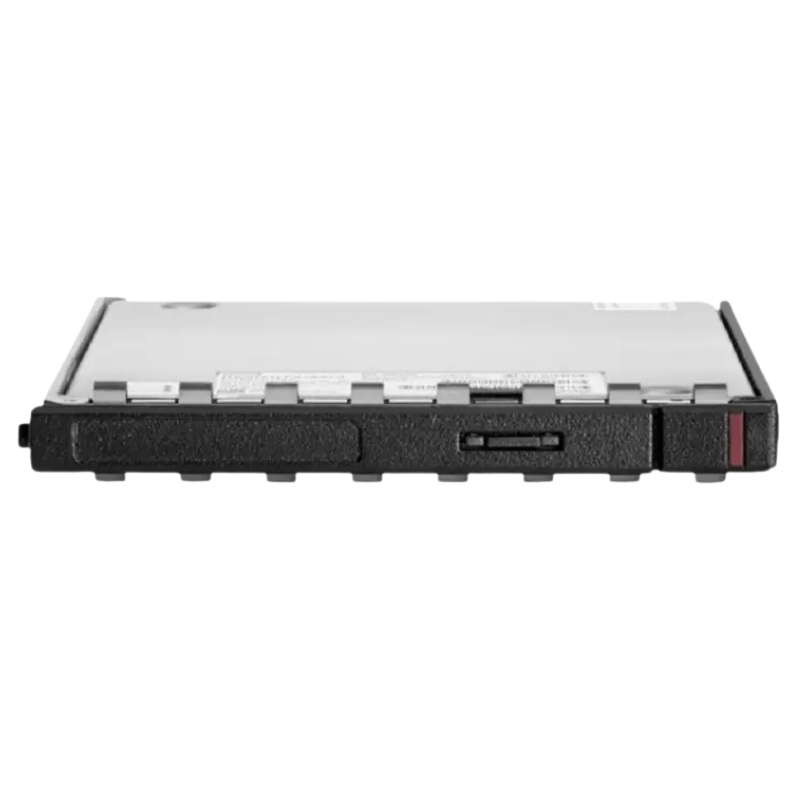


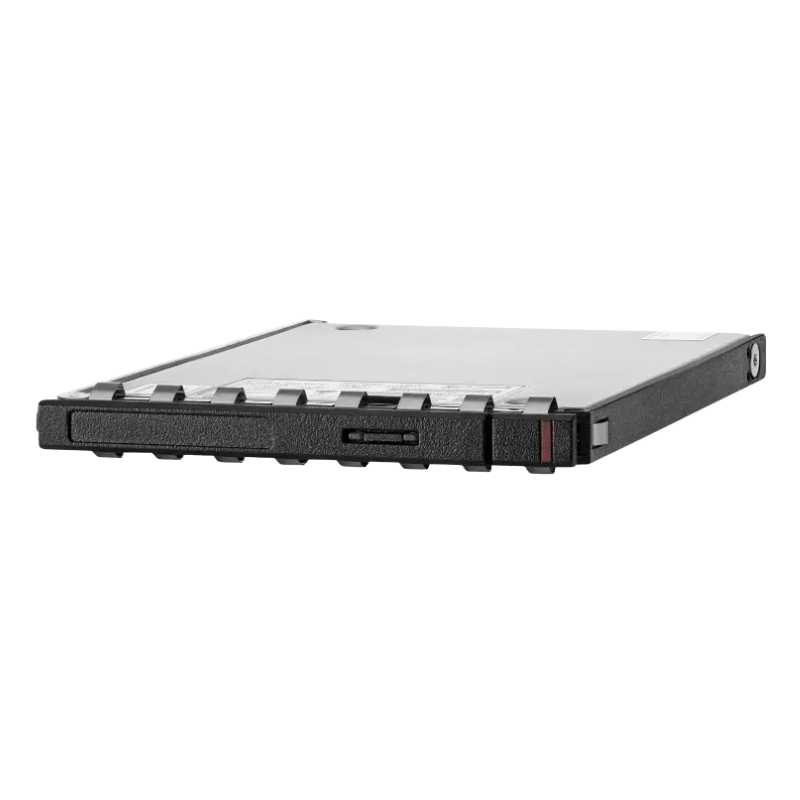
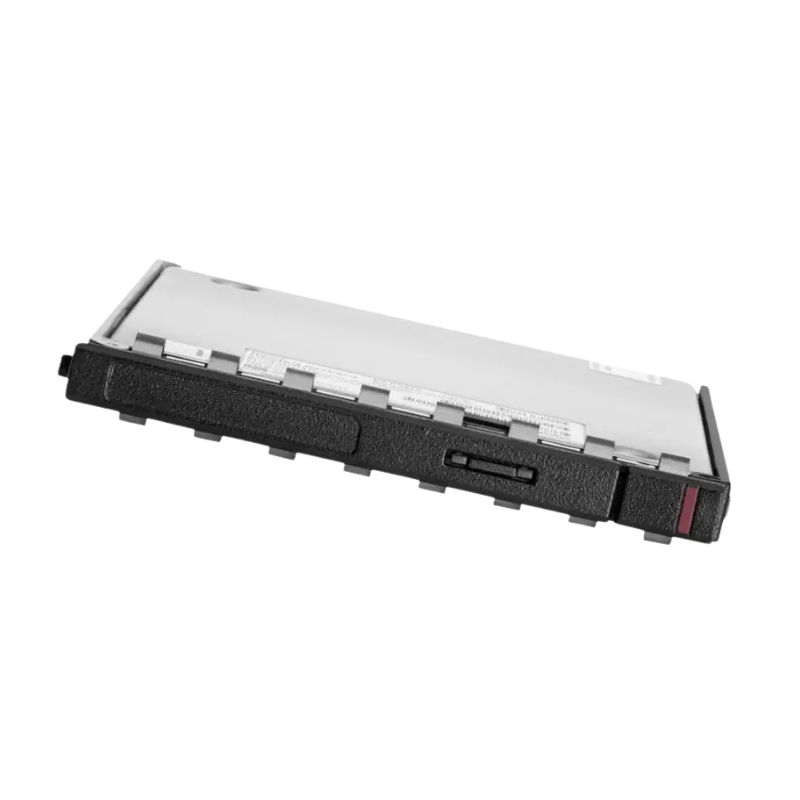
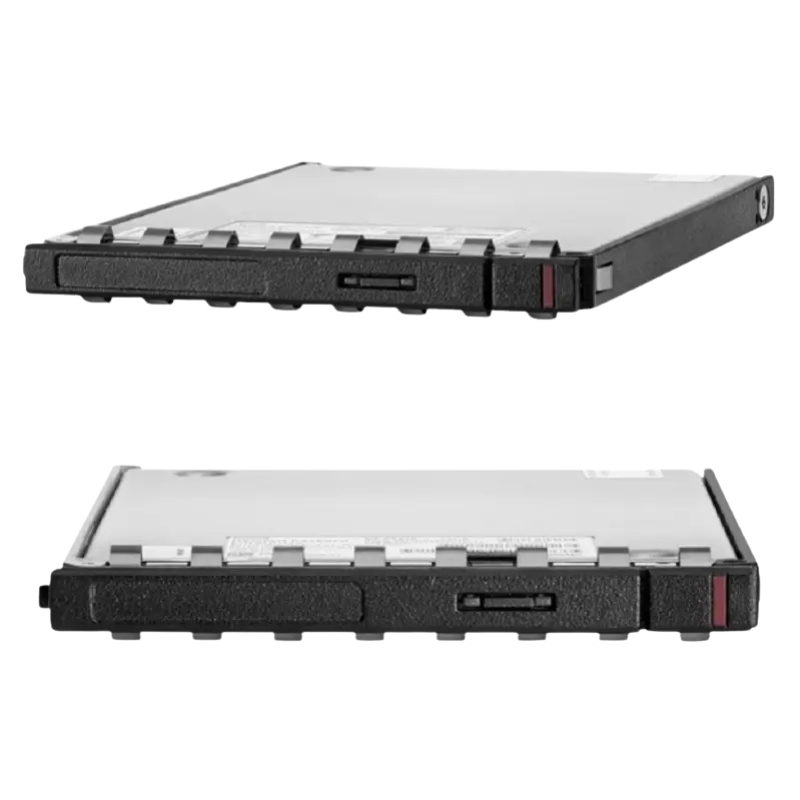
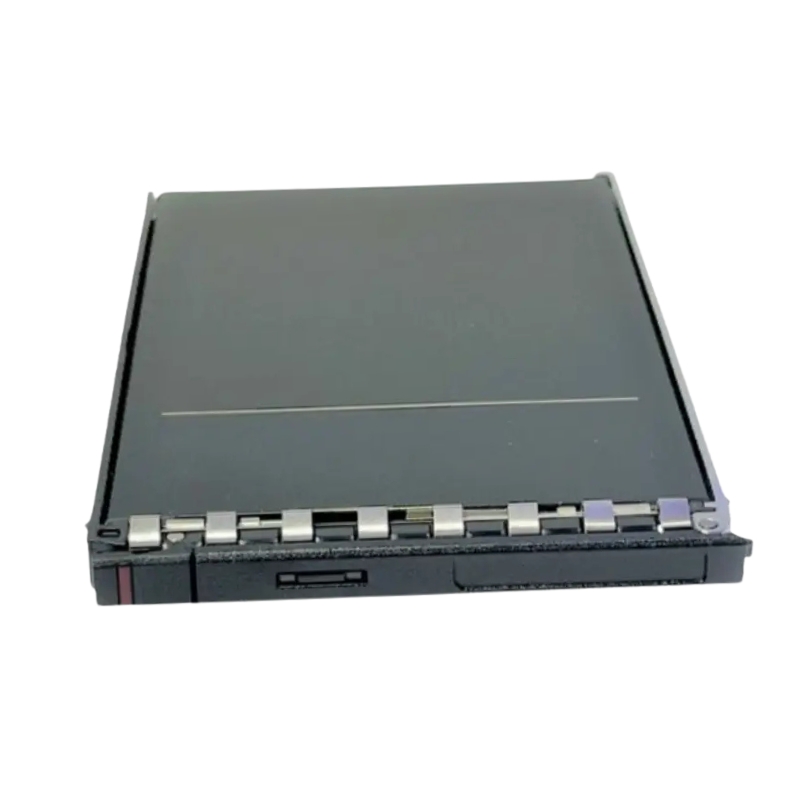
HPE VV007680LYDTV 7.68TB NVMe Gen5 Read Intensive E3s Ec1 Edsff Mainstream Performance SSD. Excellent Refurbished with 1 Year Replacement Warranty
The HPE VV007680LYDTV 7.68TB NVMe Gen5 Read Intensive Mainstream Performance E3.s Ec1 Edsff SSD is engineered for modern data-driven environments that demand exceptional speed, responsive read operations, and reliable daily workload handling. Designed with next-generation PCIe Gen5 NVMe architecture, this enterprise-grade drive ensures accelerated data throughput, low latency, and operational consistency for servers, cloud platforms, and high-volume analytics applications.
The HPE VV007680LYDTV 7.68TB NVMe Gen5 Read Intensive Mainstream Performance E3s Ec1 EDSFF SSD represents a new frontier of enterprise solid-state storage engineered for the next wave of data-center acceleration. Built on the NVMe Gen5 interface, this high-capacity drive delivers extremely low latency, exceptional throughput, and advanced reliability features required for businesses operating performance-critical workloads. Designed in the E3s EDSFF form factor, this SSD delivers a breakthrough in power efficiency, cooling optimization, and storage density, allowing data centers to scale performance without increasing thermal or energy burdens. As organizations adopt more demanding AI, edge analytics, virtualization, and real-time data processing tasks, storage solutions like the HPE VV007680LYDTV become essential for maintaining seamless performance across modern infrastructures.
NVMe Gen5 technology marks a substantial leap from earlier generations by doubling the throughput potential of Gen4 while sharply lowering latency. With improved PCIe lane efficiency, the HPE VV007680LYDTV 7.68TB SSD can sustain heavy read-intensive workloads while maintaining consistent I/O performance. Enterprises benefit from rapid data accessibility, accelerated application response times, and improved system-wide operational flow. NVMe Gen5 also enhances queue management capabilities, allowing servers to process massively parallel workloads with minimal bottlenecks. This is a significant advantage over SAS and SATA architectures, which rely on legacy command stacks designed for mechanical drives and therefore struggle to keep up with modern software workloads. By adopting NVMe Gen5, organizations can integrate storage that aligns with the speed and parallelism required for machine learning pipelines, microservices, large-scale cloud platforms, and distributed storage environments.
PCIe Gen5 integration provides the HPE VV007680LYDTV SSD with a high-bandwidth connection that can push multi-gigabyte transfer rates with consistency. The increased per-lane bandwidth enables greater headroom for handling peak workloads such as real-time analytics, high-volume transactional data, and high-speed streaming. This architectural improvement results in smoother multitasking at the server level, allowing IT teams to deploy virtual workloads, databases, and containerized environments without sacrificing performance. Gen5 also introduces improved signal integrity mechanisms and enhanced error handling, which is essential for mission-critical applications where data corruption is unacceptable. With these enhancements, organizations gain a storage backbone capable of sustaining demanding operations across various industries.
The HPE VV007680LYDTV 7.68TB SSD is engineered for read-intensive workloads, meaning it excels in environments where large datasets are repeatedly accessed. Online transaction processing platforms, media streaming systems, data warehouses, and VDI infrastructures benefit from the immense throughput capabilities of NVMe Gen5. The device reduces loading times for applications and shortens indexing or retrieval operations, enabling businesses to respond rapidly to customer queries and operational tasks. In multi-tenant environments, NVMe Gen5 eliminates the slowdowns caused by concurrent I/O requests, ensuring predictable responsiveness even at peak usage periods. Ultimately, this enhanced workload efficiency translates into measurable productivity gains and cost reductions.
The E3s Ec1 EDSFF form factor is designed for next-generation enterprise infrastructure, replacing the traditional 2.5-inch drive format with a more thermally optimized and scalable solution. Unlike previous drive designs, EDSFF allows manufacturers to create high-capacity SSDs with improved airflow and power distribution, making it ideal for dense server racks and hyperconverged systems. The HPE VV007680LYDTV utilizes this standard to deliver high endurance, exceptional efficiency, and superior reliability. EDSFF also future-proofs data centers by accommodating thermal demands of advanced PCIe generations, something traditional 2.5-inch SSDs increasingly struggle with. This positions the drive as a long-term investment for enterprises transitioning toward modernized digital ecosystems.
Thermal management is a critical factor in enterprise storage deployment. High-performance SSDs generate substantial heat, and insufficient cooling can lead to throttling and shortened lifespan. The E3s EDSFF design of the HPE VV007680LYDTV optimizes airflow pathways, allowing heat to dissipate efficiently. This reduces dependency on high-powered cooling systems and maintains consistent performance under heavy workloads. The elongated shape of EDSFF modules also permits larger surface areas for heat distribution, further increasing thermal efficiency. This benefit is especially valuable in hyperscale environments where SSDs operate in tightly packed enclosures with minimal airflow.
Data centers continue to seek denser storage solutions to maximize rack utilization. E3s EDSFF modules are engineered for optimal vertical and horizontal stacking, enabling higher drive counts in the same physical space. With the HPE VV007680LYDTV 7.68TB SSD, organizations can significantly increase total storage capacity per rack without compromising cooling or performance. This leads to reduced rack costs, improved CAPEX efficiency, and simplified scaling strategies. As enterprises expand their digital infrastructure, storage density becomes a major competitive advantage.
The HPE VV007680LYDTV SSD falls under the Mainstream Performance tier, offering a balanced approach to speed, capacity, and endurance. This makes it suitable for a wide range of enterprise applications that require responsive storage but may not demand extreme endurance capabilities seen in write-intensive drives. The focus on read-intensive performance ensures that businesses handling high query volumes, high-frequency read operations, or large dataset scanning can benefit from its capabilities without overspending on unnecessary endurance specifications. Organizations operating content delivery networks, cloud management platforms, and AI-driven analytics systems gain a drive that fully supports their operational goals.
Read-intensive drives like the HPE VV007680LYDTV are engineered with endurance profiles designed for workloads where data reads significantly outweigh writes. This makes them ideal for enterprise storage tiers dedicated to content retrieval, database access, and metadata management. Since these workloads do not heavily tax write cycles, read-optimized drives deliver greater cost efficiency while still maintaining high performance. The SSD is capable of sustaining high IOPS rates during massive-read scenarios, ensuring smooth delivery of application data, transactional logs, and virtual desktop profiles. This performance consistency is particularly important in multi-user environments where spikes in demand can lead to slowdowns if storage cannot keep up.
Many modern applications rely heavily on fast, predictable storage access. The HPE VV007680LYDTV aligns perfectly with the needs of large databases, AI inference engines, business intelligence platforms, and virtual machine clusters. Cloud infrastructure benefits from its ability to serve high-speed data to multiple instances simultaneously, supporting microservice architectures and container management platforms. Edge computing nodes also benefit from its performance profile, ensuring that local processing tasks operate without bottlenecks even when handling massive sensor data or real-time analytics.
Reliability is at the core of enterprise storage, and the HPE VV007680LYDTV is built with robust endurance and data retention capabilities. Although optimized for read-heavy workloads, it still provides sufficient write endurance to support logging, backup indexing, and metadata updates. Advanced wear-leveling algorithms distribute write cycles evenly across memory cells to extend device lifespan. Power-loss protection safeguards data in the event of unexpected shutdowns, ensuring that in-flight data is not lost. Enterprise error correction mechanisms preserve data integrity at every stage of I/O processing, ensuring that the drive delivers consistent and accurate performance over its operational lifespan.
One of the most important reliability features in enterprise SSDs is power-loss protection. The HPE VV007680LYDTV includes capacitors and firmware-level safeguards that ensure cached data is properly flushed to non-volatile media during abrupt power failures. Combined with end-to-end data path protection, the device identifies and corrects errors before they impact application performance. As large-scale data environments require unmatched consistency, these features reduce the risk of corrupted workloads or failed processes that could result in operational downtime.
Although categorized as a read-intensive SSD, the endurance profile of this drive is carefully balanced to support enterprise reliability requirements. Write operations involved in system logging, security scanning, database indexing, and background management tasks are easily handled by the drive’s endurance design. With sufficient DWPD ratings for mainstream applications, the HPE VV007680LYDTV ensures long-term stability without requiring replacement cycles commonly associated with consumer-grade storage.
Thanks to its advanced circuit design and thermally efficient enclosure, the SSD produces minimal heat even under consistent workloads. This reduces strain on server cooling systems and minimizes thermal throttling risks. The long-term benefit is improved drive reliability, reduced cooling infrastructure costs, and greater overall data center stability. EDSFF’s airflow enhancements ensure continuous cooling even when deployed in dense storage systems.
Beyond its performance features, the HPE VV007680LYDTV is engineered to deliver long-term financial advantages. Lower power consumption, improved cooling characteristics, and extended lifespan all contribute to a reduced total cost of ownership. High density allows organizations to consolidate multiple older drives into fewer high-capacity NVMe units, reducing spending on infrastructure, maintenance, and energy. This makes the SSD a strong investment for enterprise environments focused on operational resilience and financial optimization.
As enterprise environments continue evolving, the HPE VV007680LYDTV 7.68TB NVMe Gen5 SSD is designed to remain relevant for years to come. With support for cutting-edge PCIe Gen5 architectures, thermal efficiency innovations, and a highly scalable EDSFF form factor, the drive is positioned to meet the demands of AI innovation, global digital transformation, and high-efficiency computing at scale. Businesses adopting this SSD gain a storage solution capable of growing alongside emerging technologies, ensuring stability and performance across future workloads and software ecosystems.
High-performance computing environments require storage that can process vast datasets at high speed without bottlenecks. The NVMe Gen5 capabilities of this SSD, combined with its thermal efficiency and reliability, make it an ideal choice for HPC clusters, research facilities, and large-scale modeling environments. Whether supporting advanced simulations, scientific discoveries, or complex data pipelines, the drive provides the responsiveness needed for compute-heavy tasks.
As server architectures evolve toward greater efficiency and higher throughput, storage must evolve in parallel. The E3s EDSFF design supports next-generation hardware that emphasizes modularity, improved airflow, and enhanced performance-per-watt metrics. The HPE VV007680LYDTV fits naturally into this framework, ensuring that organizations remain at the forefront of innovation without requiring disruptive infrastructure changes.


 Contact Us
 Information
 Catalog
 Solid State Drives (SSD)
 Network Switches
 Hard Disk Drives
 HBA & Controllers
 PC & Servers
 PC & Server Memory
 CPU & Processors
 Network Routers
 Power Supplies
 Tape Drives & Libraries
 Network Devices
 Computer & Network Cables