
(7% discount is applied at checkout)
Cart is empty
Your go-to destination for cutting-edge server products
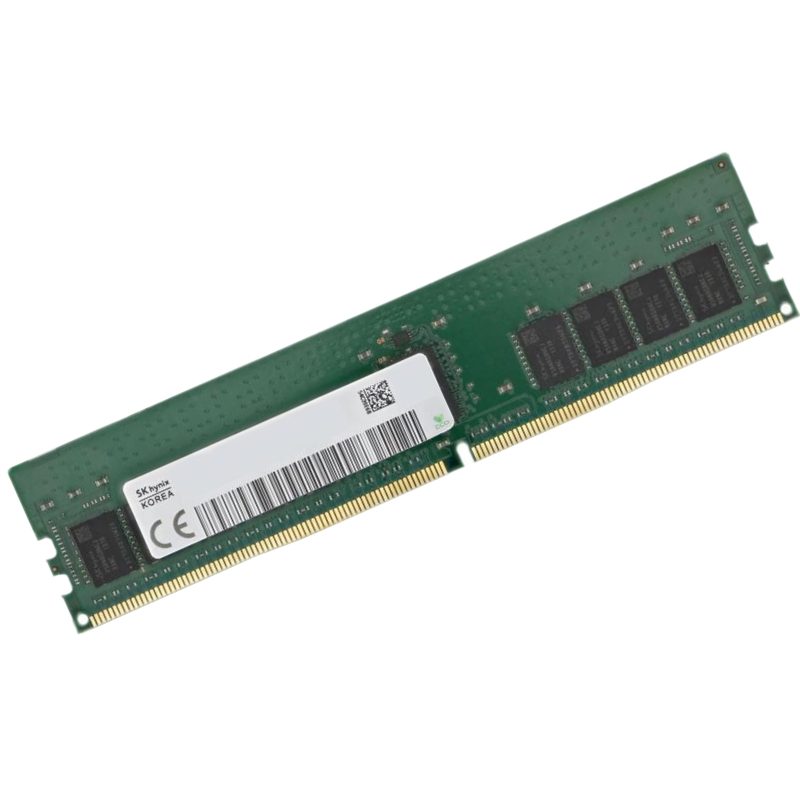
Hynix HMAA4GR7CJR4N-XN 32GB PC4-25600 DDR4 3200MHz 288-Pin SDRAM RDIMM Memory. New (System) Pull with 1 Year Replacement Warranty. Call
| SKU/MPN | Warranty | Price | Condition | You save |
|---|---|---|---|---|
| HMAA4GR7CJR4N-XN | 1 Year Warranty | $729.00 | New (System) Pull | You save: $255.15 (26%) |
| HMAA4GR7CJR4N-XN | 1 Year Warranty | $1,008.00 | New Sealed in Box (NIB) | You save: $352.80 (26%) |
The Hynix HMAA4GR7CJR4N-XN 32GB PC4-25600 DDR4 3200MHz RDIMM is engineered to deliver exceptional performance, superior data reliability, and seamless compatibility for enterprise-grade systems. Designed with advanced DDR4 architecture, this memory module boosts multitasking efficiency and enhances overall server responsiveness.
The landscape of enterprise computing continues to evolve rapidly, demanding higher stability, increased bandwidth, and more advanced data-handling mechanisms across all forms of server environments. Within this expanding ecosystem, DDR4 RDIMM memory modules have become the backbone of mission-critical infrastructures, supporting everything from virtualization clusters to large-scale database servers and cloud-driven applications. Among this category, the Hynix HMAA4GR7CJR4N-XN 32GB PC4-25600 DDR4 3200MHz 288-Pin SDRAM RDIMM Memory stands out as a high-performance component engineered to elevate system efficiency. This category encompasses memory designed specifically for server-grade performance, with a strong focus on reliability, data accuracy, and long-term workload sustainability. DDR4 Registered DIMM architecture, as found in this type of memory, provides unmatched compatibility with multi-processor configurations while maintaining operational stability and optimized data processing speeds.
Registered DIMMs, or RDIMMs, incorporate a memory register that assists in stabilizing electrical loads when multiple modules are installed. In large server environments, this stability is crucial because memory controllers face increasing pressure as additional modules draw simultaneous power. The buffered design ensures that systems remain resilient, minimizing risks of data corruption or system crashes. The RDIMM architecture found within this category helps reduce the strain on processors, enabling smoother communication between the CPU and memory channels. This becomes particularly important in servers utilizing numerous DIMM slots, as unbuffered designs may struggle to maintain consistent signal integrity. RDIMM solutions enhance scalability, making them ideal for environments planning future expansion of RAM capacity. The integration of this technology also reinforces system reliability during excessive processing demand, ensuring that operations continue uninterrupted even under the most extreme computational loads.
Error-Correcting Code memory technology is essential in modern businesses that rely heavily on data accuracy and system integrity. ECC capabilities detect and correct single-bit memory errors, preventing them from escalating into larger, system-wide issues. This makes ECC memory indispensable in scientific research facilities, banks, virtualization servers, medical data infrastructures, telecommunications networks, government computing centers, and environments where the risk of data errors must be minimized. Memory modules such as those in this category are designed to safeguard information processes by ensuring each data transaction is validated. These corrections often occur automatically and seamlessly, allowing the system to maintain operational continuity without affecting performance output. ECC memory plays an especially important role in handling workloads that include real-time analytics, precise calculations, and critical communication processes.
The 288-pin design used in DDR4 memory modules provides an upgraded interface capable of supporting increased electrical bandwidth, improved thermal management, and more refined communication pathways. This pin count allows for a denser and more efficient interconnection between the memory module and the server motherboard. Memory modules within this category, including the Hynix variant, take advantage of this expanded pin configuration to deliver better reliability and performance. The physical structure supports higher memory speeds and greater capacities, allowing systems to handle significantly larger data loads. Additionally, the mechanical design is precisely engineered to ensure accurate alignment and secure placement inside compatible DIMM slots. This contributes to maintaining consistent electrical contact, which remains vital when servers operate continuously over extended periods.
Configurations that include high-capacity memory such as 32GB per module make it easier for enterprise environments to scale their server performance without requiring frequent system replacements. Applications running on hypervisors, cloud platforms, or distributed computing systems rely heavily on the ability to access vast memory pools. A single 32GB RDIMM module provides a considerable upgrade over older technologies, helping servers achieve smoother multitasking, faster response times, and improved workload balancing. Capacity flexibility is one of the central reasons why this memory category continues to grow in popularity. Organizations can expand memory density incrementally, enabling them to adjust their server configuration to meet changing operational demands. This scalability improves cost-efficiency by extending the lifespan of existing hardware infrastructure.
Memory modules within this category are designed for compatibility with a wide range of server platforms built by major hardware manufacturers. Whether used in compact rack servers, high-density blade servers, or large-scale enterprise towers, the architecture supports smooth integration without requiring specialized adjustments. The DDR4 interface ensures backward compatibility with systems that support this standard, while also meeting the required specifications for future-proof computing environments. Server vendors such as Dell EMC, HPE, Lenovo, Cisco, Supermicro, Fujitsu, and others frequently adopt this class of memory due to its reliability and operational consistency. Proper compatibility ensures administrators can install modules with confidence, knowing that system performance will improve without issues related to firmware, power distribution, or thermal irregularities.
Rank arrangements such as 1Rx4 help determine how data is organized across memory chips, influencing both speed and responsiveness. The 1Rx4 structure, commonly found across high-end server memory modules in this category, is designed to optimize channel utilization and improve the way the controller accesses stored data. This design enables more efficient communication patterns, reducing latency while maximizing throughput. A single rank configuration allows faster switching between processes, particularly helpful in servers managing high-volume database read operations, virtualization environments, and non-stop application hosting. The x4 chip organization further enhances ECC performance by distributing data more evenly across the module, reducing the likelihood of multi-bit failures. This combination of rank and chip structure contributes significantly to the resilience and speed of systems relying on high-demand applications.
Heat dissipation and power regulation remain crucial factors within server memory categories. DDR4 modules are engineered to operate at reduced voltage levels compared to earlier DDR standards, resulting in lower power usage and enhanced thermal efficiency. These modules maintain performance stability even in systems that operate continuously under demanding loads, minimizing the risk of thermal throttling. The architecture ensures efficient regulation of electrical currents, offering long-term system durability while preventing excessive heat buildup. Enterprise environments benefit from this efficiency through reduced energy costs and improved environmental sustainability. In high-density server racks where airflow is limited, memory modules with such optimized thermal characteristics help administrators maintain ideal operational conditions without relying excessively on additional cooling solutions.
Memory modules belonging to this category are rigorously tested to withstand extreme operating conditions. Data centers often run complex workloads for extended periods without downtime, making durability a critical requirement for server components. The materials, build quality, and manufacturing processes used in DDR4 RDIMM modules help ensure that systems remain functional over years of continuous service. Components are designed to handle heavy thermal cycles, voltage variations, and constant read-write operations. This durability directly influences long-term total cost of ownership by reducing the frequency of replacements and minimizing system interruptions. Reliability also ensures that enterprise operations can proceed without complications, allowing businesses to focus on growth, innovation, and service reliability.
Server environments designed for multitasking rely heavily on memory architecture that can handle millions of data transactions per second. Modules within this category deliver the throughput necessary to maintain efficiency under continuous demand. As organizations expand their workload capacity, memory responsiveness becomes increasingly vital. With faster clock speeds and advanced memory controller communication, DDR4 3200MHz modules reduce queue times and improve application responsiveness. The improved speed ensures smoother transitions between tasks, faster data buffering, and more efficient computational processes. This translates into fewer performance interruptions and more consistent uptime. Even under conditions involving simultaneous data transfers, application launches, operating system processes, and backend transactions, these modules maintain a steady performance profile.
Lower latency contributes to faster system response times, making it easier for servers to complete tasks without bottlenecks. While DDR4 technology naturally provides improved latency over earlier generations, modules within this category further streamline communication pathways to minimize delays. Servers benefit from quicker data retrieval times and reduced buffering interruptions. As data requests flow from the CPU to the memory and back, reduced latency ensures that each request is processed efficiently. This is particularly beneficial in applications that involve real-time decision-making, machine learning inference, and large-scale computations where speed plays a crucial role. Improved latency also helps virtualization platforms allocate resources more dynamically, ensuring that hosted environments maintain stable performance even during peak usage.
Hynix is known worldwide for producing dependable, high-quality memory solutions that support enterprise computing infrastructures. Memory modules within this category reflect Hynix’s commitment to precision engineering, advanced semiconductor fabrication, and extensive quality testing. This ensures each component aligns with the stringent standards required in professional computing ecosystems. Hynix memory designs emphasize consistent performance, structural durability, and compatibility across numerous platforms. Their modules undergo rigorous validation processes that include reliability testing, temperature stability assessments, and performance benchmarking. This provides system administrators with confidence that their server deployments will perform optimally and maintain stability even under demanding conditions. The reputation for excellence associated with Hynix enhances the appeal of this category for organizations seeking trusted memory solutions.
The DDR4-3200 bus speed incorporated into this category allows for significantly improved memory bandwidth, offering enhanced data transfer capability essential for high-volume workloads. This speed rating ensures that large data sets, application processes, and system instructions are handled smoothly, minimizing the chance of queue build-ups that can delay operational processes. The high bandwidth becomes especially useful in systems managing virtualization hypervisors, real-time cloud services, and application hosting environments. The 3200MHz clock speed helps maintain optimal performance consistency throughout heavy workloads, ensuring that memory channels remain free from congestion.
Registered buffering plays a pivotal role in the performance of this memory category. By stabilizing memory signals before they reach the CPU, it ensures improved electric load balancing, especially in multi-DIMM configurations. This reduces strain on the memory controller and enhances overall system longevity. Registered DIMMs excel in preventing signal degradation, which can occur in large server configurations when numerous memory modules operate simultaneously. The buffering mechanism helps promote coherent communication across the memory hierarchy, reinforcing the synchronous functioning of channels and preventing performance irregularities.


 Contact Us
 Information
 Catalog
 Solid State Drives (SSD)
 Network Switches
 Hard Disk Drives
 HBA & Controllers
 PC & Servers
 PC & Server Memory
 CPU & Processors
 Network Routers
 Power Supplies
 Tape Drives & Libraries
 Network Devices
 Computer & Network Cables