(7% discount is applied at checkout)
Cart is empty
Your go-to destination for cutting-edge server products
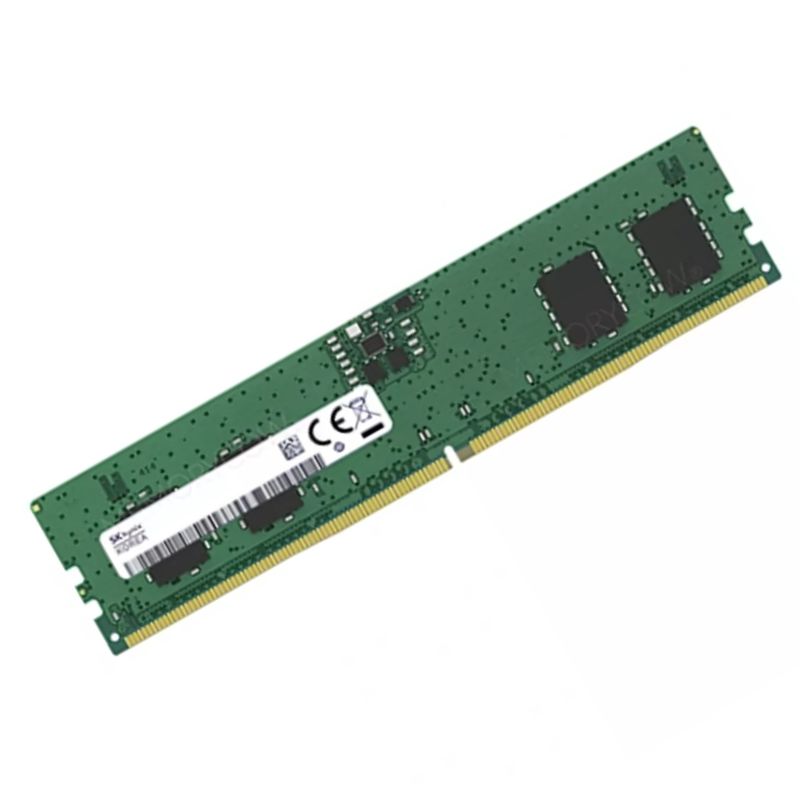


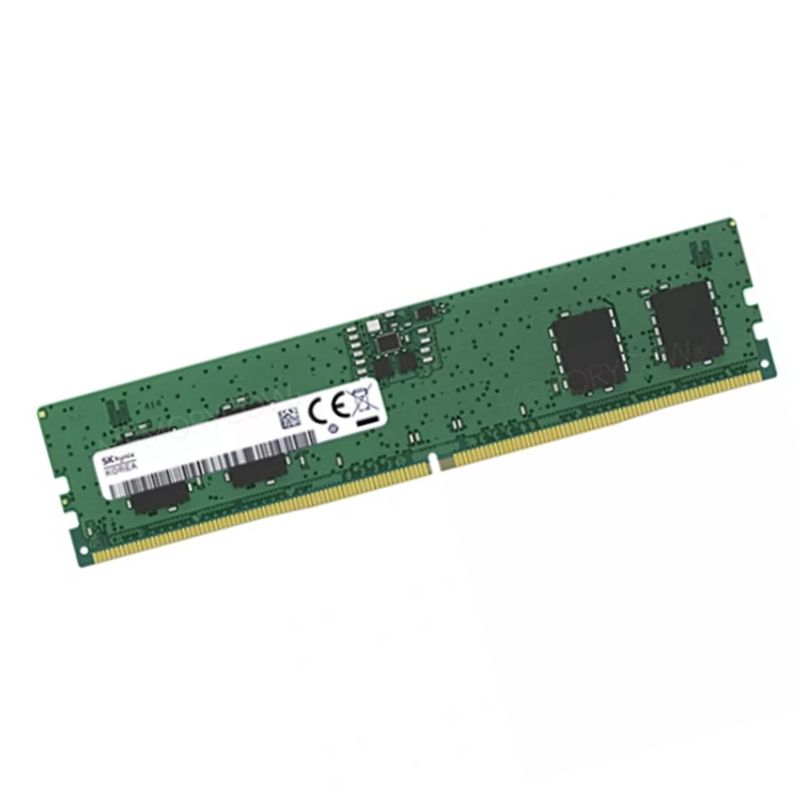
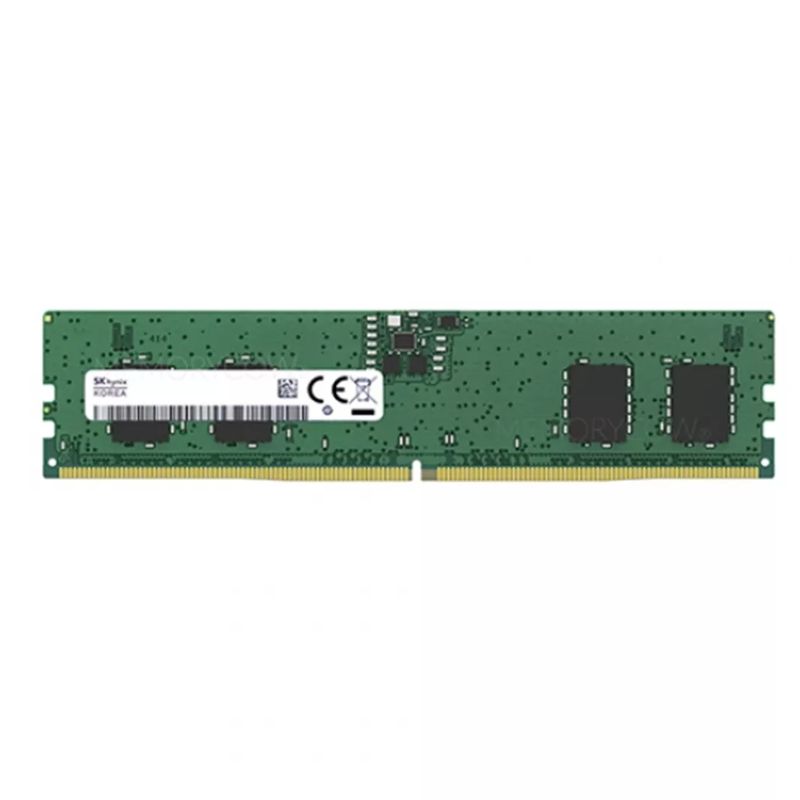
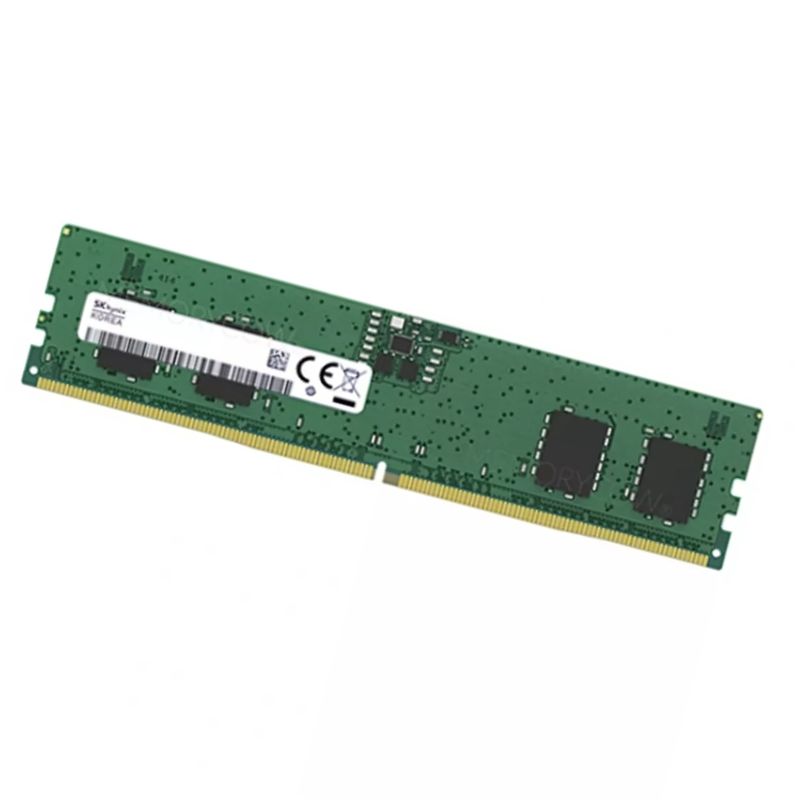
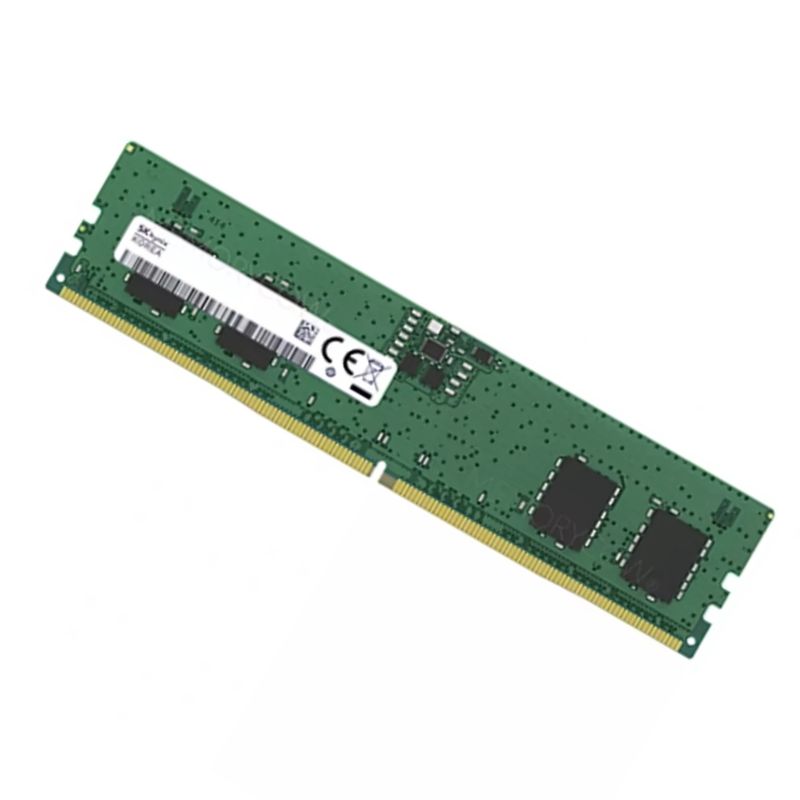
Hynix HMCG78MEBEA081N 16GB DDR5 4800MT/s PC5-38400 ECC Memory Module. New Sealed in Box (NIB) with 1 year Replacement Warranty
The category encompassing DDR5 ECC memory modules represents a foundational component in modern enterprise servers, edge systems, and professional workstations where stability, data integrity, and predictable performance are non-negotiable requirements. Products such as the Hynix HMCG78MEBEA081N 16GB DDR5 4800MT/s PC5-38400 ECC Memory Module exemplify the evolution of system memory toward higher bandwidth, improved efficiency, and advanced reliability features. Within this category, DDR5 ECC memory is designed to meet the demands of data centers, virtualization platforms, database servers, and compute-intensive applications that operate continuously under heavy workloads.
DDR5 technology introduces a generational leap over DDR4 by significantly increasing data transfer rates while reducing operating voltage. With a baseline speed of 4800MT/s, DDR5 ECC modules enable faster access to memory resources, supporting modern CPUs that rely on parallelism and high-throughput memory channels. The PC5-38400 designation reflects the theoretical bandwidth available, which is essential for workloads involving large datasets, real-time analytics, and multi-user environments. In category contexts, these specifications help IT decision-makers align memory capabilities with processor architectures and application performance profiles.
Error Correcting Code functionality is a defining characteristic of this category. ECC memory modules automatically detect and correct single-bit memory errors and detect multi-bit errors, reducing the risk of silent data corruption. In enterprise and professional settings, even minor memory errors can cascade into application crashes, corrupted files, or inaccurate computational results. By integrating ECC at the hardware level, modules in this category provide an additional layer of protection that complements software-based redundancy and backup strategies.
One of the most significant architectural changes in DDR5 memory is the introduction of on-die ECC and dual independent 32-bit subchannels per DIMM. While on-die ECC primarily improves manufacturing yields and internal reliability, system-level ECC remains critical for end-to-end data integrity. The dual subchannel design improves efficiency by allowing the memory controller to access smaller data bursts more frequently, reducing latency in many real-world workloads. In the context of category descriptions, these architectural enhancements distinguish DDR5 ECC modules from previous generations and justify their adoption in new platform designs.
Power management has also been redefined in DDR5. Instead of relying solely on motherboard-level voltage regulation, DDR5 modules integrate a Power Management Integrated Circuit directly on the module. This change allows for finer-grained voltage control, improved signal integrity, and reduced electrical noise. For data centers focused on energy efficiency and thermal optimization, these characteristics make DDR5 ECC memory an attractive category choice, particularly when scaling deployments across hundreds or thousands of systems.
The 16GB capacity point represented by modules like the HMCG78MEBEA081N is a versatile option within the broader DDR5 ECC memory category. It allows system architects to populate multiple memory channels while maintaining balanced configurations that optimize bandwidth and latency. In scalable environments, administrators can start with moderate capacities and expand incrementally as application demands grow, leveraging the modular nature of DIMMs. This flexibility is a key advantage highlighted in category-level discussions of enterprise memory solutions.
Performance is a central theme when evaluating DDR5 ECC memory modules as a category. The 4800MT/s data rate delivers a substantial increase in throughput compared to earlier DDR standards, enabling processors to spend less time waiting on memory access. This improvement translates directly into higher transaction rates for databases, faster compilation times for development environments, and smoother operation of virtual machines competing for shared resources. In performance-sensitive categories, memory bandwidth often becomes a limiting factor, making DDR5 ECC a strategic upgrade.
Latency considerations remain important despite higher transfer rates. DDR5 introduces changes in timing parameters, and while absolute latency in nanoseconds may not decrease dramatically, the increased parallelism and efficiency often result in better effective performance. Category descriptions emphasize that real-world gains depend on workload characteristics, memory channel population, and CPU memory controller capabilities. Understanding these nuances helps buyers select appropriate modules for their specific use cases.
DDR5 ECC memory modules are designed to align with the latest server and workstation processors that feature integrated DDR5 memory controllers. Compatibility is determined by factors such as supported data rates, ECC support, and DIMM type. In category-level documentation, it is common to highlight the importance of consulting platform qualification lists to ensure reliable operation. Modules like the Hynix HMCG78MEBEA081N are typically validated for use in professional-grade systems where stability is prioritized over consumer-focused features.
Memory channel architecture plays a significant role in performance optimization. Populating channels symmetrically and adhering to recommended DIMM configurations allows systems to achieve maximum bandwidth. Category discussions often include guidance on pairing memory modules, understanding rank configurations, and avoiding mismatched capacities that could reduce performance or stability. These considerations are especially relevant in environments where predictable performance is required.
Virtualization platforms place unique demands on system memory, as multiple virtual machines contend for shared resources. DDR5 ECC memory modules support higher consolidation ratios by providing increased bandwidth and reliability. In cloud and private virtualization deployments, memory errors can affect multiple tenants simultaneously, making ECC a critical feature. Category descriptions frequently position DDR5 ECC memory as a foundational component for hypervisors, container platforms, and software-defined infrastructure.
The improved efficiency of DDR5 also contributes to better performance per watt, an important metric in cloud environments. By reducing power consumption at the memory subsystem level, operators can lower operational costs while maintaining high service levels. This balance of performance and efficiency is a recurring theme in category-level content for enterprise memory solutions.
Reliability is a defining attribute of DDR5 ECC memory modules, particularly in mission-critical environments. The integration of ECC ensures that transient memory errors caused by electrical interference, cosmic radiation, or component aging are corrected before they impact applications. In category discussions, this capability is often framed as essential for workloads involving financial transactions, scientific simulations, and long-running processes where data accuracy is paramount.
Enterprise-grade memory modules are manufactured using high-quality components and undergo rigorous validation and testing. Vendors like Hynix are known for their adherence to industry standards and quality control processes. Within the category, this reputation translates into confidence that modules will perform consistently across a wide range of operating conditions, including elevated temperatures and continuous operation.
As memory speeds increase, thermal management becomes increasingly important. DDR5 ECC modules are designed to operate within defined thermal envelopes, and their efficiency improvements help mitigate excessive heat generation. In dense server configurations, proper airflow and cooling strategies are essential to maintain reliability. Category descriptions often address these considerations, advising on best practices for chassis design and system layout.
Environmental resilience is another factor in enterprise memory categories. Modules are expected to function reliably across a range of humidity and temperature conditions, particularly in edge deployments or non-traditional data center environments. This robustness supports broader use cases beyond centralized facilities, extending the applicability of DDR5 ECC memory.
Enterprise memory categories emphasize long-term availability and lifecycle stability. Organizations rely on consistent specifications to maintain homogeneous system configurations over time. DDR5 ECC modules are often produced with extended lifecycle commitments, allowing for predictable maintenance and upgrade planning. This aspect is especially important in regulated industries where system changes must be carefully controlled and documented.
Firmware and platform updates can also influence memory behavior. Category-level guidance typically encourages coordination between hardware vendors and system integrators to ensure compatibility throughout the system’s operational life. By selecting well-supported memory modules, organizations reduce the risk of unexpected issues during upgrades or expansions.
DDR5 ECC memory modules are deployed across a wide range of scenarios, from centralized data centers to specialized workstations used for engineering, media production, and research. The 16GB capacity class offers a balance between density and flexibility, making it suitable for both scale-out and scale-up architectures. Category descriptions often outline typical deployment models, helping buyers visualize how memory choices align with their infrastructure strategies.
In server environments, memory configuration directly impacts performance and reliability. Best practices include populating all available memory channels, using identical modules to avoid compatibility issues, and adhering to vendor-recommended population orders. These guidelines are frequently included in category-level content to assist system builders and IT administrators in achieving optimal results.
Proper installation of DDR5 ECC memory modules requires attention to physical handling and system configuration. Anti-static precautions, correct seating of DIMMs, and verification of BIOS or firmware settings are essential steps. Category descriptions may also reference the importance of enabling ECC reporting and monitoring features within system management tools to take full advantage of the memory’s capabilities.
Post-installation validation, such as running memory diagnostics and stress tests, helps ensure that modules are functioning correctly. In enterprise environments, these validation steps are often integrated into standard deployment procedures, reinforcing the reliability of the overall system.
The versatility of DDR5 ECC memory modules makes them suitable for a broad range of industries. In finance, they support low-latency trading systems and risk analysis platforms. In healthcare, they contribute to the reliability of imaging systems and patient data management. In research and education, they enable complex simulations and data analysis tasks that require both performance and accuracy. Category-level narratives highlight these diverse applications to demonstrate the broad relevance of DDR5 ECC memory.
As organizations continue to adopt data-driven strategies, the role of reliable, high-performance memory becomes increasingly central. DDR5 ECC memory modules, including offerings like the Hynix HMCG78MEBEA081N 16GB DDR5 4800MT/s PC5-38400 ECC Memory Module, represent a mature and forward-looking category that addresses current demands while providing a foundation for future growth.


 Contact Us
 Information
 Catalog
 Solid State Drives (SSD)
 Network Switches
 Hard Disk Drives
 HBA & Controllers
 PC & Servers
 PC & Server Memory
 CPU & Processors
 Network Routers
 Power Supplies
 Tape Drives & Libraries
 Network Devices
 Computer & Network Cables