(7% discount is applied at checkout)
Cart is empty
Your go-to destination for cutting-edge server products
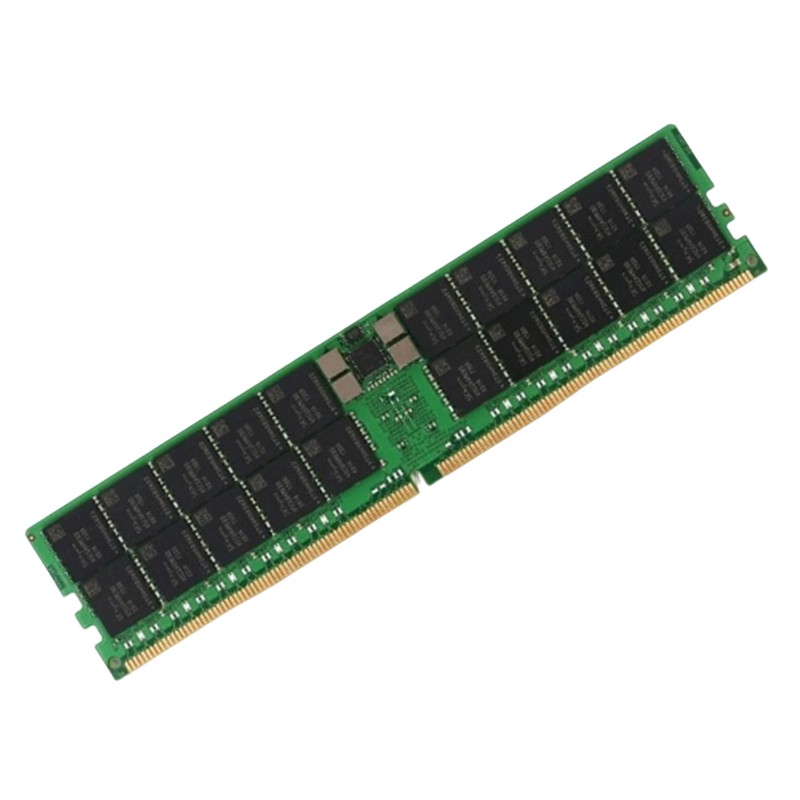


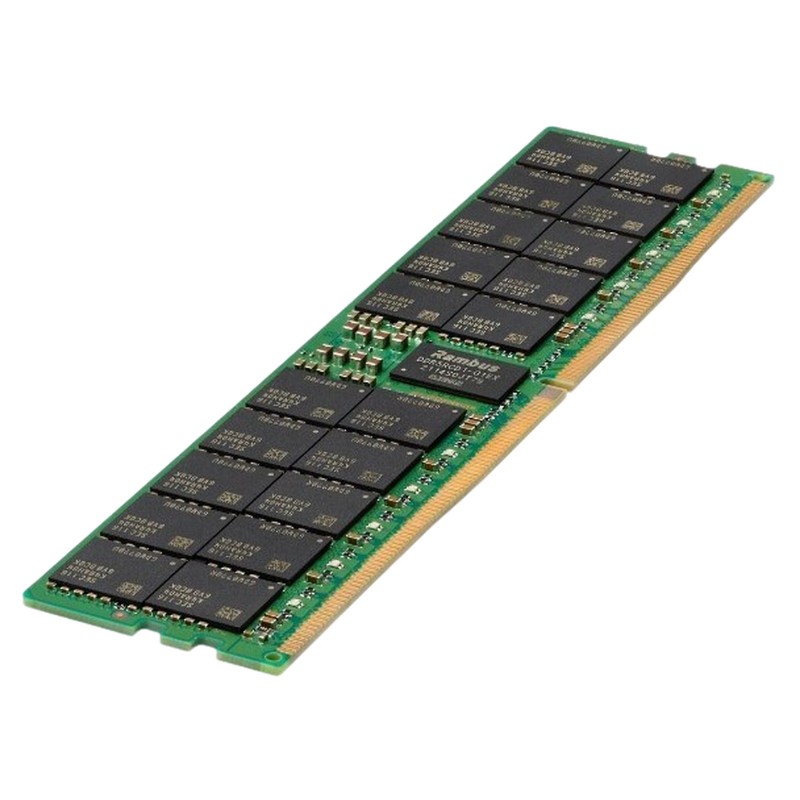
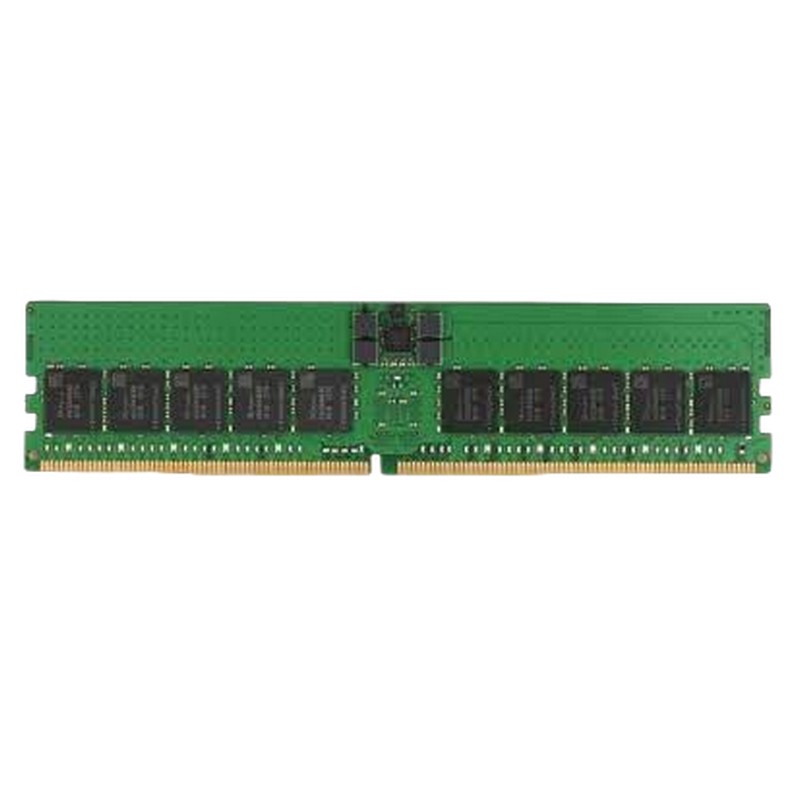
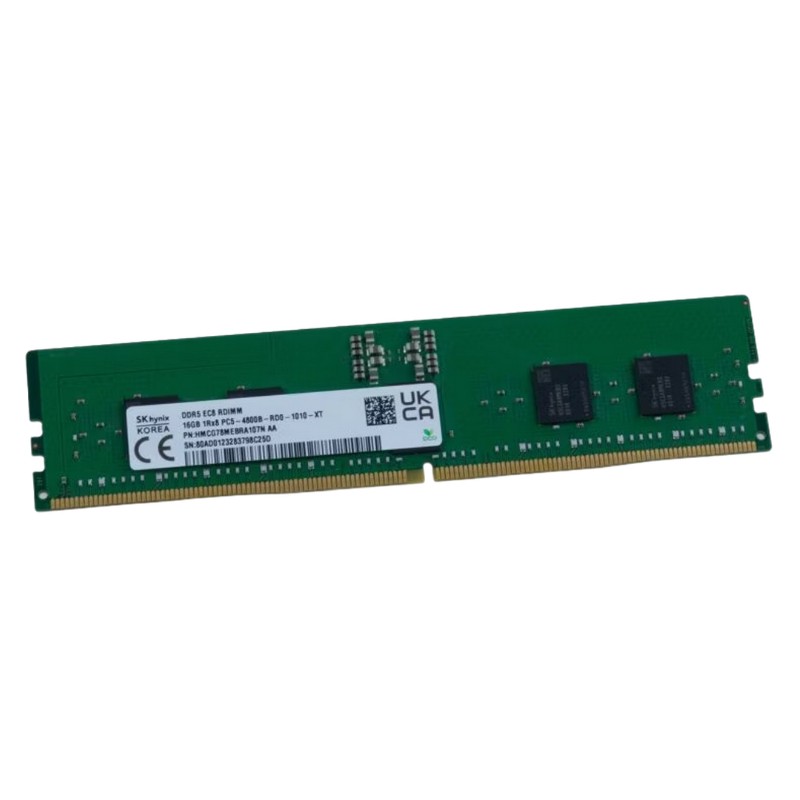
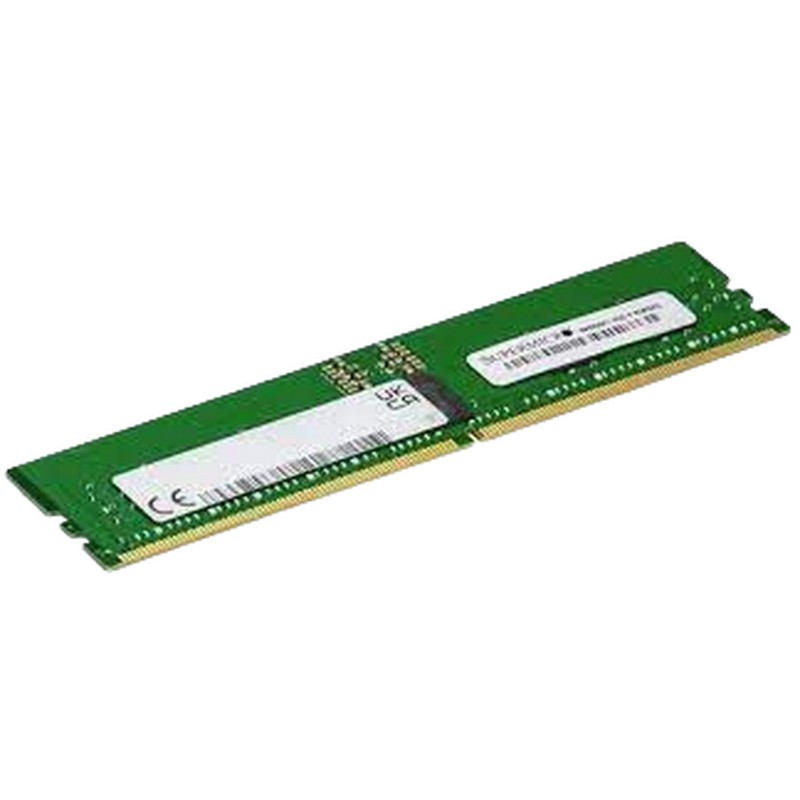
Hynix HMCG78MEBRA111N 16GB (1x16gb) DDR5 4800MHz PC5-38400 1RX8 ECC Registered 1.1v Cl40 Sdram 288-pin Rdimm Memory Module. New (System) Pull with 1 year replacement warranty
High-performance server memory: the HMCG78MEBRA111N from SK Hynix is a 16GB DDR5 SDRAM registered DIMM built for reliability and throughput. Optimized for enterprise servers and professional workstations, this ECC registered RDIMM delivers 4800MT/s (PC5-38400) bandwidth with low-voltage efficiency and stable error-correcting protection.
Ideal for:
In the realm of enterprise computing and data center operations, memory technology serves as the critical backbone supporting computational workloads, data processing, and system responsiveness. The transition from DDR4 to DDR5 memory architecture represents a significant leap forward in performance, efficiency, and reliability for server environments. This technological evolution addresses the growing demands of modern data-intensive applications, cloud computing infrastructure, and virtualization platforms that require unprecedented memory bandwidth and capacity.
DDR5 memory technology introduces fundamental architectural improvements over its predecessor, delivering substantial performance enhancements while operating at lower voltages. These advancements are particularly crucial in server environments where power efficiency directly correlates with operational costs and thermal management. The implementation of DDR5 in registered DIMM configurations provides the stability and signal integrity necessary for multi-processor systems and high-density memory configurations commonly found in enterprise servers and data center infrastructure.
DDR5 architecture incorporates several groundbreaking features including on-die ECC for improved reliability, decision feedback equalization (DFE) for enhanced signal integrity, and a dual sub-channel design that increases concurrent access capabilities. The power management integrated circuit (PMIC) distributed power delivery system represents another critical innovation, enabling more precise voltage regulation and reducing noise compared to motherboard-based power delivery systems used in previous memory generations.
The Hynix HMCG78MEBRA111N module features a 16GB capacity organized in a single rank (1Rx8) configuration using state-of-the-art DDR5 SDRAM components. This specific density and organization strikes an optimal balance between performance, power consumption, and compatibility with a wide range of server platforms. The 1Rx8 configuration indicates the module utilizes eight memory devices on one side of the PCB with a x8 data interface, providing efficient memory access patterns and simplified signal routing for improved stability in high-frequency operation.
Memory rank configuration directly impacts system performance by determining how memory controllers access DRAM components. The single-rank design of the HMCG78MEBRA111N allows memory controllers to access all memory chips simultaneously, reducing latency compared to multi-rank configurations where the controller must switch between ranks. This configuration is particularly beneficial in memory-intensive applications where low latency is critical, while still providing substantial capacity for enterprise workloads.
Operating at a base frequency of 4800MHz with a corresponding data rate of PC5-38400, the Hynix HMCG78MEBRA111N delivers a significant bandwidth improvement over previous-generation DDR4 modules. This increased bandwidth directly translates to enhanced application performance, particularly in memory-bound workloads common in database operations, virtualization, and high-performance computing applications. The module's CAS latency of CL40 represents an optimized balance between frequency and responsiveness for server environments where both throughput and consistency are paramount.
The theoretical peak bandwidth of the HMCG78MEBRA111N can be calculated using the formula: (Data Rate × Bus Width) / 8. With a data rate of 4800 MT/s and a 64-bit bus width, the module delivers approximately 38.4 GB/s of bandwidth. In practical server configurations utilizing multiple channels (typically 8 or 12 channels in modern server platforms), this translates to aggregate memory bandwidth exceeding 300 GB/s, effectively eliminating memory bottlenecks in data-intensive enterprise applications.
The Hynix HMCG78MEBRA111N incorporates ECC (Error Correcting Code) technology with registered buffering, providing essential data integrity protection for mission-critical server environments. ECC functionality detects and corrects single-bit memory errors in real-time while identifying multi-bit errors, significantly reducing the probability of silent data corruption and system crashes. The registered design incorporates address and command buffers that reduce electrical load on the memory controller, enabling support for higher memory densities and improved signal integrity in multi-DIMM configurations.
DDR5 introduces on-die ECC as a complementary technology to traditional module-level ECC. While module-level ECC protects data during transmission between the memory controller and DRAM devices, on-die ECC addresses errors that occur within the DRAM cells themselves. This dual-layer error correction approach provides unprecedented protection against various error sources including alpha particle-induced soft errors, manufacturing defects, and operational wear, making DDR5 RDIMMs exceptionally reliable for 24/7 server operation.
The Hynix HMCG78MEBRA111N incorporates an advanced Power Management Integrated Circuit (PMIC) that represents a fundamental shift in DDR5 power delivery architecture. Unlike previous memory generations that relied on motherboard-based voltage regulation, DDR5 modules feature onboard PMICs that provide more precise voltage control to the DRAM components. This distributed power management approach reduces voltage noise, improves power efficiency, and enables more granular power states that contribute to overall system energy optimization in data center environments.
Operating at a nominal voltage of 1.1V, the HMCG78MEBRA111N achieves significant power reduction compared to DDR4 modules while delivering higher performance. The PMIC enables dynamic voltage scaling based on workload demands, further optimizing power consumption during periods of reduced activity. This efficiency is particularly valuable in large-scale deployments where aggregate power savings translate to substantial operational cost reductions and improved power usage effectiveness (PUE) metrics for data center operators.
DDR5 technology incorporates several signal integrity improvements that enable stable operation at higher data rates. The Hynix HMCG78MEBRA111N utilizes decision feedback equalization (DFE) to compensate for channel losses and reduce inter-symbol interference. This advanced signal processing technique, combined with improved PCB design and optimized I/O circuitry, ensures robust data transmission at 4800MT/s while maintaining compatibility with server platform signal integrity specifications.
The registered DIMM design of the HMCG78MEBRA111N incorporates a register clock driver (RCD) that buffers command and address signals between the memory controller and DRAM devices. This buffering reduces the electrical load on the memory controller, enabling support for higher module densities and greater numbers of DIMMs per channel while maintaining signal integrity. The RCD also provides additional timing adjustment capabilities that compensate for signal propagation delays across the module, contributing to overall system stability.
The Hynix HMCG78MEBRA111N operates with JEDEC-standard timing parameters including CAS Latency (CL) of 40, Row Address to Column Address Delay (tRCD) of 42, and Row Precharge Time (tRP) of 42 at 4800MT/s. These timings represent an optimized balance between frequency and responsiveness for server workloads. While some server platforms offer memory timing adjustment capabilities, enterprise deployments typically benefit from JEDEC-standard settings that prioritize stability and compatibility over marginal performance gains from aggressive timing reductions.
In practical server applications, the performance advantage of DDR5-4800 over previous-generation memory technologies manifests most noticeably in memory-bandwidth-constrained workloads. Database applications, in-memory analytics, virtualization platforms, and scientific computing applications typically demonstrate performance improvements of 30-50% when transitioning from comparable DDR4 configurations. Latency-sensitive applications benefit from the architectural improvements in DDR5, though the absolute latency in nanoseconds remains similar to high-performance DDR4 implementations due to the higher CL values required at increased frequencies.
The Hynix HMCG78MEBRA111N incorporates advanced thermal monitoring and management features essential for maintaining reliability in densely populated server configurations. The module includes temperature sensors that enable the memory controller to implement throttling mechanisms when operating temperatures approach specified limits. This proactive thermal management prevents overheating-related errors and extends module lifespan, particularly important in servers operating in challenging environmental conditions or under sustained heavy workloads.
While the HMCG78MEBRA111N operates at lower voltage than previous-generation memory, the increased data rates and higher module densities necessitate adequate airflow in server configurations. Most server chassis provide directed airflow across memory modules through strategically placed fans or ducting systems. System administrators should ensure that these cooling systems are functioning properly and that air intake filters are regularly maintained to prevent dust accumulation that could impede heat dissipation from memory modules.
The Hynix HMCG78MEBRA111N is ideally suited for general-purpose enterprise servers supporting business applications, database management systems, and virtualization platforms. In these environments, the module's combination of capacity, bandwidth, and reliability characteristics provides a balanced solution that meets the demands of mixed-workload scenarios. The ECC functionality is particularly valuable in database applications where data integrity is paramount, while the registered design ensures stability in fully populated memory configurations.
In virtualized environments, memory resources are shared among multiple virtual machines, creating demanding requirements for both capacity and bandwidth. The HMCG78MEBRA111N's 16GB capacity provides flexible allocation options for virtual machines of various sizes, while the DDR5 bandwidth ensures responsive performance even when multiple VMs are actively accessing memory simultaneously. The module's reliability features are especially important in consolidation scenarios where hardware failures could impact numerous business-critical services.
For technical computing, scientific research, and big data analytics applications, the Hynix HMCG78MEBRA111N delivers the performance necessary to process large datasets efficiently. The module's bandwidth advantage over DDR4 technology accelerates data movement between memory and processors, reducing computation time for memory-bound algorithms. In clustered computing environments, consistent memory performance across nodes ensures balanced system operation and prevents individual nodes from becoming performance bottlenecks in distributed computations.
In-memory database systems such as SAP HANA, Oracle TimesTen, and various NoSQL platforms benefit significantly from the HMCG78MEBRA111N's characteristics. These applications maintain entire datasets in system memory to eliminate storage I/O bottlenecks, making memory bandwidth and capacity critical performance factors. The module's ECC protection ensures data integrity for business-critical information, while the registered design maintains signal integrity in high-density configurations necessary for large in-memory datasets.


 Contact Us
 Information
 Catalog
 Solid State Drives (SSD)
 Network Switches
 Hard Disk Drives
 HBA & Controllers
 PC & Servers
 PC & Server Memory
 CPU & Processors
 Network Routers
 Power Supplies
 Tape Drives & Libraries
 Network Devices
 Computer & Network Cables