(7% discount is applied at checkout)
Cart is empty
Your go-to destination for cutting-edge server products
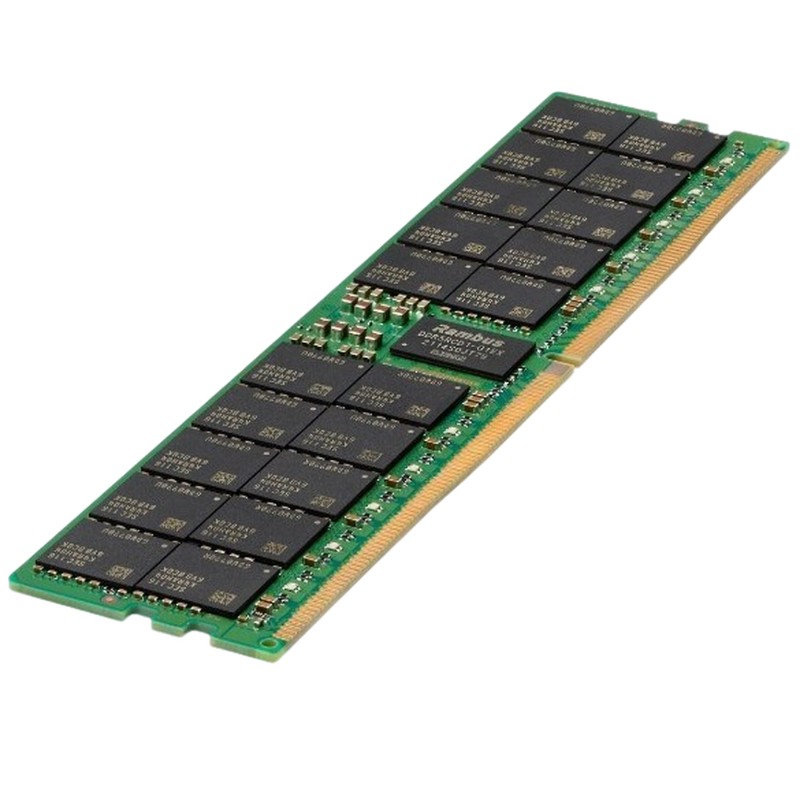


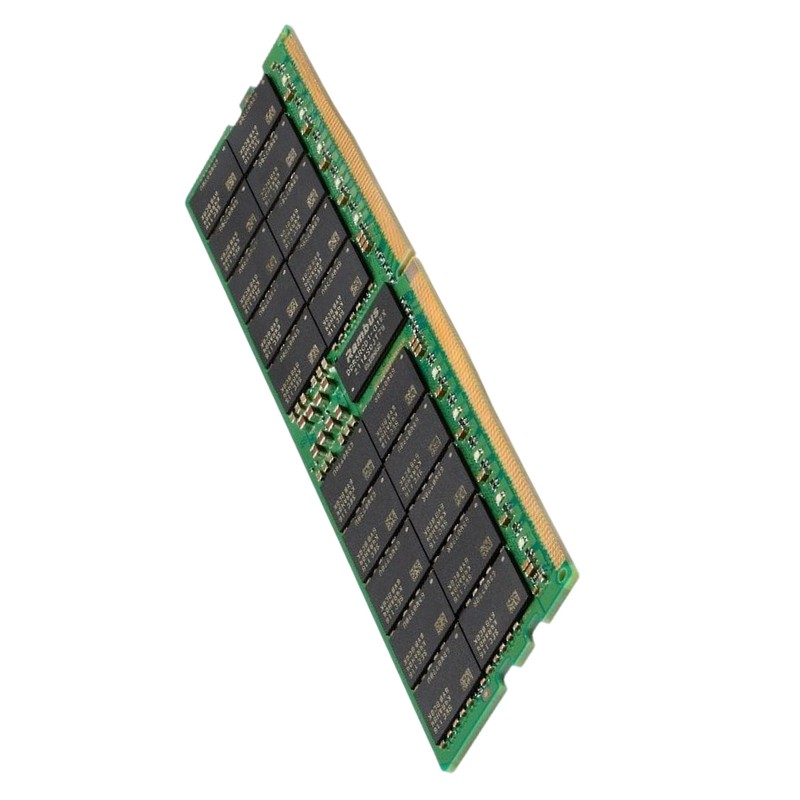
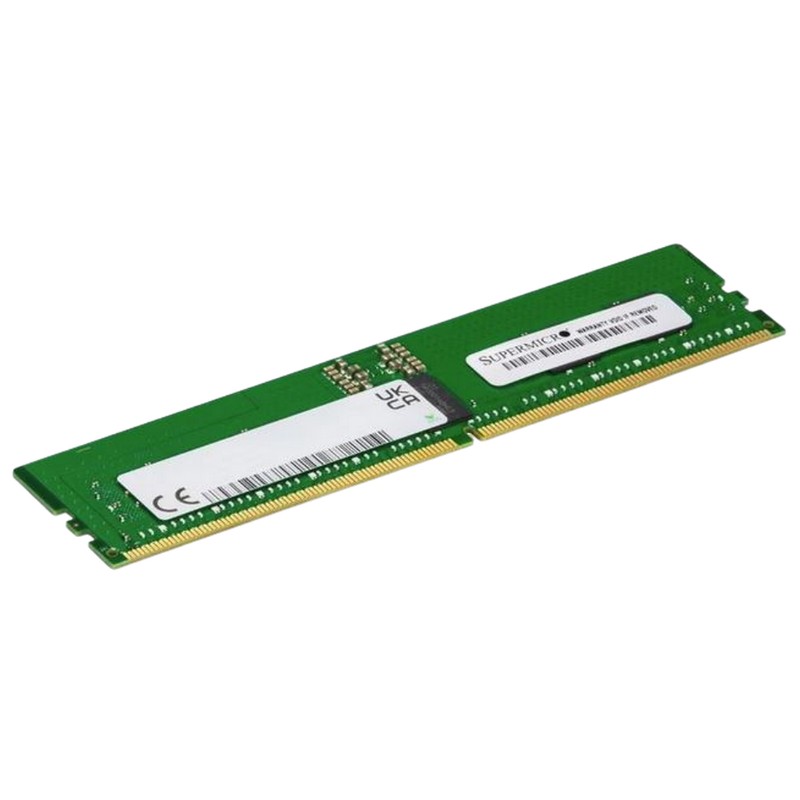
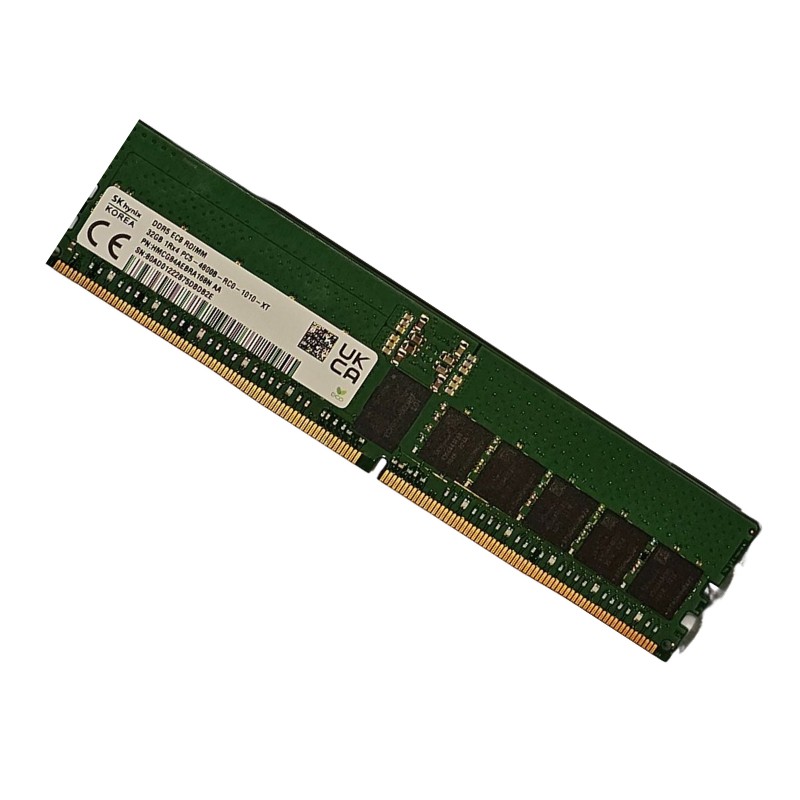
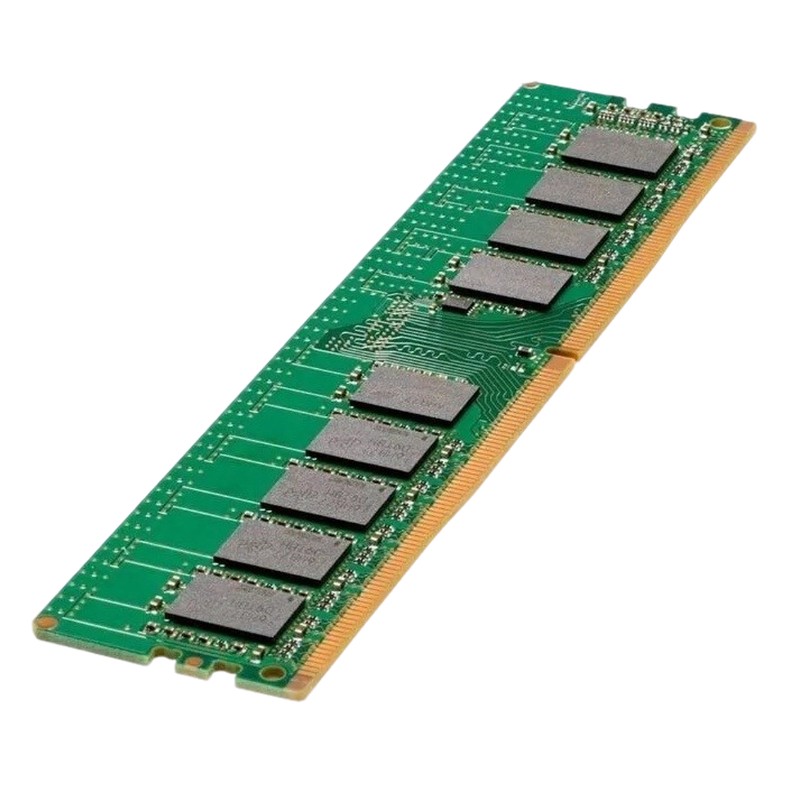
Hynix HMCG84AEBRA107N 32GB (1x32gb) 4800mt/s PC5-38400 Cl40 ECC Registered 1rx8 1.1v DDR5 Sdram 288-pin Rdimm Memory Module. New (System) Pull with 1 Year Replacement Warranty - Call
Built for next-generation server platforms, the HMCG84AEBRA107N module delivers exceptional bandwidth, advanced error correction, and seamless compatibility with enterprise-grade systems.
Optimized for performance and reliability, this single-module solution is ideal for high-throughput computing environments:
Designed to maintain system stability and protect against memory errors, this module includes:
This memory module is validated for use across a wide range of Dell PowerEdge servers, ensuring dependable performance across diverse workloads:
The Hynix HMCG84AEBRA107N represents a significant advancement in server memory technology, combining high-density storage with exceptional performance characteristics. This 32GB DDR5 RDIMM module operates at 4800MT/s (MegaTransfers per second), classified under the PC5-38400 specification. With a CAS Latency of CL40 and operating voltage of just 1.1V, this memory module delivers improved performance per watt compared to previous DDR4 generations. The 1Rx8 (Single Rank, 8 banks) configuration optimizes signal integrity and access patterns, while ECC (Error Correcting Code) and Registered features ensure maximum reliability for mission-critical applications.
The 1Rx8 architecture indicates this is a single-rank module with eight internal banks. This configuration provides balanced performance characteristics where the memory controller can access different banks simultaneously, reducing latency and improving overall throughput. The 288-pin design follows the DDR5 RDIMM standard, ensuring physical compatibility with next-generation server platforms while maintaining proper thermal and electrical characteristics necessary for stable operation in demanding environments.
DDR5 technology represents a fundamental shift in memory architecture, offering substantial improvements over DDR4. The Hynix HMCG84AEBRA107N operates at 4800MT/s, providing approximately 50% higher bandwidth compared to standard DDR4-3200 modules. This increased data rate enables faster processing of large datasets, improved application responsiveness, and better support for memory-intensive workloads. The implementation of Decision Feedback Equalization (DFE) in DDR5 allows for higher signaling rates without sacrificing signal integrity, enabling the 4800MT/s operation while maintaining stability.
Despite the performance increase, the Hynix DDR5 module operates at just 1.1V, representing a significant reduction from DDR4's 1.2V operation. This 8.3% voltage reduction translates to substantial power savings in large-scale deployments where dozens or hundreds of modules may be operating simultaneously. The power management integrated circuit (PMIC) onboard each DDR5 module represents another key innovation, distributing power management from the motherboard to the memory module itself. This architecture enables more precise voltage regulation, improved power delivery, and better support for power-saving states.
The ECC functionality in the Hynix HMCG84AEBRA107N provides single-error correction and double-error detection capabilities, ensuring data integrity in mission-critical applications. When a single-bit error occurs, the ECC circuitry automatically detects and corrects the error without interrupting system operation. For double-bit errors, the system can detect the issue and take appropriate action, preventing corrupted data from propagating through the system. This capability is essential for financial applications, scientific computing, database servers, and any environment where data accuracy is paramount.
DDR5 introduces on-die ECC, an additional layer of error correction that operates within the memory die itself. This feature works in conjunction with the traditional ECC functionality to provide comprehensive protection against various types of memory errors. On-die ECC addresses issues that may occur during memory cell refresh operations and helps maintain data integrity at the most fundamental level. The combination of traditional ECC and on-die ECC creates a robust error correction system that significantly reduces the risk of data corruption.
The Registered (or Buffered) design of the Hynix module incorporates a register between the memory controller and the DRAM chips. This register buffers the command and address signals, reducing the electrical load on the memory controller and enabling support for higher module densities and more DIMMs per channel. While adding a small amount of latency (typically one clock cycle), the registered architecture significantly improves signal integrity and system stability, particularly in multi-socket servers with large memory configurations.
Unlike unbuffered DIMMs (UDIMMs) that connect directly to the memory controller, RDIMMs provide better electrical characteristics for large memory configurations. Load Reduced DIMMs (LRDIMMs) take this further by buffering data signals as well, supporting even higher densities but at increased cost and latency. The Hynix HMCG84AEBRA107N RDIMM strikes an optimal balance between performance, capacity, and cost for most enterprise applications, making it suitable for a wide range of server platforms.
Operating at 4800MT/s with a CAS latency of CL40, the Hynix DDR5 module delivers a theoretical peak bandwidth of 38.4 GB/s in a single module. The true latency, calculated as CL divided by the data rate, results in approximately 16.67 nanoseconds for initial access. However, DDR5's improved bank grouping and burst architecture help minimize the impact of this latency through efficient command scheduling and parallel operations. The 32GB capacity provides substantial working space for applications while maintaining compatibility with platforms that may have limitations with higher-density modules.
The PC5-38400 designation refers to the module's peak transfer rate of 38400 MB/s (38.4 GB/s). This is calculated based on the 4800MT/s data rate multiplied by 8 bytes (64-bit data bus) per transfer. In practical applications, actual bandwidth may vary based on memory controller efficiency, system architecture, and workload characteristics. However, the theoretical performance represents a significant improvement over previous generations, enabling faster data processing and reduced computation times for memory-bound applications.
The Hynix HMCG84AEBRA107N is ideally suited for data center environments where reliability, performance, and power efficiency are critical. Virtualization platforms benefit from the high density and ECC protection when running multiple virtual machines. Database servers require the consistent performance and data integrity provided by ECC RDIMMs for transaction processing and analytics. Cloud computing infrastructure leverages these modules to deliver reliable service to multiple tenants while maintaining isolation and data protection.
In technical computing environments, the combination of high bandwidth and large capacity enables faster processing of scientific simulations, engineering analysis, and AI training workloads. While GPUs typically handle the core computation in AI applications, the system memory plays a crucial role in data staging, model loading, and supporting operations that occur outside the GPU. The 32GB capacity provides ample space for large datasets, and the 4800MT/s speed ensures quick transfer to computational units.
DDR5 introduces a fundamental change in memory organization with its dual sub-channel architecture. Unlike DDR4's single 64-bit data channel, DDR5 divides each DIMM into two independent 32-bit sub-channels. This allows the memory controller to issue two simultaneous 32-bit access commands to different banks, effectively increasing bank parallelism and improving overall efficiency. The Hynix HMCG84AEBRA107N leverages this architecture to deliver better performance for workloads that exhibit random access patterns.
DDR5 features a burst length of 16, doubled from DDR4's burst length of 8. This means each read or write command transfers 64 bytes of data (16 bursts × 4 bits per burst on each data line), which corresponds exactly to the typical cache line size in modern processors. This alignment reduces inefficiencies that occurred in previous generations when multiple commands were needed to fill a complete cache line. The improved prefetch architecture works in concert with this longer burst length to optimize data flow between the memory array and the I/O buffers.


 Contact Us
 Information
 Catalog
 Solid State Drives (SSD)
 Network Switches
 Hard Disk Drives
 HBA & Controllers
 PC & Servers
 PC & Server Memory
 CPU & Processors
 Network Routers
 Power Supplies
 Tape Drives & Libraries
 Network Devices
 Computer & Network Cables