(7% discount is applied at checkout)
Cart is empty
Your go-to destination for cutting-edge server products
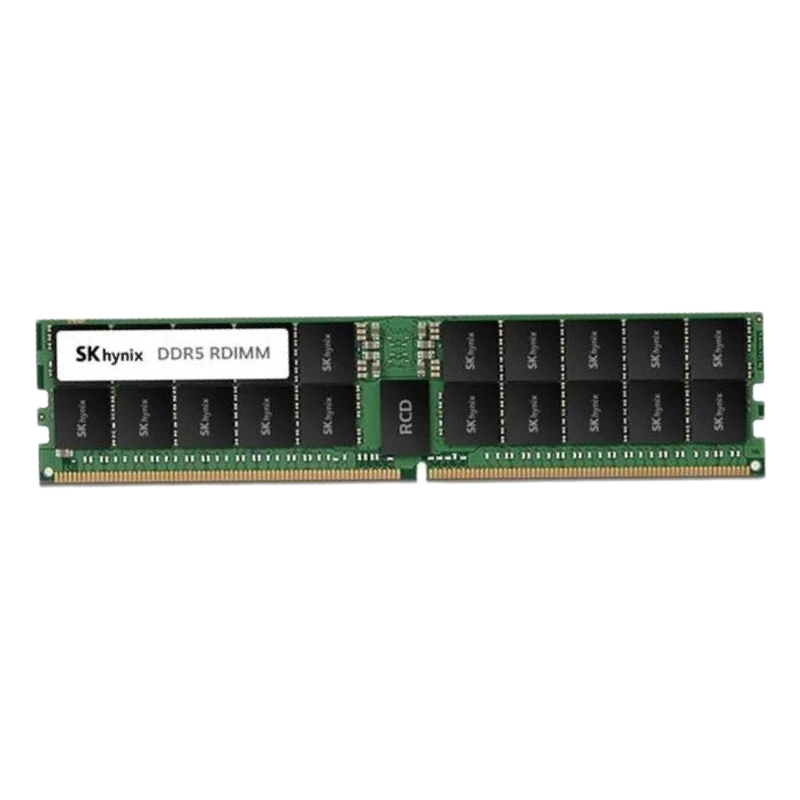


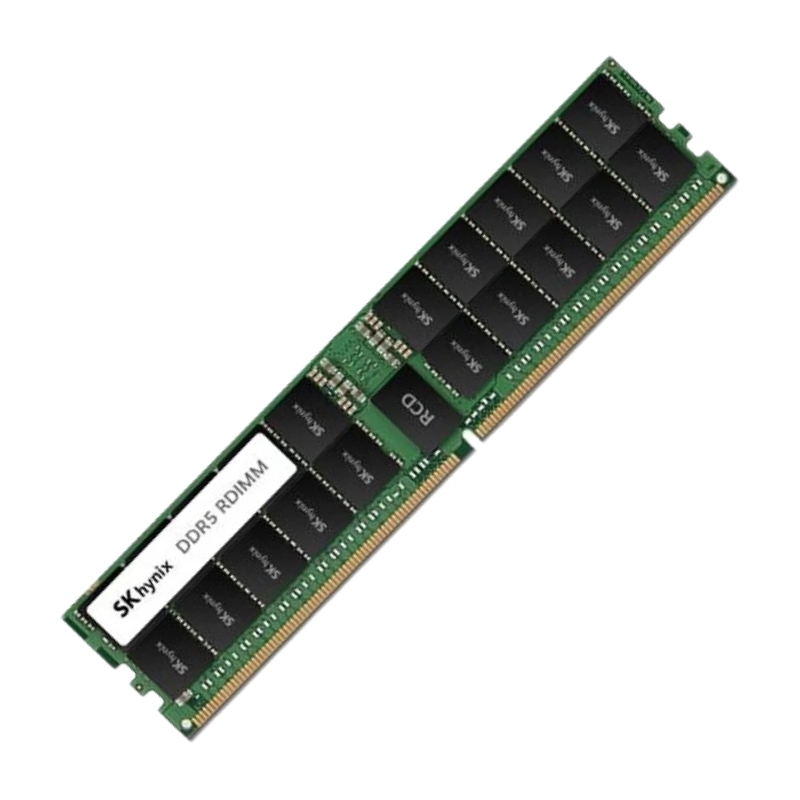
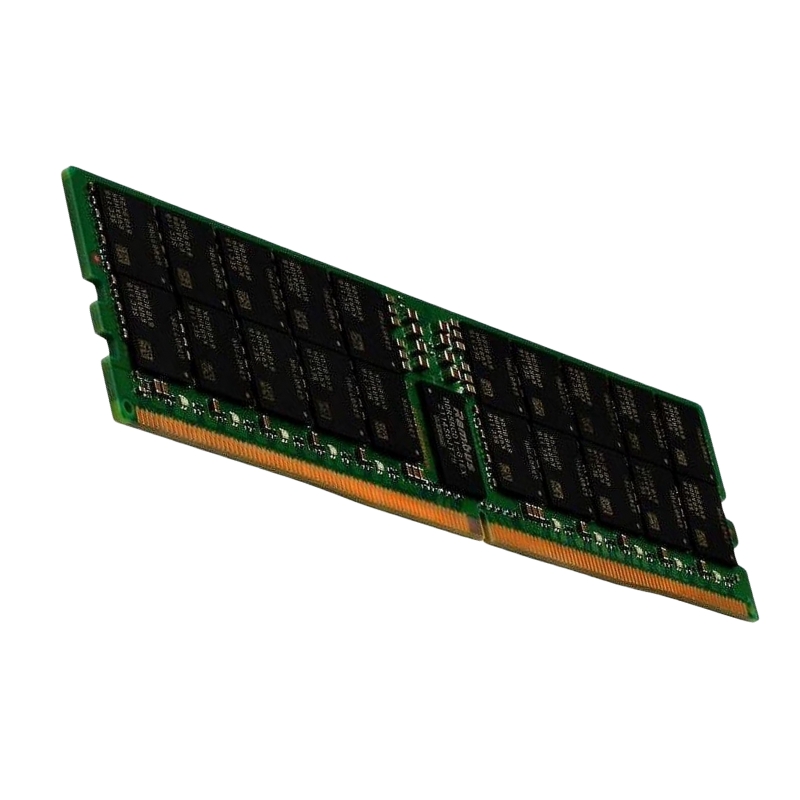
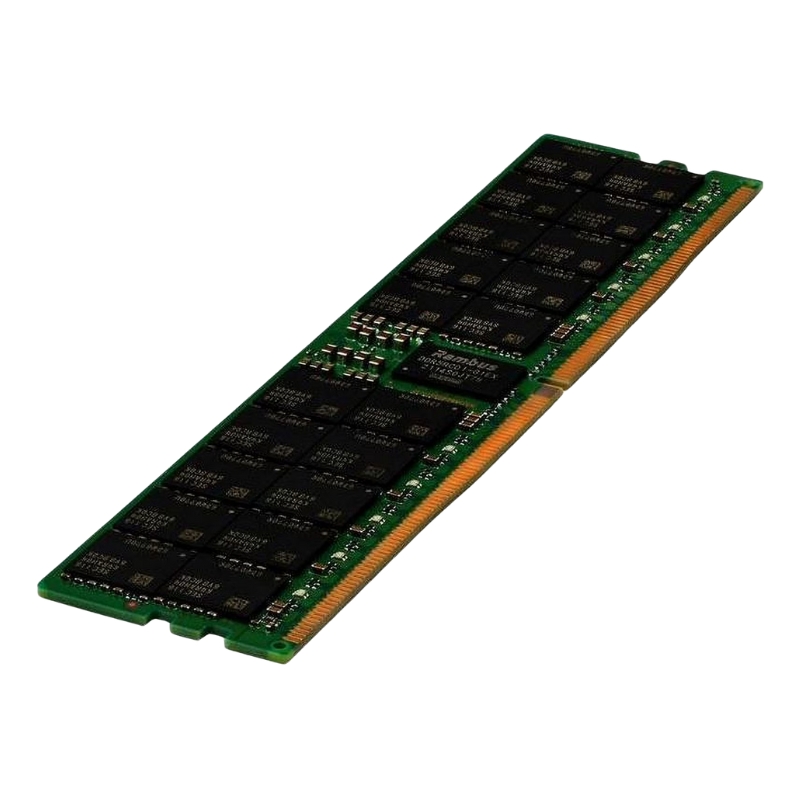
Hynix HMCG84AEBRA168N 32GB 4800MHz Pc5-38400 CL40 EC8 ECC Registered 1rx4 1.1v DDR5 SDRAM 288-pin RDIMM Memory Module For Server. New (System) Pull with 1 Year Replacement Warranty - Call
The Hynix HMCG84AEBRA168N 32GB PC5-38400 DDR5-4800MHz 1Rx4 ECC Memory module delivers high-speed performance, reliability, and advanced error correction for enterprise and workstation environments.
The Hynix HMCG84AEBRA168N 32GB DDR5 RDIMM memory module represents a modern category of enterprise server memory designed to meet the growing demands of data-intensive workloads, virtualized infrastructures, and next-generation computing platforms. This category focuses on high-capacity, high-bandwidth DDR5 registered DIMMs engineered specifically for server and workstation environments where stability, scalability, and long-term reliability are mandatory. Unlike consumer-grade memory, DDR5 RDIMM modules incorporate advanced signal buffering and error management features that enable consistent performance under sustained workloads.
DDR5 SDRAM introduces architectural enhancements that significantly differentiate this memory category from previous DDR4 generations. Increased bank groups, improved burst lengths, and higher base frequencies allow DDR5 RDIMM modules to support parallel processing and data throughput required by modern multi-core CPUs. In server ecosystems, these improvements translate into measurable gains in application responsiveness, database query speed, and virtualization density.
The registered DIMM structure defines a core attribute of this memory category. RDIMM modules integrate a register between the memory controller and DRAM chips, reducing the electrical load on the memory bus. This design enables servers to populate more memory modules per channel without compromising signal stability. For enterprise platforms supporting large memory footprints, registered memory becomes essential to maintain consistent performance and system reliability.
Within server-grade DDR5 RDIMM memory categories, signal integrity plays a critical role in ensuring data accuracy across high-speed buses operating at 4800MHz and beyond. The inclusion of a register not only stabilizes command and address signals but also supports advanced memory training processes implemented by modern server processors. These features collectively reduce latency variability and support predictable performance under sustained operational loads.
The 1Rx4 memory organization is a defining element of this DDR5 RDIMM category. A single-rank configuration with x4 DRAM devices enables higher fault tolerance and improved error correction granularity compared to x8 layouts. In enterprise servers, this configuration aligns with processor memory controllers optimized for reliability and data integrity, especially in environments running mission-critical applications.
Using x4 DRAM devices enhances the effectiveness of ECC algorithms by allowing finer detection and correction of memory errors. This characteristic is particularly valuable in workloads involving continuous data processing, financial transactions, and large-scale virtualization where memory errors could otherwise propagate and impact system stability.
ECC Registered DDR5 memory modules belong to a category specifically engineered to protect data integrity at scale. Error correction coding operates transparently, detecting and correcting single-bit errors while identifying multi-bit faults that could compromise system reliability. This protection layer is essential in servers that operate continuously and process vast volumes of data.
In DDR5 RDIMM categories, ECC functionality is integrated at both the module and system levels. The combination of ECC with registered signaling ensures that memory operations remain accurate even under high thermal and electrical stress. For enterprises, this translates into reduced downtime, improved system uptime, and greater confidence in long-running workloads.
The DDR5-4800 speed grade defines a performance-focused segment within the server memory category. Operating at a base data rate of 4800MT/s, these modules deliver significantly higher bandwidth compared to earlier DDR generations. Increased throughput supports modern processors with higher core counts and simultaneous multi-threading capabilities.
Server memory categories centered on DDR5-4800 are optimized for balanced performance, ensuring that memory subsystems do not become bottlenecks in compute-intensive environments. This balance is particularly important in cloud computing platforms, virtualization clusters, and enterprise databases where memory access patterns are diverse and demanding.
CAS latency values such as CL40 must be evaluated within the context of DDR5 architecture. While numerical latency values may appear higher compared to previous generations, the increased clock speed and architectural efficiencies result in improved overall performance. This category of DDR5 RDIMM memory achieves effective latency that aligns with the needs of high-performance server workloads.
In practical scenarios, CL40 DDR5-4800 RDIMM modules enable faster data access for applications such as in-memory analytics, real-time processing, and virtualization management. The improved prefetch mechanisms and parallelism inherent in DDR5 designs mitigate raw latency values and enhance effective throughput.
One of the defining advantages of DDR5 RDIMM memory categories is their ability to scale bandwidth across multi-socket server platforms. Each CPU socket benefits from higher per-channel bandwidth, enabling more efficient utilization of processor resources. This scalability is crucial in enterprise servers designed for consolidation and high availability.
As server architectures evolve toward higher core counts, memory subsystems must keep pace to avoid performance bottlenecks. DDR5-4800 RDIMM modules provide the necessary bandwidth headroom to support parallel workloads, ensuring consistent performance even as system utilization increases.
DDR5 server memory categories emphasize improved power efficiency as a core design objective. Operating at 1.1 volts, DDR5 RDIMM modules reduce overall power consumption compared to earlier DDR generations. Lower operating voltage contributes to reduced heat output, enabling denser memory configurations without exceeding thermal limits.
Power efficiency directly impacts data center operating costs and sustainability goals. By adopting DDR5 RDIMM memory modules, enterprises can achieve higher performance per watt, aligning with modern efficiency standards and reducing long-term energy expenditures.
DDR5 memory introduces on-module power management, shifting certain regulation functions from the motherboard to the DIMM itself. This innovation enhances voltage stability and improves power delivery efficiency across the memory subsystem. For server memory categories, this design change results in more consistent performance under varying load conditions.
On-module power management also simplifies motherboard design and enables finer control over memory power states. In enterprise environments, these features support advanced power optimization strategies without compromising performance or reliability.
High-capacity DDR5 RDIMM memory modules are engineered to maintain thermal stability even in densely populated server configurations. Efficient heat dissipation and optimized electrical design reduce the risk of thermal throttling. This characteristic is particularly important in rack-mounted servers operating in data centers with controlled but demanding thermal environments.
Thermal consistency ensures predictable performance over extended operational periods. For organizations running continuous workloads, stable memory temperatures contribute to overall system longevity and reduced maintenance requirements.
This category of DDR5 RDIMM memory is designed to integrate seamlessly with contemporary server platforms supporting DDR5 technology. Compatibility extends across leading processor families that leverage DDR5 memory controllers optimized for registered ECC modules. Proper compatibility ensures that servers can fully utilize the performance and reliability benefits offered by DDR5 RDIMM memory.
Enterprise memory categories emphasize validated compatibility with server chipsets, BIOS firmware, and operating systems. This validation process minimizes deployment risks and ensures consistent behavior across large-scale installations.
Virtualized environments place unique demands on memory subsystems, requiring high capacity, consistent latency, and robust error handling. DDR5 RDIMM memory categories are particularly well-suited to virtualization platforms where multiple virtual machines share physical resources.
The increased bandwidth and capacity of 32GB DDR5 RDIMM modules support higher virtual machine density without sacrificing performance. This capability enables efficient resource utilization and simplifies infrastructure scaling for cloud service providers and enterprise IT departments.
Memory-intensive applications such as relational databases, in-memory analytics, and big data platforms benefit significantly from DDR5 RDIMM memory categories. Faster data access and higher bandwidth reduce query response times and improve transaction throughput. These improvements directly impact business operations that rely on timely data processing.
ECC protection ensures data accuracy in analytical workloads where even minor errors could lead to incorrect insights or compromised decision-making. As a result, DDR5 RDIMM memory modules are a preferred choice for enterprise analytics environments.
DDR5 RDIMM memory modules are commonly deployed in a wide range of data center scenarios, including private enterprise data centers, colocation facilities, and hyperscale cloud environments. Their scalability and reliability make them suitable for both small clusters and large-scale deployments.
In high-availability architectures, memory reliability is critical to maintaining service continuity. ECC registered DDR5 memory categories support redundancy and failover strategies by reducing the likelihood of memory-related disruptions.
The DDR5 RDIMM memory category is designed to accommodate future advancements in server technology. Increased capacity options, higher frequency support, and architectural flexibility ensure that DDR5 memory remains relevant as processor capabilities continue to evolve.
By adopting DDR5 RDIMM modules, organizations position their infrastructure for future growth without requiring immediate hardware replacement. This forward-looking approach supports strategic planning and protects investment in server platforms.
Emerging technologies such as artificial intelligence, machine learning, and real-time analytics place increasing demands on memory subsystems. DDR5 RDIMM memory categories provide the bandwidth and reliability necessary to support these advanced workloads.
As software frameworks evolve to leverage higher memory throughput, DDR5 RDIMM modules enable servers to meet performance requirements without extensive architectural changes.
Consolidating multiple workloads onto fewer physical servers requires memory solutions that can handle diverse and simultaneous demands. DDR5 RDIMM memory categories support consolidation strategies by offering high capacity, robust error correction, and predictable performance.
This consolidation reduces infrastructure complexity and operational costs while maintaining service quality across multiple applications.
Data integrity is a foundational requirement in enterprise environments, and DDR5 RDIMM memory categories are designed with security in mind. ECC functionality protects against accidental data corruption, while registered signaling enhances stability across the memory bus.
In secure computing environments, maintaining accurate data in memory is essential to compliance and risk management. DDR5 RDIMM modules contribute to overall system security by reducing the likelihood of undetected memory errors.
Servers often operate continuously for extended periods, making memory reliability a critical factor. DDR5 RDIMM memory categories are engineered to withstand sustained workloads without degradation. This reliability supports uninterrupted service delivery and minimizes maintenance interventions.
Continuous operation environments such as financial services, telecommunications, and healthcare rely on stable memory performance to maintain operational integrity.
Server memory categories undergo rigorous validation and certification processes to ensure compatibility with enterprise platforms. These processes involve collaboration between memory manufacturers, server vendors, and chipset developers.
Certified DDR5 RDIMM modules provide assurance that memory will function as intended within supported server configurations, reducing deployment risk and simplifying troubleshooting.


 Contact Us
 Information
 Catalog
 Solid State Drives (SSD)
 Network Switches
 Hard Disk Drives
 HBA & Controllers
 PC & Servers
 PC & Server Memory
 CPU & Processors
 Network Routers
 Power Supplies
 Tape Drives & Libraries
 Network Devices
 Computer & Network Cables