(7% discount is applied at checkout)
Cart is empty
Your go-to destination for cutting-edge server products
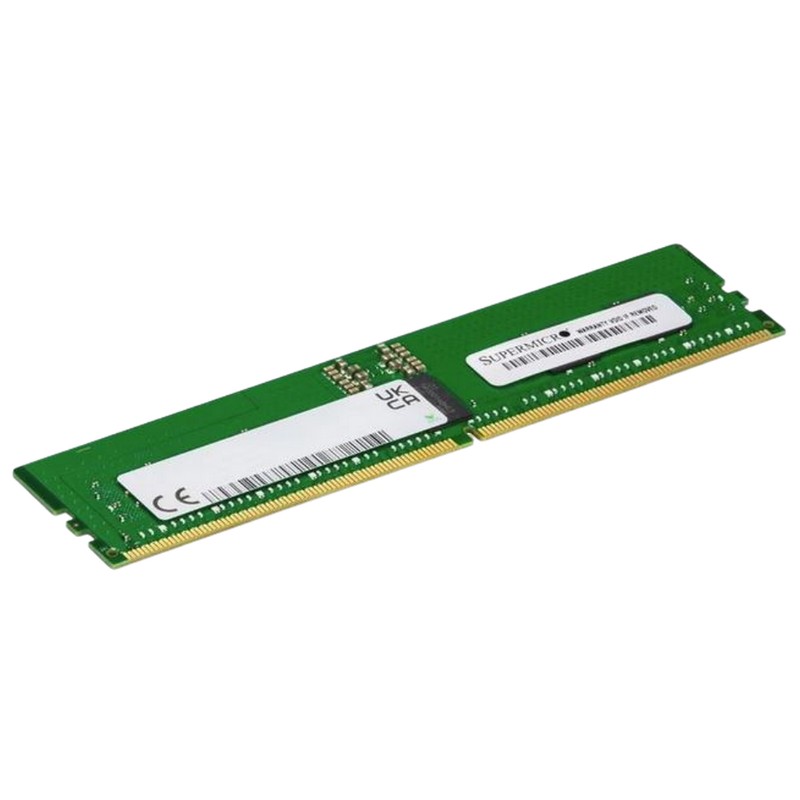


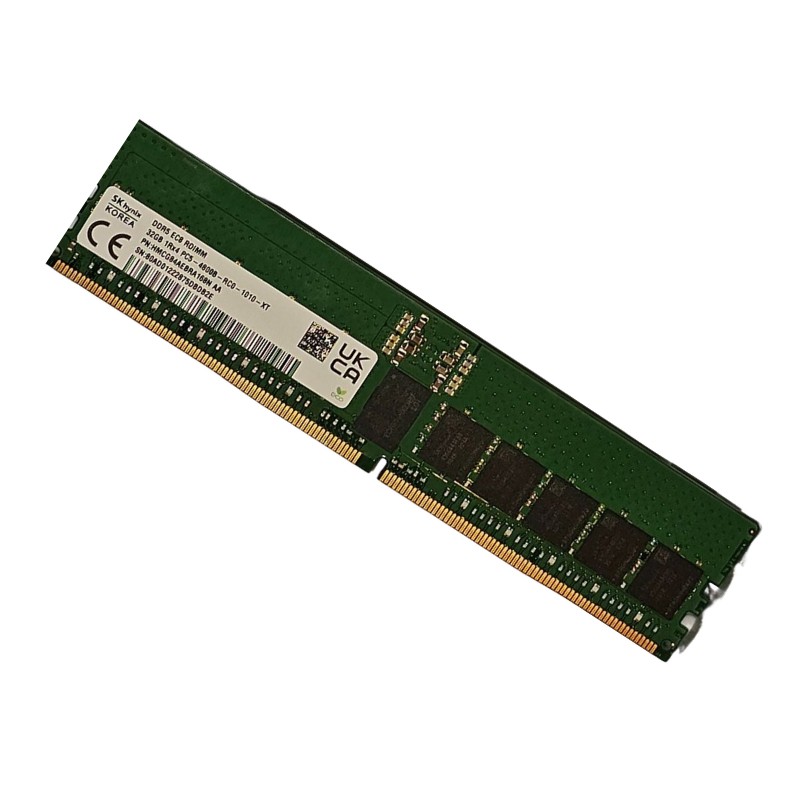
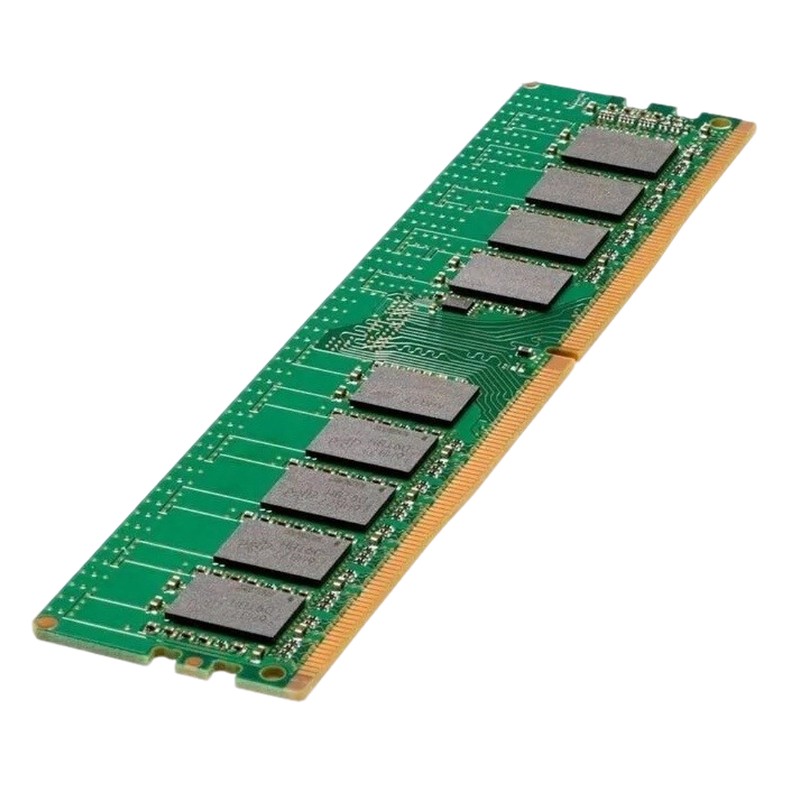
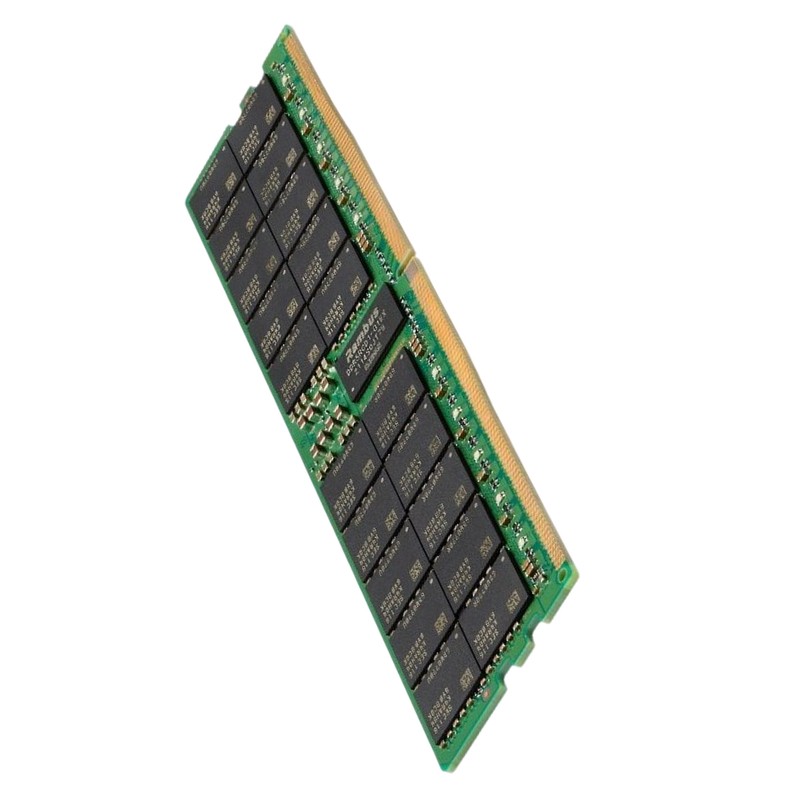
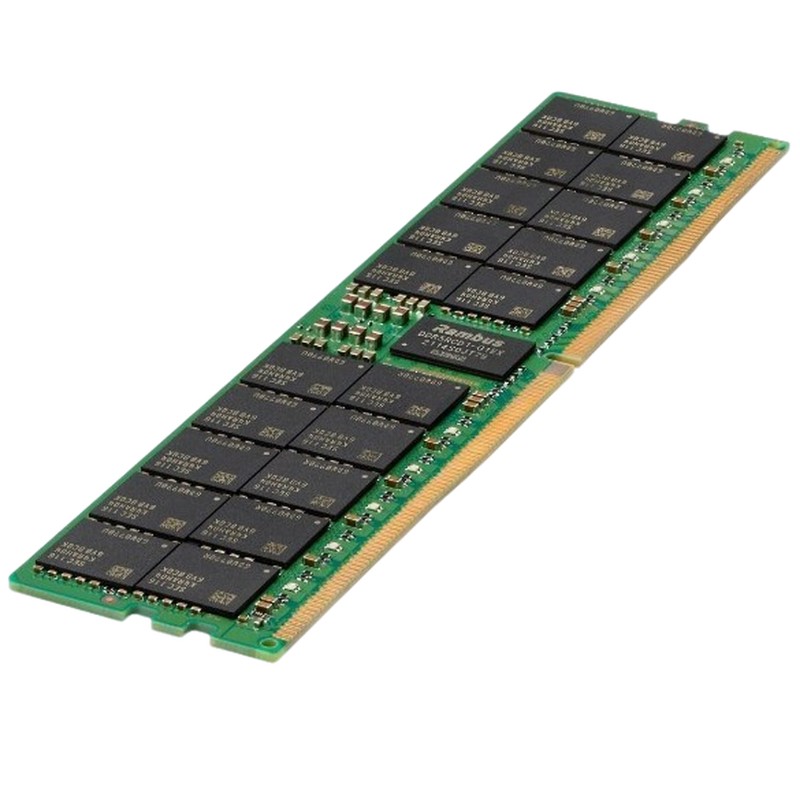
Hynix HMCG84AGBRA 32GB 5600MHz PC5-44800 Single Rank X4 ECC Registered 1.1v Cl46 DDR5 Sdram 288-pin Rdimm Memory Module. New Sealed in Box (NIB) with 3 Year Warranty
The Hynix HMCG84AGBRA is a high-performance 32GB DDR5 5600MHz ECC Registered memory module crafted to deliver exceptional speed, dependable stability, and efficient power usage for advanced server environments.
This premium module is optimized to boost server responsiveness and maintain smooth data flow under heavy workloads.
Engineered for superior accuracy and signal integrity, this module incorporates technologies designed to prevent disruptions and ensure dependable system performance.
This DDR5 ECC Registered module is tailored for enterprise environments that demand reliable, scalable memory resources.
The transition to DDR5 memory represents a significant leap forward in server and data center performance capabilities. DDR5 technology delivers substantial improvements over previous generations, offering higher bandwidth, increased density, and enhanced power efficiency. For enterprise environments where reliability and performance are paramount, DDR5 RDIMMs like the Hynix HMCG84AGBRA provide the foundation for next-generation computing infrastructure.
DDR5 architecture introduces several groundbreaking features that distinguish it from DDR4 technology. The implementation of two independent 40-bit data channels (32 data bits with 8 ECC bits each) per module effectively doubles the burst length and bank groups, enabling significantly improved concurrent operations. This architectural shift allows for more efficient data handling and reduced latency in memory-intensive applications.
One of the most significant DDR5 innovations is the inclusion of On-Die Error Correction Code. This feature operates independently from traditional module-level ECC, providing an additional layer of data integrity protection by correcting bit errors within the DRAM chips themselves before they can affect system performance or data reliability.
The Hynix HMCG84AGBRA is engineered to meet the rigorous demands of enterprise server environments. This 32GB module operates at 5600MHz (PC5-44800), providing exceptional data transfer rates while maintaining stability under continuous operation. The single rank x4 configuration with ECC Registered functionality ensures optimal performance in multi-module installations.
With a data rate of 5600 million transfers per second, this module delivers peak bandwidth that significantly outperforms previous generation memory. The PC5-44800 designation indicates the module's transfer rate of 44800 MB/s per module, making it ideal for memory-bandwidth-intensive applications including database management, virtualization, and high-performance computing workloads.
The CL46 timing specification represents a carefully balanced approach to performance and reliability. While latency numbers may appear higher than consumer-grade memory, the registered design and ECC functionality introduce additional clock cycles that are essential for maintaining data integrity in mission-critical environments. The actual access latency is optimized for server workloads where data accuracy is more critical than absolute lowest latency.
This 288-pin RDIMM utilizes a 1.1v operating voltage, representing a substantial power efficiency improvement over DDR4 memory standards. The reduced voltage requirement translates to lower power consumption and reduced heat generation, contributing to overall data center energy efficiency and thermal management.
ECC technology represents a critical feature for enterprise and server environments where data integrity is non-negotiable. The Hynix HMCG84AGBRA incorporates advanced ECC capabilities that can detect and correct single-bit errors automatically, while also detecting double-bit errors. This proactive error management prevents data corruption, system crashes, and silent data errors that can compromise business operations and data reliability.
The Registered (Buffered) DIMM design incorporates memory registers between the memory controller and DRAM modules. These registers buffer command, address, and control signals, reducing the electrical load on the memory controller and enabling support for higher memory capacities per channel. This architecture is essential for maintaining signal integrity in systems with large memory configurations typical of modern servers.
Registered memory provides several distinct advantages for server deployments. By reducing the electrical load on the memory controller, RDIMMs enable more stable operation with higher memory densities. This stability is crucial for servers running mission-critical applications that require large memory footprints and continuous availability. The buffering also allows for better timing margins, contributing to overall system reliability.
The single rank x4 DRAM organization of the Hynix HMCG84AGBRA offers optimal performance characteristics for most server workloads. This configuration provides an excellent balance between capacity, performance, and compatibility. The x4 organization (4-bit wide DRAM devices) works particularly well with DDR5's on-die ECC architecture and enables efficient error correction capabilities.
Hynix employs rigorous manufacturing processes and comprehensive testing protocols to ensure each HMCG84AGBRA module meets enterprise reliability standards. Every module undergoes extensive testing at multiple stages of production, including individual DRAM testing, module-level testing, and system compatibility validation to guarantee performance and reliability in target applications.
Proper thermal management is essential for maintaining optimal performance and longevity of DDR5 memory modules. The Hynix HMCG84AGBRA is designed to operate within specified thermal parameters in properly configured server environments. Enterprise servers typically incorporate active cooling solutions specifically designed to maintain appropriate operating temperatures for memory modules during continuous operation.
This memory module incorporates several features designed to enhance long-term reliability. These include advanced signal integrity enhancements, robust PCB design with optimal power delivery networks, and carefully selected components rated for continuous operation in server environments. The combination of these elements ensures consistent performance throughout the module's operational lifespan.
Enterprise memory modules like the Hynix HMCG84AGBRA are engineered for exceptional reliability with MTBF ratings significantly exceeding consumer-grade memory products. The robust design and quality components contribute to an extended service life suitable for deployment in mission-critical environments where system availability is paramount.
The 5600MHz operating frequency of the Hynix HMCG84AGBRA delivers substantial bandwidth improvements over previous generation memory. With a theoretical peak bandwidth of 44.8 GB/s per module, this DDR5 RDIMM can significantly accelerate memory-intensive workloads. The careful balance of frequency and timing parameters ensures optimal real-world performance across diverse server applications.
Compared to DDR4 memory technology, DDR5 offers approximately 1.5x to 1.8x the bandwidth at similar power envelopes. The architectural improvements in DDR5, including bank group enhancements and burst length improvements, contribute to more efficient memory access patterns that benefit server workloads with large working data sets.
In practical server deployments, the performance advantages of DDR5 memory translate to reduced processing times for database queries, improved virtual machine density, faster data analytics processing, and enhanced overall system responsiveness. The combination of high bandwidth and robust ECC protection makes this memory ideal for applications where both performance and data integrity are critical.
The 1.1v operating voltage represents a significant reduction from DDR4's 1.2v standard, contributing to improved power efficiency. This voltage reduction, combined with architectural power management enhancements, results in lower power consumption per gigabyte of memory bandwidth, an important consideration for large-scale data center deployments where energy efficiency directly impacts operational costs.
DDR5 introduces sophisticated power management capabilities that go beyond previous generations. The implementation of a separate power supply for I/O operations enables more precise voltage regulation and improved power efficiency. This architecture allows for better optimization of power delivery based on actual workload requirements, contributing to overall system energy efficiency.
DDR5 memory incorporates Decision Feedback Equalization technology to improve signal integrity at high data rates. This feature enables more reliable data transmission by compensating for signal degradation that occurs at higher frequencies. The implementation of DFE is particularly important for maintaining data integrity in server environments where signal paths may be longer and more complex.
Advanced write and read leveling features in DDR5 help maintain timing margins across all memory slots, even in fully populated systems. These capabilities are essential for ensuring reliable operation at high data rates and contribute to the overall stability of the memory subsystem in enterprise server configurations.


 Contact Us
 Information
 Catalog
 Solid State Drives (SSD)
 Network Switches
 Hard Disk Drives
 HBA & Controllers
 PC & Servers
 PC & Server Memory
 CPU & Processors
 Network Routers
 Power Supplies
 Tape Drives & Libraries
 Network Devices
 Computer & Network Cables