(7% discount is applied at checkout)
Cart is empty
Your go-to destination for cutting-edge server products
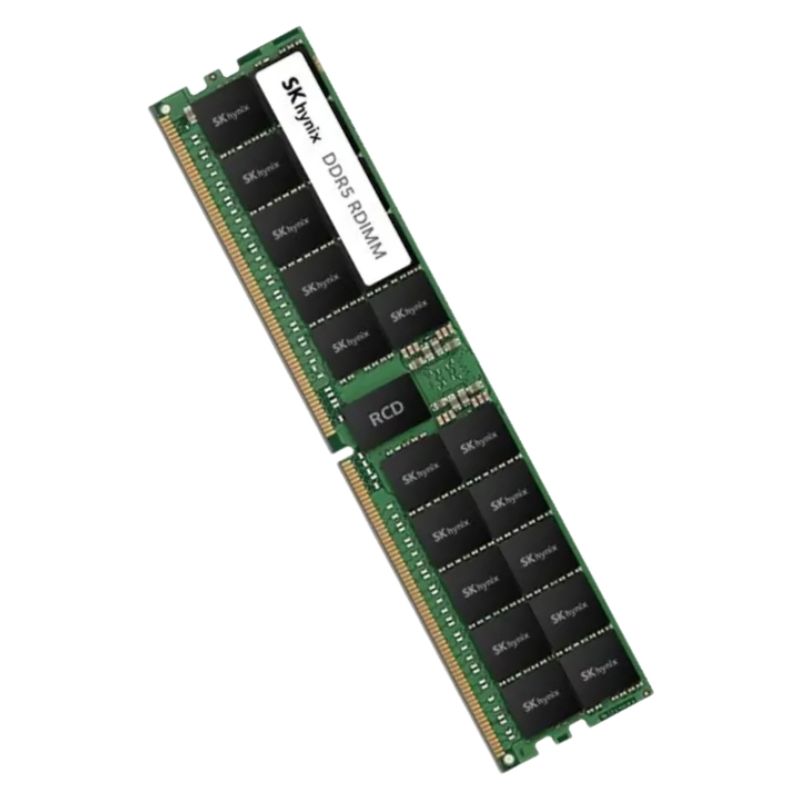


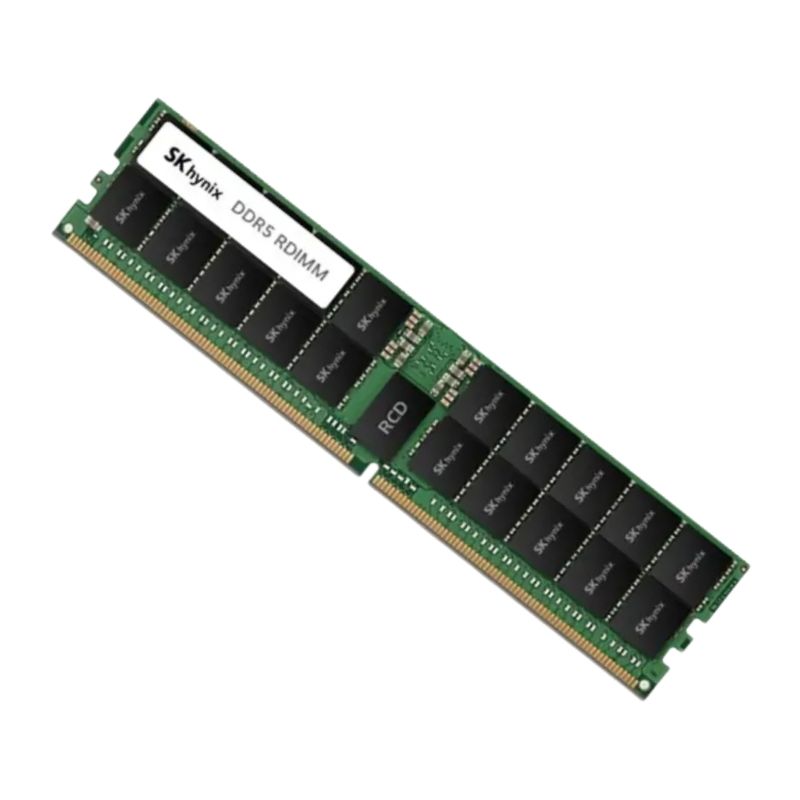
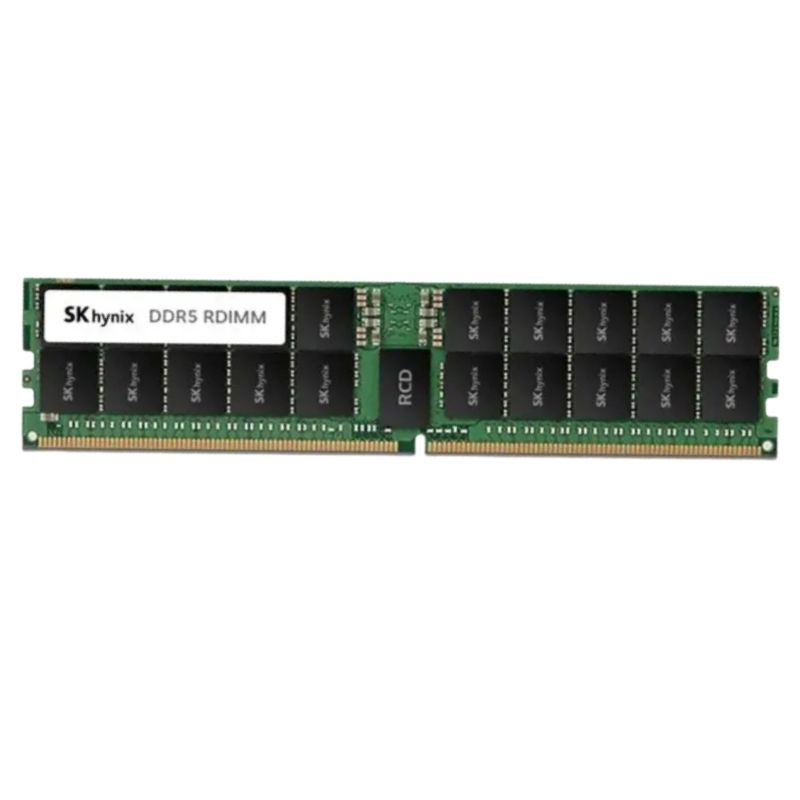
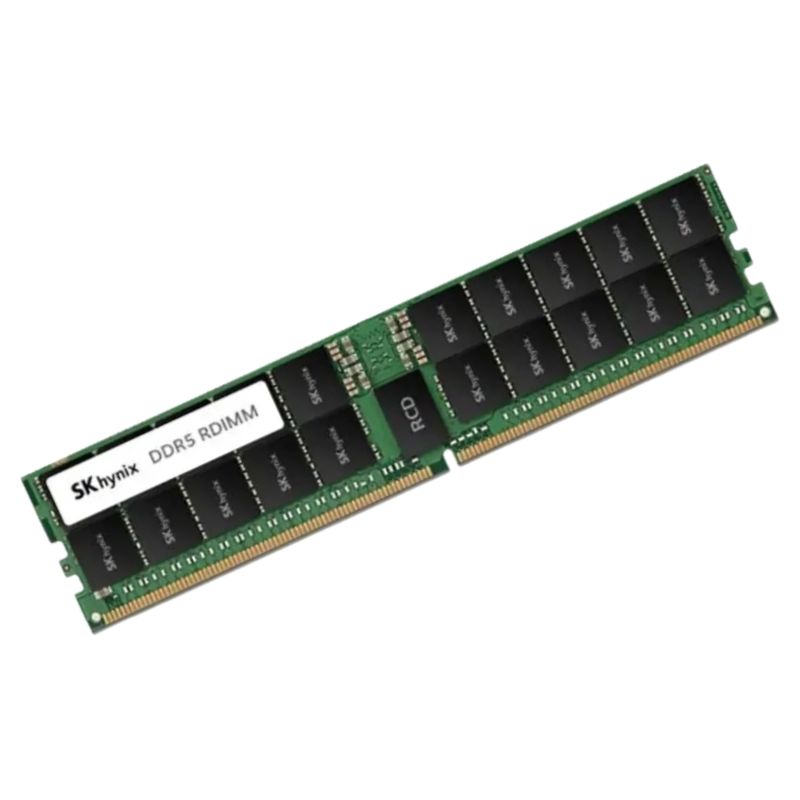
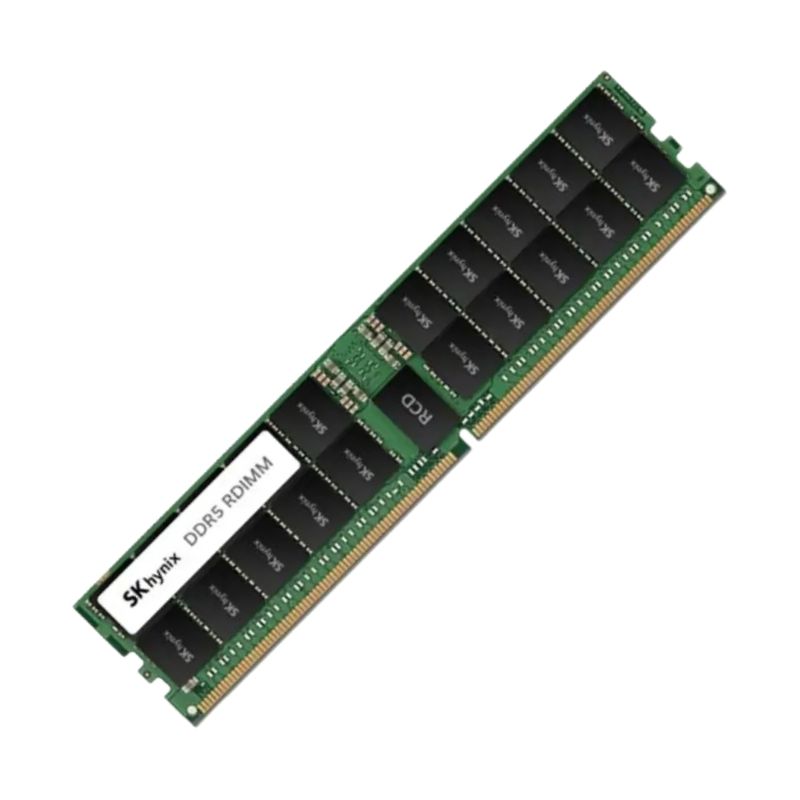
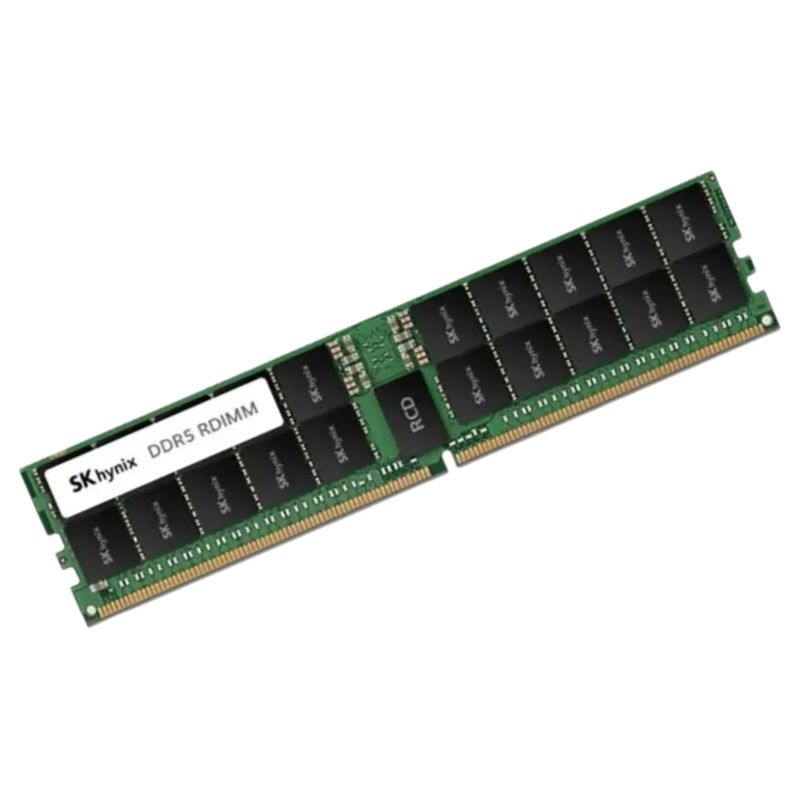
Hynix HMCG84AHBRA471N 32GB PC5-51200 DDR5-6400MHz ECC RDIMM CL52 288-Pin Memory Module. New Sealed in Box (NIB) with 3 Years Warranty
The Hynix HMCG84AHBRA471N 32GB PC5-51200 DDR5-6400MHz ECC RDIMM CL52 288-Pin Memory Module is designed for enterprise-grade performance, offering rapid data transfer speeds, advanced error correction, and dependable stability for servers and workstations.
The Hynix HMCG84AHBRA471N 32GB PC5-51200 DDR5-6400MHz ECC RDIMM CL52 288-Pin Memory Module belongs to an advanced category of enterprise-grade registered memory engineered for modern server, workstation, and data center platforms. This category reflects the shift toward DDR5 technology as organizations demand greater memory bandwidth, higher capacity scalability, and uncompromising reliability. DDR5 ECC RDIMM modules are purpose-built to support processor architectures with increasing core counts, higher memory channel density, and sustained parallel workloads that place heavy demands on memory subsystems.
Registered dual in-line memory modules differentiate themselves through the inclusion of a register that buffers command and address signals between the memory controller and DRAM chips. This architectural feature significantly reduces signal load, enabling stable operation at higher frequencies and across larger memory configurations. In DDR5 form, RDIMM memory represents a foundational component of enterprise infrastructure, providing the stability and scalability required for mission-critical applications, virtualization environments, and large-scale data processing systems.
The transition from DDR4 to DDR5 marks a generational leap in memory architecture. DDR5 RDIMM memory introduces substantially higher data transfer rates, with PC5-51200 modules allowing effective speeds of 6400MT/s. This improvement translates directly into increased bandwidth per memory channel, which is essential for feeding modern CPUs that can process vast amounts of data concurrently. Compared to earlier generations, DDR5 RDIMM modules are designed to minimize performance bottlenecks and deliver consistent throughput under heavy, sustained workloads.
Beyond raw speed, DDR5 memory incorporates architectural refinements that improve efficiency and reliability. Dual independent 32-bit subchannels within each DIMM allow for greater parallelism in memory access, reducing contention and latency during multi-threaded operations. This category is particularly valuable in enterprise systems where workloads are highly concurrent and demand predictable memory performance.
Operating at DDR5-6400MHz, the PC5-51200 classification defines a theoretical peak bandwidth of 51.2GB/s per module. This level of throughput significantly enhances performance in applications that are memory-bandwidth intensive, such as high-performance computing, real-time analytics, and large-scale virtualization. Systems equipped with DDR5 RDIMM memory can sustain higher data transfer volumes without saturating memory channels, ensuring that processors remain efficiently utilized.
Higher bandwidth also improves performance consistency across workloads that rely on rapid access to large datasets. In enterprise databases, in-memory processing engines, and caching layers, DDR5 RDIMM memory reduces wait times and improves transaction responsiveness, directly impacting overall system efficiency.
The ECC RDIMM category is defined by its integrated error correction capabilities, which are essential for maintaining data integrity in enterprise environments. The Hynix HMCG84AHBRA471N 32GB DDR5 module incorporates ECC functionality that detects and corrects single-bit memory errors while identifying multi-bit faults. This protection operates continuously and transparently, safeguarding data as it moves between memory and the processor.
Memory errors, while often rare on a per-bit basis, become statistically significant in systems with large memory footprints and continuous operation. ECC RDIMM modules mitigate these risks, reducing the likelihood of system crashes, data corruption, and unpredictable behavior. This makes the category indispensable for workloads where accuracy and reliability are non-negotiable.
Enterprise systems rely on memory that can operate reliably under constant load. DDR5 ECC RDIMM memory is engineered for 24/7 operation, supporting use cases such as financial transaction processing, healthcare information systems, telecommunications infrastructure, and cloud computing platforms. The ability to detect and correct errors in real time contributes to higher system uptime and improved service continuity.
This category also supports advanced system-level reliability features, including memory scrubbing and predictive failure analysis. By working in conjunction with server firmware and management software, ECC RDIMM modules help administrators identify potential issues before they impact operations, enabling proactive maintenance strategies.
DDR5 memory introduces on-die ECC at the DRAM chip level, providing an additional layer of internal error detection. While on-die ECC primarily improves manufacturing yield and internal reliability, system-level ECC implemented in RDIMM modules ensures end-to-end data protection. The combination of these mechanisms reinforces the robustness of the DDR5 ECC RDIMM category, making it well-suited for environments where data accuracy is paramount.
Enhanced reliability features allow DDR5 RDIMM memory to maintain stable operation at higher frequencies, ensuring that performance gains do not come at the expense of data integrity.
The CL52 latency rating of this DDR5-6400 RDIMM category reflects a balance between high-frequency operation and predictable access timing. While numerical latency values increase with higher clock speeds, the overall performance impact is mitigated by the substantial bandwidth gains offered by DDR5. In practical terms, enterprise workloads benefit from improved throughput and reduced contention, resulting in equal or superior performance compared to lower-speed, lower-latency memory.
Latency consistency is particularly important in server environments where multiple applications share memory resources. DDR5 RDIMM modules deliver stable timing behavior, reducing jitter and ensuring predictable performance under variable load conditions.
Modern server processors feature high core counts and multiple memory channels per socket. The DDR5 ECC RDIMM category is designed to scale with these architectures, providing sufficient bandwidth to keep cores fed with data. In multi-socket systems, registered memory ensures reliable signal integrity across populated slots, enabling balanced memory access and reducing cross-socket latency disparities.
This scalability supports workloads such as virtualization, container orchestration, and parallel computing, where memory performance directly influences application responsiveness and throughput.
DDR5 RDIMM modules utilize dual subchannels to improve access efficiency. Each 32-bit subchannel can be accessed independently, allowing the memory controller to schedule operations more flexibly. This design reduces idle cycles and enhances effective bandwidth utilization, particularly in workloads with mixed read and write patterns.
The result is smoother performance scaling as workload complexity increases, making this category well-suited for dynamic enterprise environments.
DDR5 memory introduces integrated power management directly on the DIMM, shifting voltage regulation from the motherboard to the module itself. This design improves power delivery precision and reduces electrical noise, contributing to overall system stability. The DDR5 ECC RDIMM category benefits from lower operating voltages, which translate into improved energy efficiency compared to previous generations.
In large-scale deployments, power efficiency plays a critical role in managing operational costs and thermal output. DDR5 RDIMM memory supports higher memory densities without proportionally increasing power consumption, enabling data centers to scale capacity while maintaining manageable cooling requirements.
Enterprise servers often operate with fully populated memory slots, generating significant heat. DDR5 RDIMM modules are designed with optimized PCB layouts and component placement to facilitate effective heat dissipation. This thermal efficiency helps maintain consistent performance and prevents thermal throttling during sustained workloads.
Effective thermal management also contributes to longer component lifespan, reducing maintenance costs and improving overall system reliability.
The 32GB capacity of the Hynix HMCG84AHBRA471N positions it within a category optimized for flexible memory configurations. This capacity allows organizations to balance cost and performance while maintaining the ability to scale as workload demands evolve. DDR5 RDIMM modules support high slot counts, enabling total system memory capacities that can reach multiple terabytes.
Scalability is a defining feature of this category, as enterprise workloads are rarely static. Virtualization platforms, in-memory databases, and analytics engines benefit from the ability to add memory incrementally without sacrificing performance or stability.
DDR5 ECC RDIMM memory is designed to meet JEDEC standards, ensuring broad compatibility with contemporary server platforms. This category supports leading processor families and chipsets, enabling seamless integration into validated configurations. Standardization reduces deployment risk and simplifies system qualification processes.
Compatibility also ensures that firmware and BIOS optimizations can be applied consistently, enhancing memory performance and system stability across deployments.
The 288-pin DIMM form factor defines the physical interface for DDR5 RDIMM memory. Precision manufacturing ensures accurate pin alignment and robust connector engagement, minimizing the risk of installation issues. Mechanical reliability is essential in enterprise environments where systems may undergo maintenance, upgrades, or component replacement.
Secure physical connections contribute to long-term stability, particularly in environments subject to thermal cycling and vibration.
The DDR5-6400 ECC RDIMM category supports a wide range of enterprise workloads, from transactional databases to high-performance computing clusters. Increased memory bandwidth accelerates data-intensive operations, while ECC protection ensures accuracy and reliability. This combination makes the category suitable for applications where performance and correctness are equally critical.
In virtualization environments, high-speed memory enables higher consolidation ratios and improved virtual machine responsiveness. Cloud service providers rely on DDR5 RDIMM memory to deliver consistent performance across diverse tenant workloads.


 Contact Us
 Information
 Catalog
 Solid State Drives (SSD)
 Network Switches
 Hard Disk Drives
 HBA & Controllers
 PC & Servers
 PC & Server Memory
 CPU & Processors
 Network Routers
 Power Supplies
 Tape Drives & Libraries
 Network Devices
 Computer & Network Cables