(7% discount is applied at checkout)
Cart is empty
Your go-to destination for cutting-edge server products
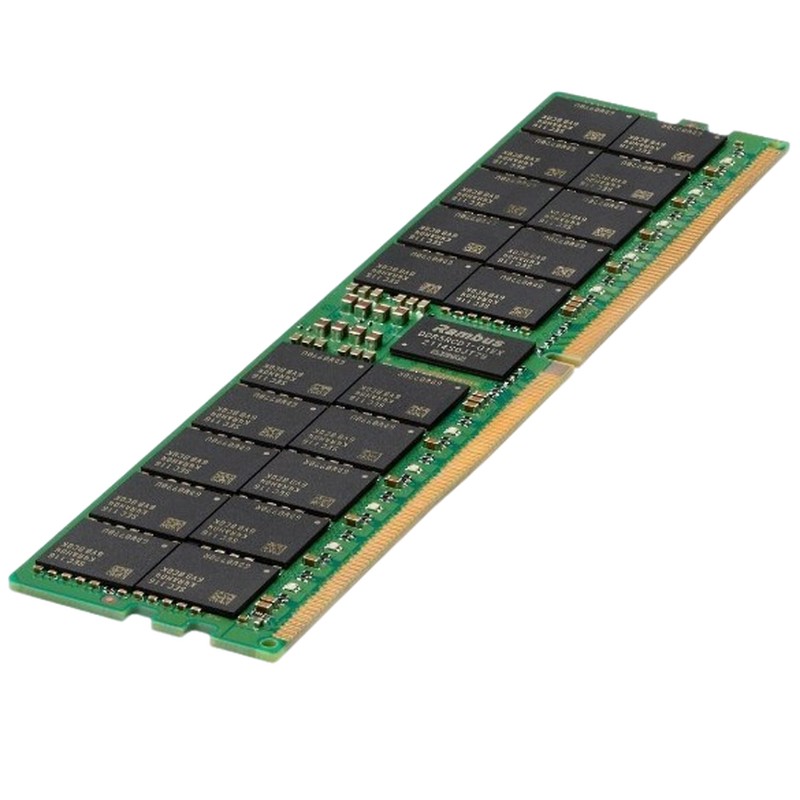


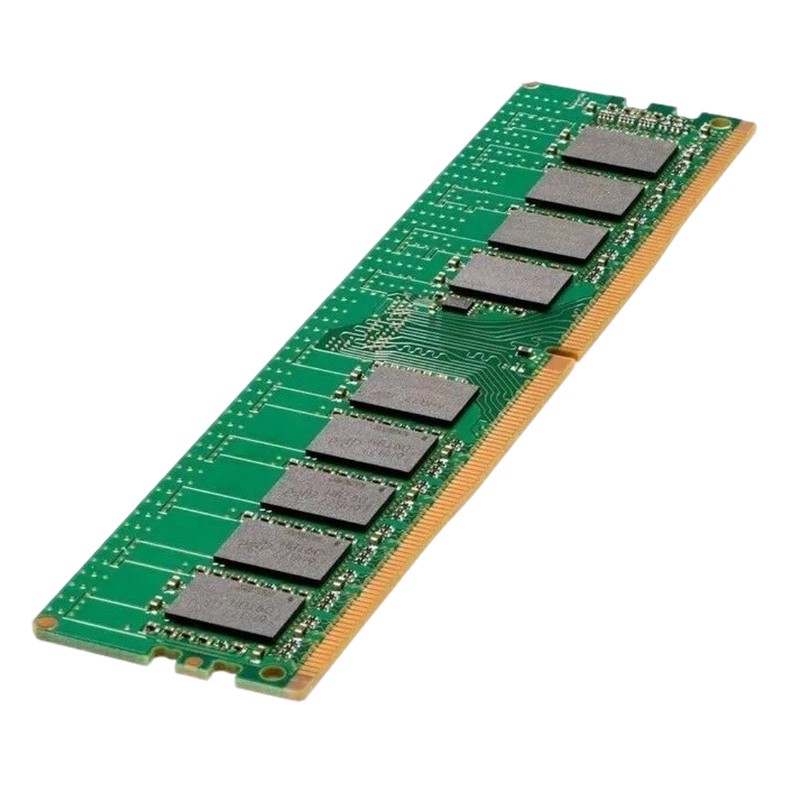
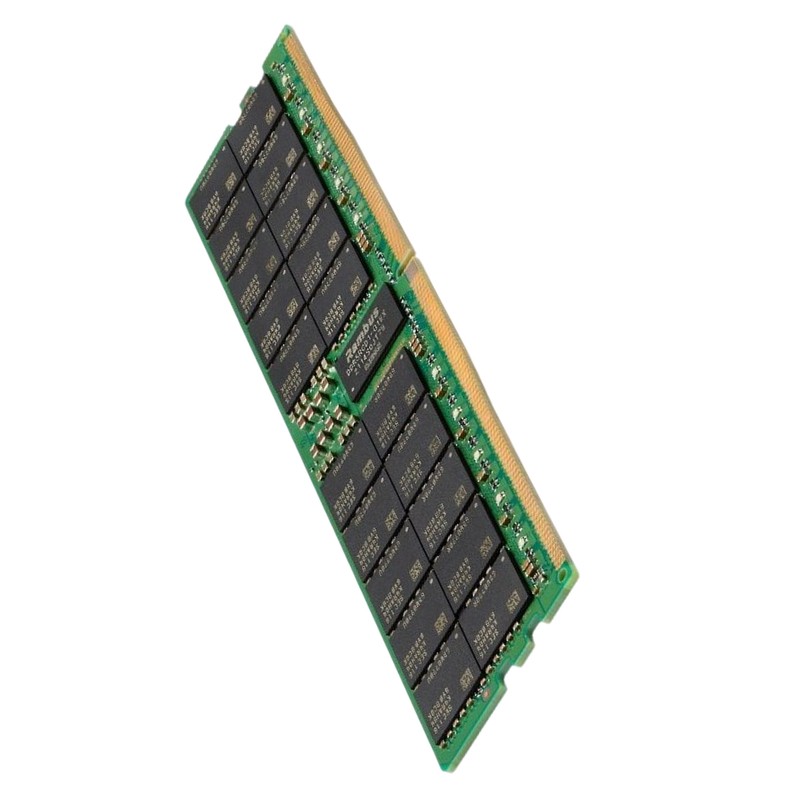
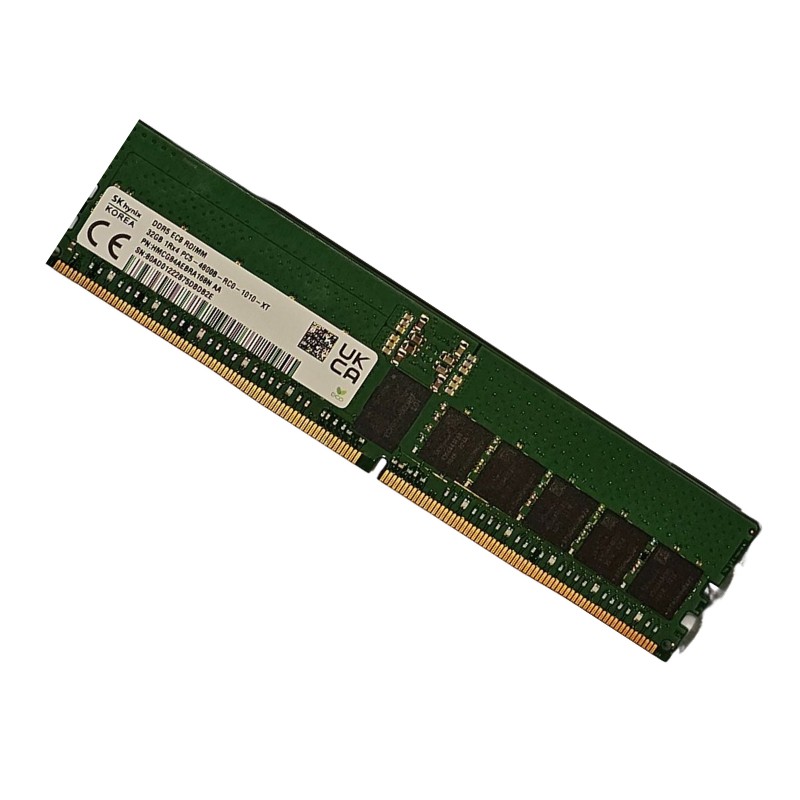
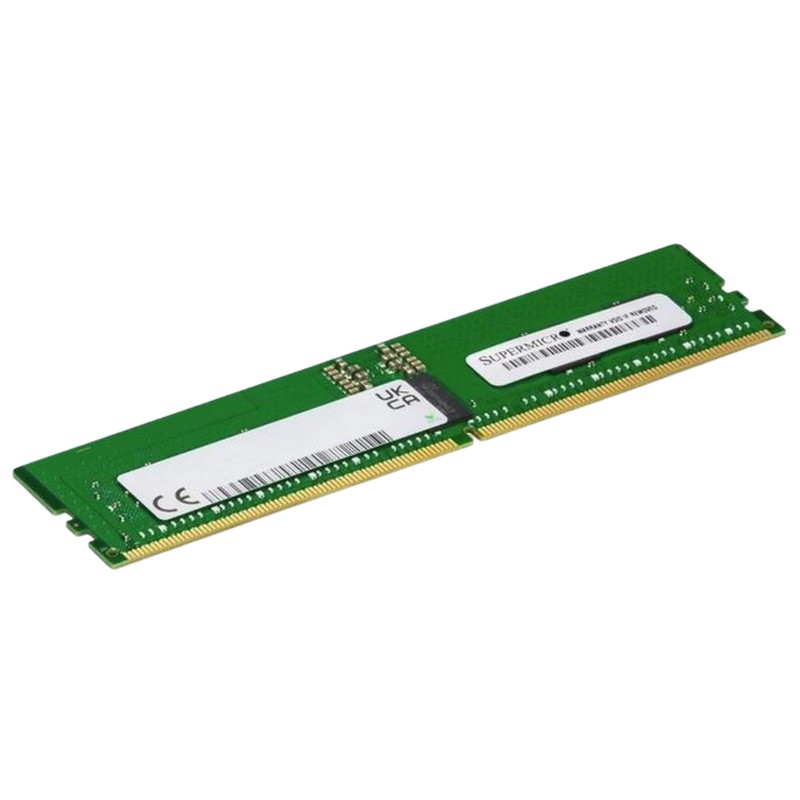
Hynix HMCG84MEBRA110N 32GB 4800MHz PC5-38400 1RX4 ECC Registered 1.1v CL40 DDR5 288-pin Rdimm Memory Module. New (System) Pull with 1 year replacement warranty
| SKU/MPN | Warranty | Price | Condition | You save |
|---|---|---|---|---|
| HMCG84MEBRA110N | 1 Year Warranty | $1,022.00 | New (System) Pull | You save: $357.70 (26%) |
| HMCG84MEBRA110N | 1 Year Warranty | $1,622.00 | New Sealed in Box (NIB) | You save: $567.70 (26%) |
High-performance 32GB DDR5 SDRAM registered memory from SK Hynix. The HMCG84MEBRA110N is a 288-pin RDIMM engineered for servers and workstations that need reliable, error-correcting memory with fast throughput and low voltage operation.
Built for multi-threaded server workloads, the module delivers sustained throughput and improved system stability through ECC and registered buffering. Ideal for virtualization, databases, and compute-intensive tasks.
The Hynix HMCG84MEBRA110N represents the cutting edge of memory technology, leveraging DDR5 architecture to deliver unprecedented performance, efficiency, and reliability for modern server environments. As enterprise workloads become increasingly demanding with artificial intelligence, machine learning, big data analytics, and virtualization, DDR5 memory addresses the critical need for higher bandwidth and improved power efficiency. This 32GB module operates at 4800MHz with PC5-38400 classification, providing substantial performance improvements over previous DDR4 generations while maintaining compatibility with next-generation server platforms.
DDR5 introduces several architectural improvements that distinguish it from previous memory generations. The implementation of Decision Feedback Equalization (DFE) enables higher data rates by improving signal integrity, while the redesigned burst length has been doubled to BL16 for improved efficiency. Perhaps most significantly, DDR5 incorporates voltage regulation directly on the memory module itself, moving this function from the motherboard to the DIMM through integrated Power Management ICs (PMICs). This distributed power management system allows for more precise voltage control and improved power delivery efficiency.
The integrated PMIC in the Hynix HMCG84MEBRA110N represents a fundamental shift in memory power architecture. By distributing voltage regulation to each module, the PMIC reduces power supply noise, improves voltage regulation accuracy, and enables more granular power management capabilities. This architecture supports multiple voltage rails (VDD, VDDQ, VPP) and provides better power efficiency compared to motherboard-based voltage regulation. The 1.1v operating voltage represents a significant reduction from DDR4's 1.2v, contributing to overall system power savings in data center environments where energy efficiency directly impacts operational costs.
The Hynix HMCG84MEBRA110N is engineered with precision to meet the rigorous demands of enterprise server environments. This 32GB module operates at a data rate of 4800MT/s (MegaTransfers per second), corresponding to the PC5-38400 classification (38400 MB/s theoretical bandwidth). The module features a 1RX4 organization with ECC (Error Correcting Code) capabilities and registered architecture to ensure data integrity and system stability. The CL40 timing represents an optimized balance between latency and bandwidth for server workloads.
The "1RX4" designation indicates a single-rank module with x4 organization, meaning each memory chip has a 4-bit data interface. This configuration is particularly beneficial for server applications as it reduces the load on the memory controller while maintaining high capacity. The module utilizes advanced DDR5 DRAM chips manufactured using Hynix's latest semiconductor processes, ensuring high density, performance, and reliability. The 288-pin DIMM form factor maintains physical compatibility with DDR4 slots while electrical and protocol differences prevent incorrect installation.
The theoretical peak bandwidth of the Hynix HMCG84MEBRA110N can be calculated using the standard formula: Data Rate × Bus Width ÷ 8. With a data rate of 4800MT/s and a 64-bit bus width, the single module provides approximately 38.4 GB/s of theoretical bandwidth. In practical server configurations utilizing multiple channels (typically 8-channel in modern server platforms), the aggregate memory bandwidth can exceed 300 GB/s, providing substantial headroom for memory-intensive applications and reducing potential bottlenecks in data processing pipelines.
The Hynix HMCG84MEBRA110N incorporates sophisticated ECC capabilities that are essential for maintaining data integrity in mission-critical server environments. DDR5 ECC operates both on-die (within the DRAM chips themselves) and on-DIMM (across the memory module). The on-die ECC corrects errors within individual memory chips before they can propagate to the system level, while the standard ECC functionality corrects single-bit errors and detects double-bit errors across the entire memory bus. This multi-layered approach to error correction significantly reduces the probability of uncorrectable errors that could lead to system crashes or data corruption.
As an RDIMM (Registered Dual In-line Memory Module), the Hynix HMCG84MEBRA110N incorporates register chips (also known as buffers) that sit between the memory controller and the DRAM chips. These registers buffer command, address, and control signals, reducing the electrical load on the memory controller and enabling support for higher memory capacities per channel. This architecture improves signal integrity, especially in systems with large memory configurations, by reducing electrical noise and signal degradation. The registered design is particularly beneficial in multi-socket server systems where memory scalability and stability are paramount.
Understanding the differences between memory module types is crucial for proper server configuration. RDIMMs (like the Hynix HMCG84MEBRA110N) offer an optimal balance of performance, capacity, and cost for most enterprise applications. Compared to UDIMMs (Unbuffered DIMMs), RDIMMs support higher capacities and better signal integrity but introduce minimal additional latency. In contrast to LRDIMMs (Load Reduced DIMMs), which use isolation memory buffers to further reduce electrical load, RDIMMs provide better performance for similar capacities while LRDIMMs excel in maximum capacity configurations. The Hynix module's RDIMM architecture makes it suitable for the majority of enterprise server deployments requiring 32GB modules.
The performance characteristics of the Hynix HMCG84MEBRA110N make it particularly well-suited for specific enterprise workloads. The high bandwidth (38.4 GB/s per module) benefits memory-intensive applications such as in-memory databases, real-time analytics, and scientific simulations. The improved efficiency of DDR5 architecture provides advantages in virtualized environments where multiple virtual machines compete for memory resources. For AI and machine learning workloads, the combination of high bandwidth and large capacities enables faster model training and inference by reducing data transfer bottlenecks.
When compared to DDR4 memory operating at 3200MHz, the Hynix HMCG84MEBRA110N DDR5 module delivers approximately 50% higher theoretical bandwidth while operating at lower voltage (1.1v vs. 1.2v). In real-world server applications, this translates to significant performance improvements in bandwidth-sensitive workloads, though latency-sensitive applications may see more modest gains due to the higher base latencies of early DDR5 implementations. The architectural improvements in DDR5, including bank grouping and refresh optimizations, help mitigate latency impacts while providing substantial bandwidth advantages.
The Hynix HMCG84MEBRA110N's 1.1v operating voltage represents an 8.3% reduction compared to DDR4's 1.2v standard, contributing directly to power savings in large-scale deployments. When combined with the efficiency improvements of the on-DIMM PMIC, overall memory subsystem power efficiency can improve by 15-20% compared to equivalent DDR4 configurations. Thermal management remains important, as higher data rates can increase power density. The module includes standard temperature sensors and supports thermal throttle features to maintain reliability under demanding operating conditions. Proper server airflow and cooling are essential for maintaining optimal performance and longevity.


 Contact Us
 Information
 Catalog
 Solid State Drives (SSD)
 Network Switches
 Hard Disk Drives
 HBA & Controllers
 PC & Servers
 PC & Server Memory
 CPU & Processors
 Network Routers
 Power Supplies
 Tape Drives & Libraries
 Network Devices
 Computer & Network Cables