(7% discount is applied at checkout)
Cart is empty
Your go-to destination for cutting-edge server products
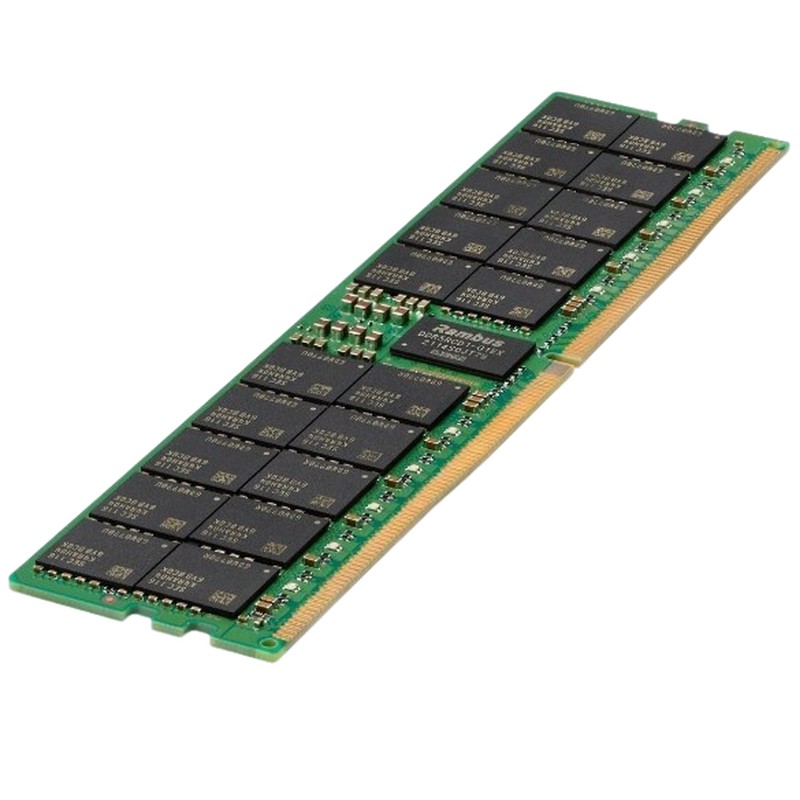


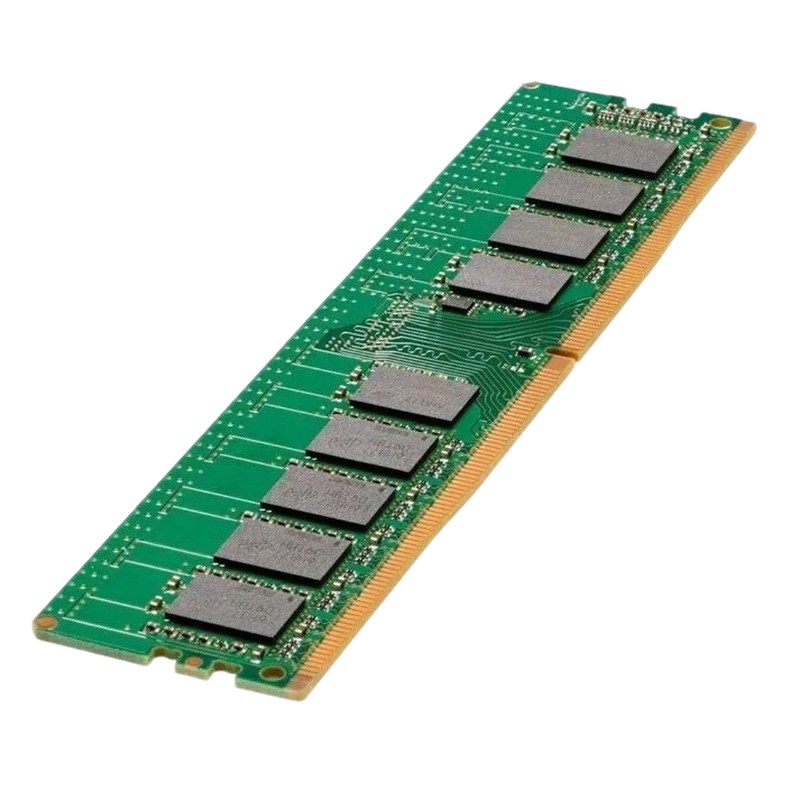
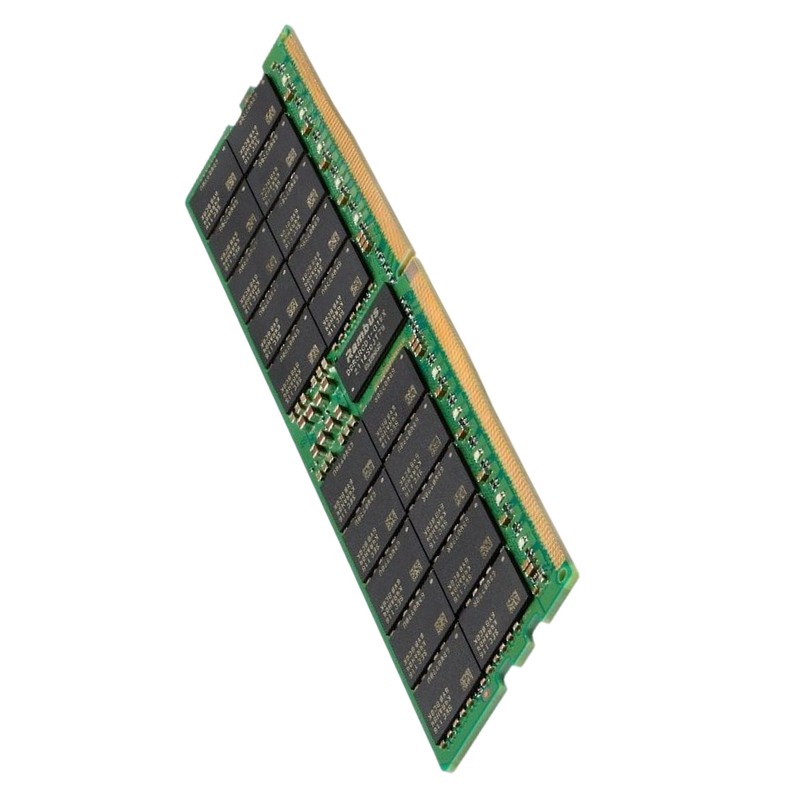
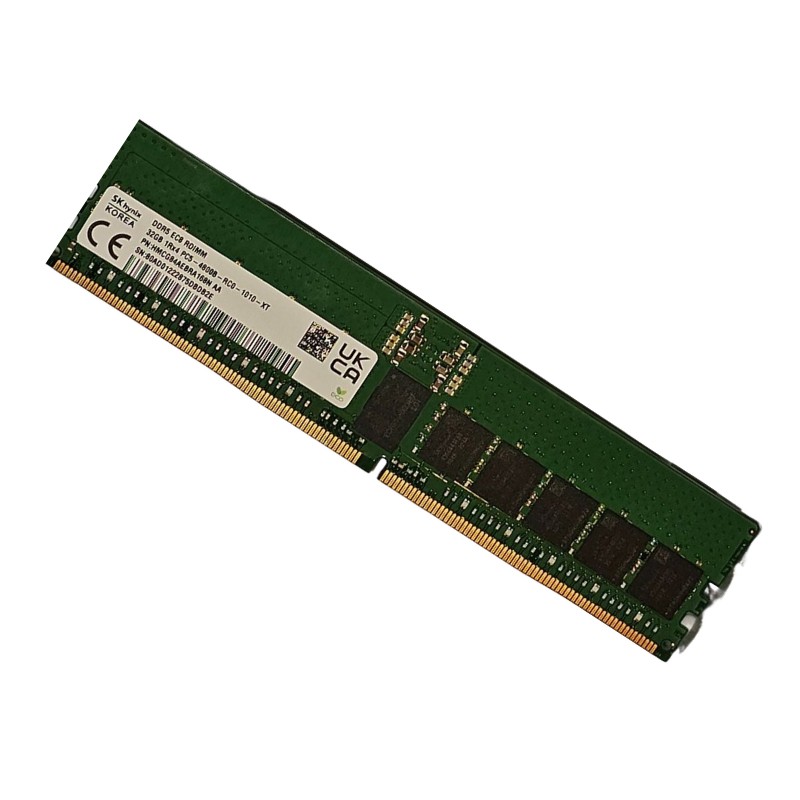
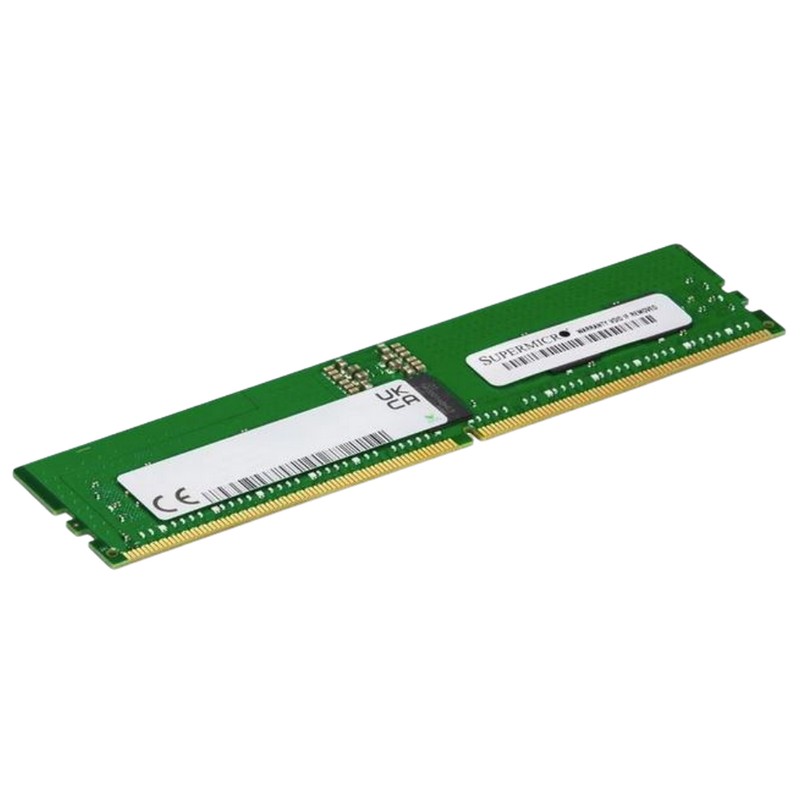
Hynix HMCG84MEBRA110N 32GB 4800MHz PC5-38400 1RX4 ECC Registered 1.1v CL40 DDR5 288-pin Rdimm Memory Module. New Sealed in Box (NIB) with 3 Year Warranty
| SKU/MPN | Warranty | Price | Condition | You save |
|---|---|---|---|---|
| HMCG84MEBRA110N | 1 Year Warranty | $1,022.00 | New (System) Pull | You save: $357.70 (26%) |
| HMCG84MEBRA110N | 1 Year Warranty | $1,622.00 | New Sealed in Box (NIB) | You save: $567.70 (26%) |
Engineered for enterprise-grade performance, the HMCG84MEBRA110N module delivers exceptional speed, data integrity, and energy efficiency for modern server infrastructures.
The Hynix HMCG84MEBRA110N represents the cutting edge of server memory technology, delivering unprecedented performance, efficiency, and reliability for modern data-intensive applications. This 32GB DDR5 module operates at 4800MHz with PC5-38400 classification, specifically engineered for enterprise servers, high-performance computing clusters, and demanding workstation environments.
This memory module features a 32GB capacity with a 4800MHz data transfer rate, translating to a peak bandwidth of 38.4 GB/s per module. The PC5-38400 designation indicates the module's transfer rate of 38400 MB/s. Operating at just 1.1 volts, it provides significant power efficiency improvements over previous DDR4 generations while delivering substantially higher performance.
The 1RX4 (Single Rank, 4 Bank Groups) configuration optimizes memory access patterns and reduces latency. The ECC (Error Correcting Code) functionality with Registered architecture ensures data integrity and system stability, making it ideal for mission-critical applications where data corruption is unacceptable.
DDR5 memory represents a fundamental shift in memory architecture, introducing several key innovations that dramatically improve performance and efficiency. The Hynix HMCG84MEBRA110N leverages these advancements to deliver superior performance compared to previous generation memory technologies.
Unlike DDR4's single 64-bit data channel, DDR5 implements two independent 32-bit sub-channels. This architectural change allows for more efficient data access patterns and reduces contention, resulting in improved overall system performance, particularly in multi-threaded workloads and memory-intensive applications.
DDR5 introduces on-die ECC capability, which corrects errors within the memory chip itself before they can affect system performance. This complements the traditional module-level ECC, providing an additional layer of data protection and reliability for enterprise environments.
The integration of a Power Management IC on the memory module represents a significant departure from previous DDR generations. This innovation allows for more precise power delivery and better power distribution across the module, reducing noise and improving signal integrity while enabling more advanced power management features.
With the PMIC handling voltage regulation on-module, the Hynix HMCG84MEBRA110N can maintain stable operation even under fluctuating load conditions. The 1.1v operating voltage represents a substantial reduction from DDR4's 1.2v standard, contributing to overall system power efficiency and thermal management.
ECC technology is essential for maintaining data integrity in server environments. The Hynix HMCG84MEBRA110N implements advanced ECC algorithms that can detect and correct single-bit errors while detecting multi-bit errors, preventing data corruption and system crashes in mission-critical applications.
ECC works by adding redundant bits to each data word stored in memory. When data is read, the memory controller recalculates the ECC bits and compares them to the stored values. Any discrepancy triggers automatic error correction for single-bit errors or error reporting for multi-bit errors, ensuring data remains intact throughout its lifecycle in memory.
The registered architecture incorporates buffer chips (or registers) that sit between the memory controller and the DRAM chips. These buffers handle the electrical load of the memory chips, reducing the strain on the memory controller and enabling support for higher memory capacities and more DIMMs per channel.
Registered DIMMs provide superior signal integrity and system stability compared to unbuffered modules. This makes the Hynix HMCG84MEBRA110N ideal for servers requiring large memory configurations, as the buffered architecture maintains signal quality even with multiple modules installed, ensuring reliable operation at high speeds.
The 4800MHz operating frequency represents a significant increase over typical DDR4 speeds, which commonly max out at 3200MHz for server applications. This 50% increase in data rate translates directly to improved application performance, particularly for memory-bandwidth-sensitive workloads such as database operations, virtualization, and scientific computing.
While the CAS Latency of 40 cycles may appear higher than DDR4 modules, the actual absolute latency in nanoseconds is comparable or better due to the higher clock speed. The CL40 rating at 4800MHz results in a latency of approximately 16.67 nanoseconds, providing an optimal balance between bandwidth and responsiveness for server workloads.
With a theoretical peak bandwidth of 38.4 GB/s per module, the Hynix HMCG84MEBRA110N delivers substantial performance headroom. In real-world server configurations with multiple channels populated, aggregate memory bandwidth can exceed 150 GB/s in dual-processor systems, dramatically reducing processing bottlenecks for data-intensive applications.
When deployed in multi-channel configurations (typically 8-channel for modern server platforms), these modules can deliver aggregate bandwidth exceeding 300 GB/s, enabling unprecedented performance for memory-bound applications such as in-memory databases, high-performance computing, and artificial intelligence workloads.
The Hynix HMCG84MEBRA110N is designed for compatibility with next-generation server platforms supporting DDR5 technology. This includes Intel Xeon Scalable Processors (Sapphire Rapids and later) and AMD EPYC processors (Genoa and later) that incorporate DDR5 memory controllers and support registered ECC DIMMs.
Beyond traditional servers, these modules are suitable for high-end workstations requiring ECC protection and large memory capacities. Content creation, engineering simulation, and scientific research workstations can benefit from the combination of high bandwidth and data integrity provided by these modules.
Proper DIMM population is critical for optimal performance. Servers typically require installation in specific sequences and channel configurations. The 1RX4 rank configuration affects population rules, with most platforms supporting multiple modules per channel while maintaining rated speeds.
For best performance and stability, it's recommended to use identical Hynix HMCG84MEBRA110N modules throughout a system. Mixing different speeds, capacities, or timings may result in the system operating at the lowest common denominator or, in some cases, failure to boot.
Hynix utilizes premium-quality DRAM chips specifically binned and tested for server applications. These components undergo rigorous testing and screening to ensure they meet the demanding reliability standards required for 24/7 operation in data center environments.
The module features optimized thermal characteristics with carefully selected materials and construction techniques. While many server implementations rely on system airflow for cooling, the design ensures stable operation within standard server thermal envelopes, even under continuous heavy load.
Enterprise memory modules like the HMCG84MEBRA110N are designed and tested for exceptional reliability, with MTBF ratings typically exceeding 2 million hours. This exceptional reliability is achieved through rigorous testing, premium components, and robust manufacturing processes.
In cloud computing environments, the Hynix HMCG84MEBRA110N enables higher virtual machine density and improved performance for multi-tenant applications. The combination of high bandwidth and ECC protection ensures consistent performance while maintaining data integrity across diverse workloads.
Database applications, particularly in-memory databases like SAP HANA, benefit significantly from the high bandwidth and capacity of these modules. Reduced query times and improved transaction throughput directly translate to business value in database-intensive environments.
Research institutions and laboratories utilize these modules in computational clusters for simulations, modeling, and data analysis. The high bandwidth accelerates time-to-results while ECC ensures computational accuracy in sensitive calculations.
AI/ML workloads, particularly during training phases, can be memory-bandwidth constrained. The Hynix DDR5 modules help alleviate these bottlenecks, enabling faster model training and more efficient utilization of associated computational resources like GPUs.
DDR5 introduces DFE technology to the memory interface, which helps compensate for signal degradation at high speeds. This innovation enables stable operation at 4800MHz and beyond, maintaining data integrity across various system configurations and environmental conditions.
The DDR5 command/address bus operates at twice the speed of the data bus, reducing command overhead and improving overall bus efficiency. This architectural improvement contributes to the performance advantage of DDR5 over previous generations.


 Contact Us
 Information
 Catalog
 Solid State Drives (SSD)
 Network Switches
 Hard Disk Drives
 HBA & Controllers
 PC & Servers
 PC & Server Memory
 CPU & Processors
 Network Routers
 Power Supplies
 Tape Drives & Libraries
 Network Devices
 Computer & Network Cables