(7% discount is applied at checkout)
Cart is empty
Your go-to destination for cutting-edge server products
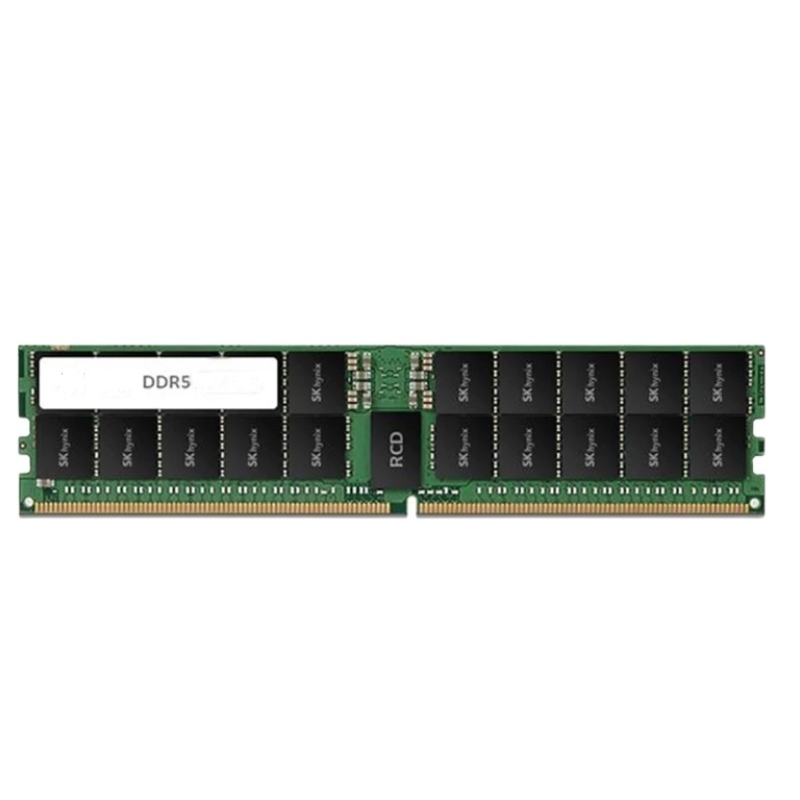


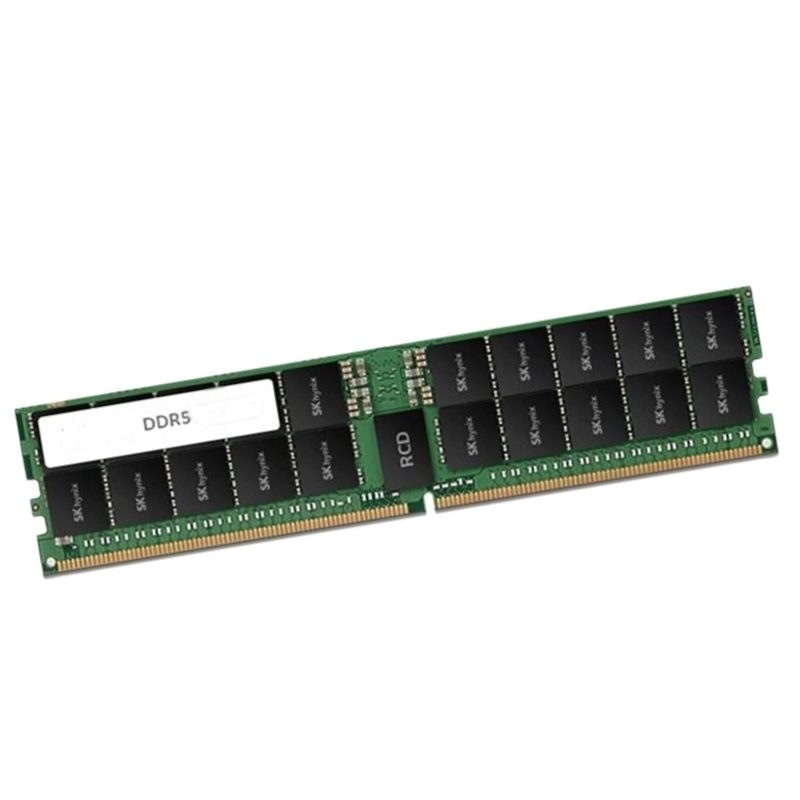
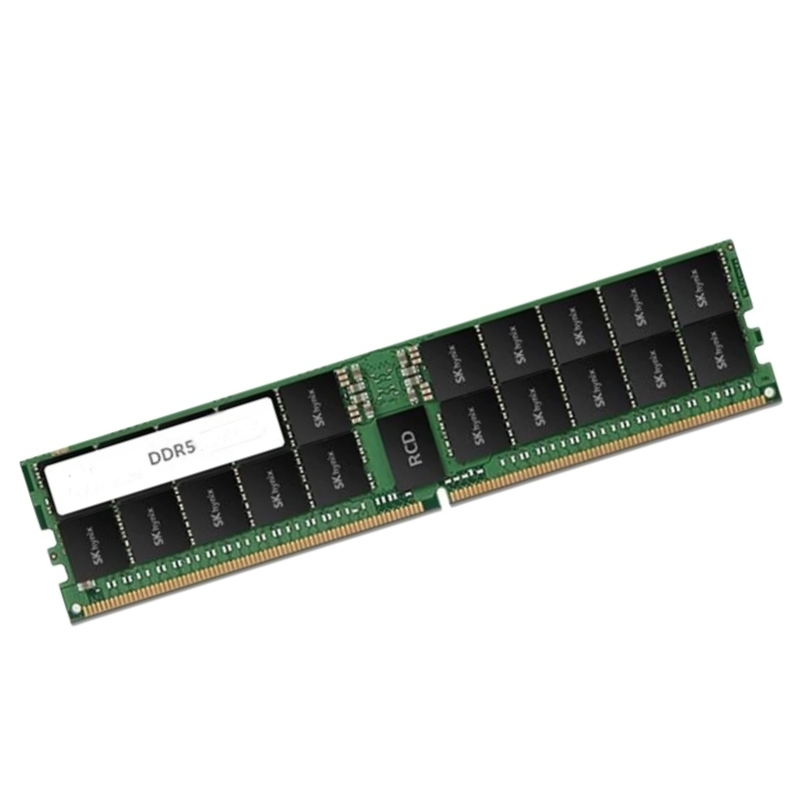
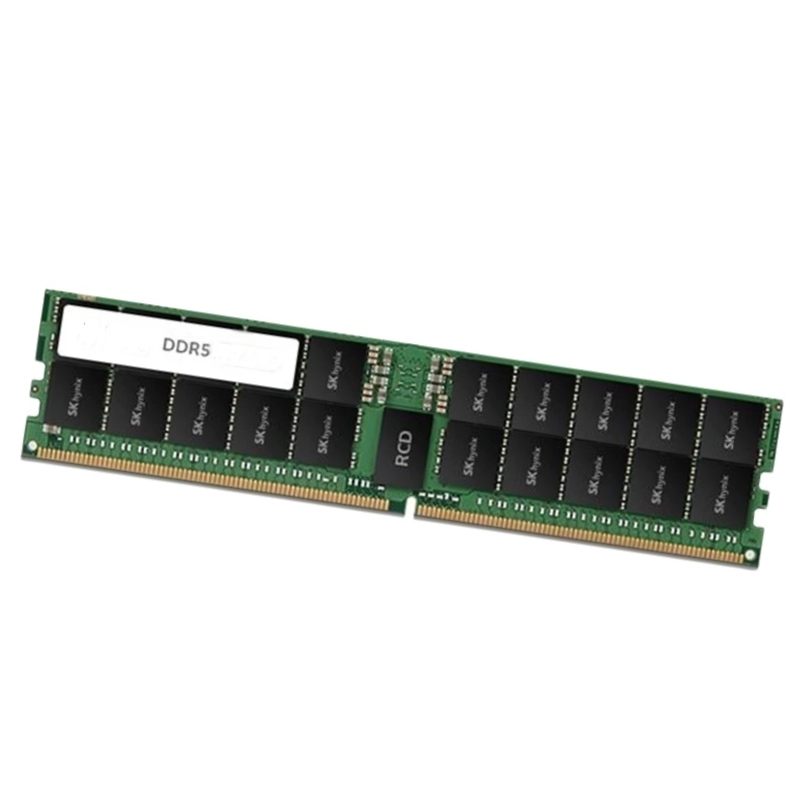
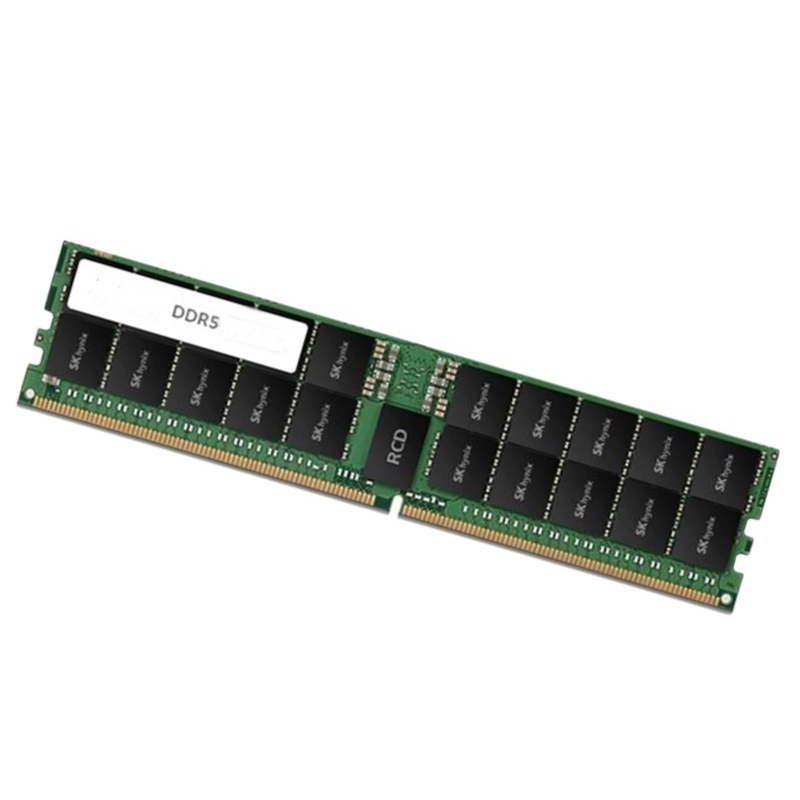
Hynix HMCG88AEBRA174N 32GB DDR5-4800MHz PC5-38400 Ecc Registered CL40 288-Pin RDIMM Memory Module. New (System) Pull with 1 Year Replacement Warranty
The Hynix HMCG88AEBRA174N 32GB DDR5 memory module is a high-efficiency server-grade RAM solution engineered for modern enterprise computing environments. Built on advanced DDR5 architecture, this 32GB ECC Registered DIMM delivers enhanced bandwidth, improved stability, and optimized power efficiency for demanding workloads. Operating at 4800MHz (PC5-38400), it ensures rapid data handling and smooth multitasking performance, making it suitable for mission-critical systems, virtualization platforms, and data-intensive applications that require consistent reliability and low error rates.
The Hynix HMCG88AEBRA174N 32GB DDR5-4800MHz PC5-38400 ECC Registered CL40 288-Pin RDIMM Memory Module belongs to a class of advanced server-grade memory solutions designed for modern computing infrastructures that demand high stability, predictable performance, and continuous uptime. Built on DDR5 generation architecture, this module represents a significant evolution in memory design, focusing on bandwidth expansion, improved power efficiency, and enhanced error handling compared to previous DDR4 RDIMM technologies.
DDR5 memory architecture introduces a broader range of internal improvements including dual 32-bit subchannels, improved burst lengths, and integrated power management circuitry. These enhancements enable more efficient handling of simultaneous workloads in data center environments, cloud computing clusters, virtualization hosts, and high-performance enterprise servers. The module is designed for systems requiring consistent throughput under heavy computational loads without compromising system integrity.
At the core of this memory module is DDR5 SDRAM technology, which improves data throughput by increasing both frequency and internal efficiency. Operating at 4800MHz effective memory speed, the module delivers a substantial bandwidth increase compared to DDR4 generations. The PC5-38400 classification indicates its theoretical peak transfer rate of 38,400 MB/s, making it suitable for data-intensive server applications.
The internal architecture of DDR5 introduces two independent 32-bit channels per DIMM instead of a single 64-bit channel, allowing more efficient data handling and reduced latency under parallel workloads. This structural change is particularly beneficial for multi-threaded server applications where simultaneous memory requests are frequent and demand rapid response times.
Unlike earlier memory generations where power regulation was primarily handled by the motherboard, DDR5 modules incorporate an on-module Power Management Integrated Circuit. This integration enhances voltage stability and reduces noise in power delivery, resulting in improved signal integrity and lower overall system power consumption. Such refinement is essential in large-scale server environments where hundreds of memory modules operate simultaneously.
The Hynix HMCG88AEBRA174N module is designed as an ECC Registered DIMM, which introduces additional reliability layers compared to unbuffered memory modules. ECC, or Error Correcting Code technology, ensures automatic detection and correction of single-bit memory errors, significantly reducing the risk of data corruption in mission-critical workloads.
The registered buffer component plays a crucial role in stabilizing electrical signals between the memory controller and DRAM chips. By reducing the electrical load on the memory controller, RDIMM architecture allows systems to scale memory capacity more effectively while maintaining signal integrity. This makes RDIMM modules ideal for enterprise servers, database systems, virtualization platforms, and high-density computing nodes.
ECC functionality operates by generating parity bits during data write operations and verifying them during read cycles. If discrepancies are detected, the system can automatically correct single-bit errors and identify multi-bit anomalies. This continuous verification process ensures long-term data reliability, especially in environments that require uninterrupted uptime such as financial systems, cloud infrastructure, and scientific computing clusters.
The 32GB capacity of this module provides a balanced configuration for mid-to-high range server deployments. Combined with DDR5-4800 frequency, it delivers high bandwidth performance suitable for multi-user environments and workload-heavy systems. The CL40 latency rating represents the number of clock cycles required to initiate a data request, optimized for stability rather than ultra-low latency consumer performance.
In server environments, consistency and throughput are more critical than raw latency optimization. The CL40 configuration ensures stable timing across a wide range of operating conditions, particularly under high thermal and electrical load scenarios typical in rack-mounted server infrastructures.
The PC5-38400 bandwidth rating enables this memory module to efficiently handle large data transfers in applications such as virtualization, in-memory databases, and real-time analytics systems. These workloads require continuous access to large datasets stored in memory, and the high throughput ensures minimal bottlenecks during peak processing cycles.
With increasing adoption of artificial intelligence frameworks and machine learning pipelines, memory bandwidth has become a critical factor in system performance. DDR5 architecture supports improved prefetch capabilities, allowing faster data preparation for processing units and reducing idle CPU cycles.
Although DDR5-4800 modules with CL40 latency may appear slower compared to consumer-grade low-latency memory, server applications prioritize stability over instantaneous response. Latency consistency under load is more important than minimal cycle counts. This module maintains predictable latency behavior even during sustained multi-threaded operations.
The 288-pin RDIMM configuration ensures compatibility with a wide range of enterprise-grade server motherboards and workstation platforms designed to support DDR5 ECC Registered memory. Compatibility is generally limited to systems with validated memory controllers capable of handling registered ECC modules.
Server platforms from major chipset manufacturers often include BIOS-level support for memory training, ECC reporting, and advanced memory mapping, allowing full utilization of this module’s capabilities. Proper integration ensures stable operation in multi-DIMM configurations where memory density and scalability are essential.
One of the key advantages of RDIMM architecture is scalability. Systems can support higher total memory capacities without overwhelming the memory controller. This is particularly important in cloud computing environments where multiple virtual machines share the same physical hardware resources.
The registered buffer reduces electrical stress on the memory controller, enabling more DIMMs per channel compared to unbuffered memory solutions. This allows system architects to design dense memory configurations for virtualization hosts and database servers without sacrificing stability.
Modern data centers aim to reduce energy consumption while maximizing computational output. DDR5 technology contributes to this goal by operating at lower voltage levels while delivering higher bandwidth. This balance of efficiency and performance is essential for sustainable infrastructure design.
Cloud computing platforms rely heavily on memory performance to manage distributed workloads. DDR5 RDIMM modules provide the necessary bandwidth and stability to support containerized applications, microservices architectures, and scalable computing environments.
Distributed systems require synchronized memory performance across nodes. The predictable behavior of ECC registered memory ensures consistent performance across clustered environments, reducing system variability and improving reliability.
DDR5 modules operate at reduced voltage levels compared to previous generations, improving energy efficiency while maintaining performance. On-module voltage regulation ensures stable power delivery, reducing fluctuations that could affect memory stability.
The evolution of server memory continues toward higher bandwidth, increased density, and improved energy efficiency. DDR5 RDIMM modules represent a significant step in this direction, providing the foundation for next-generation computing infrastructures.
As enterprise workloads continue to grow in complexity, memory systems must adapt to handle larger datasets, faster processing requirements, and more distributed computing environments. DDR5 technology is designed to meet these evolving demands through architectural innovation and engineering refinement.


 Contact Us
 Information
 Catalog
 Solid State Drives (SSD)
 Network Switches
 Hard Disk Drives
 HBA & Controllers
 PC & Servers
 PC & Server Memory
 CPU & Processors
 Network Routers
 Power Supplies
 Tape Drives & Libraries
 Network Devices
 Computer & Network Cables