(7% discount is applied at checkout)
Cart is empty
Your go-to destination for cutting-edge server products
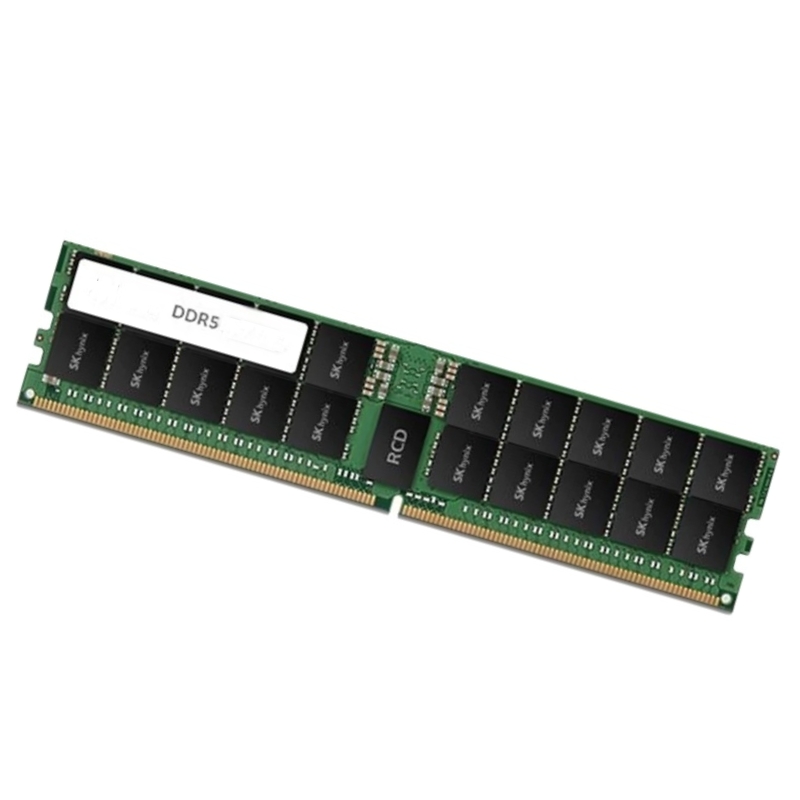


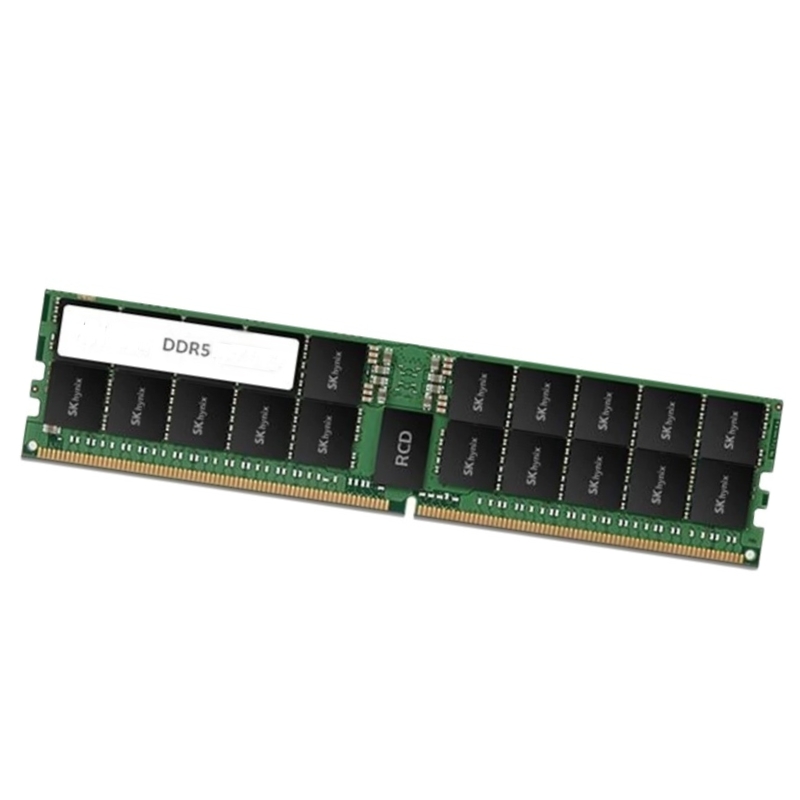
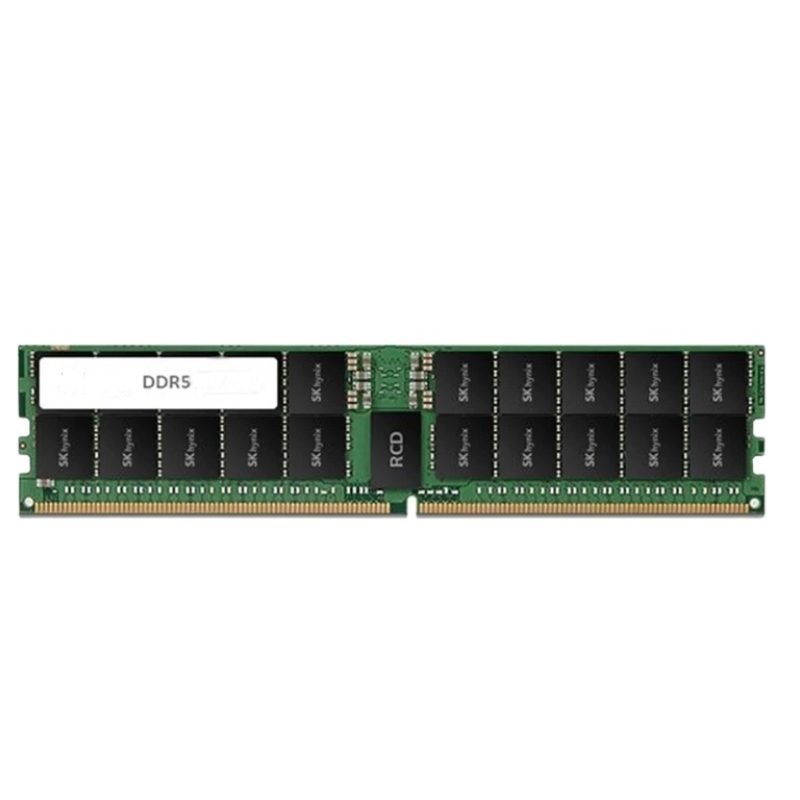
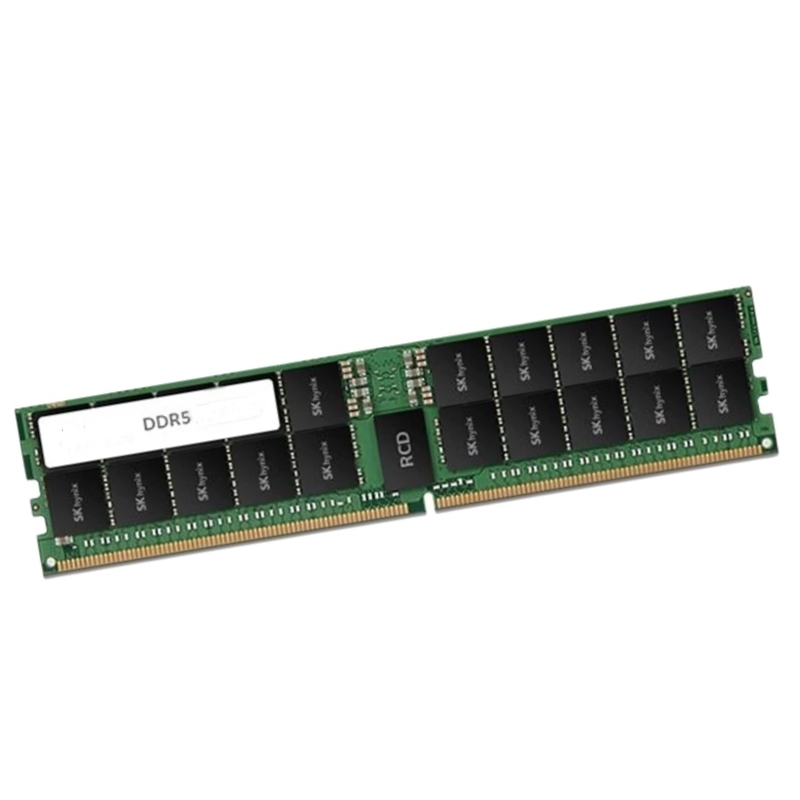
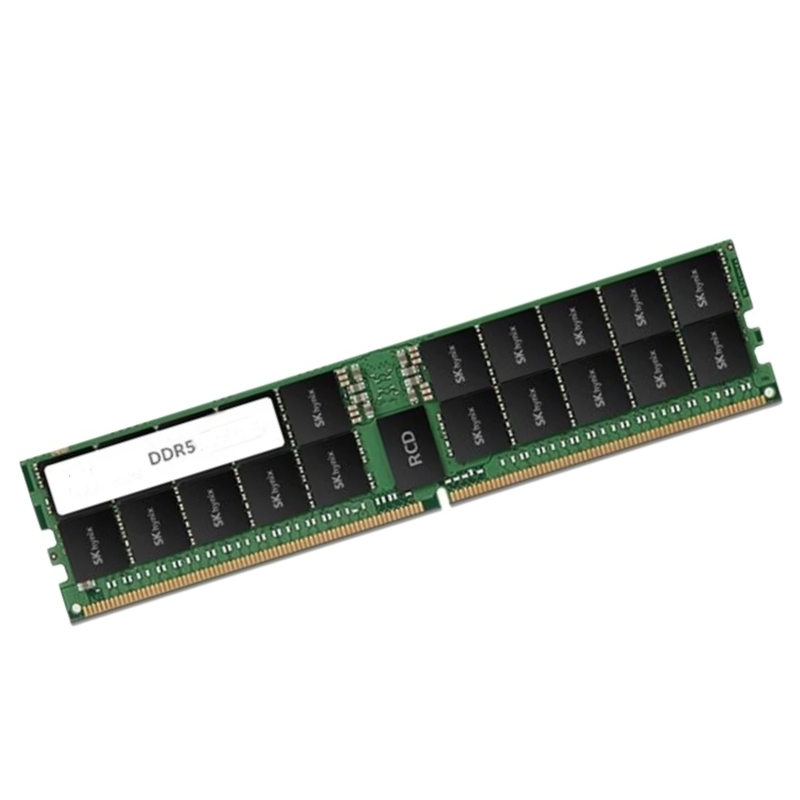
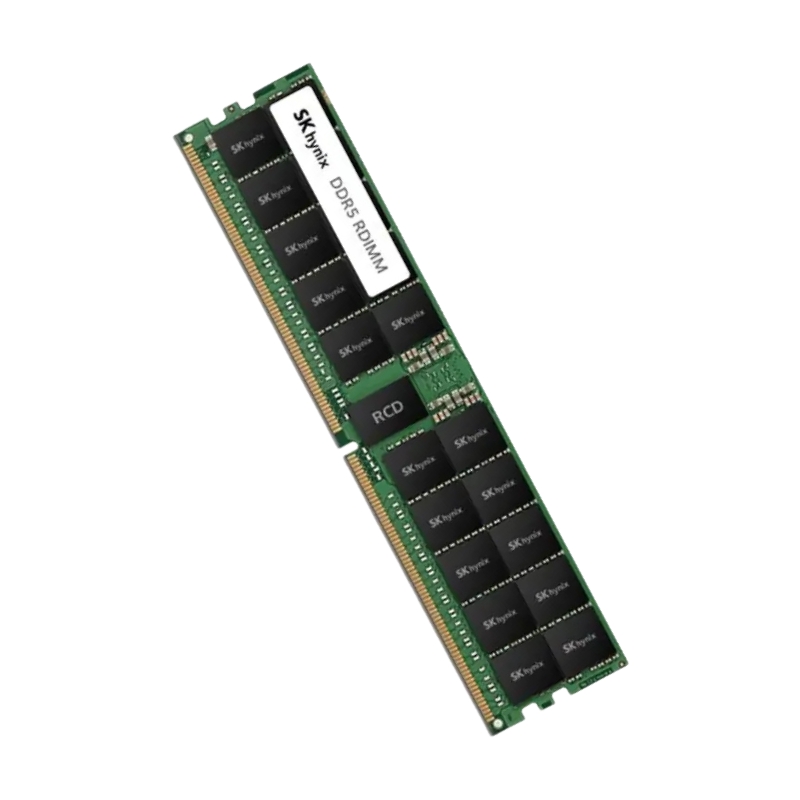
Hynix HMCG88BHBRA285N 32GB PC5-51200 DDR5-6400MHz ECC CL46 288-Pin DIMM 1.1V Dual Rank Registered Memory Module. New (System) Pull with 1 year Replacement Warranty
The Hynix HMCG88BHBRA285N is a high-performance 32GB DDR5 SDRAM module engineered for enterprise-grade servers and workstations. With advanced ECC error correction and dual-rank architecture, it ensures stability, speed, and reliability for demanding computing environments.
The Hynix HMCG88BHBRA285N 32GB PC5-51200 DDR5-6400MHz ECC CL46 288-Pin DIMM 1.1V Dual Rank Registered Memory Module belongs to a specialized category of enterprise-grade memory solutions designed for data-intensive computing environments. This category focuses on DDR5 ECC registered DIMMs engineered to meet the stringent requirements of modern servers, workstations, and mission-critical infrastructure. As computing workloads continue to evolve toward higher bandwidth, lower latency tolerance, and increased reliability demands, memory modules in this class are purpose-built to support next-generation processors and chipsets.
DDR5 registered memory modules are commonly deployed in servers that prioritize stability, scalability, and sustained performance under continuous workloads. The presence of error-correcting code functionality, combined with a registered architecture, distinguishes this category from consumer-oriented memory solutions. These modules are optimized to deliver predictable behavior in multi-socket server configurations, dense memory installations, and virtualized environments where uptime and data integrity are essential.
The DDR5 memory generation represents a significant advancement over DDR4, introducing architectural improvements that directly impact throughput and efficiency. Modules such as the Hynix HMCG88BHBRA285N operate at DDR5-6400MHz, delivering substantially higher bandwidth compared to previous generations. This enhanced data rate supports modern CPUs that rely on fast memory access to maximize core utilization, particularly in workloads such as in-memory databases, analytics engines, and virtualization platforms.
DDR5 memory introduces independent subchannel architecture within each DIMM, allowing for improved parallelism and reduced access contention. This design enhances effective bandwidth utilization in server environments where multiple threads and processes compete for memory access. The PC5-51200 rating reflects the theoretical maximum data transfer capability, positioning this category as a performance-focused solution for enterprise workloads that demand high-speed data movement.
Latency remains an important consideration in server memory selection, and the CL46 timing specification reflects the balance between high frequency operation and stable access behavior. While higher clock speeds can introduce increased latency values, the overall performance benefit of DDR5-6400MHz memory often outweighs the impact in real-world server applications. In this category, memory modules are validated to operate consistently at their rated timings, ensuring predictable response under sustained load.
Enterprise workloads often prioritize throughput and reliability over ultra-low latency, making CL46 an appropriate timing profile for registered DDR5 modules. This timing configuration aligns with server CPU memory controllers optimized for DDR5 performance characteristics, allowing systems to maintain stable operation across large memory capacities.
Error correction code functionality is a defining feature of this memory category. ECC memory modules continuously monitor and correct single-bit memory errors while detecting multi-bit errors, reducing the risk of data corruption in long-running applications. The Hynix HMCG88BHBRA285N integrates ECC at the hardware level, making it suitable for enterprise systems where data accuracy is non-negotiable.
ECC registered memory is especially relevant in environments such as financial services, healthcare systems, scientific research platforms, and cloud infrastructure. In these contexts, even minor data inconsistencies can lead to significant operational issues. Memory modules in this category are designed to mitigate such risks by providing an additional layer of protection against transient memory faults.
The registered DIMM architecture includes a register, also known as a buffer, between the memory controller and the DRAM chips. This register reduces the electrical load on the memory controller, allowing servers to support larger memory capacities and more populated DIMM slots without compromising stability. This design is essential in multi-channel, multi-DIMM server configurations where signal integrity becomes increasingly challenging.
By buffering command and address signals, registered DDR5 modules enhance overall system scalability. This makes the category well-suited for enterprise platforms that require high memory density, such as virtualization hosts, enterprise resource planning systems, and large-scale database servers.
The 32GB capacity of the Hynix HMCG88BHBRA285N positions it within a versatile segment of the enterprise memory market. This capacity strikes a balance between density and cost-efficiency, making it suitable for a wide range of server configurations. Dual rank design further enhances performance by allowing the memory controller to interleave access between ranks, improving effective bandwidth utilization.
Dual rank memory modules can deliver improved performance in certain workloads by enabling better utilization of the memory bus. In server environments where memory access patterns are complex and multi-threaded, this characteristic can contribute to smoother performance and reduced bottlenecks.
Servers designed for enterprise deployment often feature multiple memory channels and support numerous DIMM slots per socket. Memory modules in this category are engineered to scale efficiently within such architectures. The combination of registered design, ECC protection, and dual rank configuration ensures that systems can be expanded without compromising reliability.
Scalability is a critical factor for organizations planning long-term infrastructure growth. By selecting memory modules that align with server platform specifications, administrators can expand capacity incrementally while maintaining consistent performance characteristics across the system lifecycle.
Power efficiency is an increasingly important consideration in data center operations, where energy consumption directly impacts operational costs. DDR5 memory modules operate at a lower voltage compared to DDR4, with the Hynix HMCG88BHBRA285N rated at 1.1V. This reduced operating voltage contributes to lower power draw and decreased heat generation.
Lower voltage operation not only improves energy efficiency but also supports higher memory densities by reducing thermal stress on system components. In densely populated server racks, efficient memory modules help maintain optimal operating temperatures and reduce the burden on cooling infrastructure.
DDR5 introduces on-DIMM power management, shifting voltage regulation from the motherboard to the memory module itself. This architectural change allows for more precise power delivery and improved stability. Memory modules in this category leverage these advancements to provide consistent performance across varying workload conditions.
On-module power management enhances reliability by minimizing voltage fluctuations and improving overall system resilience. This feature is particularly valuable in enterprise environments where systems operate continuously and are subject to fluctuating load demands.
The 288-pin DIMM form factor is standard for DDR5 memory modules, ensuring compatibility with contemporary server motherboards and processor platforms. This category is designed to integrate seamlessly with servers based on the latest CPU architectures that support DDR5 registered memory. Compatibility extends to a wide range of enterprise-grade chipsets optimized for high-speed memory access.
Proper mechanical and electrical compatibility is essential for reliable operation in server environments. Memory modules in this category are manufactured to strict tolerances, ensuring secure seating in DIMM slots and stable electrical connections under continuous operation.


 Contact Us
 Information
 Catalog
 Solid State Drives (SSD)
 Network Switches
 Hard Disk Drives
 HBA & Controllers
 PC & Servers
 PC & Server Memory
 CPU & Processors
 Network Routers
 Power Supplies
 Tape Drives & Libraries
 Network Devices
 Computer & Network Cables