(7% discount is applied at checkout)
Cart is empty
Your go-to destination for cutting-edge server products
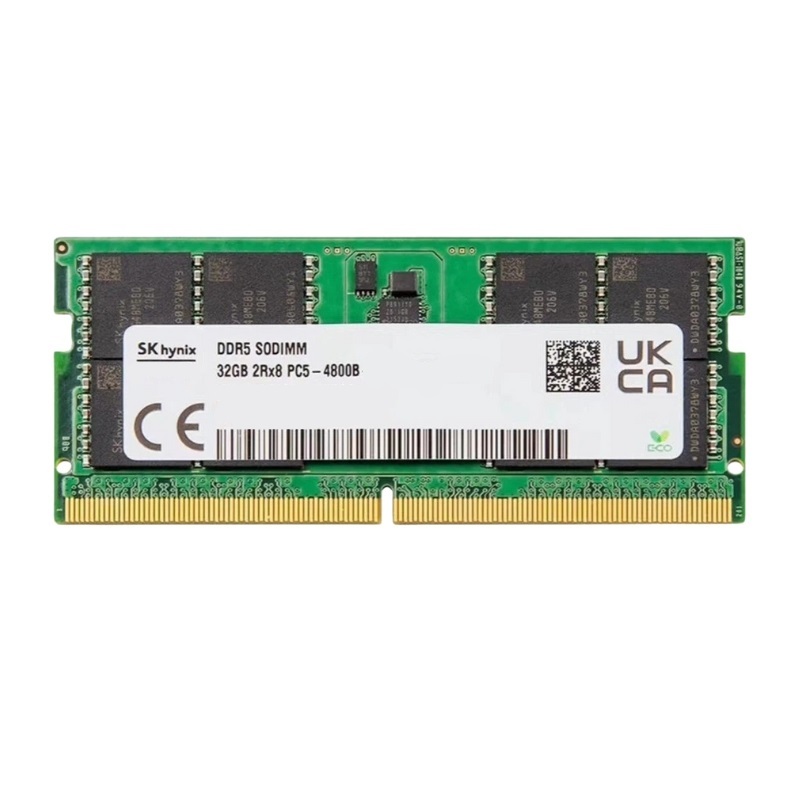


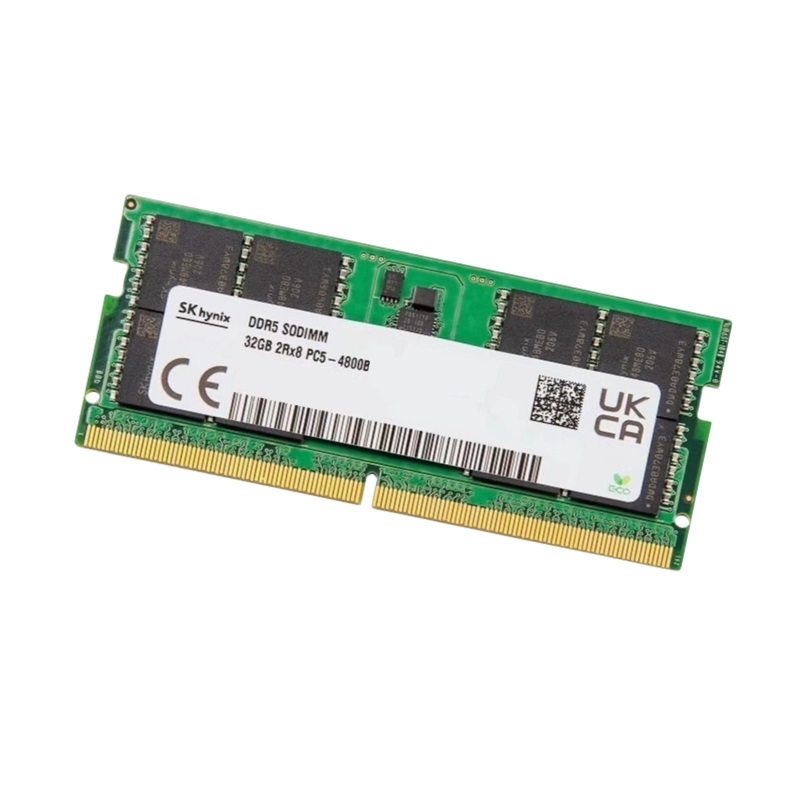
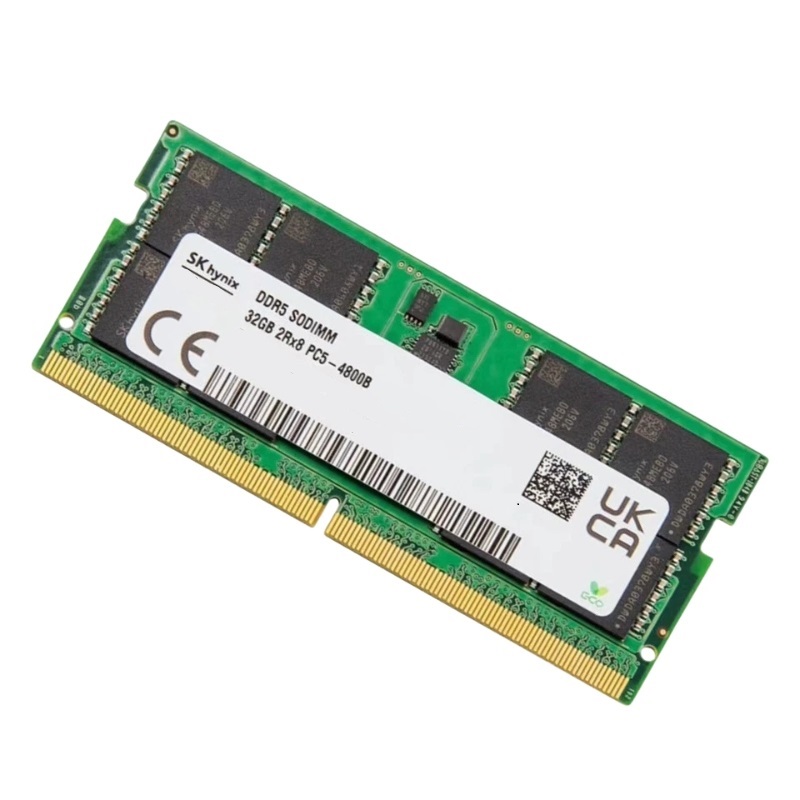
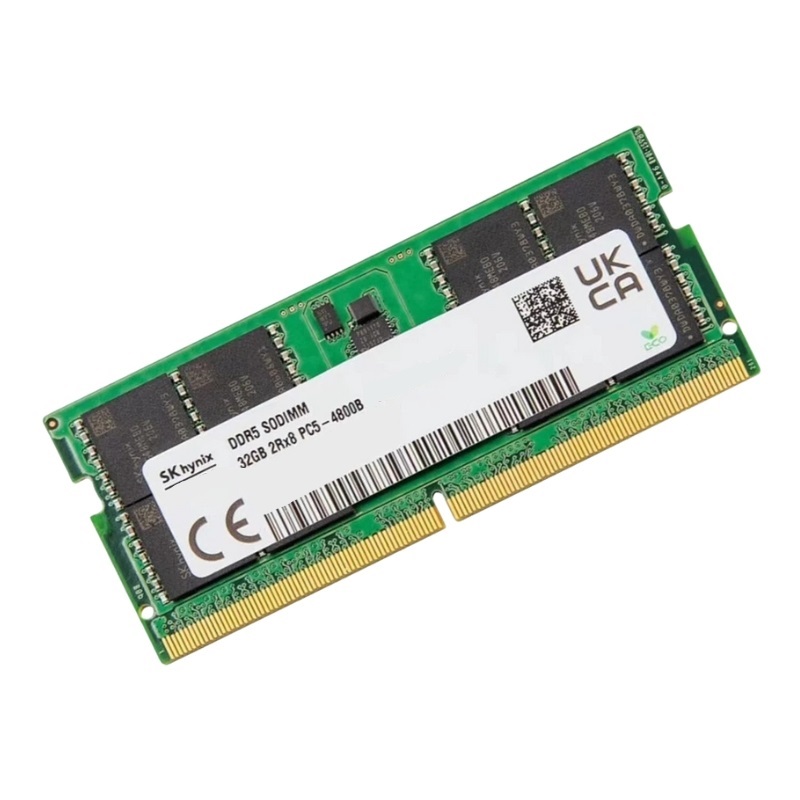
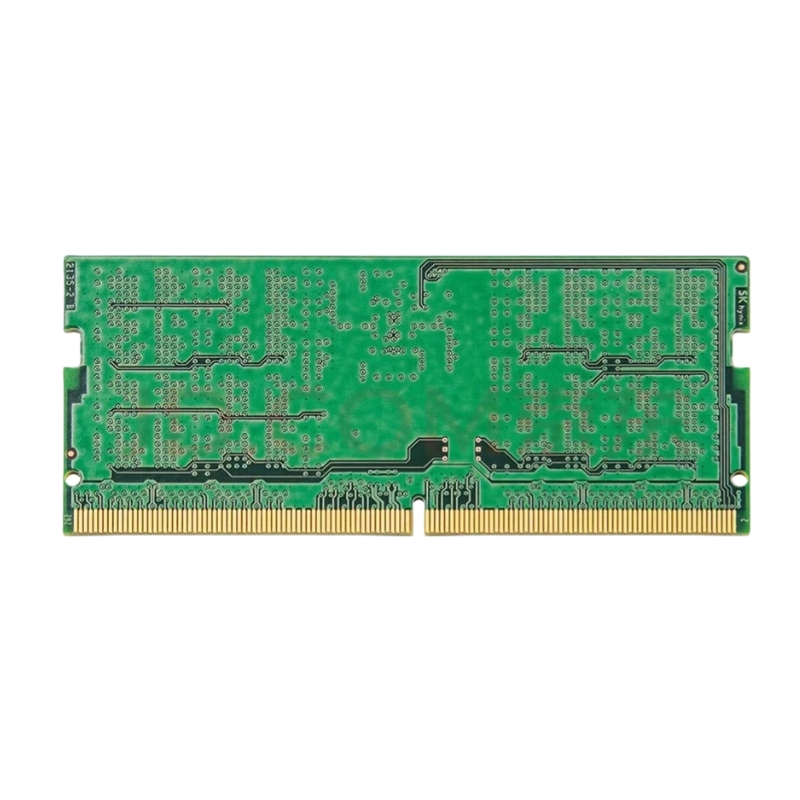
Hynix HMCG88MEBAA095N 32GB PC5-38400 DDR5 4800MHz ECC 2rx8 262pins SODIMM Memory Module. New Sealed with 1 year Replacement Warranty
The Hynix HMCG88MEBAA095N is a high-performance memory solution designed for reliability and speed. This 32GB PC5-38400 DDR5 4800MHz ECC 2rx8 262-pin Sodimm module ensures stability and efficiency for advanced computing environments.
The category encompassing high-capacity DDR5 SODIMM memory modules designed for professional and enterprise mobile computing environments represents a significant evolution in system memory technology. Modules such as a 32GB PC5-38400 DDR5 4800MHz ECC 2rx8 262-pin SODIMM are purpose-built to support modern workloads that demand higher bandwidth, improved efficiency, and advanced reliability features. This category is aligned with next-generation laptops, mobile workstations, compact servers, and embedded systems where space constraints and performance expectations converge.
DDR5 SODIMM memory introduces architectural changes that distinguish it from previous DDR4 generations, including higher base frequencies, improved channel efficiency, and integrated power management capabilities. The category is defined by its ability to deliver consistent performance under sustained workloads while maintaining thermal stability in compact form factors. These characteristics make it particularly suitable for professional environments such as virtualization, data analysis, engineering simulation, content creation, and enterprise-grade mobile computing.
DDR5 memory technology marks a fundamental shift in how memory bandwidth and efficiency are delivered to modern processors. Operating at a base speed of 4800MHz in the PC5-38400 specification, this category provides a substantial increase in data throughput compared to DDR4 SODIMM modules. The increased frequency allows processors to access data more rapidly, reducing latency in memory-intensive tasks and enabling smoother multitasking in demanding environments.
One of the defining architectural changes in DDR5 memory is the introduction of dual independent 32-bit channels per module. This design enhances parallelism and improves effective bandwidth utilization, especially in systems with multiple cores and threads. In mobile workstations and compact servers, this architectural improvement directly translates into more responsive performance during concurrent operations such as compiling code, running virtual machines, or processing large datasets.
DDR5 SODIMM memory modules in this category integrate on-module power management circuitry, shifting voltage regulation from the motherboard to the memory itself. This change allows for finer-grained control of power delivery, resulting in improved energy efficiency and more stable operation under varying loads. Operating at a lower nominal voltage compared to previous generations, DDR5 memory reduces overall system power consumption, which is especially valuable in mobile and embedded environments.
The integrated power management also contributes to improved signal integrity and reduced electrical noise, enhancing overall system stability. In professional applications where reliability is critical, these efficiency gains help maintain consistent performance over extended periods of operation.
The inclusion of Error Correction Code functionality defines a critical subcategory within DDR5 SODIMM memory. ECC support enables the detection and correction of single-bit memory errors, significantly reducing the risk of data corruption and system crashes. In environments where data accuracy and uptime are paramount, such as enterprise IT, scientific research, and financial analysis, ECC memory is an essential requirement.
This category of ECC-enabled DDR5 SODIMM modules is designed to work with compatible processors and chipsets that support error correction. When properly configured, ECC memory continuously monitors data integrity, providing an additional layer of protection against transient errors caused by electrical interference or cosmic radiation. The result is a more resilient computing platform capable of handling mission-critical workloads.
While ECC memory has traditionally been associated with servers, its adoption in mobile workstations and compact systems reflects the growing demand for reliability in portable professional devices. Engineers, developers, and researchers increasingly rely on mobile systems for tasks that were once confined to data centers. ECC DDR5 SODIMM memory ensures that these systems can deliver dependable performance without compromising data integrity.
In long-running computational tasks or applications involving large memory footprints, the ability to correct memory errors in real time helps prevent subtle data inconsistencies that could otherwise lead to inaccurate results or application failures.
The 32GB capacity offered by this category of DDR5 SODIMM memory modules addresses the growing memory demands of modern software and operating systems. As applications become more complex and data-driven, higher memory capacities are essential for maintaining smooth performance. A single 32GB module allows systems to scale memory capacity efficiently while preserving available slots for future expansion.
High-capacity memory is particularly valuable in scenarios involving virtualization, where multiple virtual machines share system resources, or in content creation workflows that involve large media files and real-time rendering. The ability to load and manipulate large datasets in memory reduces reliance on slower storage devices, resulting in faster processing and improved productivity.
The dual-rank 2Rx8 configuration used in this category enhances memory performance by allowing more memory banks to be accessed in parallel. Dual-rank designs can improve throughput in certain workloads by enabling the memory controller to interleave operations across ranks. This characteristic is beneficial in multi-threaded applications and workloads that frequently access large blocks of memory.
The 2Rx8 organization also contributes to compatibility with a wide range of professional systems that are optimized for dual-rank memory configurations. When paired with compatible platforms, this design helps achieve balanced performance and stability.
Thermal management is a crucial consideration in compact systems where airflow may be limited. This category of DDR5 SODIMM memory is engineered to operate efficiently within specified thermal envelopes, ensuring stable performance even under sustained load. Advanced manufacturing processes and high-quality components contribute to consistent thermal behavior.
Maintaining thermal stability helps prevent performance throttling and extends the operational lifespan of the memory module. In professional environments where systems may run continuously, reliable thermal characteristics are essential.
DDR5 SODIMM memory modules in this category are designed to be compatible with the latest generation of processors and chipsets that support DDR5 and ECC functionality. Compatibility considerations include memory speed support, voltage requirements, and ECC enablement at the platform level. When installed in supported systems, these modules integrate seamlessly to deliver optimal performance.
Mobile workstations and compact servers built on modern architectures benefit from the increased bandwidth and efficiency of DDR5 memory. This category supports a wide range of professional platforms used in engineering, development, and enterprise IT environments.
The PC5-38400 specification denotes a theoretical bandwidth that significantly exceeds previous SODIMM memory generations. In real-world applications, this increased bandwidth translates into faster data access and improved responsiveness. Applications that rely heavily on memory throughput, such as simulation software and data analytics tools, benefit directly from these performance gains.
Latency optimizations in DDR5 memory further enhance performance, particularly in scenarios involving frequent memory access. Combined with higher frequencies and dual-channel architecture, this category delivers a balanced performance profile suitable for a wide range of professional tasks.


 Contact Us
 Information
 Catalog
 Solid State Drives (SSD)
 Network Switches
 Hard Disk Drives
 HBA & Controllers
 PC & Servers
 PC & Server Memory
 CPU & Processors
 Network Routers
 Power Supplies
 Tape Drives & Libraries
 Network Devices
 Computer & Network Cables