(7% discount is applied at checkout)
Cart is empty
Your go-to destination for cutting-edge server products
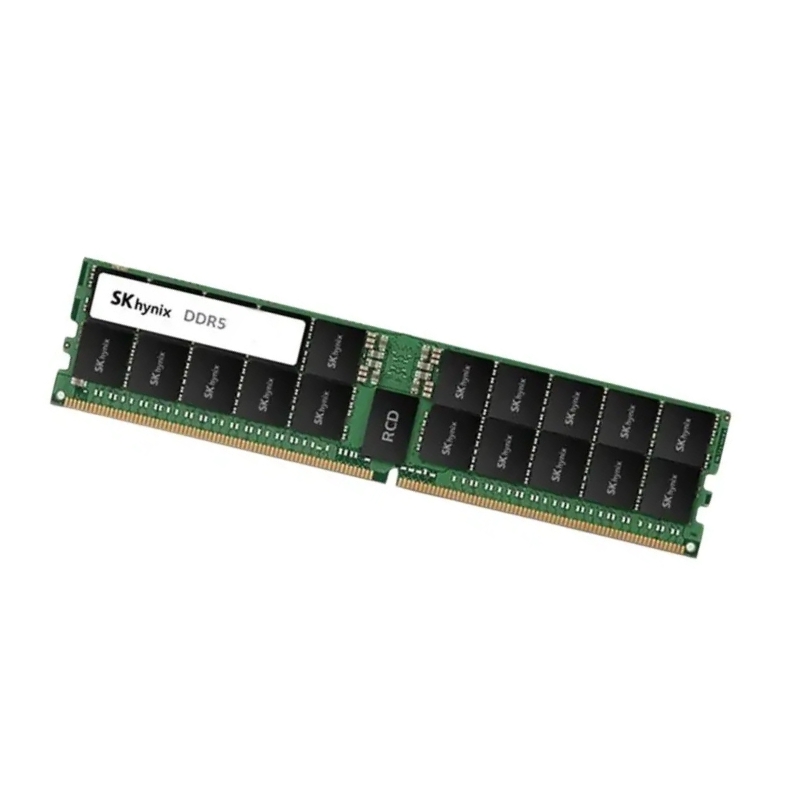


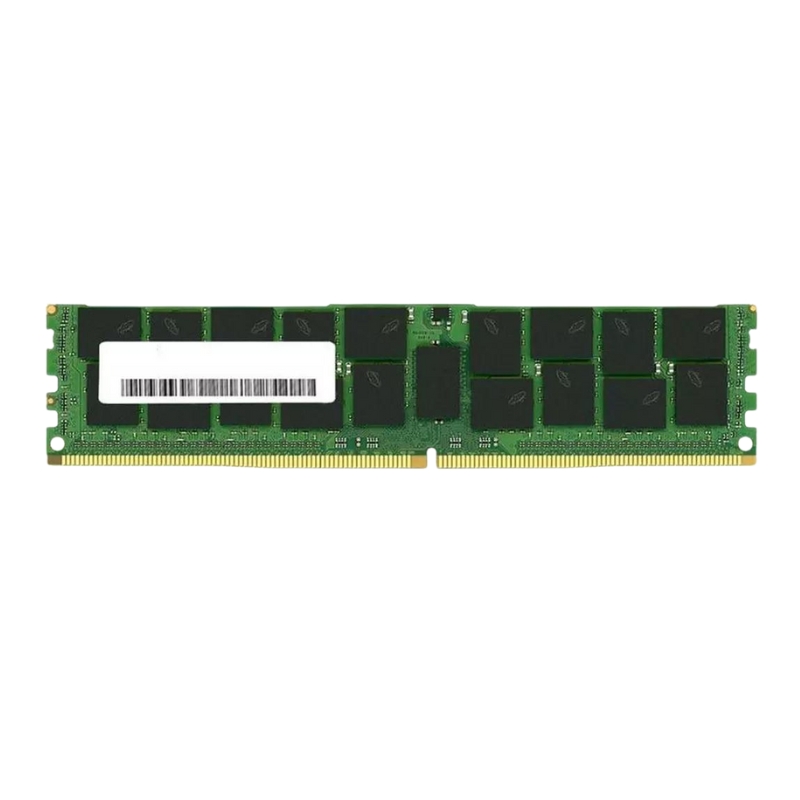
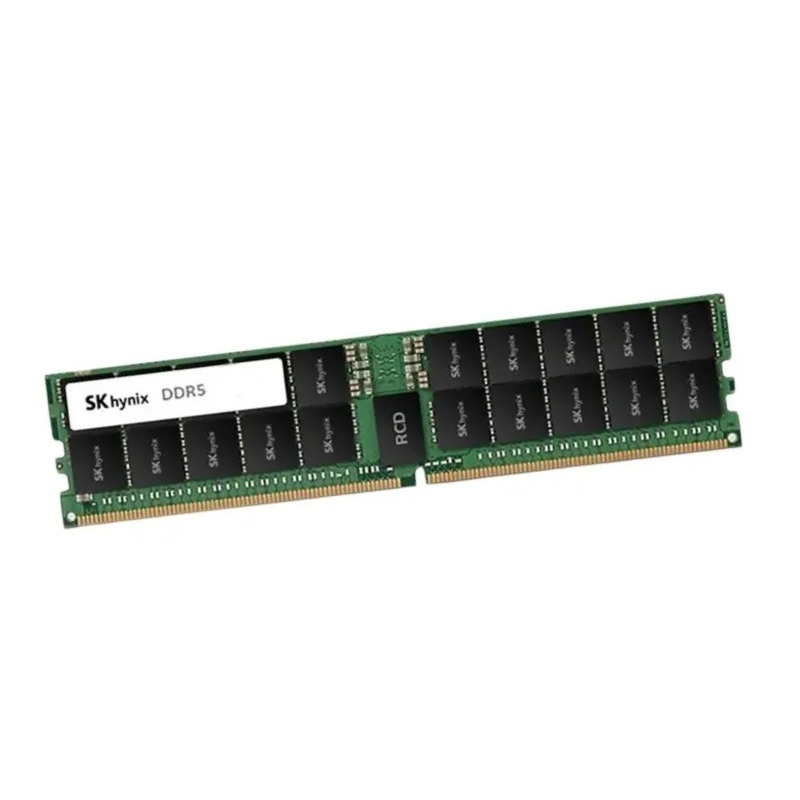
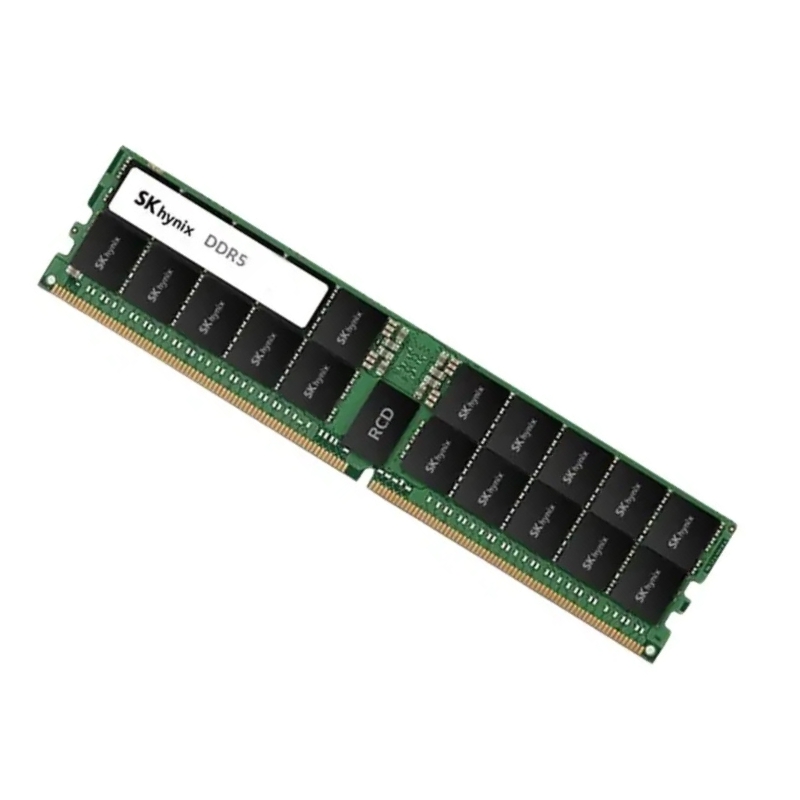
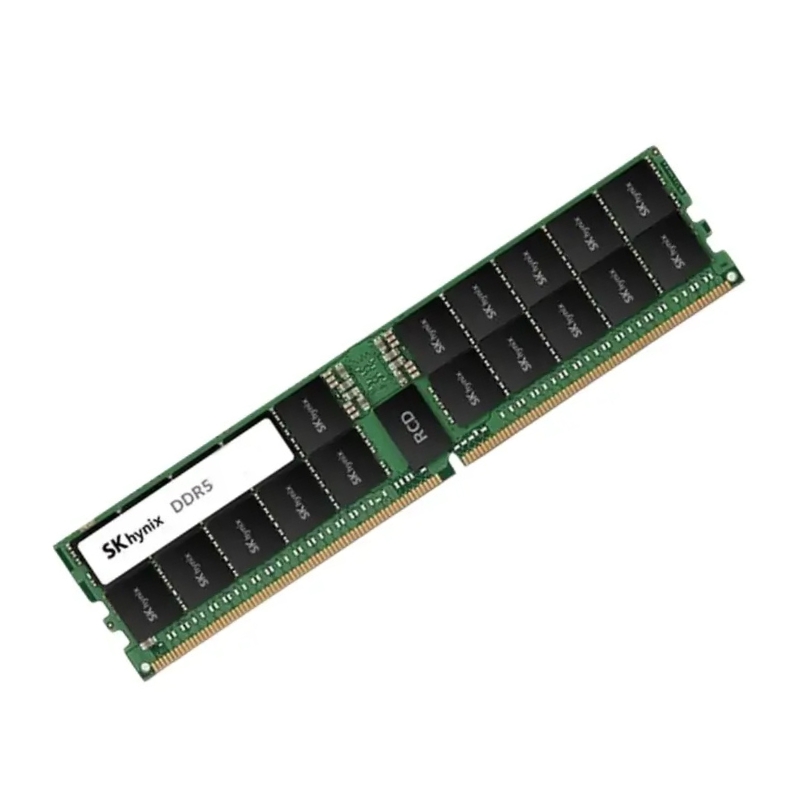
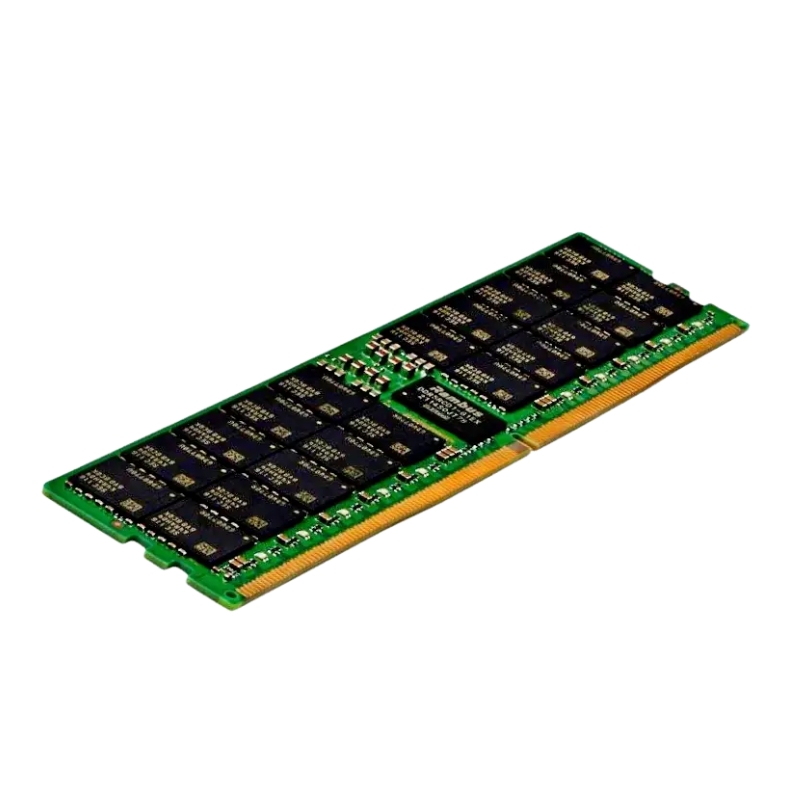
Hynix HMCG94AEBRA112N 64GB DDR5-4800MHz RDIMM PC5-38400 2Rx4 ECC Registered Memory Module. New Sealed in Box (NIB) with 3 years Replacement Warranty
The category encompassing enterprise-grade DDR5 registered memory modules represents a significant evolution in server and data center memory technology, focusing on scalability, reliability, and sustained performance under demanding workloads. Products such as the Hynix HMCG94AEBQA121N 64GB PC5-38400 DDR5 4800MHz RDIMM 2RX4 ECC Registered 1.1v CL40 Memory Module are positioned within this category to address the needs of modern computing infrastructures that rely on high-capacity, high-bandwidth memory subsystems. This category is defined by its adherence to stringent standards for signal integrity, error correction, thermal stability, and platform compatibility, making it essential for mission-critical environments.
DDR5 registered memory modules are engineered to support multi-core processors, high-density virtualization, in-memory databases, and data-intensive analytics. The transition from earlier DDR generations introduces higher per-module capacities, improved power efficiency, and enhanced reliability features. Within this category, the emphasis is on consistent performance across prolonged operational cycles, ensuring that systems maintain predictable latency and throughput even as workloads scale.
DDR5 technology marks a substantial advancement over DDR4 by delivering increased memory bandwidth and improved efficiency per watt. In the registered DIMM category, these advancements are amplified through the inclusion of a register clock driver that buffers command and address signals between the memory controller and the DRAM devices. This architectural approach reduces electrical load on the memory controller, enabling support for higher capacities and more populated memory channels without sacrificing stability.
The PC5-38400 specification associated with 4800MHz operation reflects the data transfer capabilities inherent to DDR5 modules in this category. Such bandwidth improvements directly benefit applications that depend on rapid data movement, including large-scale simulations, high-performance computing, and enterprise virtualization platforms. The category’s focus on DDR5 RDIMM solutions ensures compatibility with next-generation server platforms designed to leverage these improvements.
One defining characteristic of DDR5 registered memory modules is the architectural shift to dual independent 32-bit subchannels within each DIMM. This design enhances parallelism and reduces latency by allowing more efficient access patterns. Within this category, memory modules like the Hynix 64GB RDIMM exemplify how increased channel efficiency translates into measurable performance gains for multi-threaded workloads.
The higher effective data rates associated with 4800MHz operation provide ample headroom for processors with numerous cores competing for memory access. This ensures that server environments can scale compute resources without encountering memory bottlenecks that would otherwise limit overall system performance.
Another hallmark of the DDR5 RDIMM category is improved power efficiency, achieved in part through a reduced operating voltage of 1.1v. This reduction contributes to lower overall system power consumption, which is critical in data center environments where energy efficiency directly impacts operational costs. Modules within this category incorporate on-DIMM power management integrated circuits, enabling more precise voltage regulation and improved power delivery stability.
The emphasis on efficient power usage does not come at the expense of performance. Instead, it allows systems to maintain high memory frequencies while managing thermal output effectively. This balance is essential for densely populated server racks and blade systems where thermal constraints are a constant consideration.
Error Correcting Code memory is a foundational element of the enterprise memory category, providing protection against data corruption caused by transient faults or electrical interference. The inclusion of ECC functionality in registered DIMMs ensures that single-bit errors are corrected automatically and multi-bit errors are detected, preserving data integrity across long-running processes.
In environments where data accuracy is paramount, such as financial systems, scientific research, and enterprise databases, ECC registered memory modules play a critical role. The category’s focus on ECC is a response to the increasing density of memory devices and the corresponding rise in the potential for soft errors. By integrating ECC at the hardware level, these modules contribute to overall system resilience.
The 2RX4 configuration commonly found in this category denotes a dual-rank layout with x4 DRAM devices. This organization enhances fault tolerance and performance by distributing data access across multiple ranks. In the context of ECC registered memory, the x4 device width allows for more robust error detection and correction compared to x8 configurations.
Dual-rank memory modules also enable improved interleaving, which can enhance memory throughput and reduce access latency. This characteristic aligns with the category’s emphasis on delivering consistent performance under concurrent workloads, making such modules suitable for enterprise servers with high memory utilization.
Registered DIMMs incorporate a register clock driver that re-drives address and command signals, improving signal integrity across the memory bus. This feature is particularly important in systems with multiple DIMMs per channel, where signal degradation could otherwise limit achievable frequencies or cause instability.
The category’s reliance on registered designs ensures that memory subsystems can scale in capacity without compromising reliability. This makes DDR5 RDIMM solutions a preferred choice for server architectures that require large memory footprints to support virtualization and in-memory computing.
High-capacity memory modules are a defining feature of this category, with 64GB RDIMMs offering a balance between density and flexibility. Such capacity enables system architects to build servers with substantial total memory while maintaining optimal channel population. The availability of 64GB modules allows for scalable configurations that can grow alongside application demands.
In enterprise environments, memory capacity directly influences the ability to host virtual machines, process large datasets, and maintain high cache hit rates. The category’s focus on high-capacity DDR5 RDIMMs supports these objectives by providing reliable building blocks for memory-intensive systems.
Within virtualization and cloud computing contexts, memory density is a critical factor in determining consolidation ratios and overall resource efficiency. DDR5 registered memory modules in the 64GB range enable higher virtual machine counts per host without sacrificing performance. This capability aligns with the category’s role in supporting private and hybrid cloud deployments.
As cloud platforms continue to evolve, the need for predictable memory performance becomes increasingly important. The registered memory category addresses this requirement by delivering consistent latency and bandwidth characteristics, even under heavy virtualization loads.
Large-scale databases and in-memory analytics platforms benefit significantly from high-capacity, high-bandwidth memory. The DDR5 RDIMM category is tailored to these applications, offering the throughput necessary to process complex queries and the capacity required to store extensive datasets in memory.
By reducing reliance on slower storage tiers, memory modules in this category contribute to faster data access and improved application responsiveness. This is particularly valuable for real-time analytics and transactional systems that demand low-latency data processing.
Registered DDR5 memory modules are engineered to meet the specifications of modern server platforms, ensuring compatibility with leading processor architectures and chipset designs. The category’s emphasis on standards compliance simplifies integration and reduces the risk of interoperability issues. This is particularly important for enterprise environments that rely on validated hardware configurations.
Server manufacturers and system integrators often certify specific memory modules for use with their platforms. The DDR5 RDIMM category aligns with these validation processes, providing confidence that memory components will perform as expected within supported systems.
Multi-socket server architectures place significant demands on the memory subsystem, requiring consistent performance across multiple memory channels and controllers. DDR5 registered memory modules are well-suited to these environments, offering the signal integrity and capacity necessary to support large, complex configurations.
The ability to scale memory capacity without compromising stability is a defining characteristic of this category. This scalability enables organizations to deploy systems that can handle growing workloads without frequent hardware upgrades.


 Contact Us
 Information
 Catalog
 Solid State Drives (SSD)
 Network Switches
 Hard Disk Drives
 HBA & Controllers
 PC & Servers
 PC & Server Memory
 CPU & Processors
 Network Routers
 Power Supplies
 Tape Drives & Libraries
 Network Devices
 Computer & Network Cables