(7% discount is applied at checkout)
Cart is empty
Your go-to destination for cutting-edge server products
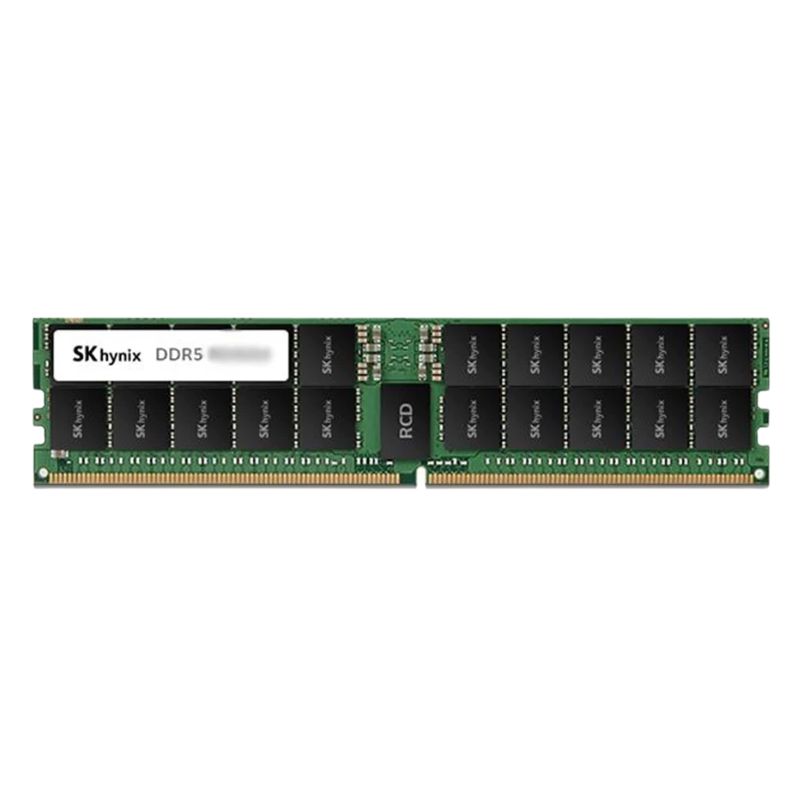


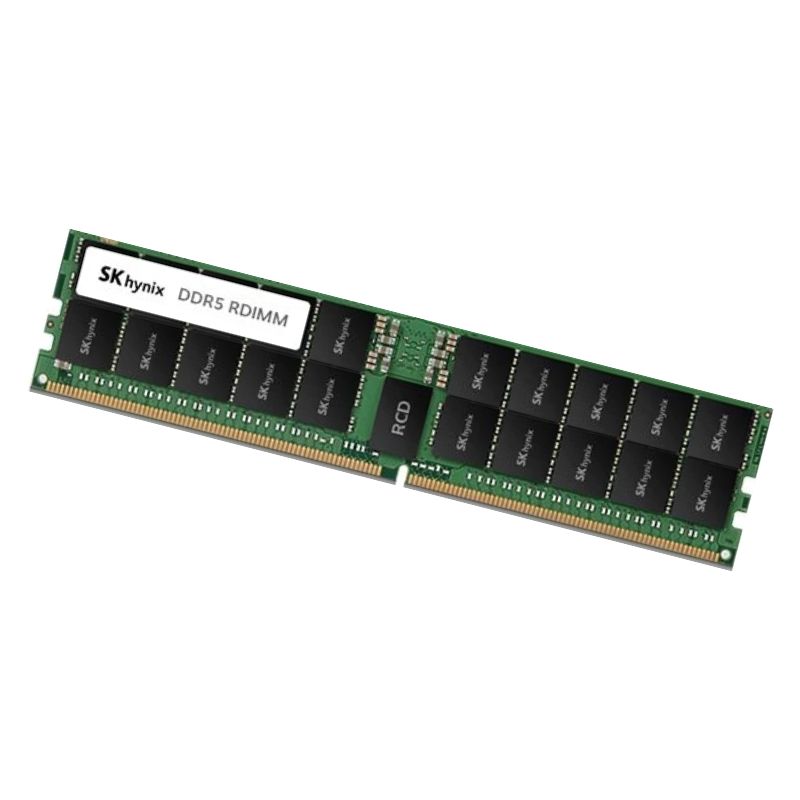
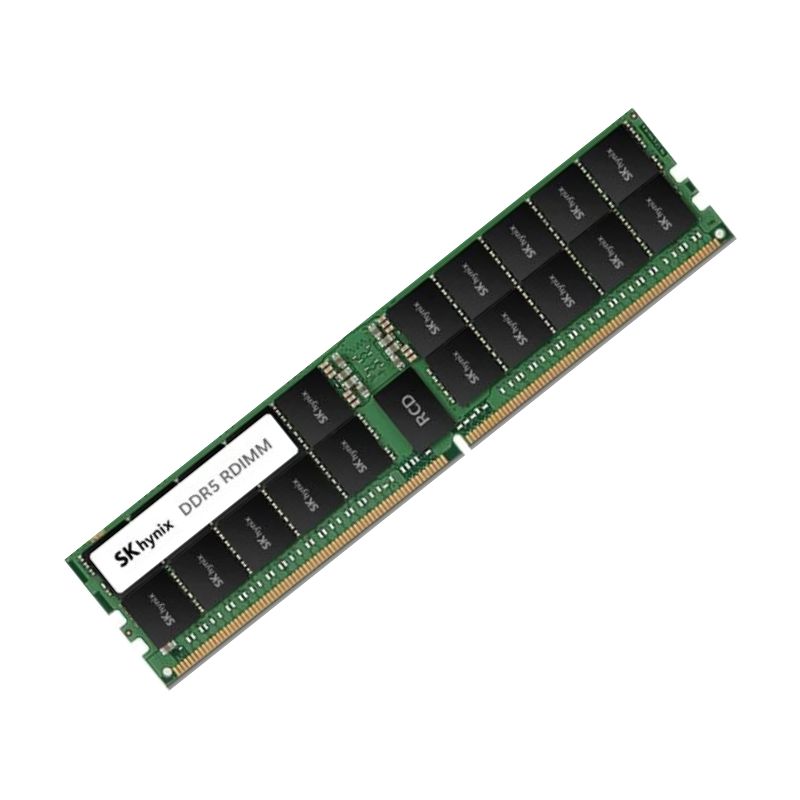
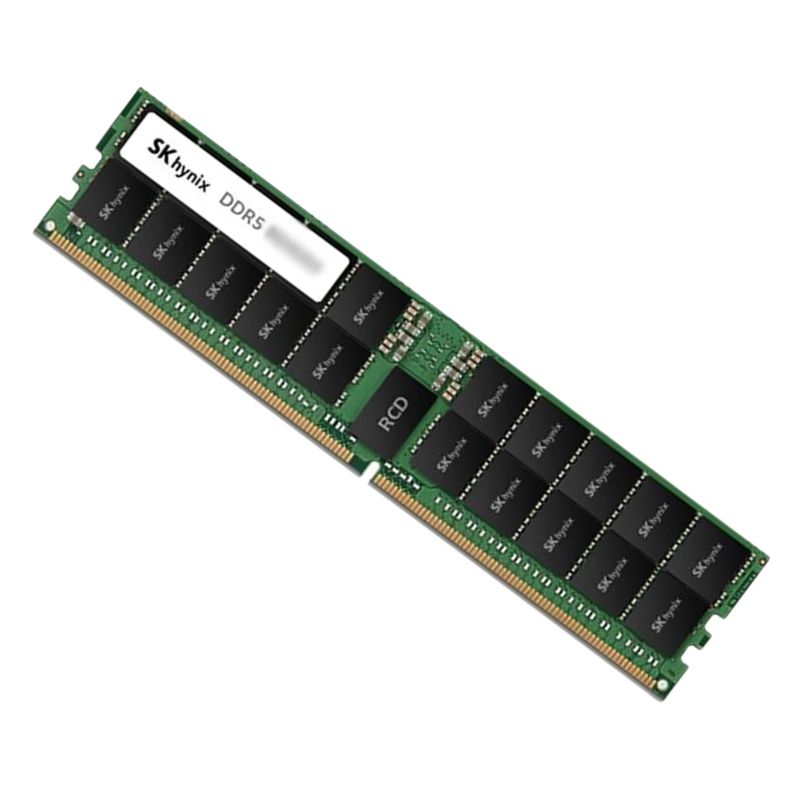
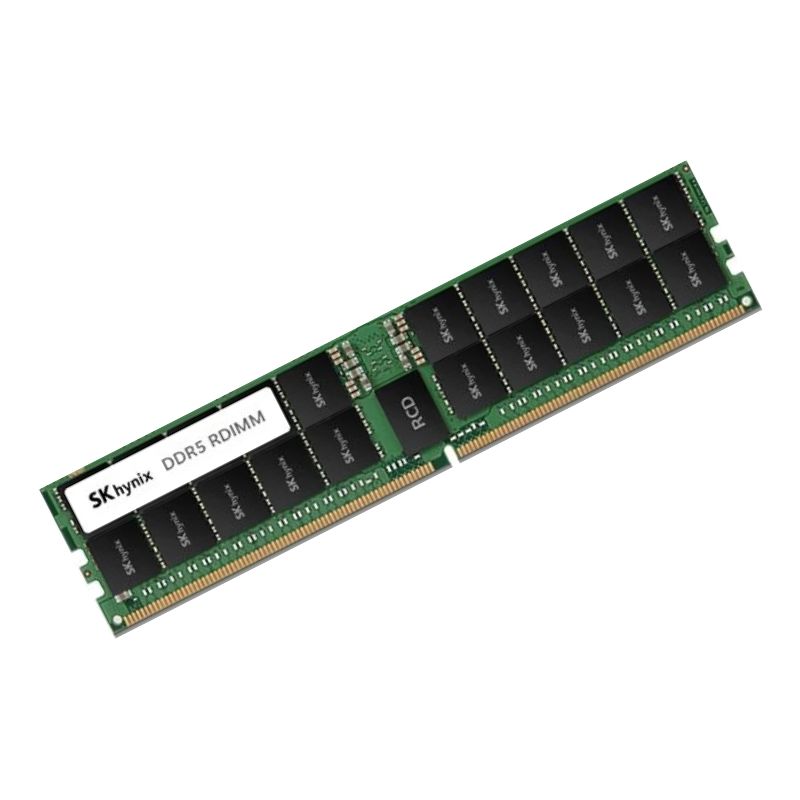
Hynix HMCGM4MHBRB505N 96GB (1x96GB) DDR5 6400MHz PC5-51200 2rx4 ECC Registered 1.1v Cl46 Sdram 288-pin RDIMM Memory. New Sealed in Box (NIB) with 3 Years Warranty
| SKU/MPN | Warranty | Price | Condition | You save |
|---|---|---|---|---|
| HMCGM4MHBRB505N | 1 Year Warranty | $4,656.00 | New (System) Pull | You save: $1,629.60 (26%) |
| HMCGM4MHBRB505N | 1 Year Warranty | $8,399.00 | New Sealed in Box (NIB) | You save: $2,939.65 (26%) |
The Hynix HMCGM4MHBRB505N is engineered for enterprise-grade servers that demand exceptional bandwidth, stability, and scalability. Designed with next-generation DDR5 architecture, this memory module supports data-intensive workloads and virtualization environments.
This single-module solution delivers substantial memory density, making it suitable for modern servers that require fewer slots while maintaining high capacity.
Optimized for high-throughput computing, this RDIMM operates at elevated transfer rates to reduce latency and improve overall system responsiveness.
To ensure reliable operation in mission-critical environments, the module integrates robust signal processing and error correction features.
Built on a low-voltage DDR5 platform, this memory module enhances energy efficiency while maintaining peak performance.
This memory module is tested for compatibility with select Dell enterprise servers to ensure seamless integration and dependable performance.
The Hynix HMCGM4MHBRB505N 96GB DDR5 RDIMM memory module belongs to a specialized category of enterprise-grade server memory engineered to meet the growing demands of modern data centers, cloud infrastructure, artificial intelligence workloads, virtualization platforms, and mission-critical enterprise applications. This category represents the evolution of registered dual in-line memory modules built on the DDR5 standard, delivering significantly higher bandwidth, increased memory density, and enhanced power efficiency compared to previous DDR4-based solutions. Designed specifically for servers and workstations that require absolute reliability and scalability, DDR5 ECC registered memory modules play a foundational role in ensuring consistent performance under sustained workloads.
As enterprise computing environments continue to scale vertically and horizontally, memory capacity and throughput have become primary limiting factors. The introduction of 96GB single-module capacities allows system architects to populate servers with massive memory pools while reducing slot utilization and simplifying memory channel balancing. The DDR5 6400MHz speed rating places this memory category at the forefront of high-frequency server memory, enabling processors to access data at unprecedented speeds while maintaining data integrity through advanced error correction mechanisms.
The transition from DDR4 to DDR5 memory technology represents a substantial architectural shift rather than a simple incremental upgrade. DDR5 RDIMM modules are designed with dual independent 32-bit memory channels per module instead of the single 64-bit channel used in DDR4. This structural change improves memory access efficiency, reduces latency bottlenecks, and enhances parallelism across modern multi-core server CPUs. The Hynix HMCGM4MHBRB505N module exemplifies this advancement by delivering PC5-51200 bandwidth, supporting data-intensive workloads that rely on continuous memory access.
Another defining characteristic of DDR5 memory modules in this category is the relocation of power management from the motherboard to the module itself. Integrated power management integrated circuits regulate voltage directly on the RDIMM, improving signal integrity and enabling finer control over power delivery. Operating at 1.1 volts, DDR5 memory consumes less power than DDR4 while delivering substantially higher performance, making it an ideal solution for energy-conscious data centers seeking to reduce operational costs without compromising computational capability.
High-capacity RDIMM modules such as the 96GB Hynix DDR5 memory are designed to address the increasing memory footprint requirements of modern server workloads. Virtualization platforms often host dozens or even hundreds of virtual machines on a single physical server, each requiring guaranteed memory allocation. Similarly, in-memory databases, analytics engines, and AI inference platforms rely on large contiguous memory pools to minimize disk I/O latency. This category of memory enables system designers to reach terabyte-level memory configurations using fewer modules, improving airflow, reducing power draw, and simplifying upgrade paths.
The 2Rx4 dual-rank configuration enhances memory performance by allowing the memory controller to interleave access across ranks, improving effective bandwidth utilization. This is particularly beneficial in multi-socket server architectures where balanced memory population is essential for achieving optimal NUMA performance. High-density RDIMMs also reduce the need for memory extenders or additional server nodes, allowing organizations to consolidate workloads more efficiently.
Error-correcting code registered memory is a defining requirement in enterprise server environments where data integrity is non-negotiable. ECC functionality detects and corrects single-bit memory errors in real time, preventing silent data corruption that could lead to application crashes, inaccurate analytics, or compromised databases. Registered memory further enhances reliability by buffering command and address signals, reducing electrical load on the memory controller and enabling stable operation at higher capacities and frequencies.
The DDR5 ECC RDIMM category is particularly critical in financial systems, healthcare platforms, telecommunications infrastructure, and scientific research environments where even minor data inconsistencies can have severe consequences. By integrating ECC and registered buffering with advanced DDR5 signaling technology, this memory category ensures that high-speed operation does not come at the expense of stability or correctness.
Operating at 6400MHz requires meticulous signal integrity engineering to ensure consistent performance under heavy load. DDR5 RDIMM modules incorporate improved PCB layouts, refined trace routing, and enhanced on-die termination techniques to maintain clean signal transmission at high frequencies. These improvements are essential for maintaining low error rates and ensuring long-term reliability in dense server configurations.
Thermal management is another critical consideration in high-capacity memory modules. The increased density of modern DRAM chips generates additional heat, particularly in memory-intensive workloads. This category of server memory is designed to operate within strict thermal envelopes, often leveraging optimized heat spreaders and airflow-aware module designs to maintain stable operating temperatures even in fully populated server chassis.
The DDR5 6400MHz speed class represents a significant leap forward in memory bandwidth, offering theoretical transfer rates of up to 51.2GB/s per module. This level of performance is essential for next-generation server CPUs with high core counts and wide memory interfaces. As processors continue to scale in parallelism, memory subsystems must keep pace to avoid performance bottlenecks. This category of memory is engineered to complement modern CPU architectures by delivering consistent high-speed access across all memory channels.
High-frequency DDR5 memory is particularly beneficial for workloads that exhibit random access patterns or require rapid data streaming. Applications such as real-time analytics, high-performance computing simulations, machine learning model training, and large-scale caching systems all benefit from increased memory bandwidth. The ability to sustain high throughput under continuous load makes this memory category suitable for enterprise environments where performance predictability is just as important as peak speed.
While frequency is a key performance metric, latency remains an important factor in overall system responsiveness. The CL46 timing specification reflects the balance between high clock speeds and stable operation at large capacities. In server environments, slightly higher CAS latency is often an acceptable trade-off for increased bandwidth and capacity, particularly when workloads are optimized for throughput rather than single-thread latency.
DDR5 memory modules in this category are validated to operate within strict timing tolerances across a wide range of temperatures and operating conditions. This ensures predictable performance in enterprise deployments where servers may operate continuously for extended periods. The combination of high frequency and controlled latency makes DDR5 6400 RDIMM memory a versatile solution for diverse workload profiles.
This category of DDR5 RDIMM memory is designed for compatibility with the latest generation of server processors and chipsets that support DDR5 technology. Leading enterprise CPU platforms from major vendors have introduced DDR5 support to unlock higher memory bandwidth and improved power efficiency. System integrators and IT administrators must ensure that memory modules are matched to supported speeds and capacities as defined by the server motherboard and processor specifications.
Registered DDR5 memory modules are not backward compatible with DDR4 slots, reflecting the fundamental architectural differences between the two standards. However, within DDR5-enabled platforms, these RDIMMs provide broad compatibility across enterprise-class motherboards, making them suitable for both new deployments and memory expansion projects.
Power consumption is a critical consideration in large-scale data centers where energy costs and thermal constraints directly impact operational budgets. DDR5 memory modules operate at a lower voltage of 1.1V compared to DDR4’s 1.2V, delivering meaningful power savings at scale. The integration of on-module power management further enhances efficiency by reducing voltage fluctuations and minimizing energy loss.
Lower power consumption translates not only to reduced electricity costs but also to decreased cooling requirements. As memory density increases, efficient power usage becomes essential for maintaining acceptable thermal profiles within server racks. This category of memory supports sustainability initiatives by enabling higher performance per watt, aligning with modern data center efficiency goals.
Enterprise server memory is expected to operate continuously under heavy load without degradation in performance or reliability. DDR5 RDIMM modules undergo extensive validation and stress testing to ensure they can withstand prolonged operation in demanding environments. This includes testing across temperature extremes, voltage variations, and sustained high-frequency operation.
The use of ECC, registered buffering, and high-quality DRAM components contributes to the long-term stability of this memory category. For organizations running mission-critical workloads, the reliability of memory subsystems is essential for maintaining service availability and meeting uptime commitments.
This category of high-capacity DDR5 RDIMM memory is widely deployed across a range of industry verticals. In cloud computing environments, it supports dense virtualization and container orchestration platforms. In enterprise IT, it enables large-scale ERP systems, CRM platforms, and database servers to operate efficiently. In research and engineering, it provides the memory bandwidth required for simulations, modeling, and data analysis.
Artificial intelligence and machine learning workloads also benefit significantly from high-capacity, high-bandwidth memory. Training large models and processing massive datasets requires rapid access to data, making DDR5 RDIMM memory an essential component in AI-optimized server configurations.
The 288-pin RDIMM form factor is the standardized physical interface for DDR5 registered memory modules, ensuring compatibility with enterprise server motherboards. The increased pin count compared to previous generations supports additional signaling, power delivery, and management functions required by DDR5 technology. This physical design enables higher data rates while maintaining electrical stability across the memory bus.
The form factor is optimized for installation in high-density server systems, allowing for efficient airflow and secure retention within memory slots. Precision manufacturing ensures consistent mechanical tolerances, reducing the risk of installation issues or signal degradation over time.
Memory modules in this category are manufactured under strict quality control processes to ensure consistent performance and reliability. High-grade DRAM chips are selected and tested to meet enterprise specifications, and each module undergoes validation to confirm compliance with JEDEC DDR5 standards. This rigorous approach minimizes variability and ensures predictable behavior across large deployments.
Long lifecycle support is another important characteristic of enterprise memory categories. Organizations rely on consistent part availability and compatibility for maintenance and expansion over time. DDR5 RDIMM modules from established manufacturers are designed to support extended deployment cycles common in enterprise IT environments.
Investing in high-capacity DDR5 RDIMM memory is a strategic decision for organizations planning for future growth. As software applications continue to demand more memory and higher bandwidth, DDR5 provides a scalable foundation that can accommodate evolving requirements. The ability to deploy 96GB modules allows for incremental upgrades without replacing entire memory arrays, protecting existing investments.
This category of memory aligns with the roadmap of next-generation server platforms, ensuring compatibility with upcoming processor releases and system architectures. By adopting DDR5 RDIMM memory, enterprises position themselves to take advantage of future performance enhancements while maintaining stability and reliability.
In modern data centers, memory is no longer a secondary consideration but a central component of overall system performance. DDR5 RDIMM memory modules enable higher consolidation ratios, improved application responsiveness, and more efficient use of compute resources. Their role extends beyond simple data storage to active participation in workload acceleration and system optimization.
The Hynix HMCGM4MHBRB505N 96GB DDR5 RDIMM memory module exemplifies the characteristics of this category by combining high capacity, advanced DDR5 architecture, ECC reliability, and energy-efficient operation. As enterprise computing continues to evolve, DDR5 registered memory will remain a cornerstone technology supporting the next generation of scalable, high-performance server infrastructures.


 Contact Us
 Information
 Catalog
 Solid State Drives (SSD)
 Network Switches
 Hard Disk Drives
 HBA & Controllers
 PC & Servers
 PC & Server Memory
 CPU & Processors
 Network Routers
 Power Supplies
 Tape Drives & Libraries
 Network Devices
 Computer & Network Cables