(7% discount is applied at checkout)
Cart is empty
Your go-to destination for cutting-edge server products
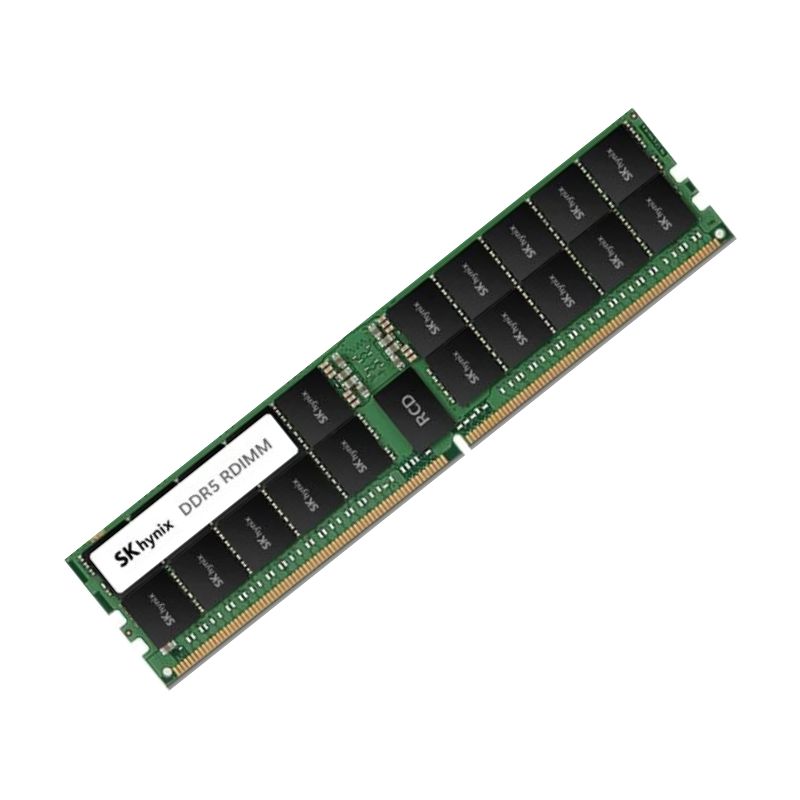


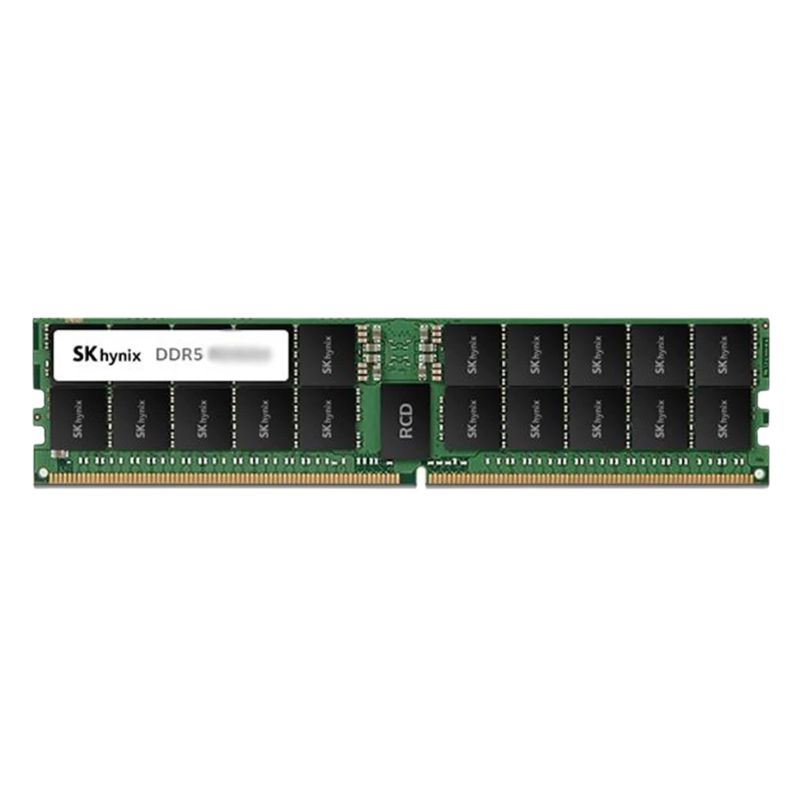
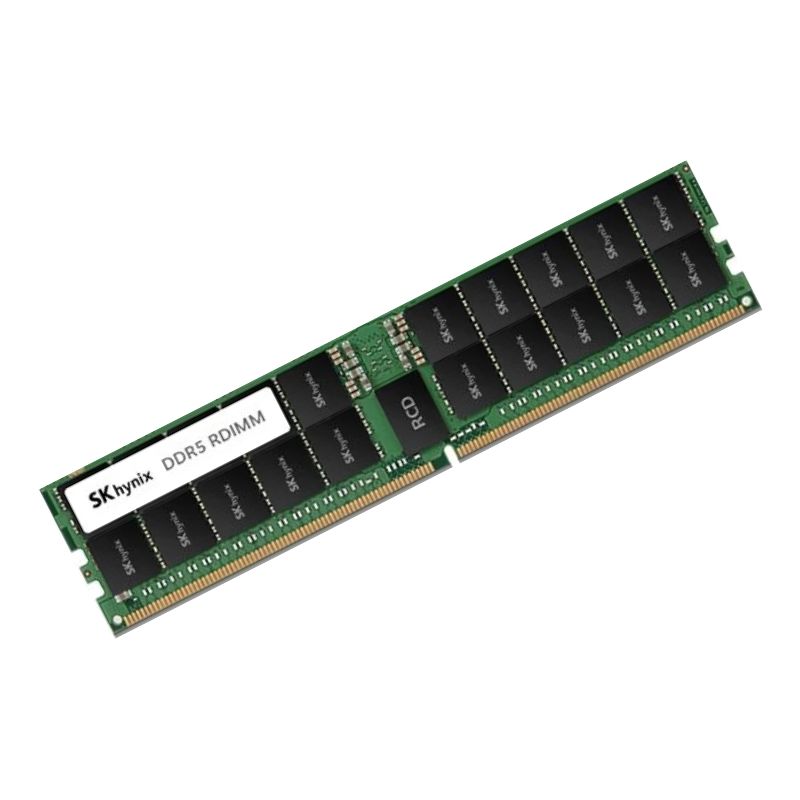
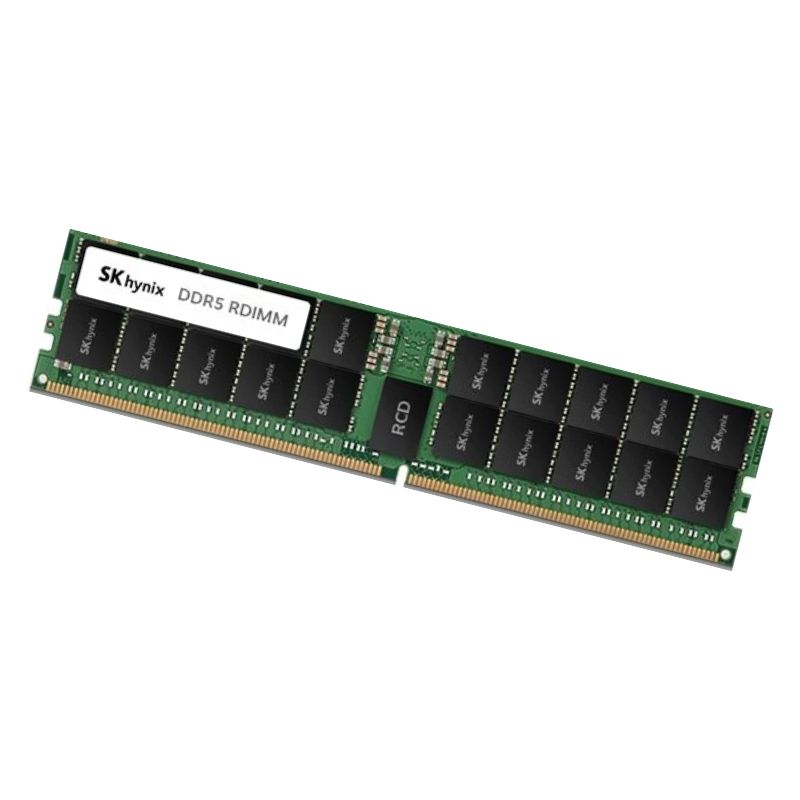
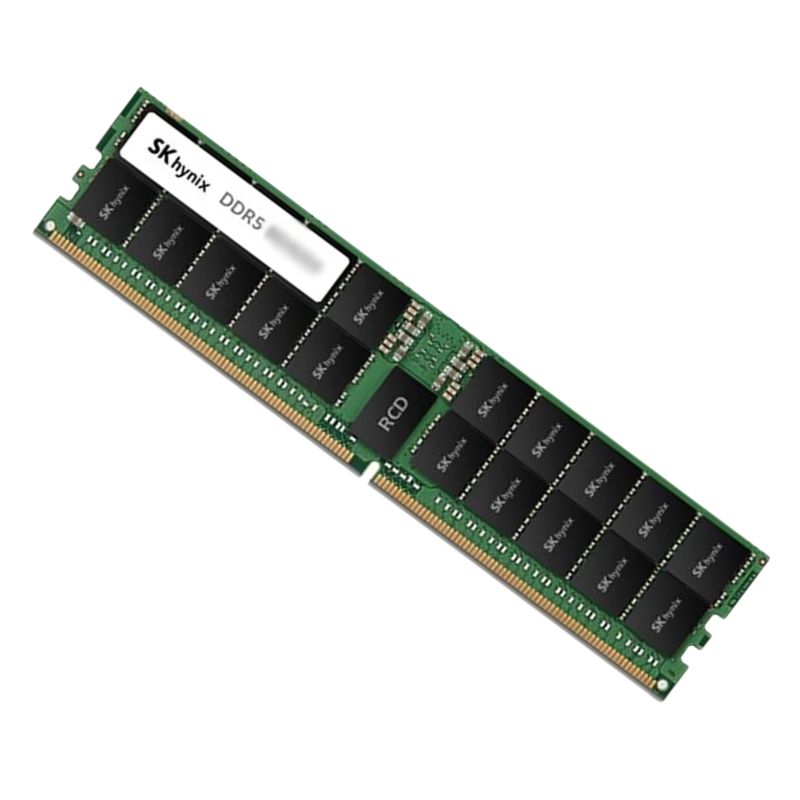
Hynix HMCGM4MHBRB506N 96GB (1x96GB) DDR5 6400MHz PC5-51200 Cl52 ECC Registered 1.1v Dual Rank X4 288-pin DIMM Server Memory. New Sealed in Box (NIB) with 3 Years Warranty
The Hynix HMCGM4MHBRB506N is a high-density server-grade memory solution engineered for enterprise systems, data centers, and professional computing environments that demand stability, speed, and efficiency.
This module delivers a substantial memory footprint designed to support virtualization, database processing, and high-performance workloads.
Designed to balance throughput and energy savings, this memory module supports modern server power requirements.
The enterprise DDR5 server memory module category represents a critical evolution in data center and server platform performance, capacity scaling, and power efficiency. This category is designed to support modern server architectures that demand extremely high memory bandwidth, increased density per DIMM slot, and enhanced reliability features suitable for mission-critical workloads. DDR5 technology introduces a new baseline for memory performance, enabling servers to handle data-intensive applications such as virtualization, artificial intelligence processing, machine learning pipelines, large-scale databases, in-memory analytics, cloud computing platforms, and high-performance computing clusters. Within this category, high-capacity registered DIMMs play a central role in allowing servers to scale memory footprints while maintaining signal integrity and operational stability across multi-socket systems.
The Hynix HMCGM4MHBRB506N 96GB DDR5 server memory module exemplifies this category by combining ultra-high capacity per module with advanced DDR5 signaling speeds, ECC protection, registered buffering, and low-voltage operation. This class of memory is specifically engineered for enterprise servers and professional workstation environments where memory reliability, predictable latency, and sustained throughput are essential. The category addresses the growing need for memory modules that can keep pace with next-generation CPUs, PCIe Gen5 expansion, and increasingly parallel workloads that rely on fast and consistent memory access.
DDR5 memory introduces fundamental architectural improvements over previous generations, reshaping how servers handle memory-intensive tasks. One of the most significant advancements is the increase in base operating frequency, with DDR5 6400MHz modules delivering substantially higher bandwidth compared to DDR4. This expanded bandwidth enables faster data transfers between the CPU and memory subsystem, reducing bottlenecks in compute-heavy and data-driven environments. The DDR5 architecture also supports improved channel efficiency, allowing servers to better utilize available memory resources under heavy workloads.
Another defining characteristic of DDR5 technology is the inclusion of on-die ECC functionality, which works alongside traditional system-level ECC to improve data integrity. This enhancement reduces the likelihood of silent data corruption and improves overall memory reliability, particularly in environments that operate continuously under high load. The category of DDR5 registered server memory modules leverages these advancements while maintaining compatibility with enterprise server platforms that require buffered DIMMs for signal stability.
Operating at 6400MHz, DDR5 server memory modules in this category are optimized to meet the demands of next-generation processors that feature higher core counts and increased parallelism. The elevated frequency directly translates into higher theoretical bandwidth, which is crucial for applications that process large datasets in real time. Database servers, analytics engines, and virtualization platforms benefit from reduced memory access latency and improved throughput, enabling smoother scaling and better resource utilization.
The PC5-51200 specification indicates the module’s ability to deliver up to 51,200MB/s of bandwidth per DIMM, a substantial improvement over earlier DDR standards. This level of performance ensures that memory-intensive workloads are not constrained by data transfer limitations, allowing CPUs to operate closer to their maximum potential. Within this category, high-frequency DDR5 memory is positioned as a foundational component for future-proof server deployments.
While higher frequencies often come with increased latency values, DDR5 modules are engineered to balance frequency and timing for optimal real-world performance. A CAS latency of 52 reflects the timing characteristics of high-speed DDR5 memory operating at advanced frequencies. In enterprise environments, the overall performance gain from increased bandwidth often outweighs the impact of higher nominal latency, particularly for workloads that benefit from sustained data streaming rather than random access patterns.
Server platforms are designed to leverage memory prefetching, parallel access, and optimized memory controllers, which help mitigate latency concerns. As a result, DDR5 CL52 modules deliver consistent and predictable performance across a wide range of enterprise applications, reinforcing their role within the high-performance server memory category.
The introduction of 96GB single-module capacity represents a major milestone in server memory density. High-capacity DIMMs enable system architects to maximize total memory per server while reducing the number of populated slots. This approach improves airflow, reduces power consumption per gigabyte, and allows for cleaner system designs with fewer components. In data centers where rack density and energy efficiency are critical, high-capacity memory modules provide tangible operational benefits.
Within this category, 96GB DDR5 registered DIMMs are particularly valuable for virtualization hosts, database servers, and in-memory analytics platforms that require large memory pools. By using fewer DIMMs to achieve the same or greater total capacity, administrators can simplify memory configurations and reduce the complexity of system upgrades.
Single 96GB DIMM configurations allow for granular scalability in server deployments. Administrators can incrementally increase memory capacity without replacing existing modules, preserving investment and minimizing downtime. This flexibility is especially important in enterprise environments where workloads evolve over time and memory requirements grow unpredictably.
High-capacity DIMMs also support advanced memory interleaving and NUMA optimization strategies, enabling better performance tuning for multi-socket systems. This scalability makes the category of 96GB DDR5 registered server memory modules a strategic choice for organizations planning long-term infrastructure growth.
Error Correcting Code registered memory is a cornerstone of enterprise server stability. ECC functionality detects and corrects single-bit memory errors, preventing data corruption and system crashes that could compromise mission-critical operations. Registered DIMMs incorporate a register between the memory controller and DRAM chips, improving signal integrity and allowing systems to support higher memory capacities per channel.
In this category, ECC registered DDR5 memory modules are engineered to operate reliably in demanding environments where uptime is paramount. Financial institutions, healthcare systems, telecommunications providers, and cloud service operators rely on ECC registered memory to maintain data accuracy and system availability under continuous operation.
Registered DIMMs buffer command and address signals, reducing electrical load on the memory controller. This design enables servers to populate more DIMMs per channel without compromising stability or performance. As server CPUs continue to increase core counts and memory channel complexity, registered memory becomes essential for maintaining reliable operation.
The category of registered DDR5 server memory is specifically tailored to enterprise-class platforms that prioritize capacity and stability over consumer-oriented unbuffered designs. This makes it the preferred choice for large-scale deployments where consistency and reliability outweigh marginal differences in latency.
Beyond standard ECC, DDR5 memory incorporates additional error detection features at the silicon level. These mechanisms work together to enhance data integrity across the memory subsystem. In environments where large datasets are processed in memory, even minor data errors can have significant downstream effects, making robust error correction essential.
The integration of ECC at multiple levels reinforces the value proposition of this category, positioning DDR5 registered memory as a foundational element for secure and dependable server infrastructure.
Dual rank memory configurations provide performance and capacity advantages by allowing the memory controller to access multiple ranks within a single DIMM. This organization improves memory utilization and can enhance throughput by enabling interleaved access patterns. In high-performance server environments, dual rank memory contributes to more efficient data handling and better overall system responsiveness.
The x4 DRAM organization further enhances error correction capabilities by distributing data across more memory chips. This design improves fault tolerance and aligns with enterprise requirements for data integrity and reliability. The combination of dual rank and x4 organization places this category firmly within the professional and enterprise server memory segment.
Dual rank configurations can improve effective memory bandwidth by allowing the memory controller to alternate between ranks, reducing idle cycles. This behavior is particularly beneficial for workloads with sustained memory access patterns, such as virtualization and data analytics. The category of dual rank DDR5 server memory modules is optimized to deliver consistent performance under such conditions.
By leveraging dual rank architecture, servers can achieve higher memory efficiency without increasing physical slot usage. This efficiency contributes to better power utilization and thermal management within dense server environments.
Power efficiency is a critical consideration in modern data centers, where energy costs and thermal constraints directly impact operational expenses. DDR5 memory operates at a reduced voltage of 1.1V, delivering improved performance per watt compared to previous generations. This reduction in operating voltage helps lower overall system power consumption while supporting higher frequencies and capacities.
Within this category, low-voltage DDR5 registered memory modules enable organizations to deploy high-performance servers without significantly increasing power and cooling requirements. This balance between performance and efficiency is essential for sustainable data center operations.
Lower operating voltage translates into reduced heat generation, which simplifies thermal management in densely populated server racks. Improved thermal characteristics allow for higher memory densities without compromising system stability or longevity. Data center operators benefit from reduced cooling demands and improved reliability across their infrastructure.
The category of energy-efficient DDR5 server memory aligns with industry trends toward greener and more sustainable IT operations, making it an attractive option for organizations focused on long-term cost optimization.
The 288-pin DIMM form factor is the standard for DDR5 server memory, ensuring compatibility with modern server motherboards and CPU memory controllers. This standardized design allows for seamless integration into enterprise platforms from leading server manufacturers. Proper alignment with platform specifications is essential for achieving optimal performance and stability.
Server memory modules in this category are designed to meet stringent compatibility and validation requirements, ensuring reliable operation across a wide range of server configurations. This compatibility simplifies procurement and deployment processes for IT teams managing large server fleets.
Enterprise memory modules undergo extensive validation to ensure interoperability with supported server platforms. This validation process reduces the risk of compatibility issues and ensures consistent performance across deployments. The category emphasizes reliability and predictability, which are critical for enterprise customers.
By adhering to industry standards and platform-specific requirements, DDR5 registered server memory modules provide a dependable foundation for mission-critical systems.
The category of high-capacity DDR5 registered server memory modules is well-suited for a wide range of enterprise applications. Virtualization environments benefit from large memory pools that support multiple virtual machines with minimal contention. Database servers leverage high bandwidth and capacity to keep datasets resident in memory, reducing latency and improving transaction throughput.
Artificial intelligence and machine learning workloads require fast and reliable memory access to feed data to accelerators and CPUs efficiently. High-performance computing applications rely on memory bandwidth and stability to process complex simulations and analytics tasks. Across these use cases, DDR5 server memory plays a central role in enabling performance and scalability.
Cloud service providers and hyperscale data centers demand memory solutions that balance performance, capacity, and efficiency. High-density DDR5 registered memory modules allow for greater consolidation of workloads and improved resource utilization. This category supports the scalability and flexibility required in cloud environments where demand can fluctuate rapidly.
The ability to deploy fewer, higher-capacity DIMMs simplifies inventory management and reduces the total cost of ownership over time.
Within the broader server memory market, high-capacity DDR5 ECC registered DIMMs occupy the premium segment focused on enterprise and mission-critical applications. This category distinguishes itself through advanced performance characteristics, robust reliability features, and support for next-generation server platforms. As organizations continue to modernize their infrastructure, demand for DDR5 server memory is expected to grow steadily.
The combination of high frequency, large capacity, ECC protection, registered buffering, and power efficiency defines the value proposition of this category. It represents a strategic investment for organizations seeking to future-proof their server deployments while maintaining operational stability and performance.
Adopting DDR5 server memory enables organizations to align their infrastructure with upcoming processor generations and evolving workload requirements. High-capacity modules provide headroom for growth, reducing the frequency of disruptive upgrades. This forward-looking approach supports long-term planning and helps organizations maximize the return on their hardware investments.
The category of DDR5 registered server memory modules is positioned as a cornerstone of modern enterprise IT architecture, supporting innovation, scalability, and reliability across diverse computing environments.


 Contact Us
 Information
 Catalog
 Solid State Drives (SSD)
 Network Switches
 Hard Disk Drives
 HBA & Controllers
 PC & Servers
 PC & Server Memory
 CPU & Processors
 Network Routers
 Power Supplies
 Tape Drives & Libraries
 Network Devices
 Computer & Network Cables