(7% discount is applied at checkout)
Cart is empty
Your go-to destination for cutting-edge server products
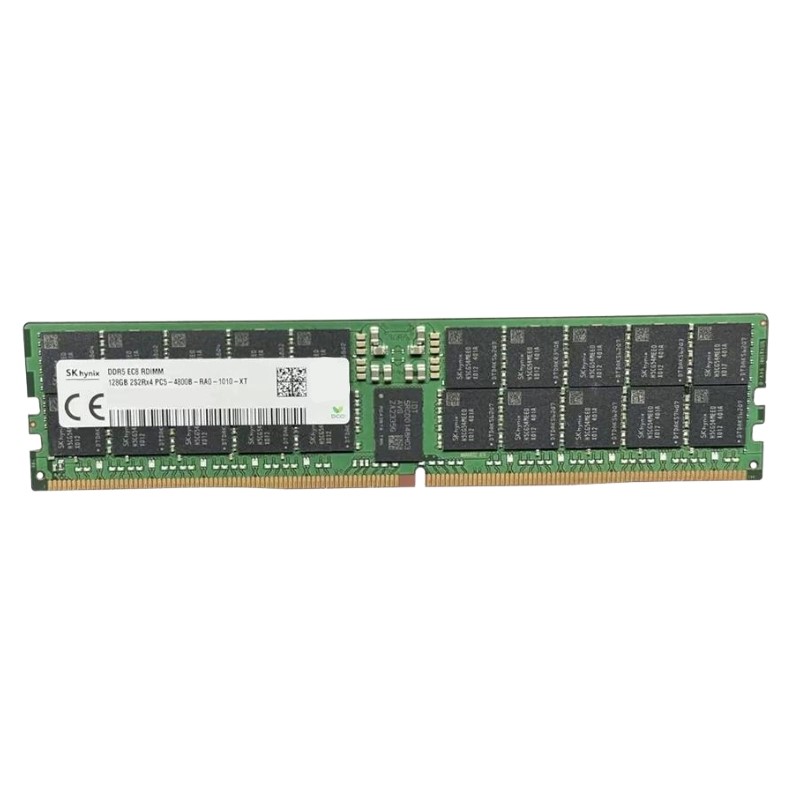


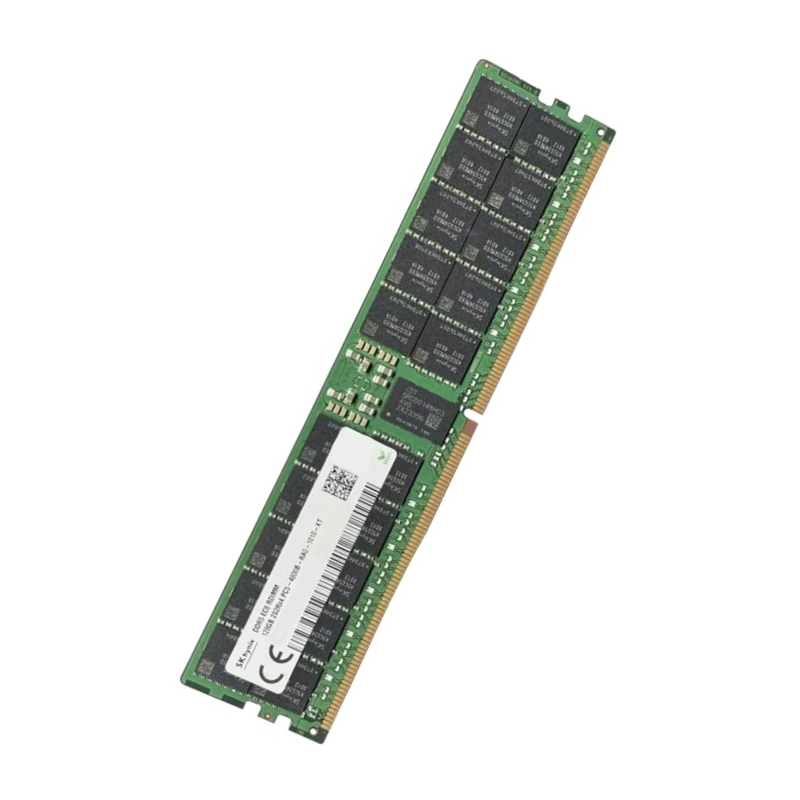
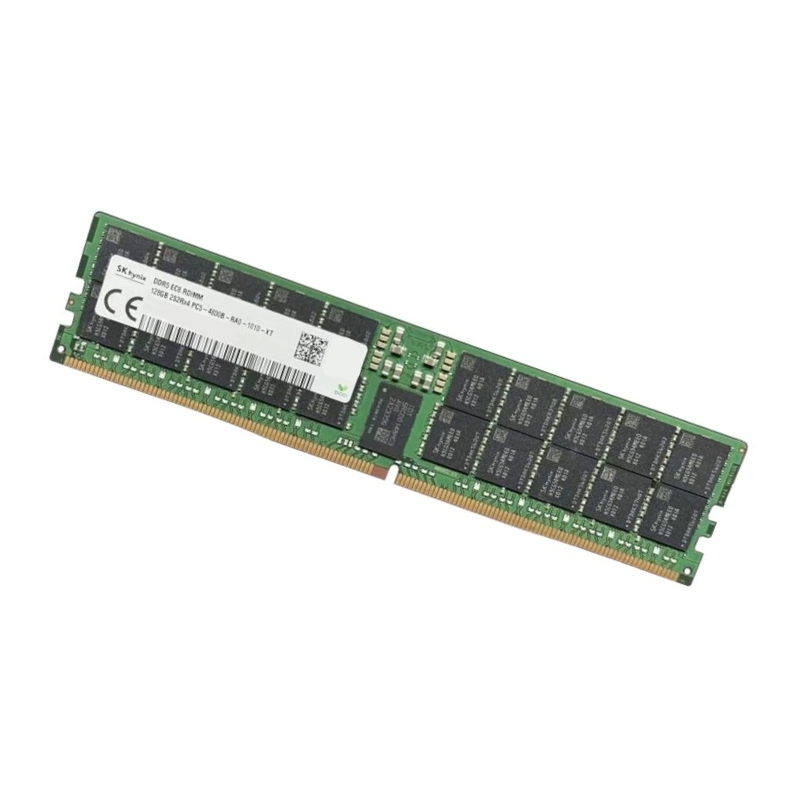
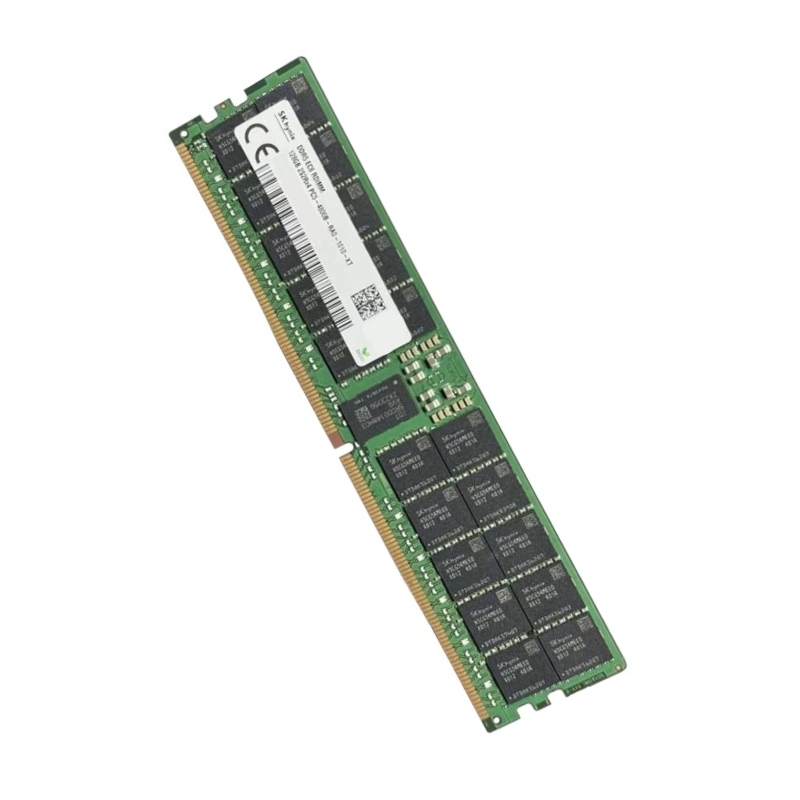
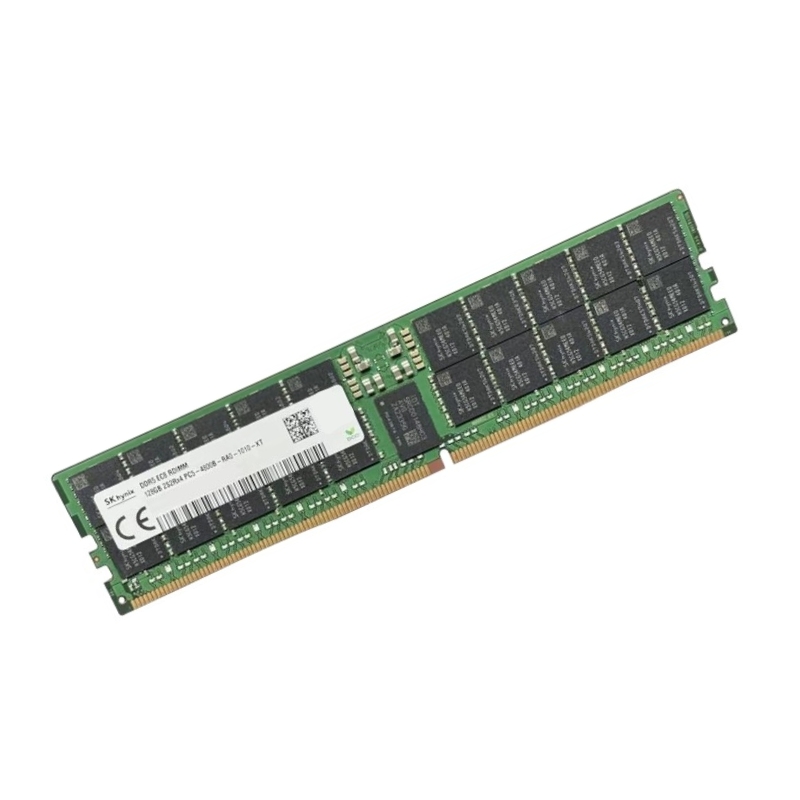
Hynix HMCT04MGBRC539N 128GB DDR5 5600MHz PC5-44800 ECC Registered Cl46 1.1v 288-pin Low-profile Rdimm Memory Module. New Sealed in Box (NIB) with 3 Years Replacement Warranty
Empower data-intensive enterprise applications with the SK hynix HMCT04MGBRC539N, a premium 128GB DDR5 module built for ultimate server memory density and reliability.
The enterprise DDR5 ECC Registered memory module category represents a core component of modern server architectures where performance, scalability, and reliability are mandatory. This category encompasses high-capacity RDIMM solutions engineered for continuous operation in data centers, private cloud infrastructures, virtualization clusters, and high-performance computing platforms. The Hynix HMCT04MGBRC539N 128GB DDR5 5600MHz PC5-44800 ECC Registered CL46 1.1v 288-pin Low-profile RDIMM Memory Module exemplifies the technical maturity of this category by combining next-generation DDR5 bandwidth, enterprise-grade error correction, and ultra-high memory density within a standardized server-compatible form factor.
ECC Registered DDR5 memory modules are specifically designed to support workloads where system stability and data integrity are as critical as raw performance. Unlike unbuffered memory, RDIMM modules integrate a register that buffers command and address signals, allowing servers to support larger memory configurations with improved electrical stability. Within this category, ECC functionality adds an additional layer of protection by detecting and correcting memory errors in real time, reducing the risk of data corruption and unexpected system interruptions. These characteristics make this category indispensable for enterprise servers running mission-critical applications.
The transition from DDR4 to DDR5 marks a fundamental evolution in server memory technology. DDR5 introduces higher base frequencies, increased memory density, and a redesigned power delivery architecture. This category capitalizes on these advancements by delivering memory modules capable of sustaining demanding workloads while maintaining power efficiency and reliability. The Hynix HMCT04MGBRC539N operates at 5600MHz, reflecting the performance uplift that defines the DDR5 generation and positions this category as a future-ready solution for enterprise IT environments.
The architectural foundation of DDR5 ECC Registered memory modules is built around improving bandwidth efficiency, signal integrity, and scalability. This category leverages advanced DRAM die technology, refined signaling methods, and integrated power management to meet the needs of modern server platforms. The registered design plays a critical role in enabling higher capacity configurations without overloading the memory controller.
The registered buffer integrated into RDIMM modules re-drives control signals between the memory controller and DRAM chips. This design significantly reduces electrical load and improves signal timing, allowing servers to populate more memory modules per channel. Within this category, the registered architecture ensures that high-capacity modules such as 128GB RDIMMs can operate reliably at high frequencies like 5600MHz. This stability is essential for enterprise systems that demand predictable performance under sustained workloads.
Enterprise servers often utilize multiple DIMMs per channel to achieve large memory footprints. The RDIMM category supports this requirement by maintaining signal integrity even in densely populated configurations. This enables system architects to design servers with extensive memory capacity while preserving performance consistency across all installed modules.
Error Correction Code technology is a defining attribute of this category, providing automatic correction of single-bit errors and detection of multi-bit errors. ECC operates transparently, ensuring that applications and operating systems are protected from memory-related faults. In environments where data accuracy is paramount, such as financial systems, scientific computing, and enterprise databases, ECC Registered memory modules are essential for maintaining operational integrity.
As memory density increases, the probability of transient errors caused by electrical interference or environmental factors also rises. ECC significantly mitigates these risks, making this category suitable for long-term deployment in servers that operate continuously. The inclusion of ECC in DDR5 RDIMM modules aligns with enterprise requirements for stability and reduced downtime.
Performance is a central focus of the DDR5 ECC Registered memory category. With a data rate of 5600MHz and a PC5-44800 bandwidth rating, this category delivers substantial improvements in memory throughput compared to previous generations. These performance gains are critical for modern processors with high core counts and parallel execution capabilities.
PC5-44800 indicates a theoretical maximum bandwidth of 44.8 GB/s per module, enabling faster data transfer between the CPU and memory subsystem. This increased bandwidth benefits applications that process large datasets or require rapid memory access, including virtualization platforms, analytics engines, and in-memory computing frameworks. Within this category, higher bandwidth translates to improved system responsiveness and reduced bottlenecks.
The CL46 latency rating reflects the timing characteristics of high-capacity DDR5 RDIMM modules. While latency values are higher than those of DDR4, the overall performance impact is offset by the significant increase in operating frequency and bandwidth. This category prioritizes sustained throughput and stability, making it well-suited for enterprise workloads that emphasize consistency over minimal access latency.
In real-world deployments, DDR5 5600MHz RDIMM memory demonstrates tangible improvements in application throughput, particularly for multi-threaded and memory-intensive tasks. Database operations, virtual machine provisioning, and large-scale data processing workloads benefit from the expanded memory bandwidth available within this category.
The 128GB RDIMM subcategory represents a premium segment of enterprise memory solutions, enabling servers to achieve massive memory capacities with fewer physical modules. This approach simplifies system design, reduces slot utilization, and enhances airflow within server enclosures. The Hynix HMCT04MGBRC539N is positioned within this high-density category, offering a balance of capacity, performance, and reliability.
High-capacity memory modules allow organizations to consolidate workloads and reduce the number of servers required to meet performance demands. By minimizing the number of DIMMs needed to reach a target memory capacity, this category helps lower power consumption and simplifies memory management. These benefits are particularly valuable in large-scale data centers where efficiency and scalability are critical.
Applications such as in-memory databases, enterprise resource planning systems, and real-time analytics platforms rely heavily on large memory pools. The 128GB RDIMM category provides the capacity necessary to store extensive datasets directly in memory, reducing reliance on slower storage tiers and improving overall application performance.
In virtualized environments, memory capacity directly influences the number of virtual machines that can be hosted on a single physical server. This category enables higher virtualization density by providing large, stable memory resources that can be dynamically allocated to workloads as needed.
Power efficiency is a critical consideration in enterprise IT environments, and the DDR5 ECC Registered memory category introduces notable improvements in this area. Operating at 1.1 volts, the Hynix HMCT04MGBRC539N consumes less power than previous-generation memory while delivering higher performance.
DDR5 memory modules incorporate on-module power management integrated circuits that regulate voltage more precisely than earlier designs. This architectural change improves power delivery efficiency and reduces electrical noise, contributing to stable operation at higher frequencies. Within this category, refined power management supports both performance and energy efficiency goals.
The low-profile form factor of this RDIMM category ensures compatibility with a wide range of server chassis, including high-density rack-mounted systems. Efficient thermal characteristics help maintain optimal operating temperatures, reducing the burden on cooling infrastructure and supporting consistent performance in demanding environments.
By combining lower operating voltage with improved thermal efficiency, this category contributes to reduced energy consumption at the data center level. These efficiencies align with sustainability initiatives and help organizations lower total cost of ownership over the lifecycle of their server infrastructure.
The DDR5 ECC Registered memory category is designed to integrate seamlessly with contemporary server platforms and processors. Adherence to JEDEC standards ensures broad compatibility and simplifies deployment across diverse hardware ecosystems.
Modern server CPUs are engineered to leverage the increased bandwidth and capacity of DDR5 memory. This category is optimized to complement multi-core processors by providing sufficient memory throughput to prevent performance bottlenecks. Compatibility with current-generation chipsets ensures that enterprises can deploy these modules with confidence.
Enterprise-grade RDIMM modules are validated with server BIOS and firmware to ensure stable operation. Proper firmware integration enables advanced memory features such as training, monitoring, and error reporting, enhancing system reliability and manageability.
Enterprise memory modules are subject to rigorous manufacturing and validation processes to ensure consistent quality and long-term reliability. The Hynix HMCT04MGBRC539N reflects the standards expected within this category.
DDR5 ECC Registered memory modules undergo extensive testing for electrical stability, thermal performance, and compatibility with server platforms. These validation processes help minimize failure rates and ensure predictable behavior in production environments.
Enterprise deployments often require components with extended availability and support lifecycles. This category is designed to meet those requirements, providing organizations with confidence that their memory investments will remain viable as server platforms evolve.
By integrating ECC protection, registered buffering, and advanced DDR5 features, this category plays a critical role in enhancing overall system reliability. Memory-related faults are minimized, supporting continuous operation and reducing maintenance demands in enterprise data centers.


 Contact Us
 Information
 Catalog
 Solid State Drives (SSD)
 Network Switches
 Hard Disk Drives
 HBA & Controllers
 PC & Servers
 PC & Server Memory
 CPU & Processors
 Network Routers
 Power Supplies
 Tape Drives & Libraries
 Network Devices
 Computer & Network Cables