
(7% discount is applied at checkout)
Cart is empty
Your go-to destination for cutting-edge server products
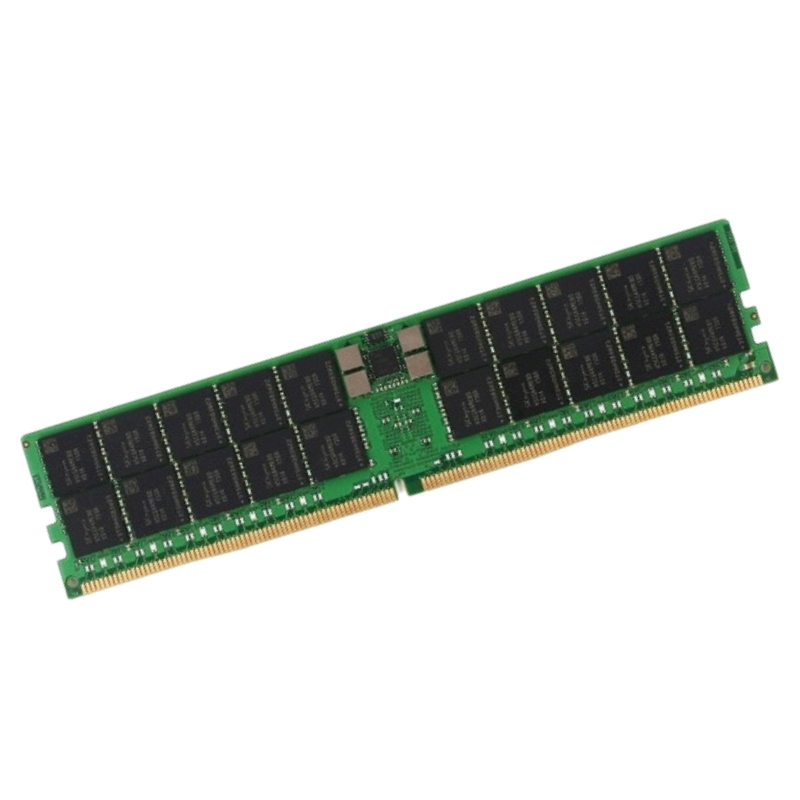
Hynix HMCT14AGERA208N 256GB PC5-44800 DDR5-5600MHz 8Rx4 CL46 ECC OCTAL RANK SDRAM 288-Pin RDIMM Memory Module. New (System) Pull with 1 Year Replacement Warranty
The Hynix HMCT14AGERA208N 256GB DDR5 SDRAM memory module delivers exceptional speed and reliability for advanced computing systems. Designed with cutting-edge technology, this registered DIMM ensures seamless performance for enterprise and high-demand environments.
The Hynix HMCT14AGERA208N 256GB PC5-44800 DDR5-5600MHz 8Rx4 CL46 ECC Octal Rank RDIMM Memory Module represents a sophisticated category of next-generation server memory engineered to sustain the increasingly demanding workloads of modern data centers. This class of enterprise DDR5 RDIMM solutions enhances throughput, accelerates multi-threaded operations, and strengthens data reliability across virtualized applications, hyperscale computing clusters, AI-optimized workflows, and large-capacity in-memory datasets. By maintaining consistent performance under complex, latency-sensitive conditions, this memory category ensures that servers remain responsive, stable, and capable of supporting heavy enterprise productivity cycles.
DDR5 memory introduces remarkable improvements over DDR4 by expanding available bandwidth, optimizing power efficiency, and elevating the capacity per module to unprecedented levels. The 256GB configuration of this module aligns with the broader DDR5 ecosystem that focuses on enabling high-density DIMM technology for HPC frameworks, virtual machine layering, and cloud infrastructure scaling. With significantly increased transfer rates, the memory category is ideal for long-term server modernization strategies where data throughput and future-proofing are essential components of sustained operational performance.
The PC5-44800 DDR5-5600MHz speed rating within this memory category increases the efficiency of sustained workload processing. Servers running analytic engines, distributed databases, simulation environments, and high-capacity caching mechanisms benefit from improved internal data flow, allowing complex operations to complete with reduced bottlenecks. This memory segment provides scalable bandwidth designed to adapt as enterprise workloads evolve in complexity, ensuring that servers maintain competitive performance metrics across diverse implementation scenarios.
The ability to maintain exceptionally high data rates contributes to smoother application responsiveness, even in deep-learning pipelines or high-density virtualization architectures where simultaneous operations require uncompromised stability. As bandwidth expectations increase across cloud-native platforms, this memory classification provides essential support by reinforcing uninterrupted throughput and maintaining predictable system responsiveness across peak usage cycles.
Enterprise-grade memory modules such as the Hynix HMCT14AGERA208N integrate advanced ECC technology to safeguard every data transaction. This classification of RDIMM solutions is engineered to automatically detect and correct common memory-based errors that could otherwise compromise large-scale operations. With protection mechanisms designed for mission-critical server environments, this memory category contributes to reinforced data integrity, operational continuity, and controlled system behavior across demanding workloads.
The incorporated ECC capabilities operate seamlessly to prevent data corruption within high-volume computational tasks. This memory category supports large data streams, virtualization layers, clustered storage operations, and enterprise AI processing by maintaining clean, accurate data handling throughout runtime. As servers increasingly host long-duration tasks, ECC protection becomes essential for preventing errors that accumulate over time, strengthening the resilience of the broader hardware ecosystem.
Continuous uptime is a core requirement for enterprise organizations, making reliability a defining aspect of this memory classification. The ECC features embedded in the DDR5 RDIMM architecture are engineered to preserve system stability during extended workloads such as multi-node cluster processing, large-scale training data cycles, and persistent application hosting. This reinforces the category’s position as a dependable resource for high-demand server infrastructure.
Advanced error correction technologies improve long-term system reliability by minimizing the possibility of data inconsistencies during heavy computational cycles. This ensures that operations remain consistent and predictable across mission-critical tasks, optimizing server behavior and protecting the integrity of stored and processed information within enterprise production environments.
The octal rank architecture of 8Rx4 DIMMs unlocks new scaling possibilities by enabling servers to manage significantly higher memory capacities. This category is specifically engineered for systems designed to support dense memory layouts, allowing the deployment of multi-terabyte configurations in performance-critical computing environments. The architecture ensures that enormous datasets can be stored, manipulated, and accessed with minimal latency while preserving server responsiveness.
As enterprise architectures continue to increase in size and complexity, octal rank modules offer the density required to support virtualization stacks, multi-layered application hosting, and large-scale data processing pipelines. The memory classification aligns with evolving computing trends where memory scalability defines a server’s longevity, flexibility, and total operational value.
The layered rank configuration distributes data more efficiently across internal memory banks, enabling higher concurrency during data retrieval and computation. This characteristic supports workloads that involve repetitive access cycles such as indexing engines, in-memory caching structures, and large programming model frameworks reliant on fast access patterns to maintain performance consistency.
The octal rank structure enables high-density memory allocation without compromising internal speed or reliability. As more enterprise systems integrate multilayered memory demands, this architectural format ensures that internal communication remains fluid and predictable, supporting both current and future-generation applications within broad operational contexts.
Memory modules in this category are widely deployed across enterprise-grade server platforms designed to utilize DDR5 RDIMM technology. The Hynix HMCT14AGERA208N model aligns with platform requirements of major server brands that emphasize future-proof memory expansion, efficient power regulation, and robust thermal stability. The category is positioned to support both new server rollouts and existing infrastructure upgrades, ensuring that organizations can scale capacity without replacing entire server ecosystems.
DDR5 technology introduces improved power efficiency through advanced voltage regulation and refined component design. This memory classification ensures that even high-capacity modules remain energy-efficient, contributing to reduced thermal output and overall power consumption within dense server racks. Efficient power management is essential for data centers aiming to maintain environmental cooling efficiency and avoid excessive temperature escalation.
The thermal design of this memory category supports extended operating cycles under heavy load conditions. Enterprise servers running non-stop require components that maintain structural integrity and stable performance across long operating intervals. The category supports robust thermal resistance to ensure performance remains consistent during peak workloads and sustained multi-threaded processing.
The architecture aligns with DDR5 RDIMM standards, ensuring compatibility with advanced server motherboards utilizing multi-channel configurations. This makes the memory category suitable for systems relying on balanced memory distribution and adaptive bandwidth scaling to support complex enterprise workload patterns.
The Hynix HMCT14AGERA208N belongs to a broader classification of memory modules designed to deliver high throughput, long-term reliability, and stable operational behavior under computationally demanding conditions. The memory category is particularly beneficial for large organizational structures hosting SaaS platforms, running multi-tenant environments, supporting business intelligence frameworks, and maintaining live production databases that require sustained performance without interruption.
The CL46 latency specification enhances data retrieval efficiency, allowing systems to process instructions more rapidly. This latency classification is optimized for DDR5 speeds, ensuring that read and write cycles maintain smooth transitions across memory banks. Applications dependent on rapid data access benefit from decreased response delays, contributing to overall workflow acceleration within enterprise operations.
The category is optimized for multi-socket server platforms running computationally intensive tasks requiring synchronized data exchange. This includes workloads such as cloud orchestration services, multi-node clustering, AI inference workloads, and virtualized application stacks designed for continuous user activity.
The sustained throughput of modules in this category ensures balanced and predictable performance across workloads that demand continuous access to memory resources. The architecture optimizes the flow of commands and data across internal channels, providing a stable foundation for complex enterprise software environments.


 Contact Us
 Information
 Catalog
 Solid State Drives (SSD)
 Network Switches
 Hard Disk Drives
 HBA & Controllers
 PC & Servers
 PC & Server Memory
 CPU & Processors
 Network Routers
 Power Supplies
 Tape Drives & Libraries
 Network Devices
 Computer & Network Cables