(7% discount is applied at checkout)
Cart is empty
Your go-to destination for cutting-edge server products
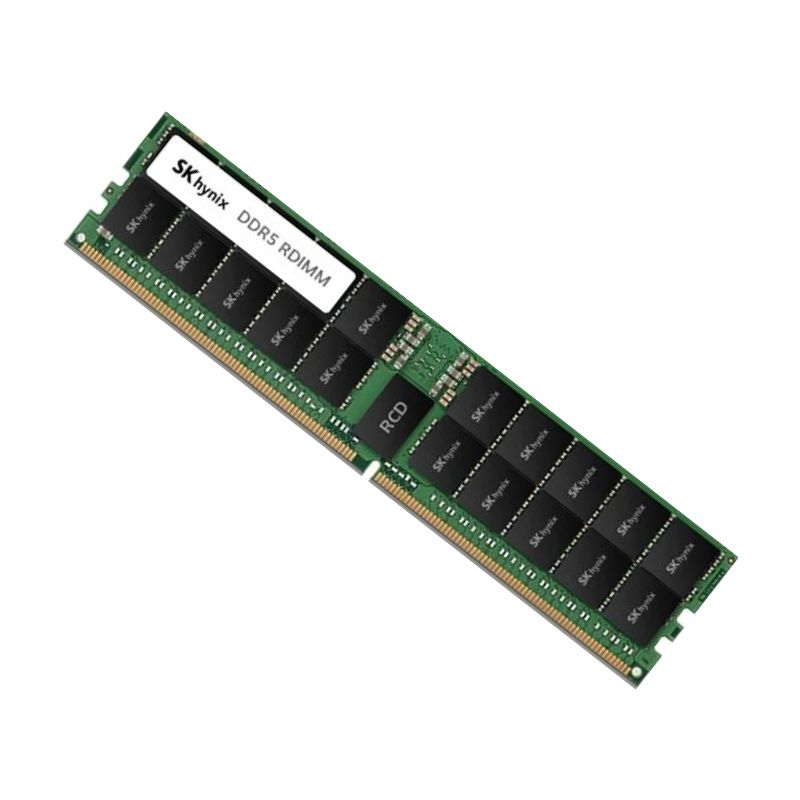


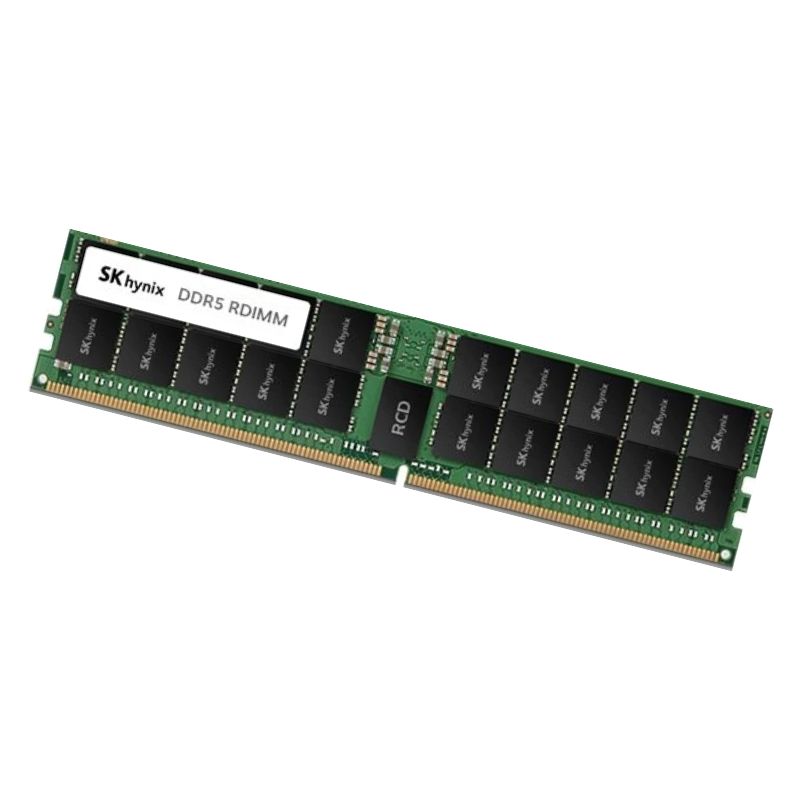
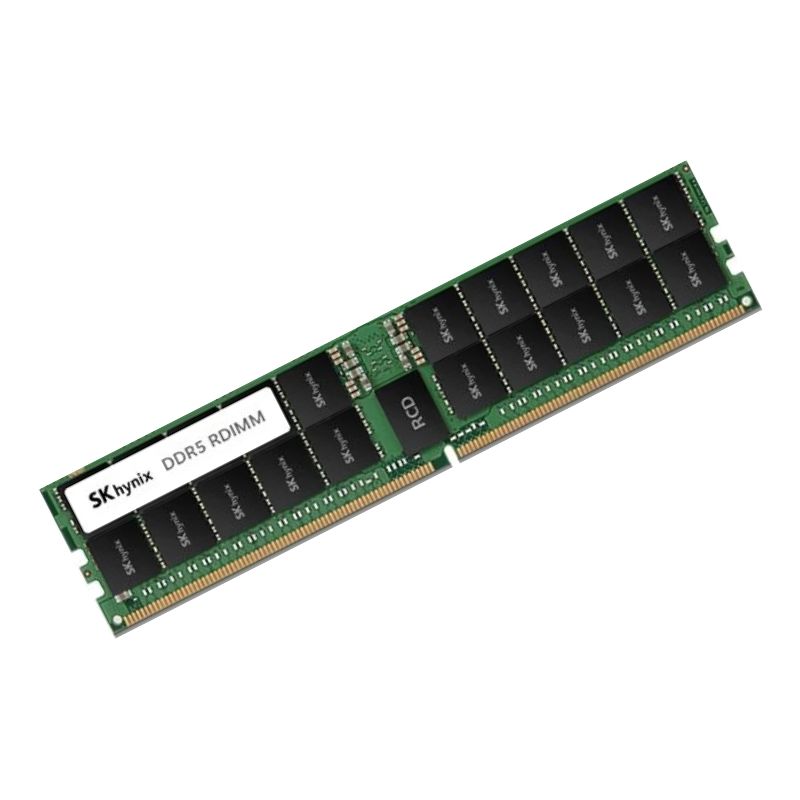
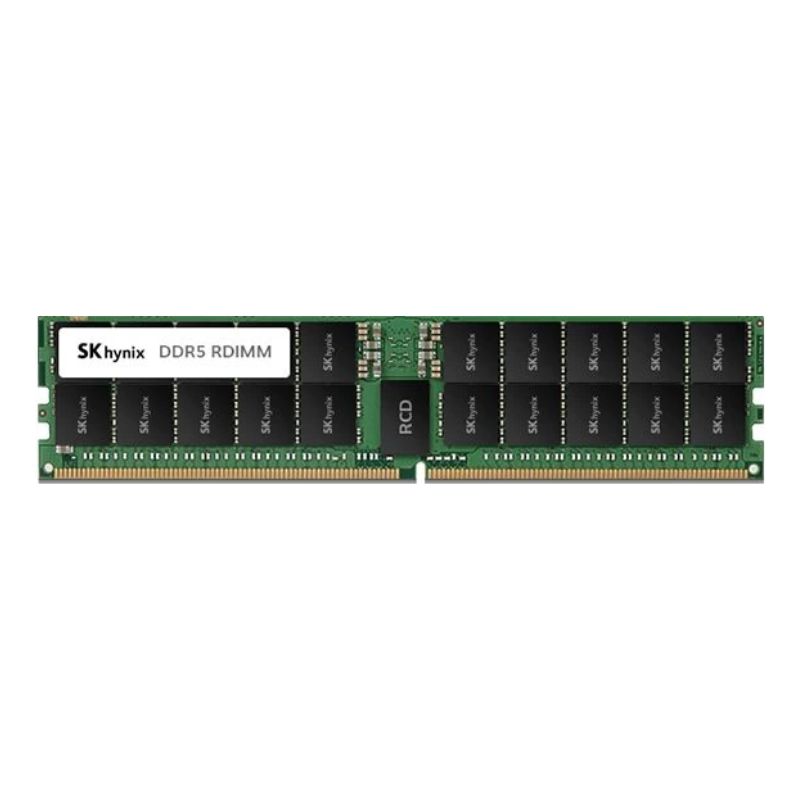
Hynix HMCT14AGERA209N 256GB 5600Mhz Pc5-44800 Cl52 Ecc Registered DDR5 SDRAM 288-pin Memory Module. New (System) Pull with 1 Year Replacement Warranty
The Hynix HMCT14AGERA209N 256GB DDR5 SDRAM memory module delivers exceptional speed and reliability for advanced computing environments. Designed with cutting-edge technology, this 288-pin RDIMM ensures seamless performance for enterprise and data-intensive applications.
The Hynix HMCT14AGERA209N 256GB 5600MHz PC5-44800 CL52 ECC Registered DDR5 SDRAM 288-pin memory module stands within the advanced category of ultra-high-capacity server memory engineered for modern data-center workloads, high-density virtualization clusters, and compute-intensive enterprise applications. This category emphasizes stable performance, error-correcting reliability, and accelerated processing throughput with next-generation DDR5 architecture that allows servers to scale well beyond the limitations of older memory technologies. The large 256GB density per module represents an essential component in systems requiring expansive memory pools, allowing applications with extensive in-memory datasets to operate without interruption. With this module, enterprises gain access to substantial bandwidth expansion, improved channel efficiency, and lower latency behavior tailored for mission-critical processing environments.
DDR5 introduces a substantial evolution in memory architecture, enabling significantly higher bandwidth and improved efficiency compared to DDR4. This category showcases the benefits of doubled burst length, enhanced channel structure, and optimized power management. The Hynix HMCT14AGERA209N capitalizes on the DDR5 dual-channel DIMM configuration, where each module functions as two independent 32-bit channels, helping improve data accessibility and concurrency. This transformation allows servers to sustain heavy multitasking without performance degradation. The increased default operating frequency of 5600MHz elevates the module into a performance class suitable for analytics platforms, AI workloads, scientific modeling, virtualization hosts, and parallel computing environments that demand rapid data movement and consistent throughput.
The PC5-44800 data rate classification reflects the theoretical bandwidth potential per module, greatly enhancing the capacity for processing large sequential data streams. It enables improved transaction processing speeds, quicker database queries, smoother handling of large virtual machine clusters, and efficient resource allocation under unpredictable workloads. DDR5 also enhances refresh operations, improving memory cell stability during high-temperature usage common in dense server racks and multi-processor systems.
Unlike previous generations, DDR5 memory integrates an onboard power management IC that optimizes voltage distribution and performance consistency. The Hynix HMCT14AGERA209N leverages this feature to reduce power delivery noise and to provide stable current distribution even under sustained data-processing tasks. This enhancement in design contributes to overall system stability, making it essential for platforms operating large financial models, supply-chain algorithms, real-time transaction monitoring, and distributed cloud services. With PMIC integration, power integrity is maintained across all memory banks, enabling predictable performance in environments where reliability directly affects service uptime.
Voltage regulation plays a significant role in ensuring consistent performance of memory-intensive workloads. The module’s power delivery framework minimizes fluctuation risks and reduces thermal overhead, helping maintain energy-efficient operations across long periods of continuous use. This design suits data centers that require memory solutions capable of maintaining performance within strict thermal and voltage tolerances. By integrating more advanced power control directly on the module, the DDR5 architecture reduces strain on the motherboard’s power system, improving scalability for densely populated memory configurations.
ECC Registered DIMMs are essential within enterprise-grade infrastructure where data accuracy and system integrity cannot be compromised. The Hynix HMCT14AGERA209N incorporates ECC error-correction technology designed to detect and correct common types of memory errors, reducing the possibility of data corruption during operation. This protection is crucial for applications used in medical research, digital security, cloud computing, and database servers that must maintain strict accuracy standards. The registered buffering mechanism enhances signal stability across large memory arrays by reducing electrical load on the memory controller, making high-capacity configurations more viable for multi-socket servers.
Registered memory includes a dedicated register chip that moderates communication between the module and the system’s memory controller. This feature significantly improves signaling quality, especially when numerous high-capacity modules operate simultaneously. The Hynix HMCT14AGERA209N leverages this buffering to support heavy multi-module installations without introducing signal degradation or timing inconsistencies. Such characteristics are indispensable for enterprise servers engaged in virtualization, distributed analytics, edge-computing frameworks, risk-assessment engines, and complex modeling workloads. The improved signal timing translates to fewer interruptions, consistent response patterns, and smoother data flow even when applications rapidly shift between memory-intensive operations.
Many enterprise workloads operate continuously without downtime, requiring memory systems that remain stable across extended periods of usage. The ECC and registered combination within this module mitigates risk factors associated with environmental changes, processing spikes, and random soft errors. The category of high-capacity DDR5 RDIMMs supports infrastructure where fault tolerance contributes to service-level agreements. Whether in large compute clusters, machine-learning training systems, or virtual desktop infrastructure nodes, consistent memory reliability forms the foundation of system productivity. The robust design of the Hynix module ensures sustained operational integrity across both high-intensity and balanced workloads.
Error detection mechanisms in ECC memory operate at the hardware level to maintain data correctness without software intervention. The Hynix HMCT14AGERA209N continuously monitors data transfers, ensuring that corruptions caused by electrical interference or unexpected voltage changes are corrected before they impact system processes. This category highlights highly dependable memory conforming to the standards required by large-scale enterprise computing. Such error correction provides an additional layer of assurance for environments using memory-resident databases, large in-memory caches, or distributed cluster operations where errors could compromise significant operations.
Operating at 5600MHz, this memory module is positioned within the upper tier of DDR5 performance categories. High frequency contributes to faster transfer rates, reduced latency, and smoother access to memory-resident datasets. Servers that rely on rapid data movement benefit from these characteristics during operations such as real-time rendering, analytics dashboards, and event-driven computing systems. The improved frequency also benefits environments where large volumes of small transactions occur continuously, as in financial trading models or enterprise monitoring systems.
The PC5-44800 classification describes the maximum theoretical bandwidth that the module can achieve. This bandwidth is critical for workloads requiring fast access to streaming data, continuous computational throughput, and consistent read and write operations. In environments where applications are designed to leverage high-bandwidth memory, system responsiveness improves significantly. This includes fields such as high-performance computing, neural network processing, virtualization hosting, backend cloud services, and sophisticated computational tools used across modern industries. Increasing bandwidth also facilitates the simultaneous operation of multiple high-demand processes, supporting parallelism within multi-core CPU architectures.
CAS latency influences how quickly memory responds to requests. The CL52 timing of this DDR5 module aligns with the enhanced architecture that prioritizes stability and efficiency at high speeds. Despite higher numeric values compared to earlier memory generations, DDR5 compensates with increased transfer rates and advanced queue management, allowing real-world latency performance to improve significantly. The category emphasizes sustained low-latency behavior for server platforms that depend on microsecond-level efficiency, such as AI model execution, dynamic content delivery, and multi-threaded server configurations. The memory controller optimizations present in compatible platforms further refine response times, delivering predictable behavior under heavy load.
The latency characteristics of this module enable efficient operations in systems running numerous simultaneous processes. By maintaining consistent response times, the memory helps sustain high productivity across environments where hundreds or thousands of active sessions may occur concurrently. Scenarios such as cloud virtualization, shared hosting services, and enterprise application delivery platforms depend on this stable latency performance to deliver smooth user experiences and predictable compute cycles.
The extremely large 256GB capacity of this module positions it within the high-density category essential for memory-intensive applications and environments requiring vast addressable memory. This enables servers to handle datasets such as large simulations, complex models, massive indexing operations, and memory-resident computation frameworks. Expanding system memory capacity enables organizations to scale existing applications without relying as heavily on storage-based caching. This creates efficiency gains for operations like database processing, large in-memory data structures, and scientific modeling workloads that require uninterrupted availability of extremely large data blocks.
Servers equipped with multiple modules of this density can scale to terabytes of system memory, allowing them to manage numerous virtual environments, container clusters, or full in-memory processing frameworks. This scalability supports next-generation data-center architecture, where rapid provisioning and flexible resource allocation define operational efficiency. The category illustrates how high-capacity DDR5 RDIMMs contribute to the evolution of memory-centric computing models designed to optimize performance in multi-tenant cloud deployments, distributed platforms, and large analytical ecosystems.
Large memory capacity allows servers to run more resource-intensive applications simultaneously. Machine learning training environments, graph-processing tools, large-scale simulations, and enterprise planning systems benefit from improved data retention and reduced need for memory swapping. In-memory databases also experience improved performance due to reduced reliance on slower disk-based operations. The category of large-capacity modules such as the Hynix HMCT14AGERA209N brings significant flexibility to enterprises needing adaptive memory footprints for rapidly changing workloads.
Virtualization benefits greatly from larger memory pools. Each virtual machine or container requires dedicated RAM, and high-density modules enable servers to host more instances while maintaining performance consistency. Administrators can deploy larger VMs with more demanding applications or create clusters supporting hundreds of instances with smooth performance, even under peak load. This supports enterprises transitioning to software-defined data-center models and cloud-native platforms.
This category of high-end registered DDR5 memory is engineered for compatibility with enterprise server platforms supporting DDR5 RDIMM architecture. The Hynix HMCT14AGERA209N integrates seamlessly into multi-socket systems, next-generation server boards, and advanced processing units designed for heavy computational workloads. Compatibility ensures that memory controllers can utilize the full bandwidth and density benefits offered by the module.
Numerous workloads gain substantial performance improvements when using memory within this category. Large in-memory analytics reduce query times across enterprise datasets. Real-time processing tools improve decision-making accuracy. Virtual desktop infrastructure environments support more active sessions with consistent responsiveness. AI inference models increase throughput due to faster data availability. Distributed computing frameworks such as Spark and Hadoop also benefit from lower latency and higher memory concurrency. These capabilities contribute to improved service delivery across virtually all enterprise computing segments.
Cloud workloads require rapid provisioning, elastic resource scaling, and consistent performance across distributed environments. High-density DDR5 RDIMMs accelerate performance for containers, microservices, and serverless platforms by allowing more in-memory processes to operate efficiently. This contributes to improved service delivery for enterprise cloud platforms, internal development environments, and multi-tenant hosting models. The faster response times and greater concurrency help systems maintain performance during rapid scaling events triggered by fluctuating demand.
The category of DDR5 RDIMMs matches well with processors bearing high core counts where each core requires fast access to shared memory. High-core CPUs used in data-center servers rely on modules like the Hynix HMCT14AGERA209N to sustain parallel operations across dozens of threads. With larger memory footprints and faster bandwidth, compute systems achieve balanced performance across workloads that depend heavily on concurrency.
DDR5 memory introduces efficiency enhancements enabling better thermal regulation during extended use. The Hynix HMCT14AGERA209N maintains stable thermal performance thanks to refined internal architecture, regulated voltage distribution, and balanced electrical characteristics. This contributes to optimal system temperature control within dense server configurations. The category focuses on modules capable of maintaining performance without throttling under sustained heavy load, reducing the risk of thermal-related slowdowns.
High-density memory arrays often generate more heat, and systems must regulate temperatures effectively to maintain consistent throughput. DDR5 designs help minimize thermal stress through better power efficiency and refined refresh operation. The Hynix HMCT14AGERA209N upholds system performance even when multiple modules are fully utilized. This ensures that servers continue functioning reliably across high-demand situations such as continuous analytics jobs, long-term simulations, and extensive virtualization services.
With onboard power management, DDR5 minimizes unnecessary voltage oversupply. This contributes directly to lower heat output during continuous data transfer operations. Reduced heat generation helps prolong module lifespan and ensures stable system behavior in rack environments where dense hardware configurations intensify thermal challenges. This feature becomes essential for workloads requiring uninterrupted operation over several days or weeks.
Sustained performance across long-term environments depends heavily on predictable thermal behavior. The memory module’s architectural enhancements support efficient heat dissipation and reliable operation throughout long processing cycles. This characteristic is particularly important for institutions requiring continuous system availability, such as financial services, cloud providers, and large-scale research organizations.


 Contact Us
 Information
 Catalog
 Solid State Drives (SSD)
 Network Switches
 Hard Disk Drives
 HBA & Controllers
 PC & Servers
 PC & Server Memory
 CPU & Processors
 Network Routers
 Power Supplies
 Tape Drives & Libraries
 Network Devices
 Computer & Network Cables