
(7% discount is applied at checkout)
Cart is empty
Your go-to destination for cutting-edge server products
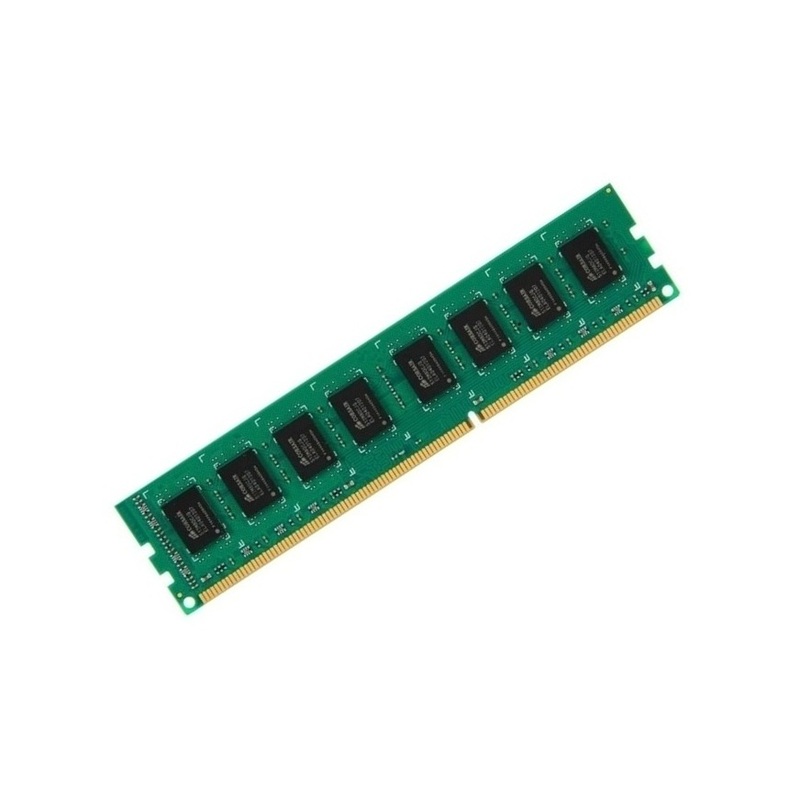
Dell SNPP9RN2C/8G 8GB DDR3 1333MHz SDRAM ECC Registered PC3-10600 Memory Module. New (System) Pull with 1 year replacement warranty
The Dell SNPP9RN2C/8G 8GB DDR3 1333MHz PC3-10600 ECC Registered Memory Module is a dependable upgrade solution designed for enterprise servers and professional workstations. Built with reliable DDR3 SDRAM technology, this memory module enhances system stability, improves data integrity, and supports efficient multitasking in demanding computing environments.
The Dell SNPP9RN2C/8G 8GB DDR3 1333MHz PC3-10600 SDRAM ECC Registered Memory Module is designed to deliver reliable and stable performance for enterprise server environments that depend on consistent memory operations. Built for compatibility with Dell enterprise server platforms, this memory module provides dependable capacity, efficient data transfer, and the error correction capabilities required for mission-critical workloads. In modern IT infrastructures where system uptime and data integrity are essential, the role of high-quality server memory is critical for maintaining smooth and efficient operations.
DDR3 SDRAM technology marked a significant advancement in memory architecture compared to earlier DDR2 memory modules. The Dell SNPP9RN2C/8G module utilizes DDR3 technology to provide faster data transfer rates, improved energy efficiency, and enhanced system responsiveness for enterprise server applications. DDR3 memory modules support higher clock speeds and improved bandwidth, allowing processors to access system memory more efficiently. Operating at 1333MHz, this memory module provides reliable performance for servers performing multi-threaded operations and handling simultaneous processes.
The PC3-10600 specification represents the theoretical maximum bandwidth supported by the Dell SNPP9RN2C/8G memory module. With a peak bandwidth of approximately 10.6GB per second, the module ensures efficient communication between the CPU and system memory. High bandwidth is essential for servers that handle large data sets, application hosting, and virtualization environments where multiple tasks operate simultaneously. High memory bandwidth enables processors to retrieve and store data quickly, reducing processing delays and improving application responsiveness. In enterprise environments where servers often support multiple users and applications at the same time, efficient memory throughput is vital for maintaining consistent performance.
DDR3 memory architecture introduces several improvements that enhance overall system performance. One of the most notable advantages is the increased prefetch buffer size, which allows the memory module to process larger blocks of data per cycle. This feature improves data transfer efficiency and helps maintain smooth communication between the processor and memory controller. Another advantage of DDR3 technology is improved signaling and reduced electrical noise. These enhancements contribute to stable performance in multi-DIMM server configurations, where multiple memory modules must operate simultaneously without interference.
DDR3 memory modules typically operate at lower voltages compared to DDR2 modules, which contributes to reduced power consumption. The Dell SNPP9RN2C/8G module benefits from this improved energy efficiency, helping organizations reduce overall energy usage within their server infrastructure. Lower power consumption also results in reduced heat generation, which contributes to improved hardware longevity and more efficient cooling within server chassis.
ECC memory technology is a critical feature in enterprise server environments where data integrity must be maintained at all times. The Dell SNPP9RN2C/8G memory module includes Error Correcting Code functionality, which detects and corrects memory errors automatically during system operation. ECC memory ensures that transient errors caused by electrical interference or environmental factors do not lead to corrupted data or system instability. In non-ECC memory systems, even minor errors can potentially cause application failures or unexpected system crashes. ECC memory mitigates this risk by constantly verifying the accuracy of stored data and correcting single-bit errors before they affect system operations.
Enterprise applications often process sensitive information and critical business data. Financial systems, enterprise resource planning software, and database platforms depend on accurate memory operations to ensure reliable results. The ECC functionality built into the Dell SNPP9RN2C/8G module helps maintain data integrity across these workloads. Servers operating in data centers frequently run for extended periods without interruption. During continuous operation, the likelihood of minor memory errors increases. ECC technology provides an essential safeguard that ensures system reliability throughout these extended operating periods.
ECC memory operates by storing additional parity bits alongside standard data bits. When data is read from memory, the system checks the parity bits to verify accuracy. If a single-bit error is detected, the system automatically corrects it without interrupting the application process. This continuous monitoring and correction process ensures that servers can maintain stable performance even when exposed to environmental or electrical variations that could otherwise affect memory reliability.
The Dell SNPP9RN2C/8G module uses registered DIMM architecture, which is commonly referred to as RDIMM. Registered memory modules include a register chip that buffers communication between the server’s memory controller and the memory chips on the module. This buffering mechanism improves signal integrity and ensures stable performance when multiple memory modules are installed. In enterprise servers that support large memory configurations, RDIMM technology is essential for maintaining reliable communication between hardware components. Without this buffering mechanism, the electrical load on the memory controller could lead to signal degradation and reduced system stability.
RDIMM architecture provides several advantages for enterprise computing environments. By stabilizing memory signals, registered DIMM modules allow servers to support higher memory capacities without sacrificing reliability. This capability is particularly important for servers that host virtualization environments or large database systems. Another benefit of RDIMM technology is improved compatibility with multi-processor server architectures. Servers with multiple CPUs rely heavily on stable memory communication to maintain balanced workload distribution across processor cores.
High-density server configurations often require the installation of numerous memory modules across multiple channels. RDIMM architecture helps ensure that these configurations operate reliably by isolating the memory controller from the electrical load of individual memory chips. The Dell SNPP9RN2C/8G module benefits from this architecture, allowing administrators to expand server memory capacity while maintaining consistent performance and stability.
The 1333MHz operating frequency of the Dell SNPP9RN2C/8G memory module provides reliable performance for enterprise workloads that require efficient memory access. Memory speed directly influences how quickly data can be transferred between the CPU and memory subsystem. Servers that run multiple applications simultaneously benefit from faster memory speeds because they reduce delays in data retrieval. Although newer DDR generations offer higher frequencies, DDR3-1333 memory remains a dependable solution for many enterprise systems that continue to operate legacy infrastructure.
Memory latency refers to the delay between a request for data and the moment the data becomes available. Properly optimized memory timing parameters ensure consistent system responsiveness and prevent performance fluctuations. The Dell SNPP9RN2C/8G module is designed to operate within specific latency parameters that balance performance and stability in supported server platforms.
The Dell SNPP9RN2C/8G memory module features a 240-pin DIMM form factor, which is standard for DDR3 server memory. This physical design allows the module to fit securely into compatible DIMM slots on server motherboards. The layout of the pins ensures accurate electrical connectivity and stable signal transmission between the memory module and the server hardware. Proper installation of DIMM modules is essential for maintaining optimal system performance. The standardized design ensures that the module aligns correctly with the server’s memory slots, allowing administrators to install upgrades quickly and efficiently.
The Dell SNPP9RN2C/8G memory module is designed for compatibility with a range of Dell enterprise server systems. These servers are widely deployed in corporate data centers, cloud infrastructure platforms, and enterprise IT environments. Using manufacturer-validated memory modules ensures seamless integration with server firmware and management tools. Compatibility with Dell hardware ensures that system administrators can monitor memory performance through integrated server management software. This visibility helps maintain optimal system health and allows early detection of potential hardware issues.
Dell enterprise servers include advanced monitoring capabilities that provide real-time insights into hardware performance. When the SNPP9RN2C/8G module is installed, the system can detect memory configuration details and track operational metrics such as temperature and error rates. This integration helps administrators maintain efficient server operations and quickly identify hardware anomalies before they affect system stability.
The Dell SNPP9RN2C/8G memory module supports a wide variety of enterprise workloads that require reliable memory performance. Virtualization platforms, application servers, and internal corporate services often depend on consistent memory availability to maintain efficient operations. In virtualization environments, each virtual machine requires dedicated memory resources to function properly. Installing multiple 8GB memory modules allows administrators to allocate sufficient RAM to each virtual system while maintaining balanced performance across the server.
Database servers frequently store cached data in system memory to accelerate query performance. Reliable ECC memory modules help ensure that cached data remains accurate and accessible, improving overall database efficiency. The Dell SNPP9RN2C/8G module supports these workloads by providing stable memory performance and dependable error correction capabilities.
Enterprise hardware components must meet strict quality standards to ensure dependable operation in critical environments. The Dell SNPP9RN2C/8G memory module undergoes rigorous validation testing to confirm compatibility with supported server systems and to verify stable performance under heavy workloads. Testing procedures typically include thermal stress analysis, electrical stability verification, and compatibility testing across multiple server configurations. These processes ensure that the memory module can withstand the demands of enterprise computing environments.


 Contact Us
 Information
 Catalog
 Solid State Drives (SSD)
 Network Switches
 Hard Disk Drives
 HBA & Controllers
 PC & Servers
 PC & Server Memory
 CPU & Processors
 Network Routers
 Power Supplies
 Tape Drives & Libraries
 Network Devices
 Computer & Network Cables