
(7% discount is applied at checkout)
Cart is empty
Your go-to destination for cutting-edge server products
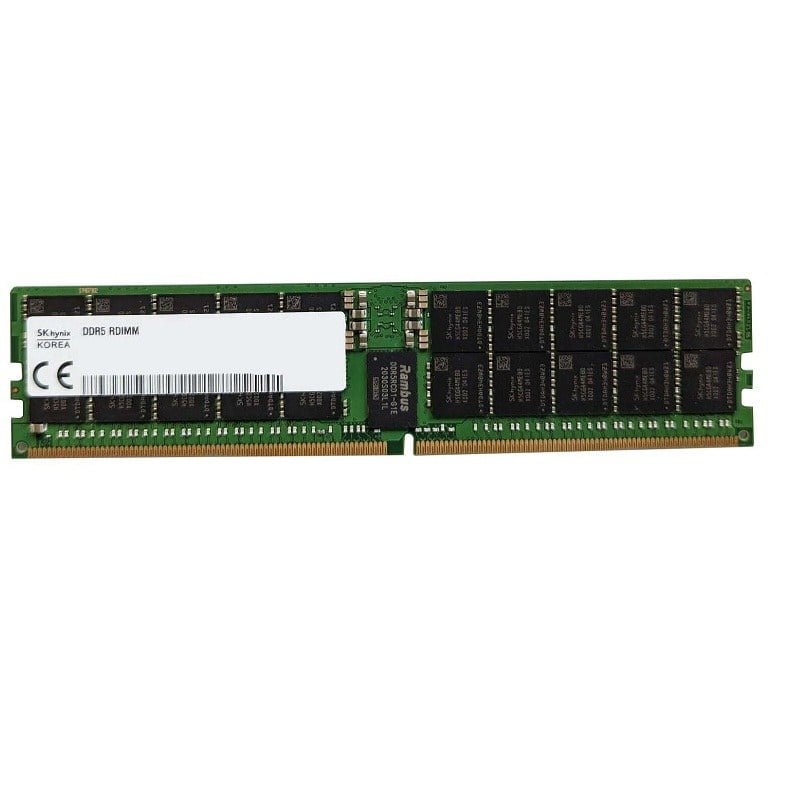
Hynix HMT31GR7CFR4C-PB 8GB PC3-12800 1600MHZ Ecc DDR3 SDRAM Registered RAM. New (System) Pull with 1 year replacement warranty
The Hynix HMT31GR7CFR4C-PB 8GB PC3-12800 DDR3-1600MHz 2Rx4 ECC RAM Module is engineered for stability, speed, and reliability in enterprise-grade systems. This registered DIMM ensures consistent performance for servers and workstations requiring advanced error correction.
The Hynix HMT31GR7CFR4C-PB 8GB PC3-12800 DDR3-1600MHz 2Rx4 ECC memory module represents a dependable class of server-grade RAM designed to strengthen data integrity and maintain stable computing behavior in demanding enterprise environments. This module is engineered for systems that require consistent throughput, minimized latency fluctuations, and support for mission-critical tasks. As DDR3 technology continues to be widely utilized across diverse infrastructures, products like this Hynix model remain essential for organizations seeking predictable performance and cost-efficient upgrades. By combining error correction capabilities with dual-rank architecture and a substantial 1600MHz operating frequency, the module delivers a balanced solution suitable for virtualization clusters, database servers, business workstations, and various mid-range computing platforms.
PC3-12800 indicates the theoretical bandwidth of the memory, corresponding to 12.8GB per second. This bandwidth is critical in environments where multiple processes require simultaneous access to system resources. The 1600MHz operating frequency ensures smoother data transactions between the memory controller and the module, reducing potential bottlenecks and enabling improved response times for multitasking operations. Servers and workstations utilizing memory of this specification benefit from optimized data pipelines, especially when handling application loads that involve frequent I/O requests or intensive computational procedures. This specific combination of bandwidth and frequency is what allows the Hynix HMT31GR7CFR4C-PB module to integrate smoothly into various older yet still operationally relevant server architectures.
The 1600MHz clock rate strikes an ideal equilibrium between power efficiency and throughput, two factors especially important in data centers looking to reduce operational costs without sacrificing functionality. Memory running at this speed contributes to predictable system cycles, ensuring that tasks reliant on consistent memory access—such as running virtual machines, processing large spreadsheet datasets, serving hosted websites, or managing multitier applications—perform reliably. Although newer memory generations have surpassed DDR3, thousands of systems still depend on modules like these to maintain optimal operational capacity, making them critical components in extended lifecycle management strategies.
PC3-12800-class throughput brings definite improvements to legacy server infrastructures. Even though it aligns with an older memory standard, the performance is sufficient for a wide range of professional uses including web hosting, domain controllers, light cloud management, and collaborative software environments. The module’s bandwidth helps reduce queue delays when multiple requests are processed simultaneously, ensuring that systems maintain smoother multitasking behavior. This is especially important for businesses that continue to rely on proven hardware solutions and wish to avoid premature upgrades to newer platforms that may require significant capital investments.
ECC, or Error-Correcting Code, plays a vital role in ensuring error-free operations within server ecosystems. Modules like the Hynix HMT31GR7CFR4C-PB automatically detect and correct single-bit memory errors, reducing the chances of system crashes, corrupted data blocks, and unpredictable application failures. This technology is particularly essential in environments such as financial systems, research labs, medical offices, government networks, and any setting where accuracy and uptime are highly valued. ECC memory modules help extend hardware longevity by reducing the stress caused by unresolved data inconsistencies, ultimately contributing to more sustainable and predictable infrastructure performance.
Data-critical workflows rely heavily on stable memory behavior. When systems run applications that manage or calculate sensitive data, even a minor error could lead to significant operational disruptions. ECC technology helps infrastructure administrators maintain high confidence levels in system reliability, especially in workloads involving massive relational databases, scientific calculations, or enterprise-level file handling. This stability is vital because it prevents silent data corruption—an issue that can propagate through networks unnoticed until it results in larger malfunctions or losses.
Unlike standard non-ECC memory, ECC modules incorporate an additional layer of integrity verification. While non-ECC memory is suitable for general consumer systems, its lack of error correction capabilities makes it less appropriate for professional server roles. ECC memory like the Hynix HMT31GR7CFR4C-PB ensures consistent performance under long-term usage, particularly in systems operating 24/7. This makes it an essential component for hardware setups that cannot afford unexpected downtime or data inaccuracies, reinforcing its relevance across various IT infrastructures.
The 2Rx4 architecture of this module denotes a dual-rank design with x4 data width per chip. Dual-rank modules typically offer enhanced performance in systems capable of leveraging their structure, as they allow alternating access patterns between ranks. This effectively reduces wait cycles and enables improved throughput. Additionally, the x4 configuration contributes to better error correction behavior, making it a preferred structure in enterprise-grade memory solutions. When incorporated into servers that properly support dual-rank modules, the overall stability and performance optimization becomes noticeable in high-demand applications.
Multi-threaded applications, such as virtualization platforms, benefit significantly from dual-rank memory modules. Since servers often allocate memory resources to numerous virtual machines simultaneously, the capacity to switch between ranks helps balance workload distribution. This improved handling translates to smoother guest operating system performance, lower latency during I/O-heavy tasks, and more efficient multi-session processing. For businesses scaling their virtualization resources gradually, the Hynix HMT31GR7CFR4C-PB module presents a dependable upgrade option that supports predictable and repeatable performance.
ECC systems frequently benefit from x4 data width designs due to their enhanced error correction capabilities compared to x8 configurations. The reliability improvements associated with x4 constructions help reduce the chances of multi-bit failure scenarios. Because enterprise servers emphasize sustained uptime, the combination of ECC technology with 2Rx4 structural advantages creates a robust memory environment capable of supporting the strict reliability demands common across data processing centers and professional computing infrastructures.
The Hynix HMT31GR7CFR4C-PB module is built to integrate seamlessly with numerous server architectures that continue to utilize DDR3 memory. Models from major manufacturers such as Dell, HP, Lenovo, Cisco, Supermicro, IBM, and other recognized brands can support modules with these specifications. This widespread compatibility reinforces the longevity of DDR3 ecosystems, allowing organizations to extend the functional lifespan of existing hardware without significant disruptions. When used in multi-channel configurations, these modules help preserve balanced memory population guidelines, ensuring that servers are able to operate at peak stability and performance efficiency.
Compatibility for enterprise memory modules typically depends on factors such as motherboard architecture, chipset capabilities, BIOS version, and memory controller design. The Hynix HMT31GR7CFR4C-PB module adheres closely to JEDEC industry standards, ensuring predictable behavior across compliant systems. IT administrators looking to deploy this module should confirm rank support, speed matching, and ECC requirements for their servers to ensure optimal functionality. Once properly installed, the module integrates effortlessly, requiring no specialized configuration beyond typical system recognition and initialization procedures.
JEDEC specifications play a pivotal role in ensuring that memory modules like the Hynix HMT31GR7CFR4C-PB achieve uniform performance across diverse hardware environments. By adhering to these standards, the module is guaranteed to meet specific timing, voltage, and operational requirements. This uniformity not only improves cross-platform compatibility but also enhances predictability during large-scale deployments. IT departments deploying multiple identical modules across numerous servers can benefit from smooth and consistent adoption without encountering unexpected interoperability challenges.
Although DDR3 has been succeeded by DDR4 and DDR5 technologies, it remains deeply embedded within various infrastructures worldwide. Many organizations operate stable systems built on DDR3 platforms, valuing their reliability, predictable performance characteristics, and cost-effective upgrade paths. The Hynix HMT31GR7CFR4C-PB module continues to support these infrastructures by providing dependable memory expansion options that help extend system lifecycles. As long as legacy applications and hardware remain integral to operations, DDR3 memory modules such as this one will retain strong relevance in numerous professional environments.
Thousands of organizations maintain servers running DDR3 memory due to their proven stability and compatibility with long-established workflows. These systems are often employed in administrative offices, academic institutions, industrial automation setups, and public sector environments. Because many tasks performed in such settings do not require cutting-edge speeds, the dependable output of DDR3 hardware remains more than adequate. Additionally, these systems often benefit from years of firmware optimizations and vendor support that continue to ensure operational efficiency.
Transitional environments, where older systems coexist with newer technologies, frequently rely on DDR3 memory modules. The affordability of this platform makes it practical for gradual upgrades, enabling organizations to maintain service continuity while gradually adopting newer technologies. DDR3-based servers can complement more modern systems by handling less resource-intensive workloads, thereby freeing up newer servers for tasks that require advanced processing capabilities. The Hynix HMT31GR7CFR4C-PB module plays a fundamental role in maintaining the viability of such hybrid environments.
The power profile of the Hynix HMT31GR7CFR4C-PB unit adheres to DDR3’s low-voltage operational standards, which help reduce thermal output during continuous use. Efficient heat dissipation is essential in densely packed server racks, where temperature regulation directly influences hardware longevity and overall system reliability. This module’s ability to operate within safe temperature ranges ensures that servers can maintain consistent performance without requiring excessive cooling measures. Power efficiency also helps organizations reduce overall energy expenses, making DDR3 memory a practical component for cost-controlled data center operations.
Servers typically operate around the clock, and even minor variations in power consumption can significantly impact annual operational costs. Memory modules with stable voltage requirements and moderate heat generation contribute to more efficient rack configurations. When multiplied across dozens or hundreds of servers, the benefits of efficient memory modules like the Hynix HMT31GR7CFR4C-PB become increasingly substantial. The module’s dependable thermal behavior supports consistent uptime and enhances the reliability of entire server ecosystems.
Thermal stability ensures that a memory module can maintain its rated speed and functionality under the demands of prolonged workload cycles. Whether a server is managing user databases, running virtualization tasks, or supporting high-traffic network services, temperature consistency helps preserve predictable performance. The Hynix module’s design ensures it can withstand these extended periods of operation without suffering performance throttling or instability, making it an excellent candidate for continuous-use environments where reliability is a top priority.
Hynix, a leading global memory manufacturer, has a long-standing reputation for producing reliable DDR3 modules used in millions of systems worldwide. The HMT31GR7CFR4C-PB model reflects the company’s commitment to quality control, manufacturing precision, and adherence to industry standards. Businesses and system integrators rely on Hynix memory to maintain dependable server architectures due to the brand’s well-established history of delivering components with consistent performance and longevity. This trust has made Hynix modules a common choice for organizations seeking reliable upgrades for mature hardware ecosystems.
Hynix memory products are widely recognized in data centers, corporate IT departments, and OEM systems from major hardware brands. This widespread adoption underscores the manufacturer’s influence in the technology sector. The HMT31GR7CFR4C-PB module continues this legacy by offering organizations a trusted solution for maintaining existing infrastructure while ensuring high efficiency and stability. Its global availability also makes it a practical choice for organizations with distributed locations that require standardized hardware components.
Upgrading server memory remains one of the most effective ways to boost system performance without replacing entire infrastructures. The Hynix HMT31GR7CFR4C-PB module supports this objective by offering a cost-efficient way to expand RAM capacity, enabling servers to handle more concurrent operations, support additional users, and sustain higher workloads. For network servers, virtualization hosts, and database machines, increased memory capacity translates into improved system responsiveness and reduced latency.
Expanding memory resources has a direct and immediate impact on virtualization platforms such as VMware, Hyper-V, and Proxmox. With larger memory pools, servers can support additional virtual machines or allocate more memory per instance. Container-based environments also benefit from increased memory availability, as resource isolation becomes more efficient. The stability provided by ECC memory further enhances these environments by preventing errors that might otherwise interrupt or destabilize virtual services.
ECC memory enables more confident resource allocation across VMs because administrators can trust that memory integrity will remain stable under varied conditions. This ensures that virtual environments experience fewer interruptions and smoother user session experiences. Systems depending heavily on virtualization can maintain predictable performance even under rapidly shifting workloads.
Database servers benefit significantly from increased and reliable memory resources. Whether hosting SQL, Oracle, MySQL, or NoSQL environments, the use of ECC memory helps ensure that each read and write request is accurately processed. Increased memory capacity helps reduce disk I/O dependency, resulting in faster query execution and improved user satisfaction. These enhancements directly influence the overall efficiency of business operations reliant on timely data retrieval and processing.
For databases managing large tables, memory expansion allows more data to be held in cache, which decreases access times and improves transaction throughput. ECC memory ensures these cached values remain uncorrupted during processing, reducing operational anomalies and contributing to smoother database management performance.


 Contact Us
 Information
 Catalog
 Solid State Drives (SSD)
 Network Switches
 Hard Disk Drives
 HBA & Controllers
 PC & Servers
 PC & Server Memory
 CPU & Processors
 Network Routers
 Power Supplies
 Tape Drives & Libraries
 Network Devices
 Computer & Network Cables