(7% discount is applied at checkout)
Cart is empty
Your go-to destination for cutting-edge server products
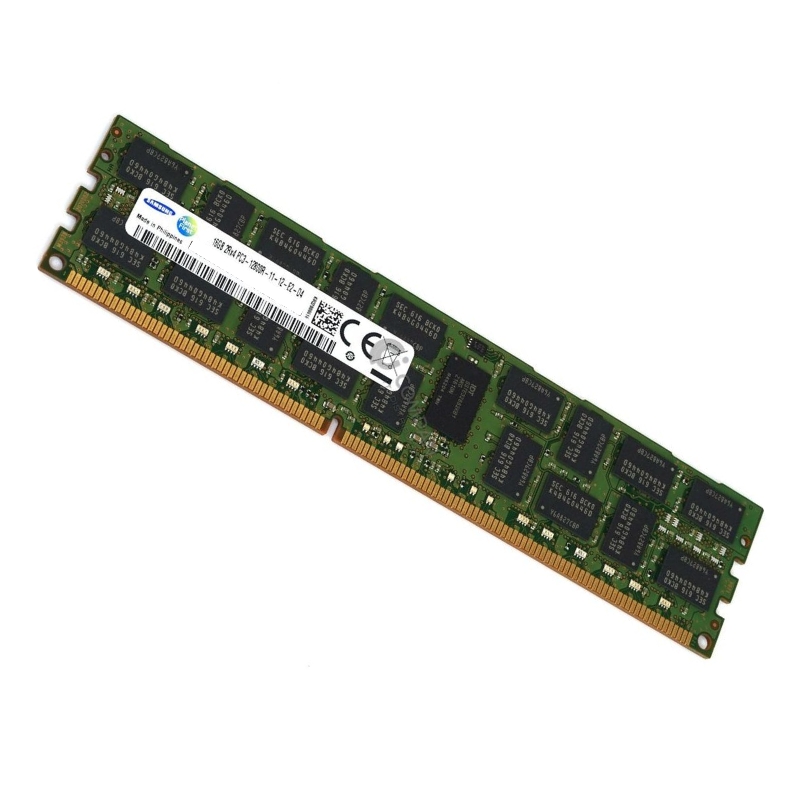


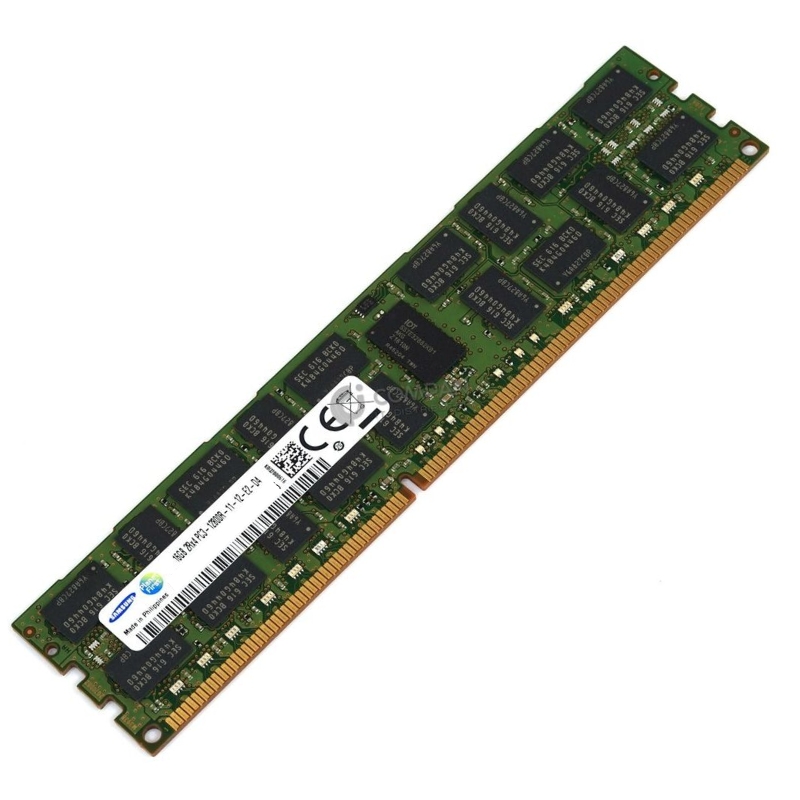
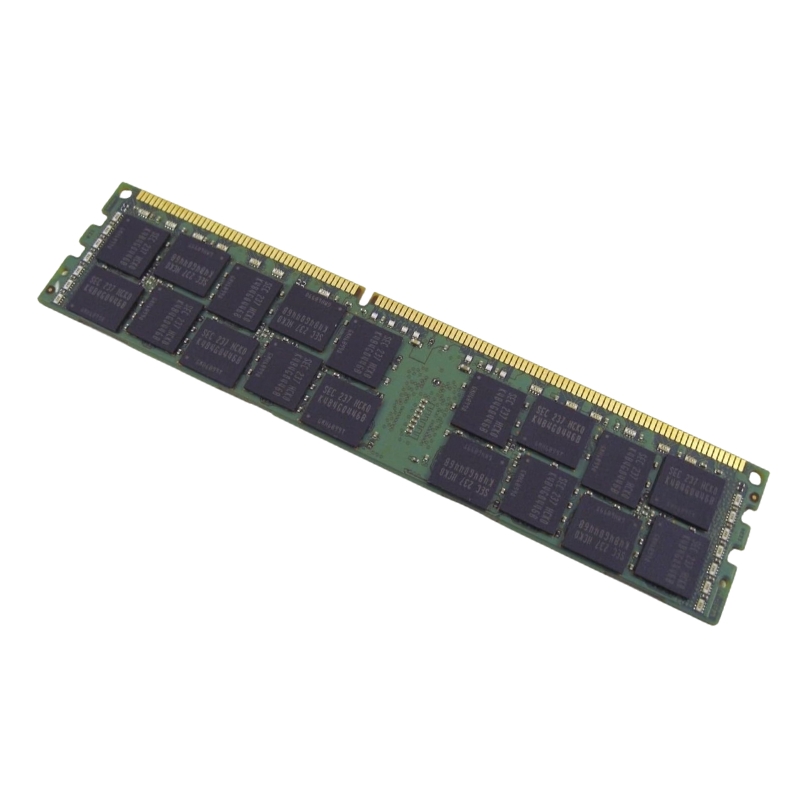
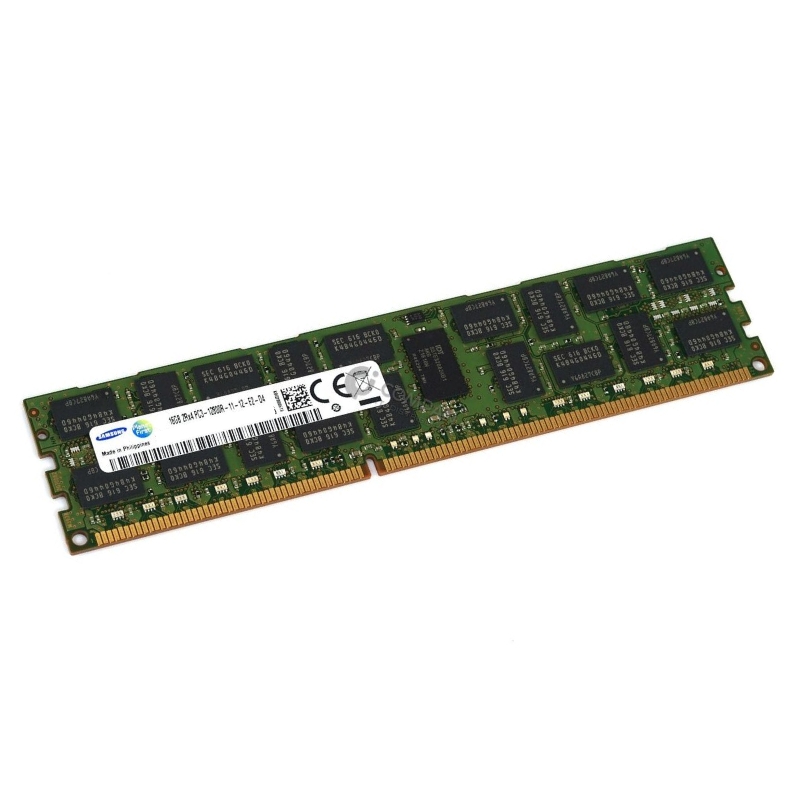
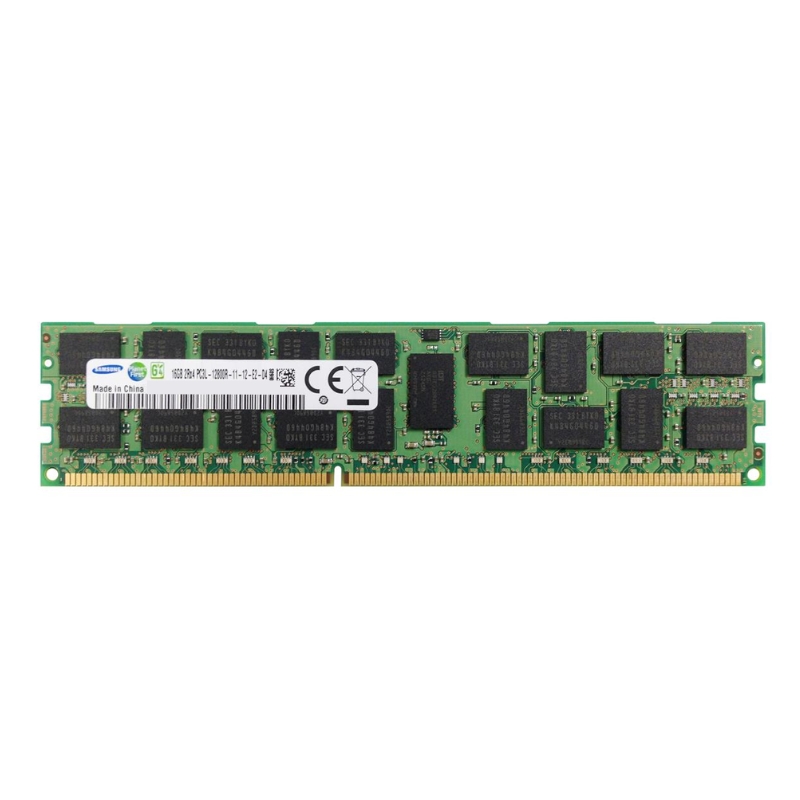
Samsung M393B2G70DB0-CK0 16GB DDR3 1600MHz PC3-12800 Cl11 ECC Registered Sdram 240-Pin Dimm Memory Module. New (System) Pull with 1 Year Replacement Warranty
The Samsung M393B2G70DB0-CK0 Memory Module is equipped with a generous capacity of 16GB, making it an ideal choice for users who require high-performance memory for their computing needs. Whether you are a professional dealing with demanding tasks or an avid gamer looking for seamless gameplay, this memory module offers the perfect solution.
The Samsung M393B2G70DB0-CK0 16GB DDR3 1600MHz PC3-12800 ECC Registered SDRAM memory module belongs to a specialized category of enterprise-grade server memory engineered for sustained performance, data integrity, and platform stability. This category focuses on registered dual in-line memory modules designed for professional computing environments where uptime, predictability, and error prevention are critical. DDR3 registered memory plays a central role in legacy and transitional server infrastructures that continue to deliver dependable performance in virtualization, database processing, and application hosting workloads.DDR3 ECC registered memory modules differ fundamentally from consumer-grade unbuffered DIMMs by incorporating a register between the memory controller and DRAM chips. This architectural layer reduces electrical load on the memory controller, allowing servers to support larger memory capacities across multiple slots. In enterprise platforms that require high memory density and stability, registered memory becomes a foundational component rather than an optional upgrade.
Error Correcting Code functionality is a defining feature of this memory category. ECC technology enables the detection and correction of single-bit memory errors and the detection of multi-bit errors before they propagate through the system. In server environments where memory errors can result in corrupted databases, system crashes, or silent data corruption, ECC registered memory offers a crucial layer of protection. The Samsung M393B2G70DB0-CK0 operates within this category by ensuring data reliability even under heavy computational loads.ECC registered DDR3 modules are particularly valuable in long-running processes where systems remain operational for extended periods. Scientific modeling, financial analytics, enterprise resource planning systems, and cloud services benefit directly from ECC memory’s ability to maintain data accuracy over time.
Operating at a frequency of 1600MHz, also referred to as PC3-12800, this memory category balances bandwidth efficiency with platform compatibility. DDR3 1600MHz modules provide a theoretical peak bandwidth of 12.8GB/s per module, making them suitable for multi-channel memory architectures found in enterprise servers. This level of throughput supports concurrent user sessions, virtual machine density, and transaction-heavy workloads without introducing bottlenecks.In server platforms optimized for DDR3, 1600MHz memory represents a mature and widely supported speed tier. It offers improved performance over earlier DDR3 frequencies while maintaining lower power consumption and thermal output compared to higher-speed variants that may not be supported across all server chipsets.
The CAS latency rating of CL11 places this memory module within a category optimized for stable, predictable access times rather than aggressive latency reduction. In enterprise computing, consistent memory timing is often more valuable than marginal latency improvements. CL11 timing ensures compatibility with a wide range of server motherboards and processors designed around JEDEC-compliant DDR3 specifications.Server workloads typically prioritize throughput, reliability, and scalability over raw latency metrics. As a result, memory modules like the Samsung M393B2G70DB0-CK0 are engineered to deliver steady performance across varied workloads without compromising system stability.
Registered DIMMs incorporate a register chip that buffers command and address signals before they reach the DRAM components. This design significantly enhances signal integrity, especially in systems populated with multiple memory modules. In large-scale server configurations, unbuffered memory can introduce signal degradation that limits maximum capacity and operational stability. Registered DDR3 memory addresses this limitation directly.The category of ECC registered DDR3 memory is therefore essential for servers requiring high memory density across multiple channels. By reducing electrical stress on the memory controller, registered modules allow for more DIMMs per channel, enabling scalable memory configurations suitable for enterprise workloads.
Servers often populate all available DIMM slots to maximize memory capacity. Each additional module increases the electrical load on the memory controller. Registered memory mitigates this challenge by isolating the controller from direct communication with every DRAM chip. This design ensures that performance remains consistent even as memory capacity scales upward.In platforms supporting dual-socket or quad-socket processors, the benefits of registered memory become even more pronounced. The M393B2G70DB0-CK0 fits seamlessly into this category by supporting high-density configurations without sacrificing reliability.
Samsung is widely recognized for its vertically integrated semiconductor manufacturing process. Memory modules within this category benefit from Samsung’s control over DRAM fabrication, module assembly, and quality assurance. This integration ensures consistency across production batches and long-term availability for enterprise deployments that require identical replacement components over time.Samsung server memory modules undergo extensive validation to meet JEDEC standards and platform-specific requirements. This rigorous testing process ensures compatibility with major server manufacturers and chipset vendors, making Samsung DDR3 ECC registered memory a trusted choice in enterprise environments.
Enterprise memory modules are designed to operate continuously under varying thermal conditions. The Samsung M393B2G70DB0-CK0 belongs to a category engineered for thermal stability, ensuring consistent performance in densely populated server chassis. Heat management is critical in data centers, and memory modules must maintain signal integrity even as ambient temperatures fluctuate.By adhering to strict thermal and electrical specifications, Samsung ensures that its DDR3 registered memory modules maintain long operational lifespans, reducing the frequency of replacements and minimizing maintenance costs.
The 240-pin DIMM form factor defines the physical and electrical interface for DDR3 memory modules. This category of memory is compatible with a wide range of server motherboards designed for DDR3 technology. The standardized pin layout ensures proper alignment, signal routing, and power delivery within supported platforms.Server administrators rely on standardized form factors to simplify upgrades and replacements. The 240-pin DDR3 ECC registered DIMM remains a cornerstone of legacy and transitional server systems, providing a stable foundation for enterprise computing environments.
DDR3 ECC registered memory modules are supported by numerous server chipsets from major processor vendors. These platforms are designed to recognize registered memory architecture and enable ECC functionality at the hardware level. Compatibility with server-class processors ensures that the memory’s full feature set is utilized effectively.System builders and IT professionals often select memory modules from this category to maintain compatibility across heterogeneous server fleets. The Samsung M393B2G70DB0-CK0 aligns with these requirements by adhering to industry standards.
Enterprise memory modules must meet strict compliance standards to ensure interoperability and reliability. This category adheres to JEDEC specifications governing DDR3 memory behavior, electrical characteristics, and timing parameters. Compliance ensures predictable operation across supported platforms.Samsung’s validation processes include compatibility testing with leading server vendors and stress testing under sustained workloads. These measures ensure that memory modules perform reliably in real-world data center conditions.
Servers often operate continuously for months or years without interruption. Memory modules within this category are engineered to maintain data integrity throughout prolonged operation cycles. ECC error correction, combined with registered signal buffering, minimizes the risk of data corruption over time.This reliability is essential for industries where data accuracy and system availability are non-negotiable, including finance, healthcare infrastructure, telecommunications, and enterprise IT services.
DDR3 memory technology offers improved energy efficiency compared to earlier generations, making it suitable for data centers seeking to balance performance with power consumption. The Samsung M393B2G70DB0-CK0 operates within standardized voltage parameters, contributing to predictable power usage across server deployments.Lower power consumption at the memory level translates to reduced heat output and cooling requirements. This efficiency supports higher server density within racks and contributes to overall operational cost savings.
Registered memory modules benefit from optimized power delivery mechanisms that support stable operation under load. By buffering command signals, the register chip helps maintain consistent voltage levels across DRAM components, reducing the likelihood of transient errors.This design aligns with enterprise power management strategies aimed at maintaining system stability while optimizing energy usage.


 Contact Us
 Information
 Catalog
 Solid State Drives (SSD)
 Network Switches
 Hard Disk Drives
 HBA & Controllers
 PC & Servers
 PC & Server Memory
 CPU & Processors
 Network Routers
 Power Supplies
 Tape Drives & Libraries
 Network Devices
 Computer & Network Cables