(7% discount is applied at checkout)
Cart is empty
Your go-to destination for cutting-edge server products
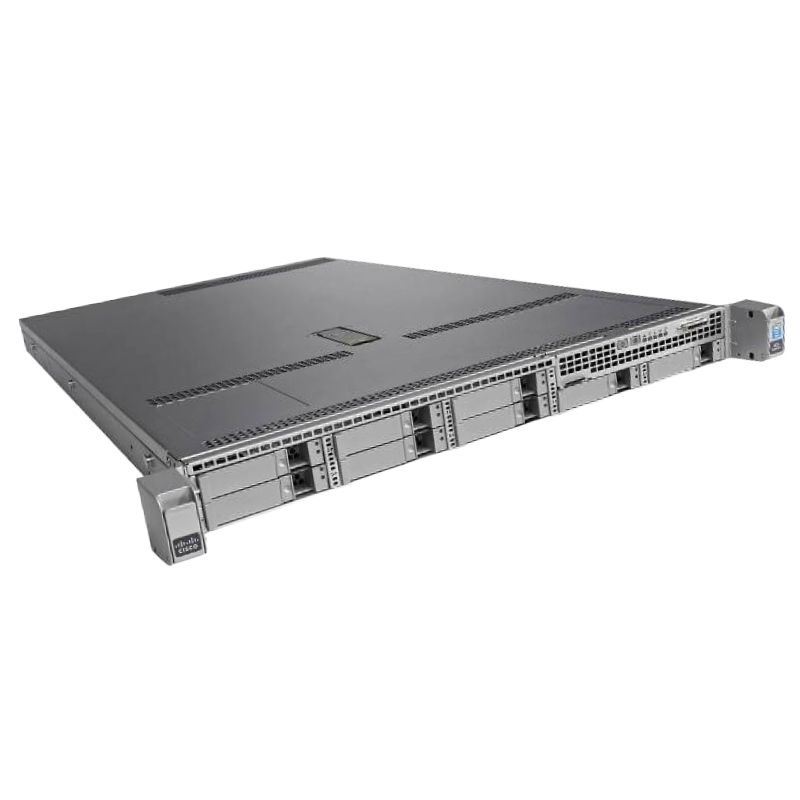


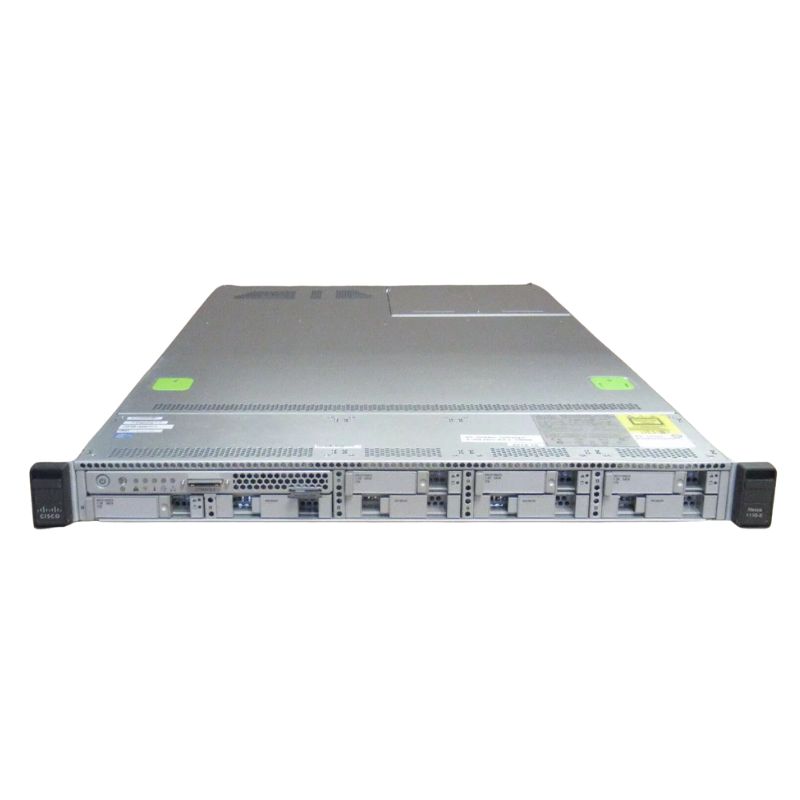
Cisco N1K-1110-S One Nexus 1110-S With 32x Nexus 1000V. Excellent Refurbished with 1 year replacement warranty
The Cisco N1K-1110-S, also known as the Nexus 1110-S, is a high-performance switch designed for modern network infrastructures. With seamless integration of 32x Nexus 1000V ports, this switch delivers unmatched reliability and flexibility for enterprise environments.
The N1K-1110-S is engineered to provide versatile port configurations for efficient network expansion:
The Cisco N1K-1110-S One Nexus 1110-S With 32x Nexus 1000V is a powerful, purpose-built hardware appliance engineered to serve demanding data center and cloud networking environments. Designed as part of Cisco’s Nexus 1100 Series Cloud Services Platforms (CSPs), this unit provides a centralized infrastructure for virtual network services and virtualization management. It combines enterprise-grade hardware with an integrated platform to support high-performance, scalable, and resilient data center operations. By hosting multiple instances of virtual switching services, the Nexus 1110-S enables organizations to streamline their virtual networking deployments and enhance the overall agility and performance of their virtualized infrastructure. With support for up to 32 instances of the Nexus 1000V virtual switch, this platform is particularly suitable for large-scale cloud computing scenarios where flexible, secure, and efficient networking services are required. The blend of robust processors, ample memory, and extensive connectivity equips the Nexus 1110-S to handle a wide range of networking tasks without compromising performance or reliability.
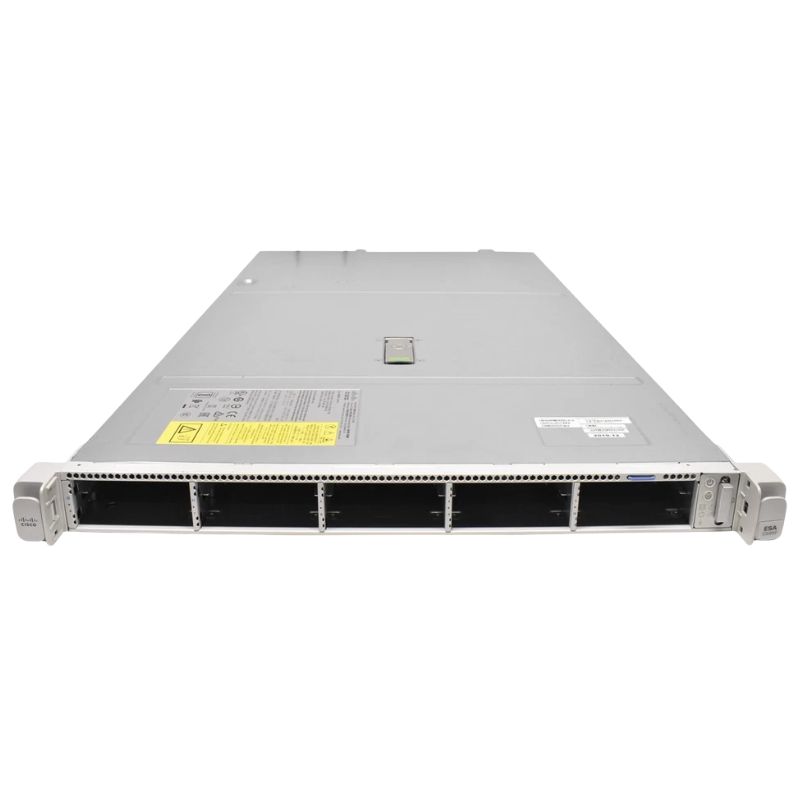
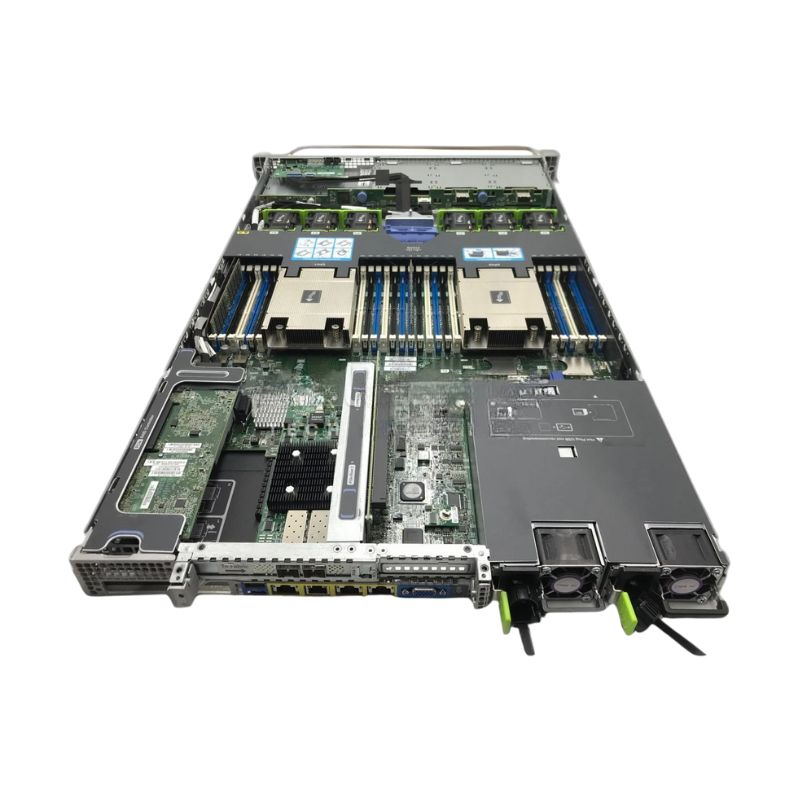
The hardware architecture of the Cisco N1K-1110-S is designed for reliability, scalability, and performance. Housed in a standard 1U rackmount form factor, this platform is optimized for efficient use of space in data center racks. Its chassis supports industry-standard rack mounting with dimensions that balance compactness with internal capability. At its core, the system is powered by dual Intel Xeon processors — providing high processing power and multicore performance, which are essential for handling intensive virtual networking workloads. Coupled with a memory configuration of 32 GB DDR3 spread across multiple modules, the N1K-1110-S offers fast data processing and the capacity to support multiple virtual services concurrently. Storage within the appliance includes redundant SATA hard drives and Cisco Flexible Flash for system boot and utility operations, reflecting a design that prioritizes both storage performance and reliability. The inclusion of integrated management controllers allows for automated, remote, and out-of-band management, ensuring administrators maintain complete control of the hardware even under complex operational scenarios.
The dual Intel Xeon processors in the Nexus 1110-S provide the computational muscle necessary for virtualization and networking services. These processors support multiple cores and high clock speeds to ensure that hosting virtual services, such as the Nexus 1000V virtual switch modules, does not compromise performance. With 32 GB of DDR3 memory at standard speeds, the system can efficiently manage data loads, cache frequently accessed information, and support a large number of concurrent processes. This balance of processor and memory resources is particularly useful in data center environments where virtual machines and services generate significant traffic and perform numerous networking functions simultaneously.
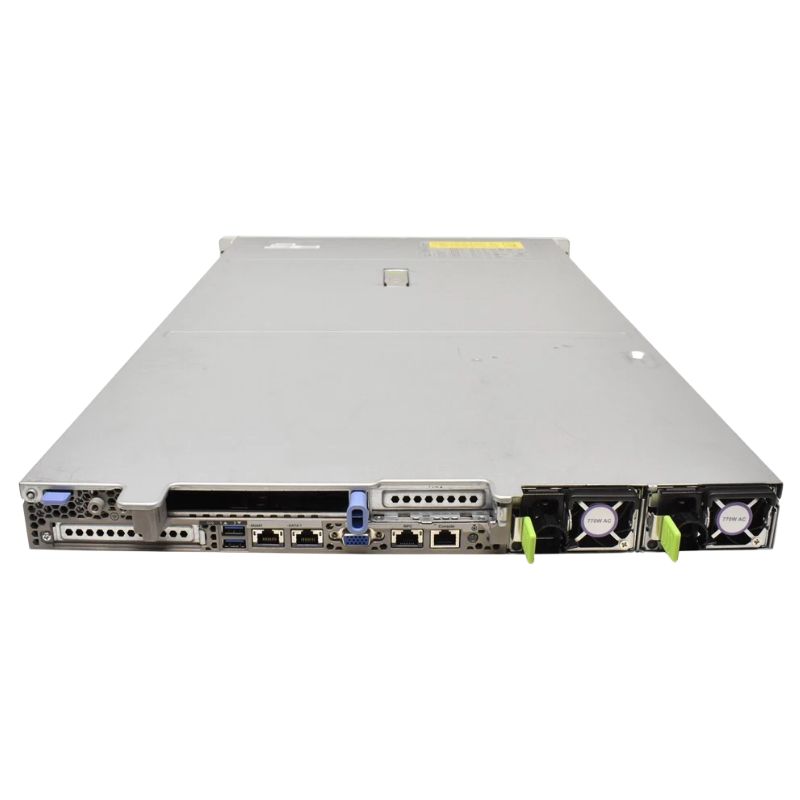
The storage architecture of the Cisco N1K-1110-S combines performance with resilience. Equipped with two SATA hard disk drives in a RAID configuration, the system ensures redundancy and data protection for critical networking configurations. The RAID implementation mitigates the risk of data loss due to a single drive failure while providing the necessary throughput for system operations. Supplementing the hard drives, the Cisco Flexible Flash drive serves as a reliable medium for the operating system and essential utilities, further enhancing the operational stability of the platform. The inclusion of redundant power supplies, optional 650 watt units, ensures uninterrupted operations, even in power-sensitive environments. These design considerations reflect Cisco’s commitment to delivering networking solutions that support 24/7 uptime with minimal maintenance overhead.
Connectivity is a cornerstone of the Cisco Nexus N1K-1110-S, with integrated network interfaces and peripheral connections designed to support both management and data-plane traffic. Standard configurations include dual 1 Gigabit Ethernet LAN ports on the motherboard, which are essential for initial deployment, management, and data traffic. Additionally, rear-facing management interfaces such as RJ-45 Ethernet, serial ports, USB connections, and VGA provide administrators with multiple avenues for device interaction and configuration. These interfaces make setup and ongoing maintenance accessible, even in complex rack environments. The Nexus 1110-S platform’s connectivity suite ensures that both the virtual switching services and the physical management paths remain clearly delineated and efficient, supporting both network performance and administrative control.
One of the defining features of this Nexus platform is its ability to host virtual service blades, particularly the Cisco Nexus 1000V instances. The 32x Nexus 1000V capability means that the system can support 32 virtual switches, enabling large-scale virtual network topologies to be managed centrally. The Nexus 1000V solution provides advanced virtual switch functions such as VLAN segmentation, policy enforcement, security filtering, quality of service (QoS), and traffic monitoring at the virtual machine level. These virtual switches operate within hypervisor environments such as VMware vSphere and Microsoft Hyper-V, allowing organizations to extend the control and visibility traditionally associated with physical switch platforms into their virtual ecosystems. Nexus 1000V’s integration with the Nexus 1110-S platform allows for consistent policy application, simplified network segmentation, and unified management of virtual and physical network elements — making this combination a very powerful tool for modern data center architects looking to unify operations across virtual and physical domains.
In typical deployments, advanced editions of the Nexus 1000V license are included to enable full-featured virtual switching functionality. These licenses unlock capabilities that are critical in cloud and virtual environments, such as advanced security enforcement, distributed routing, and deep packet inspection. By bundling these virtual switch licenses with the hardware platform, the Cisco N1K-1110-S simplifies procurement and deployment of virtual network services while ensuring administrators have the necessary tools to implement complex networking policies. This licensing approach also promotes scalability, as additional virtual services can be added without the need for additional physical infrastructure, optimizing both cost and data center footprint.
Administrators managing the Cisco Nexus 1110-S platform benefit from comprehensive system management tools that streamline operations and reduce complexity. Cisco’s NX-OS provides a consistent interface and command set that aligns with other Cisco networking devices, allowing experienced network engineers to apply familiar workflows and automation scripts. These interfaces support both CLI and GUI-based administration, enabling flexibility depending on the preference and experience of the operations team. The integrated management controller also supports IPMI 2.0, making it possible to execute remote management tasks, monitor health metrics, and automate firmware updates seamlessly. Such robust administrative capabilities ensure that even large-scale deployments remain manageable without the need for extensive manual intervention.
Security is a priority in any modern networking environment, and the Cisco Nexus N1K-1110-S platform includes a range of features designed to protect both the infrastructure itself and the data it carries. Through the Nexus 1000V virtual switch integration, administrators can implement security policies that enforce segmentation, access controls, and threat mitigation directly at the virtual machine level. These capabilities include role-based access controls, micro‑segmentation, and firewall enforcement policies that are consistent with enterprise security best practices. Additionally, compliance with industry standards and regulatory requirements ensures that the platform can be deployed in environments requiring strict adherence to security and data governance mandates.
The physical design of the Nexus 1110-S includes operational characteristics that support a wide range of data center environments. The unit operates within industry-standard temperature and humidity ranges, ensuring reliable performance even in high-density server racks. Its compact form factor allows it to be integrated into existing infrastructure with minimal disruption, and its mechanical design includes features that facilitate effective cooling, cable management, and maintenance access. Because data centers often operate around the clock, these considerations contribute to predictable, resilient performance for critical network services.
When deploying the Cisco N1K-1110-S within a virtualized data center, architects should consider the relationships between physical resources and virtual workloads. Placement of the appliance within the network topology affects performance, latency, and scalability. Ensuring adequate connectivity to upstream switches, storage area networks, and virtualization clusters enhances the effectiveness of the virtual switch instances and improves overall network throughput. Deployments often integrate with virtualization management platforms such as VMware vCenter or Microsoft System Center Virtual Machine Manager to synchronize configuration and policy enforcement across physical and virtual domains. This strategic integration reduces complexity and promotes operational efficiency.


 Contact Us
 Information
 Catalog
 Solid State Drives (SSD)
 Network Switches
 Hard Disk Drives
 HBA & Controllers
 PC & Servers
 PC & Server Memory
 CPU & Processors
 Network Routers
 Power Supplies
 Tape Drives & Libraries
 Network Devices
 Computer & Network Cables