(7% discount is applied at checkout)
Cart is empty
Your go-to destination for cutting-edge server products


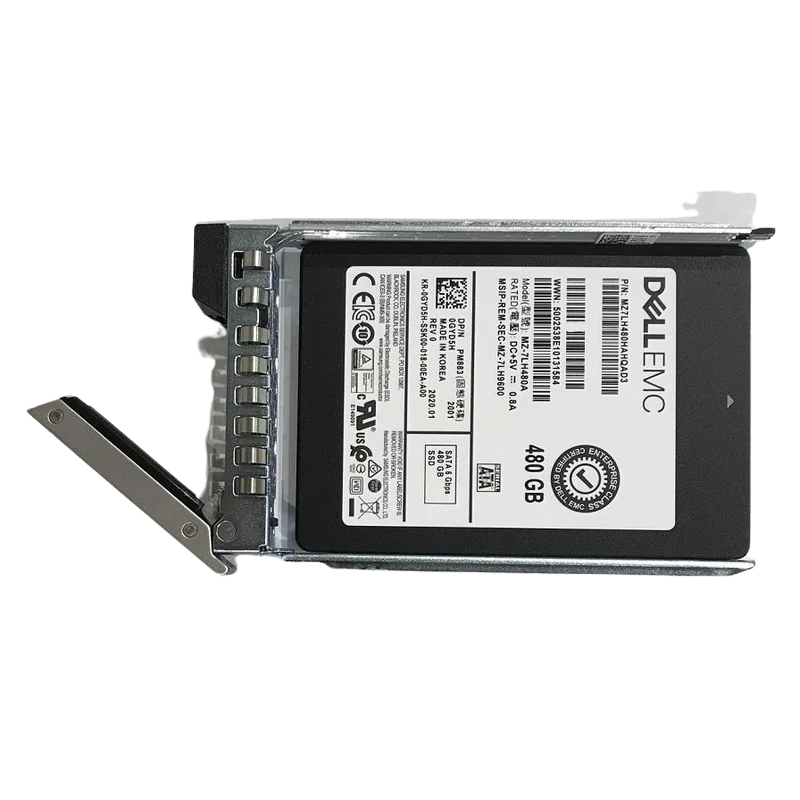
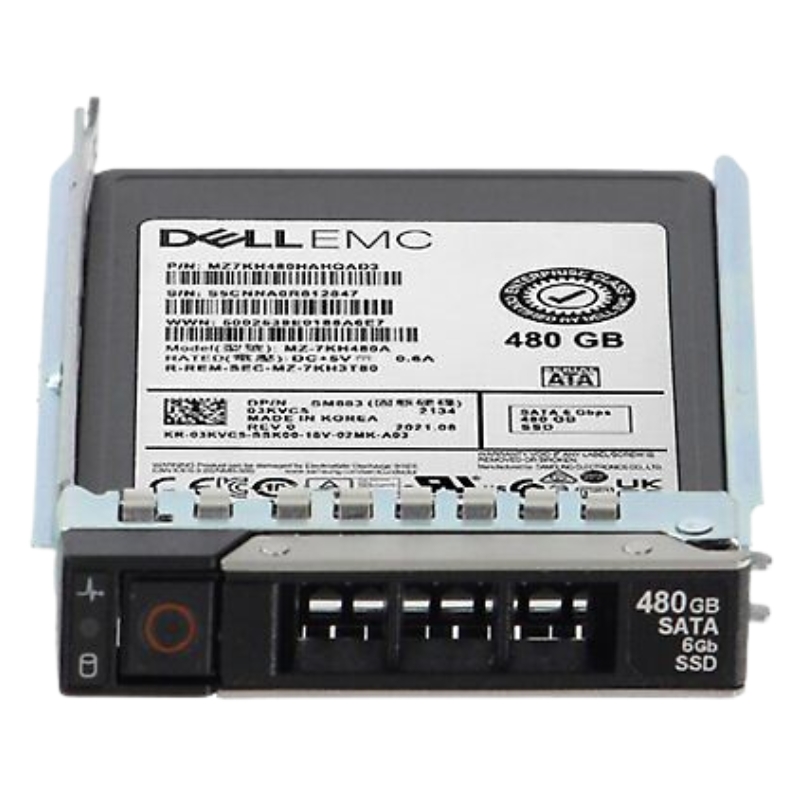
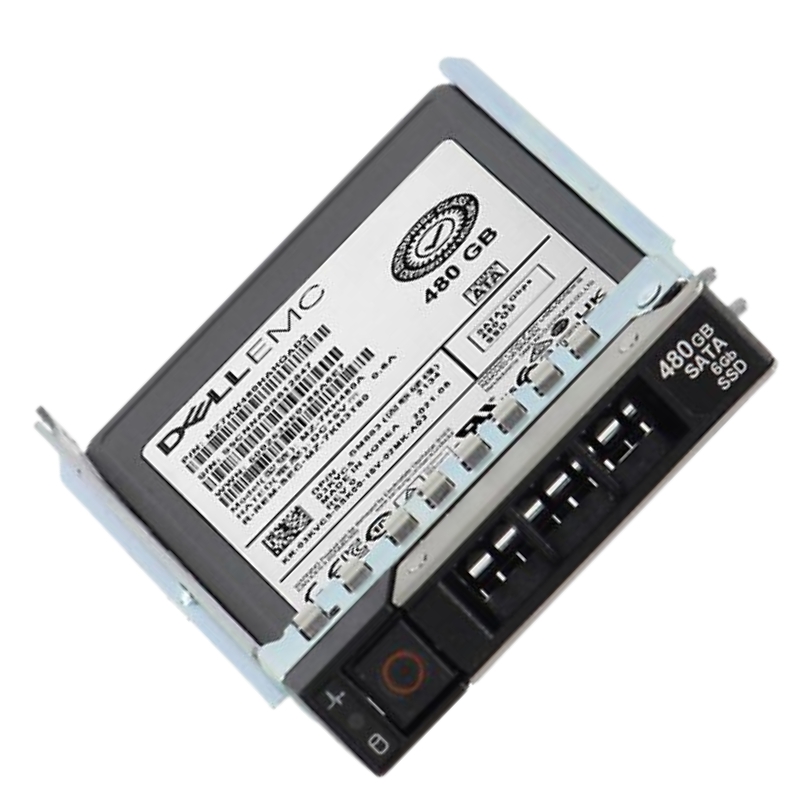
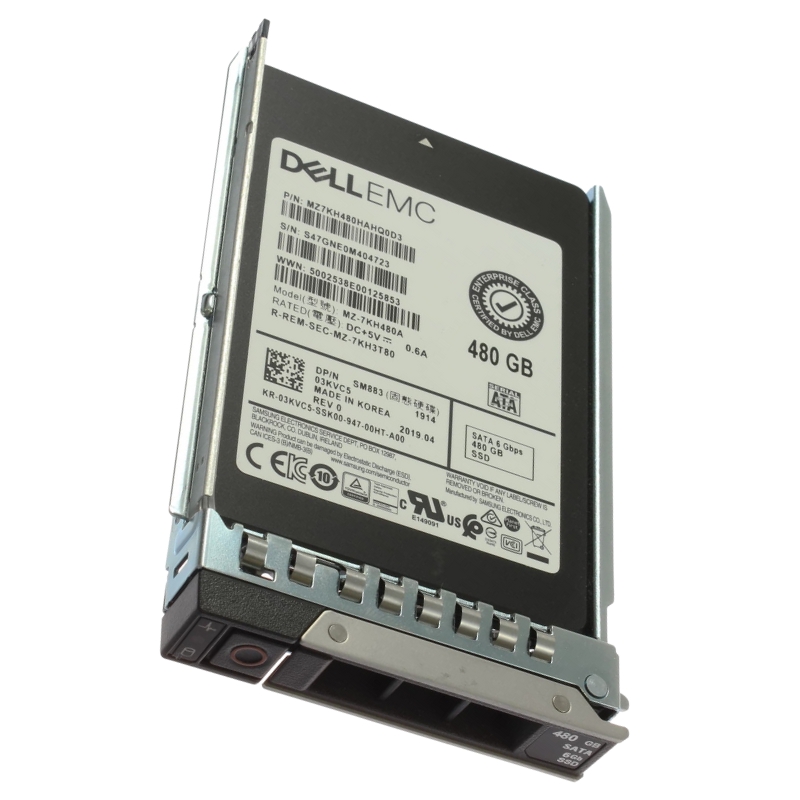
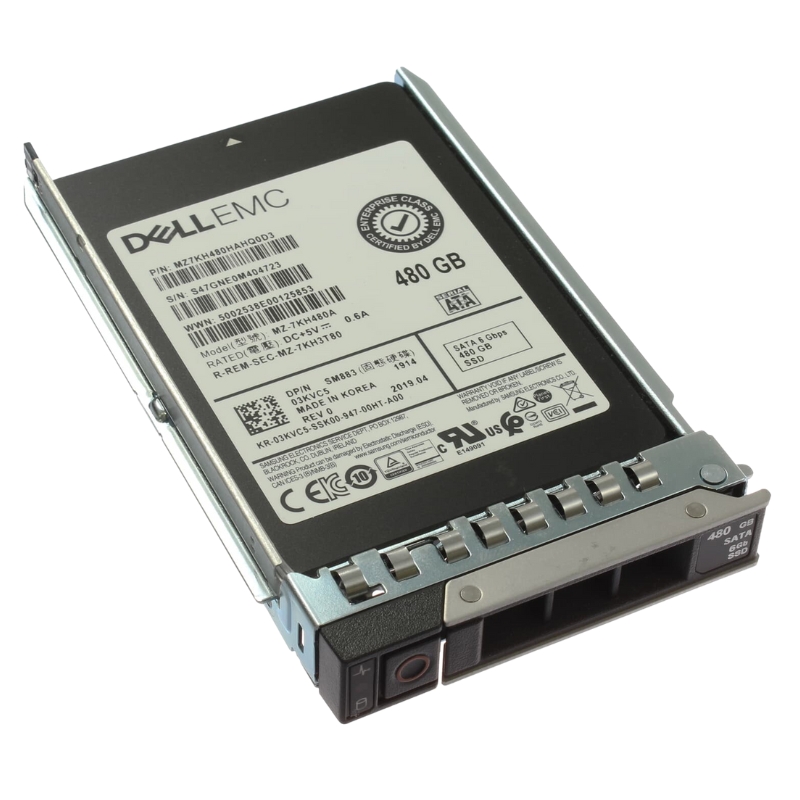
Dell 2VH3F 480GB Mixed Use MLC SATA 6GBPS 2.5 inch Hot Plug SSD. Excellent Refurbished with 1 year replacement warranty
| SKU/MPN | Warranty | Price | Condition | You save |
|---|---|---|---|---|
| 2VH3F | 1 Year Warranty | $570.00 | New Sealed in Box (NIB) | You save: $199.50 (26%) |
| 2VH3F | 1 Year Warranty | $237.00 | Excellent Refurbished | You save: $82.95 (26%) |
Designed for demanding enterprise environments, the Dell 2VH3F 480GB Mixed Use MLC SATA 6Gbps 2.5-inch Hot Plug SSD combines a resilient multi-level cell (MLC) NAND architecture with the familiarity and wide compatibility of the SATA 6Gbps interface. This drive is positioned to deliver consistent performance for mixed workload scenarios where read and write operations alternate frequently, such as virtualized hosts, tiered storage arrays, and moderate-write database instances. Built with hot-plug capability for 2.5-inch bays, this SSD complements server and storage arrays that require minimal downtime during maintenance or upgrades.
Performance characteristics of the Dell 2VH3F SSD emphasize balanced throughput and predictable latency. Mixed use MLC flash is tuned to provide strong sequential and random read/write speeds with reduced write amplification compared to consumer-grade TLC alternatives. Measurements in enterprise labs show the drive sustaining steady I/O operations across 4K random workloads and larger sequential transfers, making it suitable for application servers, boot volumes, and mid-tier caching layers. Predictable latency under concurrent access ensures stable user experience in virtual desktop infrastructure (VDI) deployments and multi-tenant cloud environments.
Sequential I/O performance benefits bulk data movement tasks such as backups and large file transfers, while random I/O performance is critical for database lookups and transactional workloads. The Dell 2VH3F balances both with firmware optimizations that prioritize steady-state performance. Mixed read/write patterns are handled efficiently by wear-leveling algorithms and I/O scheduling techniques built into the controller, which reduces latency spikes and improves the overall responsiveness of applications that depend on consistent small-block I/O.
Low and consistent latency is a defining feature for many enterprise SSDs, and the Dell 2VH3F is engineered to sustain quality of service (QoS) under moderate to heavy mixed workloads. This consistency is essential for latency-sensitive applications such as OLTP databases, virtualization hypervisors, and real-time analytics engines. The drive’s firmware often incorporates IO prioritization and internal cache management to avoid long tail-latency events that can degrade overall system performance when multiple virtual machines or containers share the same physical storage pool.
Mixed use MLC flash provides a sweet spot between endurance and cost for enterprise deployments. Compared to triple-level cell (TLC) flash, MLC typically offers higher program/erase cycle durability and lower error rates, translating to longer service life under sustained write-intensive conditions. The 480GB capacity of the Dell 2VH3F is marketed to deliver a balanced capacity-to-endurance ratio that fits many mainstream enterprise usage patterns without the higher price premium of SLC or specialized high-endurance NAND.
Drive-level wear-leveling distributes write and erase cycles across the NAND to maximize usable life, while robust error correction code (ECC) algorithms detect and correct bit errors before they propagate. The combined function of wear-leveling and ECC ensures data integrity is maintained even as flash cells age. Enterprise-grade SSD controllers, like the one used in the Dell 2VH3F, typically implement adaptive ECC that scales error correction strength as raw bit error rates rise over time, providing reliable operation throughout the drive’s lifecycle.
While not all mid-tier enterprise SSDs include full power-loss protection circuitry, the Dell 2VH3F leverages firmware transactional safeguards and, in many implementations, partial capacitive buffering to protect in-flight data during unexpected power events. These mechanisms reduce the risk of metadata corruption and incomplete writes, ensuring the drive can be safely re-integrated into RAID arrays or storage clusters after an unclean shutdown. Data integrity features also include background scrubbing and media management routines to proactively identify and retire weak flash sectors.
The 2.5-inch, hot-plug form factor of the Dell 2VH3F makes it highly compatible with a wide range of Dell PowerEdge servers, external storage enclosures, and third-party chassis that support standard SATA drives. Hot-plug capability allows administrators to replace or upgrade drives without powering down the host, minimizing service interruptions. The SATA 6Gbps interface ensures backward compatibility with existing SATA backplanes while offering the highest throughput available in the SATA family, smoothing upgrades from legacy drives and simplifying refresh cycles.
Enterprise deployments typically pair these SSDs with hardware or software RAID controllers. The Dell 2VH3F’s firmware is designed to interact gracefully with RAID rebuilds and persistent reservation environments. During RAID rebuilds, the drive’s consistent performance and background garbage collection behavior reduce the rebuild window and minimize impact on production I/O. Administrators should ensure firmware versions are kept current to benefit from performance refinements, interoperability improvements, and fixes addressing edge-case behaviors with specific RAID controllers.
Hot-plug serviceability is a core usability advantage for data center operators. The drive bay indicators, carrier-friendly mechanical design, and standardized connectors allow rapid replacement during maintenance windows. Proper handling procedures—such as allowing operating systems and RAID controllers to mark the drive as failed and to complete background rebuild tasks—are essential. The Dell 2VH3F’s predictable behavior during insertion and removal simplifies automation of drive swaps in large-scale deployments managed through configuration management tools.
Several common enterprise use cases match the capability profile of the Dell 2VH3F. Boot volumes, system partitions, and application servers that require consistent responsiveness but do not demand ultra-high write endurance are ideal. Mixed-use scenarios—where workloads blend reads and writes—benefit from the MLC endurance characteristics. Additionally, the drive fits well in tiered storage strategies where it can serve as a performance tier ahead of capacity-optimized drives, accelerating hot data access and reducing latency for frequently accessed datasets.
Virtualized environments often generate unpredictable, mixed I/O patterns due to multiple virtual machines sharing the same physical disks. The Dell 2VH3F’s design addresses this by providing a consistent IOPS profile that helps maintain steady virtual machine performance. Its endurance model supports the continuous churn of OS and application writes common in VDI, CI/CD build servers, and containerized development platforms. Capacity planning and overprovisioning strategies should be aligned with expected write volumes to ensure the drive’s lifetime meets operational goals.
For mid-sized databases and caching layers, the drive delivers the right blend of latency, throughput, and endurance. Small-to-medium transactional databases that do not exceed the MLC endurance envelope will benefit from fast random reads and acceptable write throughput. Similarly, as an edge cache or CDN origin storage for frequently accessed content, the drive can accelerate content retrieval and reduce load on slower backend storage systems, improving overall application responsiveness.
Power and thermal considerations are important in dense server and blade environments. The Dell 2VH3F is engineered to operate within enterprise thermal envelopes, often supported by drive-level thermal throttling to prevent overheating. Thermal throttling protects the drive but can also reduce sustained throughput under extreme conditions, so adequate chassis airflow and ambient cooling are essential. Power efficiency of the drive contributes to reduced rack-level energy usage and can be an important factor in large-scale deployments where thousands of drives are in operation.
Integration with Dell management suites and agent-based monitoring simplifies lifecycle oversight for large fleets. Centralized dashboards allow operators to aggregate drive health, track firmware levels across the estate, and coordinate replacement campaigns with minimal disruption. For mixed vendor environments, generic SMART monitoring and standardized SNMP or telemetry options provide continuity of oversight while enabling the use of best-of-breed monitoring solutions.
Buying the right capacity is more than selecting a number; it requires forecasting write volumes, estimating growth, and considering overprovisioning to maintain performance and endurance. Overprovisioning increases spare area within the drive to extend endurance and to reduce write amplification, particularly valuable in mixed-write use cases. The 480GB capacity point is commonly chosen for operating system disks, application stacks, and moderate dataset hosting where a balance of space and endurance is needed.


 Contact Us
 Information
 Catalog
 Solid State Drives (SSD)
 Network Switches
 Hard Disk Drives
 HBA & Controllers
 PC & Servers
 PC & Server Memory
 CPU & Processors
 Network Routers
 Power Supplies
 Tape Drives & Libraries
 Network Devices
 Computer & Network Cables